
Why tomato plants grow tall but produce few tomatoes
By Rive News / Research desk | Rive News / Published October 27, 2026 at 9:00 AM PKT
Key takeaways
- A tomato plant that grows tall without fruiting is usually putting energy into leaves instead of flowers, and excess nitrogen is the most common reason.
- Heat above 85 degrees Fahrenheit during the day can make pollen unusable, so flowers drop without setting fruit even on healthy plants.
- Tomatoes need at least 6 to 8 hours of direct sun daily, and plants in shade stretch tall while producing little.
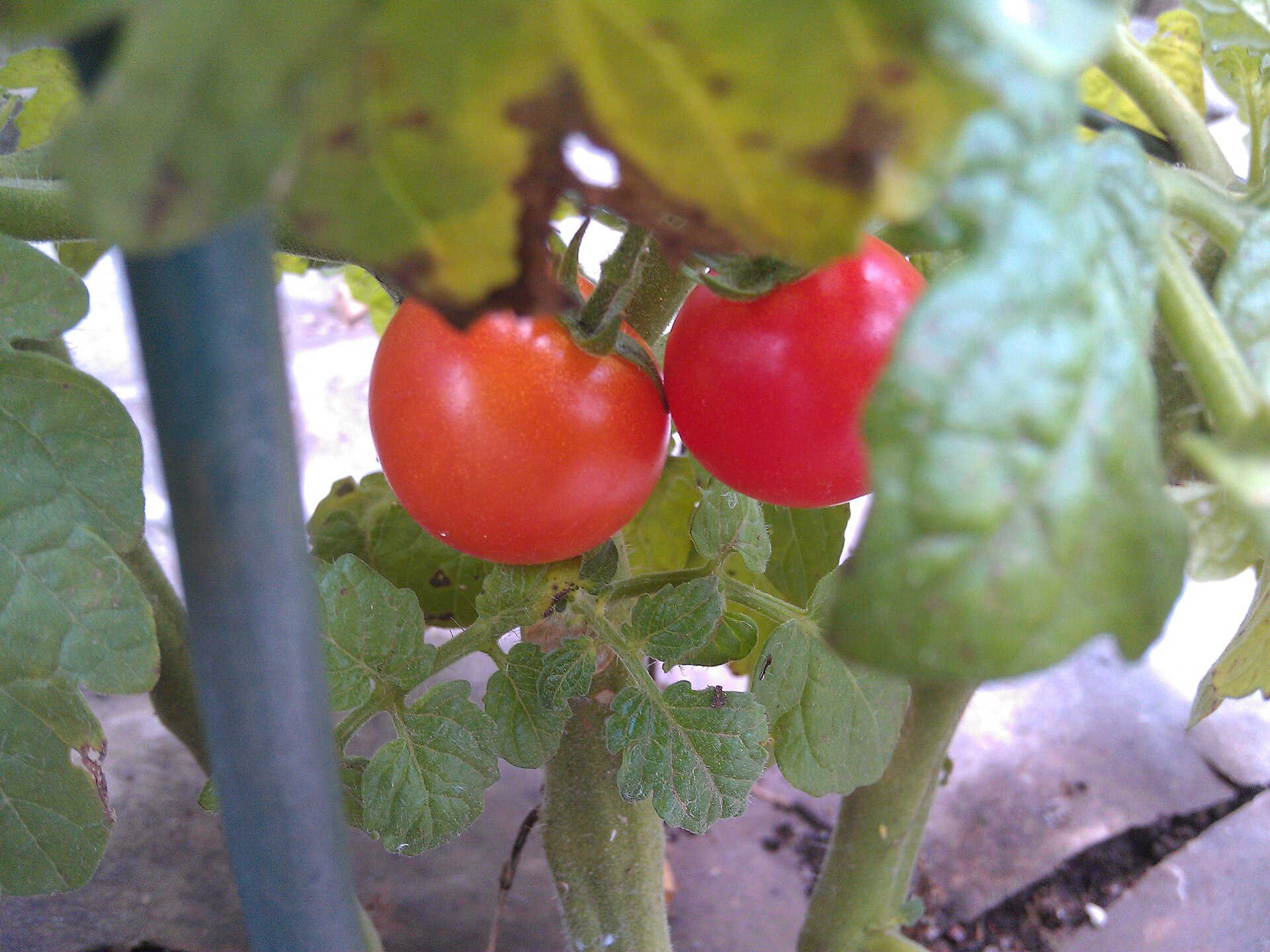
A tall tomato plant with lush leaves and almost no fruit. Photograph: the tomato plant shown
Image Credits: Wikimedia Commons
What tall, fruitless tomato plants are telling you
A tomato plant that grows tall but produces few tomatoes is a plant stuck in its leaf-growing phase. Tomatoes split their energy between two jobs: growing stems and leaves, and making flowers and fruit.
When the balance tips toward leaves, the plant looks vigorous while the harvest stays thin. Gardeners often read tall growth as health, but height alone says nothing about fruiting.
This article explains why tomato plants grow tall without fruiting, including excess nitrogen, heat stress, low light, poor pollination, and variety traits. It also covers how to diagnose the cause and what to change.
Excess nitrogen pushes leaves over fruit
Nitrogen is the nutrient behind green, leafy growth. Tomatoes need it, but too much keeps the plant in a vegetative stage, producing masses of leaves and few flowers.
The Ask Extension service run by university extension programs puts it plainly: excess nitrogen keeps plants producing lush green leaves but little to no flowers. This is the classic pattern behind a tall plant with an empty harvest.
Over-fertilizing is the usual route to excess nitrogen. Fresh manure and high-nitrogen lawn fertilizers are common culprits, since gardeners apply them generously early in the season.
If the leaves are dark green, soft, and abundant while flowers are scarce, nitrogen is the first suspect. A soil test confirms it, and it costs far less than another round of fertilizer.
The fix is to stop adding nitrogen and switch to a fertilizer lower in nitrogen and higher in phosphorus once flowering begins. Phosphorus supports flower production, and many tomato fertilizers use a ratio such as 5-10-10 for this stage.
Heat can sterilize pollen before fruit sets
Heat is the second major cause, and it fools even careful gardeners. A plant can look perfect through a hot spell while every flower quietly fails.
University of Delaware extension researchers report that tomato plants drop flowers when daytime temperatures rise above 85 degrees Fahrenheit or nighttime temperatures rise above 70 degrees. At those temperatures pollen becomes tacky and unusable, so pollination fails and the blossom dries and drops.
The same researchers note a sharper threshold: three hours or more at 103 degrees on two consecutive days can cause fruit set failure. Night temperature matters most, because ideal fruit set happens within a narrow night range of 60 to 70 degrees.
University of Florida extension researchers add that temperatures over 104 degrees for only 4 hours can cause flowers to abort. That is a short window, which explains why one heat wave can empty a whole truss.
Heat-damaged plants usually recover once nights cool. Flowers that open after the heat passes set normally, so patience often beats intervention here.
Shade cloth during the hottest part of the day helps, and watering deeply keeps plants from adding drought stress to heat stress. Heat-tolerant varieties bred for warm climates also set fruit at higher temperatures than standard types.
Low light makes plants stretch instead of fruit
Tomatoes are sun plants, and they need at least 6 to 8 hours of direct sunlight each day. In shade, a tomato stretches upward toward the light, a process called etiolation.
That stretching uses energy that would otherwise go to flowers. The result is a tall, thin plant with pale leaves and few tomatoes, a pattern gardeners call legginess.
Indoor plants and plants against a north-facing wall suffer most. Even a spot that looks bright to a human eye may fall short of what a tomato needs.
Moving containers to the sunniest available spot is the simplest fix. For indoor plants, a grow light run for 14 to 16 hours a day can close the gap.
Spacing matters too, since crowded plants shade each other. Plants grown too close together compete for light and grow taller in the contest, which is one more reason to follow spacing guidance for the variety.
Pollination problems leave flowers unfertilized
Tomato flowers contain both male and female parts, so each flower can pollinate itself. Still, pollen must move from the anther to the stigma, and that movement needs vibration.
Outdoors, wind and buzzing bees supply the vibration. In a sheltered garden, a greenhouse, or indoors, that vibration may be missing, and flowers drop unfertilized.
Gently shaking flowering stems once a day in mid-morning mimics the missing vibration. Some gardeners use an electric toothbrush held briefly against the flower cluster for the same effect.
Humidity also affects pollination. University of Delaware researchers report that the best relative humidity for tomato development sits between 40 percent and 70 percent.
Below 40 percent, pollen dries out and cannot stick to the stigma. Above 70 percent, pollen clumps and sheds poorly, which also blocks fertilization.
Variety and pruning shape how tall a plant grows
Some tomato plants are simply built tall. Indeterminate varieties keep growing and fruiting until frost, and they can reach 6 to 8 feet or more in a season.
Determinate varieties stop at a set height and ripen their crop in a concentrated window. A gardener growing an indeterminate type without knowing it may mistake normal height for a problem.
Pruning shapes this growth. Removing suckers, the small shoots that sprout where a leaf meets the stem, directs energy toward fruit on indeterminate types.
Unpruned plants grow dense, and dense plants shade their own inner leaves and flowers. That shade cuts fruiting even when the plant looks impressively large.
Support matters as well, since a plant sprawling on the ground puts energy into stems that root and wander. A cage or stake keeps growth vertical and air moving through the plant.
How to diagnose your own plant
Start by looking at the flowers, not the height. A plant with plenty of flowers that drop without forming fruit points to heat, humidity, or pollination trouble.
A plant with few flowers and abundant dark green leaves points to excess nitrogen or low light. A plant with no flowers at all in midsummer may be too young, too shaded, or too stressed to flower yet.
Next, check the site. Count the hours of direct sun the plant receives, and note whether nearby plants or walls cast shade for part of the day.
Then check the feeding history. If the plant received heavy nitrogen fertilizer or fresh manure this season, that history weighs more than any single symptom.
Finally, check the weather record for the weeks when flowers were opening. A heat wave during that window explains blossom drop even when everything else looks right.
What to change this season and next
Stop nitrogen-heavy feeding as soon as the problem is identified. Switch to a balanced or low-nitrogen tomato fertilizer, and water deeply so the plant is not stressed further.
Give the plant sun and air. Thin crowded growth, stake or cage sprawling stems, and remove suckers on indeterminate varieties to let light reach the flowers.
Help pollination along by shaking flowering stems daily, and avoid spraying flowers with water during the heat of the day. Morning watering at soil level keeps leaves dry and disease pressure low.
For next season, choose varieties matched to the site. Determinate types suit small spaces and short seasons, while heat-tolerant types suit regions with long hot summers.
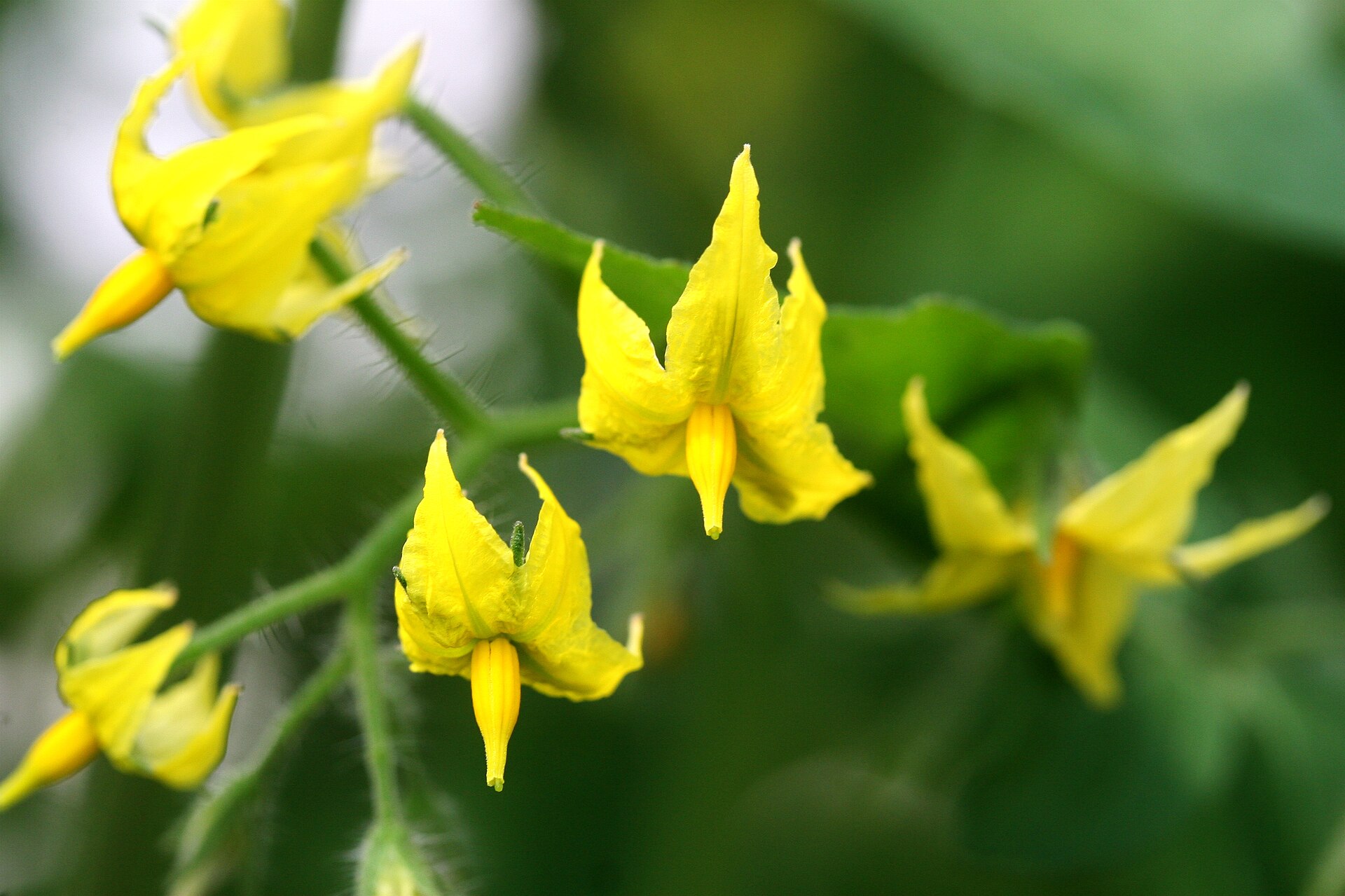
Tomato blossoms opening on a healthy plant. Photograph: the tomato blossoms shown
Image Credits: Wikimedia Commons
A soil test before planting also pays off. It shows nitrogen, phosphorus, and potassium levels, so fertilizer choices rest on measurement rather than guesswork.
Frequently asked questions
Can I cut back a very tall tomato plant?
Yes, but prune gradually rather than all at once. Removing more than about a third of the foliage at one time shocks the plant and cuts the energy it needs to ripen existing fruit.
Will a tall tomato plant with no fruit recover?
Often it will, once the limiting factor changes. Plants held back by heat usually set fruit when nights cool, and plants held back by nitrogen improve once feeding changes.
How many hours of sun do tomatoes really need?
At least 6 to 8 hours of direct sun daily. Less than that produces leggy growth and poor fruiting, even when water and fertilizer are adequate.
Is it too late to fix a fruitless plant in midsummer?
Usually not, since tomatoes fruit until frost. Correcting light, feeding, or pollination in midsummer still leaves weeks of production in most climates.
The bottom line
A tall tomato plant with few tomatoes is rarely a mystery once the grower checks five things: nitrogen, heat, light, pollination, and variety. Each cause leaves a distinct pattern, and each has a fix that costs little.
Start with the most likely cause for the conditions at hand, change one thing at a time, and watch the next flush of flowers. The plant will show whether the fix worked within a few weeks.
Tags: tomatoes, vegetable gardening, plant care
Rive News's research desk covers everyday science and practical how-to topics, drawing on public sources and extension guidance.
Related
- Determinate vs. indeterminate tomatoes: growth, pruning, and harvest differences
- Why do tomato leaves curl and how to fix it
- Why zucchini plants make flowers but no fruit
- Leggy seedlings: why they stretch and how light fixes them
Subscribe for one practical explainer each morning.
Standards: facts are drawn from cited public sources; corrections are published when an error is found.
Related stories
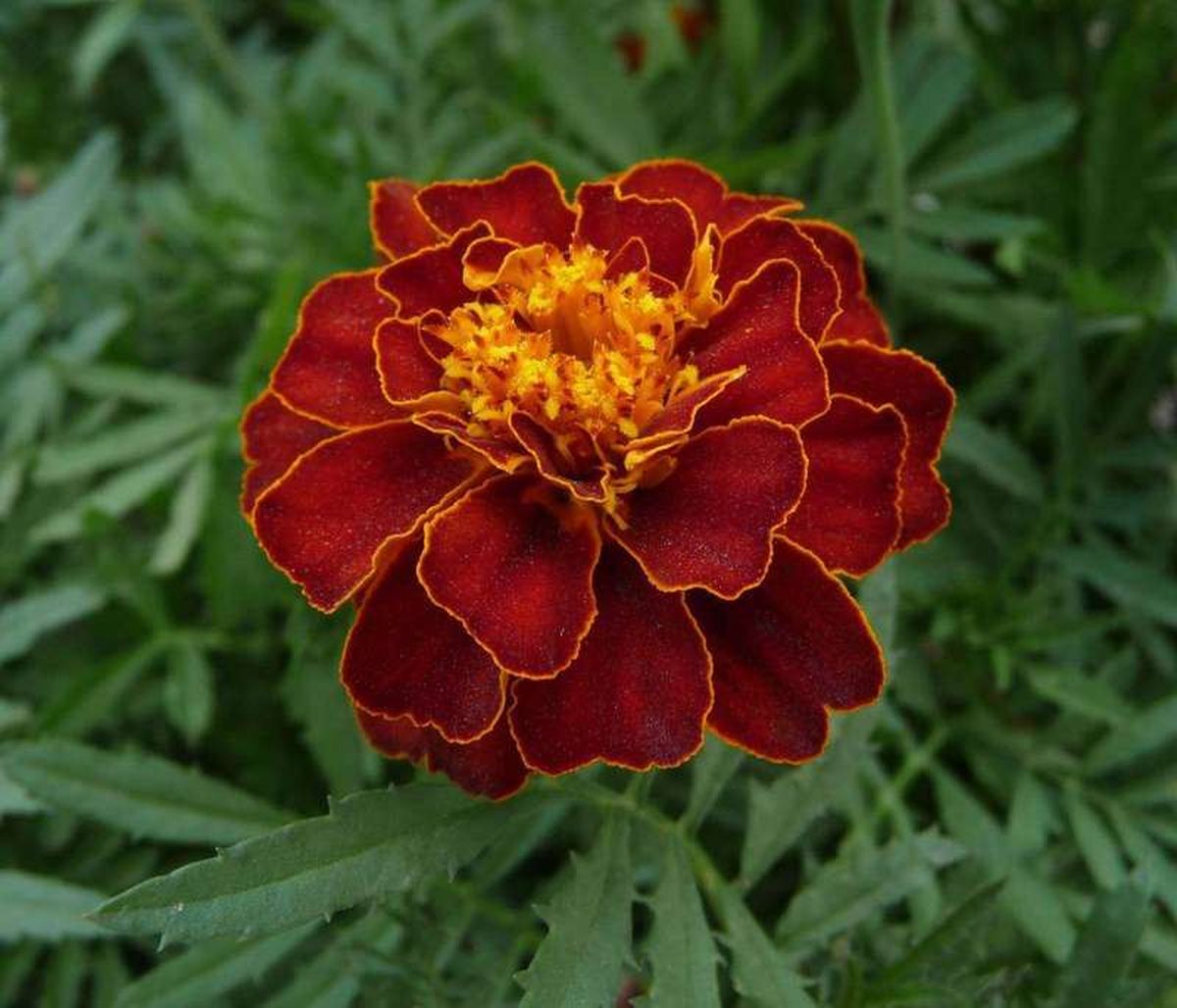
What Is Companion Planting and Does It Work?
Marigolds work as a nematode cover crop, but the basil flavor claim failed repeated tests. An honest evidence review of what companion
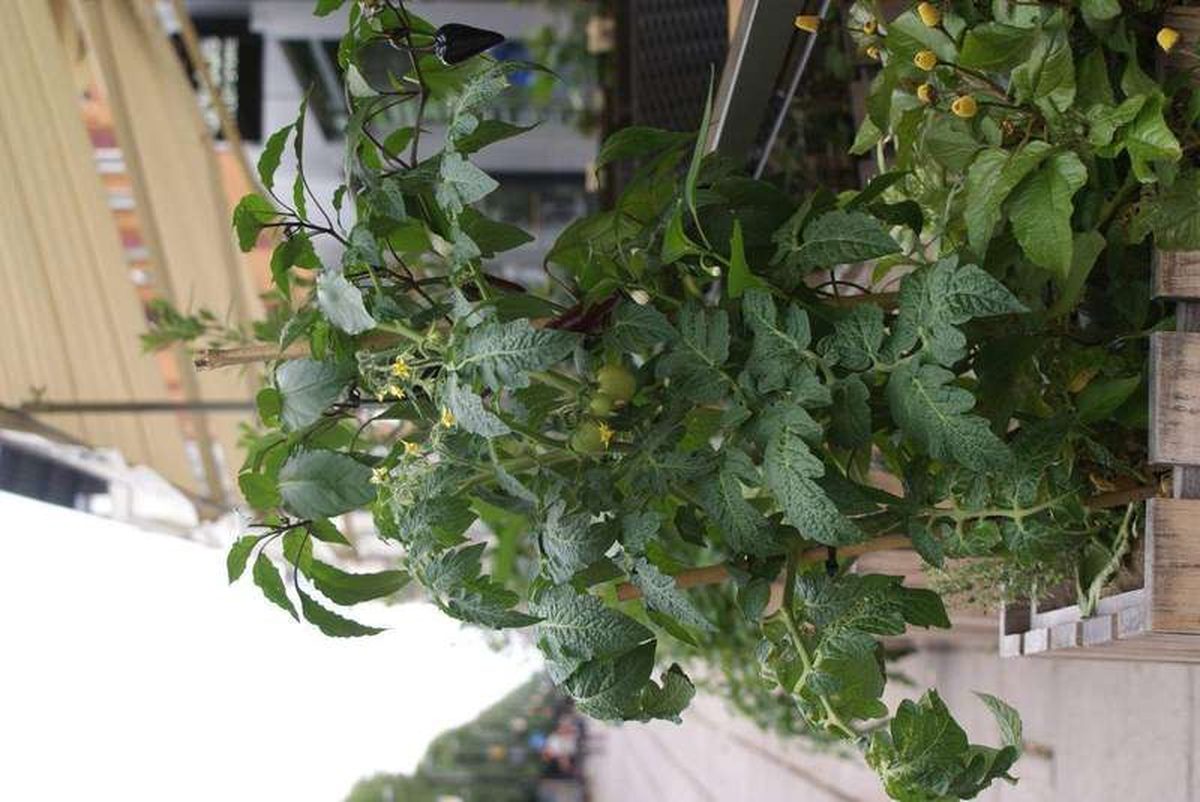
Determinate vs. indeterminate tomatoes: growth, pruning, and harvest differences
Determinate tomatoes grow to a set size and ripen all at once, while indeterminate types vine all season. That one difference shapes
How to improve clay soil for gardening
Gypsum will not fix ordinary clay soil, say extension experts. What actually works: 2 to 3 inches of compost, mulch, better drainage,