
Why Does Pruning Make Plants Grow Bushier? The Hormone Answer
Key takeaways
- Pruning removes the shoot tip, the plant's main source of the hormone auxin, which releases side buds from suppression and triggers bushier growth.
- Auxin flows downward from the tip while cytokinins rise from the roots; the balance between the two decides whether a plant grows tall or wide.
- Heading cuts above outward-facing buds, sharp clean tools, and correct timing maximize fullness without stressing the plant.
Snip the top off a leggy basil plant and within weeks it turns into a bushy mound. The same kind of cut transforms a scraggly shrub into a dense hedge.
The plant is not simply healing from damage. It is running a hormonal program, one that gardeners have exploited for centuries without always knowing why it works.
The mechanism is called apical dominance, and it explains both the tall, spindly growth of an unpruned plant and the burst of side shoots that follows a well-placed cut. This article explains apical dominance, including what it is, how auxin and cytokinins control branching, which pruning cuts trigger the bushiest response, and when pruning backfires.
What apical dominance actually is
In botany, apical dominance is the control that the terminal bud, the growing tip of a shoot, exerts over the lateral buds below it. As long as the tip is intact and growing, the side buds stay mostly dormant and the plant channels its energy upward. The result is vertical growth: one strong central stem with suppressed side branches.
The chemical messenger behind this is auxin, a plant hormone produced mainly in the growing shoot apex. The most common natural auxin is indole-3-acetic acid, or IAA.
Auxin moves downward through the stem, and its presence keeps the lateral buds in a state of suspended animation. That auxin regulates apical dominance was first demonstrated in 1934, and the finding has held up for nearly a century.
Remove the tip and the auxin supply collapses. With the suppressing signal gone, the lateral buds wake up and start growing into new shoots. Those shoots then compete with each other to become the new lead growth, which is exactly why a single snip produces several branches instead of one.
The strength of apical dominance varies widely between species. Many conifers show extremely strong apical dominance, with the Araucariaceae family producing a single erect trunk and strongly differentiated horizontal branches, according to Wikipedia's overview of the phenomenon.
Broadleaf plants carry their growing point at the shoot tip, so pruning the apex releases buds all along the stem. Grasses work differently: their growing points sit near the base, and apical dominance there regulates tillering, the production of new shoots from basal buds, which is why mowing a lawn makes it denser rather than killing it.
How auxin and cytokinins control the shape of a plant
Auxin is only half of the story. While auxin streams down from the shoot tip, a second group of hormones called cytokinins moves upward from the roots through the xylem.
Cytokinins promote cell division and actively encourage lateral buds to grow. The two hormones are functional antagonists in the bud: auxin says wait, cytokinins say grow.
What matters is the ratio between them. High auxin and low cytokinin means strong apical dominance, with lateral buds firmly suppressed.
Low auxin and relatively high cytokinin means the buds activate and the plant branches. Pruning flips the ratio in one move by deleting the auxin source while the roots keep pumping cytokinins upward.
The classic proof is the decapitation experiment taught in plant physiology courses. Cut the apical bud off a pea shoot and the axillary buds start growing, producing a bushy plant.
Apply auxin paste to the cut stump and apical dominance is restored, the side buds go back to sleep. This demonstrates that it is the hormone, not the physical tip itself, doing the suppressing.
Modern research adds finer detail. Auxin does not simply diffuse downward; it is actively pumped in one direction through specialized carrier proteins called PIN proteins, a process known as polar auxin transport.
When pruning stops the stream, these carriers redistribute and hormone flow reorganizes around the new growth points. Pruning also triggers wound-response signals involving jasmonic acid and ethylene, which help seal the cut, while strigolactones join cytokinins in signaling the dormant buds that the tip is gone.
Heading cuts, thinning cuts, and pinching: putting the science to work
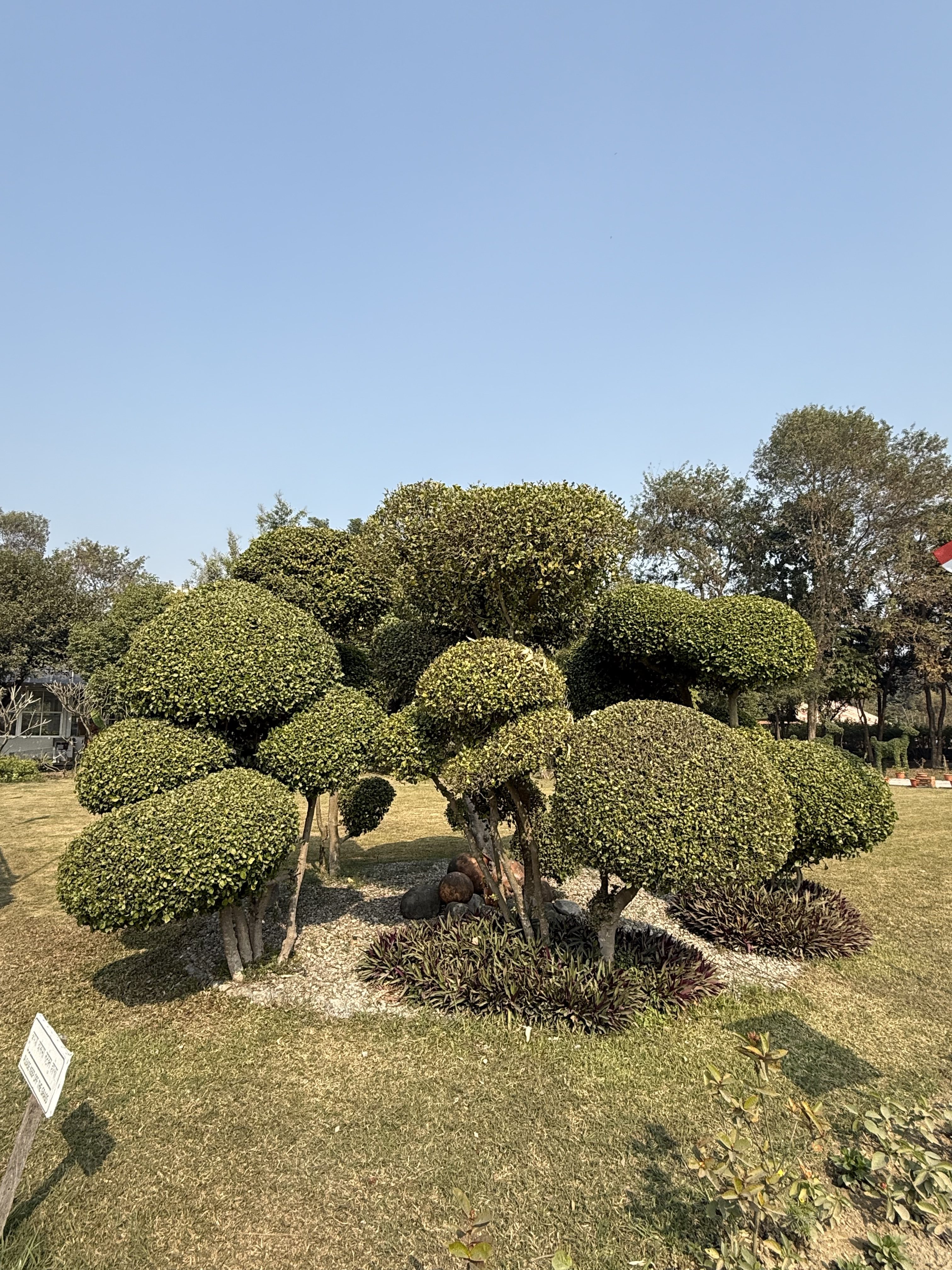
Gardeners use two fundamentally different cuts, and they exploit apical dominance in opposite ways. A heading cut shortens a branch back to a bud.
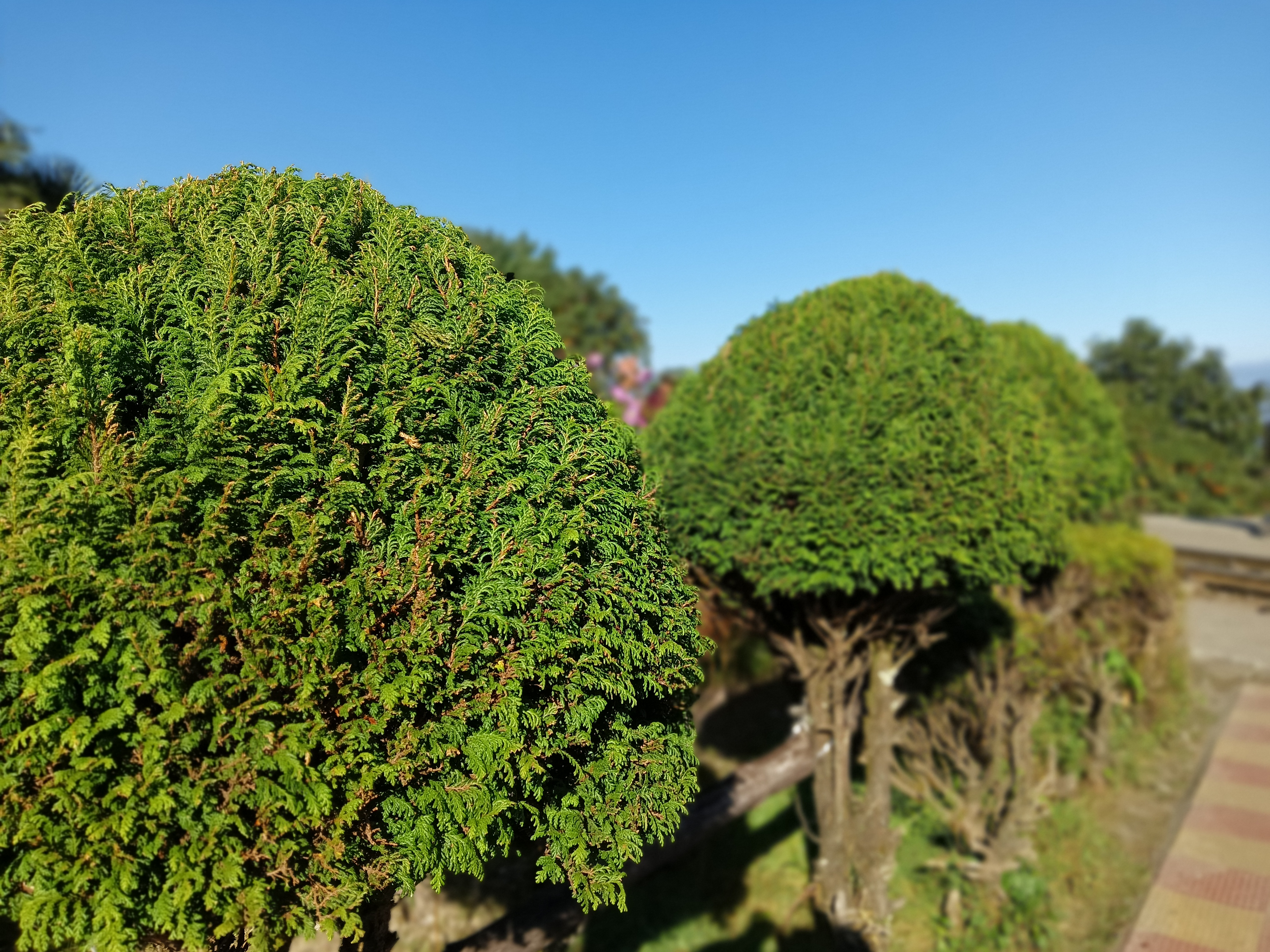
Because it removes the terminal bud, it breaks apical dominance on that stem and forces the buds below the cut to branch. This is the cut that makes plants bushier, and it is the basis of hedge shearing, topiary, and pinching back herbs.
A thinning cut removes an entire branch back to its point of origin. It does not stimulate a flush of new growth at the cut site.
Instead it opens the canopy to light and air while redirecting energy into the remaining branches. Use heading cuts when you want density and fullness; use thinning cuts when you want openness and structure.
Placement matters as much as the cut itself. Make heading cuts just above an outward-facing bud or node, so the new shoots grow away from the center of the plant rather than tangling inward. Cut at a slight angle to shed water, and keep the blade clean: a ragged cut heals slowly and invites disease.
Pinching is simply a heading cut done with fingertips, and it is the fastest way to see apical dominance in action. Pinch the growing tip of basil, coleus, or chrysanthemums and the plant responds with two or more side shoots within days. Tomato growers do the same thing when they remove suckers, though the goal there is the reverse, concentrating energy into fruit rather than foliage, a trade-off explored in our guide to why tomato plants grow tall with few tomatoes.

Timing decides whether the hormonal response helps or hurts. Prune spring-flowering shrubs right after they bloom, since their buds were set the previous year. Prune summer-flowering shrubs in late winter or early spring, before new growth starts.
Pruning at the wrong moment does not change the hormone mechanism, but it can remove the very buds that would have become flowers. Roses, for example, have their own pruning calendar tied to their bloom cycle.
When pruning backfires
Breaking apical dominance is powerful, which is exactly why it can go wrong. The most common mistake is removing too much at once.
Taking off more than about one-third of a plant's foliage in a single session starves the roots, because the leaves are the plant's food factory. The hormonal signal says grow, but the energy reserves say otherwise, and the result is weak, spindly regrowth.
Dirty tools are the second classic error. Pruning opens wounds, and a blade carrying fungal spores or bacteria from a diseased plant delivers the pathogen straight into fresh tissue. Wipe blades with rubbing alcohol or a diluted bleach solution between plants, especially after cutting anything that looked sick.
Some plants punish heading cuts. Most conifers, with the exception of yews, do not reliably resprout from old wood once their growing tips are removed.
Palms have a single growing point at the crown; damage it and the palm dies. These are cases where apical dominance is effectively permanent, and the bushier-growth trick does not apply.
Finally, remember that the response takes energy and water. A freshly pruned shrub pushing out new shoots needs consistent moisture to support that growth. Deep, infrequent watering beats daily sprinkles, as explained in our guide on whether to water plants in the morning.
Frequently asked questions
Does pinching the top of a plant always make it bushier?
In most broadleaf herbs and shrubs, yes. Removing the shoot tip drops auxin levels and releases lateral buds. But plants with a single growing point, like palms, cannot branch this way, and some conifers will not resprout from old wood.
Why did my shrub grow back taller instead of bushier after pruning?
You probably made thinning cuts or cut back to an upward-facing bud, which preserves apical dominance on the remaining stems. For bushiness, use heading cuts above outward-facing buds so the new shoots spread sideways.
Is there a limit to how much I can prune at once?
Yes. Removing more than roughly one-third of the foliage in one session depletes the energy reserves the plant needs to fuel the new growth that pruning triggers. Spread heavy renovation pruning across seasons.
Do all plants respond to pruning the same way?
No. Strength of apical dominance varies by species.
Conifers show very strong apical dominance, grasses tiller from basal buds, and broadleaf plants branch readily from stem buds. Match the technique to the plant's growth habit.
The bottom line
Pruning makes plants bushier because it removes the shoot tip, the main source of auxin, and that releases lateral buds from apical dominance. Cytokinins rising from the roots then drive those buds into new branches. Use heading cuts above outward-facing buds for density, keep tools sharp and clean, respect the one-third rule, and time cuts to the plant's bloom cycle for the fullest, healthiest response.
Latest in Gardening
- Why roses grow thorns and how to prune around them
- Why your tomato plants grow tall with few tomatoes
- Why some seeds need light to germinate and others need darkness
Get one practical gardening insight every morning. Subscribe to the Rive News newsletter.
Related stories
What Is Companion Planting and Does It Work?
Marigolds work as a nematode cover crop, but the basil flavor claim failed repeated tests. An honest evidence review of what companion
Determinate vs. indeterminate tomatoes: growth, pruning, and harvest differences
Determinate tomatoes grow to a set size and ripen all at once, while indeterminate types vine all season. That one difference shapes
How to improve clay soil for gardening
Gypsum will not fix ordinary clay soil, say extension experts. What actually works: 2 to 3 inches of compost, mulch, better drainage,