
Why Do Tomato Seedlings Turn Purple in Spring?
Key takeaways
- Purple seedlings are making anthocyanin, a stress pigment, usually because cold soil is blocking phosphorus uptake.
- Tomatoes struggle below 55°F soil temperature, even when the soil actually contains enough phosphorus.
- Warm the soil, harden seedlings off gradually, and most purple seedlings green up again within two weeks.
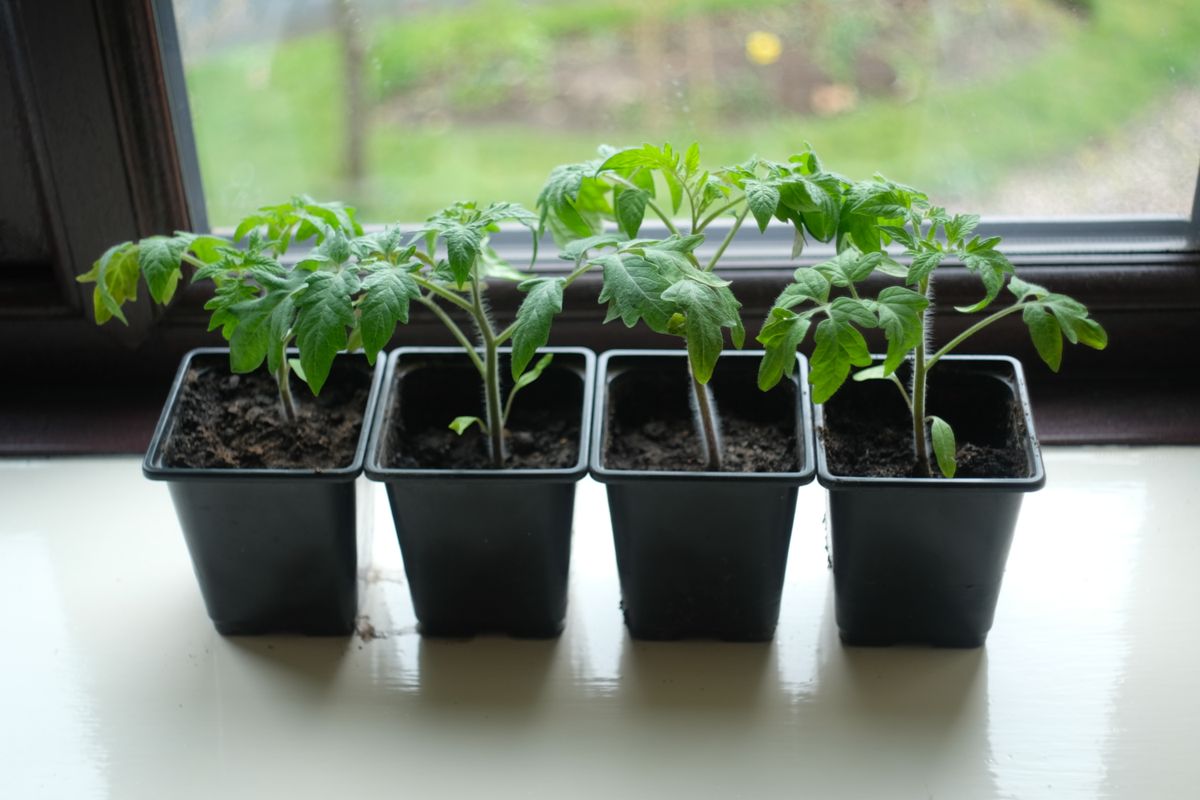
A tomato seedling should be a confident green. So when the stems and leaf undersides blush purple, new gardeners panic, and experienced ones reach for fertilizer. Both reactions miss the point.
The purple is anthocyanin, the same pigment family that colors blueberries and red cabbage, and the seedling is making it on purpose as a stress response.
This article explains why tomato seedlings turn purple, how cold soil creates a phosphorus shortage without any actual deficiency, and the practical steps that bring seedlings back to green.
What the purple color actually is
The purple is not a disease. It is anthocyanin, a water-soluble pigment the plant produces when stressed. Think of it as the plant's sunscreen and distress signal rolled into one.
According to Homequirer, tomato plants produce anthocyanin in response to stress, and phosphorus plays a central role in root development and energy transfer. When phosphorus is in short supply, the plant struggles to produce chlorophyll, and the green gets masked by purple.
Research from Cornell University's School of Integrative Plant Science, quoted by gardening writers, puts it plainly: anthocyanin accumulation in tomato leaves primarily indicates phosphorus uptake issues, most commonly triggered by cold root zones. The emphasis on root zones matters. The phosphorus can be right there in the potting mix.
If the roots are too cold to take it up, the seedling behaves as if it is starving.
Light can add to the effect. Tiny Garden Habit notes that seedlings under intense white or blue grow lights produce more anthocyanins as a protective response, which can turn leaves or stems purple even when temperatures are fine. The purple from strong light is cosmetic.
The purple from cold is a clue about the roots.
Cold soil, the main trigger
Tomatoes are warm-weather plants with a narrow comfort band. Multiple extension sources converge on the same numbers. Soil below 55°F makes phosphorus less available to the plant, even when levels in the soil are adequate.
TomatoAbout calls this cold-induced phosphorus deficiency, and flags it as especially common in early spring plantings when gardeners are eager to get seedlings outside.
The mechanism is straightforward. Cold soil slows root activity. Slow roots take up less phosphorus.
Phosphorus is a mobile nutrient, so the plant pulls what it has from older tissue to feed new growth, and the older leaves and leaf undersides show the purple first. Healthy Juice adds that young seedlings are hit hardest because their root systems are small, so they absorb phosphorus poorly in cool conditions to begin with.
Cold nights below 55°F are the classic trigger, and Tiny Garden Habit warns that tomatoes do not tolerate temperatures below 50°F well at all. A windowsill that drops to 55°F overnight, a cold frame that loses heat fast, or a garden bed that has not yet warmed in April can all set it off. Indoors, the ideal daytime band is 65 to 85°F with nights at 60 to 70°F.
The good news: this kind of purple is temporary. When soil temperatures climb and stay warm, the roots resume normal uptake and new growth comes in green. Recovery typically takes 7 to 14 days of consistently warm conditions.
Other causes worth ruling out
True phosphorus deficiency can also purple seedlings, especially in old or unfertilized potting mix. The pattern is the same: purple undersides, stunted growth, poor root development. If warming the soil does not fix the color within two weeks, a soil test or a dose of balanced starter fertilizer, something with the middle NPK number higher, like 5-10-5, is the next step.
Transplant shock is another common culprit. Moving seedlings from a warm indoor shelf to bright, windy, cool outdoors in one day triggers several stresses at once, and purple leaves follow. The fix is hardening off: exposing indoor-started plants to outdoor conditions for increasing periods over 7 to 10 days before transplanting.
One more possibility is a true disorder rather than stress. Tomato purple leaf disorder can mimic phosphorus deficiency, appearing about six weeks after transplanting with purple upper leaf surfaces and green veins. That one is rarer and behaves differently from simple cold purpling, so watch the pattern, not just the color.
How to fix purple seedlings and prevent it
Start with warmth. For indoor seedlings, move them to a spot where soil stays at or above 65°F, and keep nights above 60°F. A heat mat under the trays is the most direct fix.
For outdoor beds, black plastic mulch laid a week or two before planting warms the soil by 5 to 10°F, according to extension summaries. Row covers add nighttime protection when a cold snap threatens.
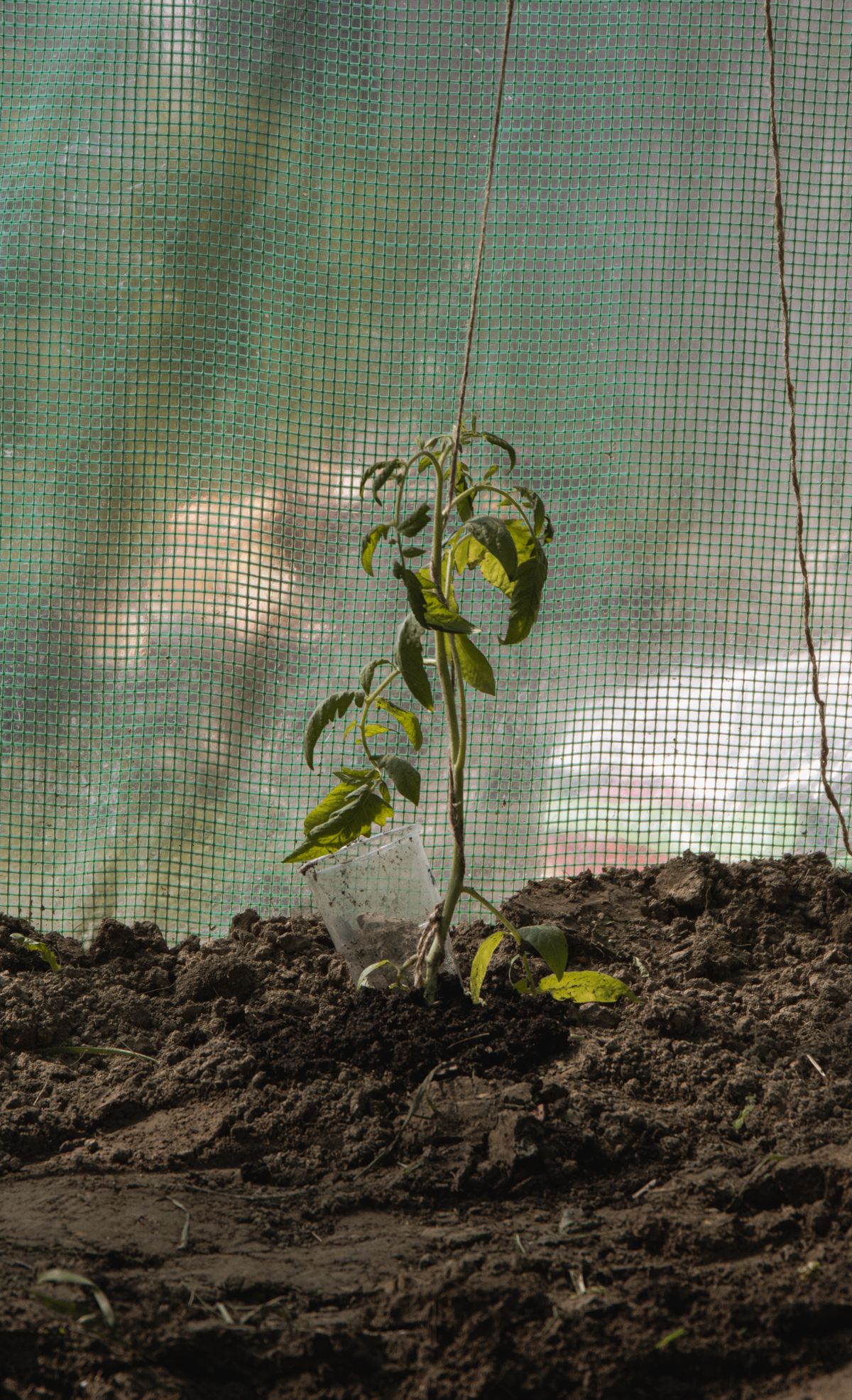
Harden seedlings off before transplanting. Give them 7 to 10 days of increasing outdoor exposure, starting with a few hours of sheltered shade and building up to full days. TomatoAbout notes that most transplant-shocked plants recover within two weeks once protected and watered consistently.
Feed only if warmth fails. If seedlings stay purple after two warm weeks and show stunting, apply a diluted phosphorus-rich starter fertilizer or seaweed solution. Do not dump fertilizer on a cold-stressed seedling in hopes of speeding things up.
The roots cannot take it up, and excess salts can burn young roots.
Finally, time your planting. Wait until soil consistently reaches 60°F before transplanting outdoors. A cheap soil thermometer is one of the best investments a tomato grower can make, because guessing at soil temperature is how most early purpling happens.
Frequently asked questions
Will purple tomato seedlings still produce fruit?
Usually yes. Purpling from cold stress rarely affects fruit production once the plant establishes. The University of California Agriculture and Natural Resources notes that cold-stress effects diminish after plants develop robust root systems.
How fast does purple color go away?
Within 7 to 14 days of consistently warm soil, according to extension guidance. New growth emerges green while older purple leaves may stay discolored.
Does purple mean the soil lacks phosphorus?
Not necessarily. Cold soil below 55°F locks out phosphorus even when the soil holds plenty. Warm the soil first, and only fertilize if the color persists after two warm weeks.
Can grow lights turn seedlings purple?
Yes. Intense white or blue light triggers protective anthocyanin production in some seedlings. This type of purpling is harmless and fades when light intensity drops.
The bottom line
Purple tomato seedlings are stressed, not dying. The usual story is cold soil blocking phosphorus uptake, which the plant answers with protective anthocyanin. Warm the root zone, harden seedlings off patiently, and give them two weeks.
The green almost always comes back.
Latest in Gardening
- Why do carrots grow forked sometimes?
- Why do herbs lose flavour when dried?
- Why do plants grow towards light?
Subscribe to the Rive News newsletter for one practical gardening explainer every morning.
Image Credits: Pexels / Judith Knight, Dominika Mazur
Related stories
What Is Companion Planting and Does It Work?
Marigolds work as a nematode cover crop, but the basil flavor claim failed repeated tests. An honest evidence review of what companion
Determinate vs. indeterminate tomatoes: growth, pruning, and harvest differences
Determinate tomatoes grow to a set size and ripen all at once, while indeterminate types vine all season. That one difference shapes
How to improve clay soil for gardening
Gypsum will not fix ordinary clay soil, say extension experts. What actually works: 2 to 3 inches of compost, mulch, better drainage,