
Why Do You Feel Tired After Eating a Big Meal
Key takeaways
- Post-meal tiredness, called postprandial somnolence, is usually normal physiology, not laziness or a disorder.
- Five forces stack: rest-and-digest mode, blood flow shifts, blood sugar swings, sleep chemistry, and the afternoon circadian dip.
- Smaller meals, balanced plates, and a 10 to 15 minute walk after eating soften the slump the same day.
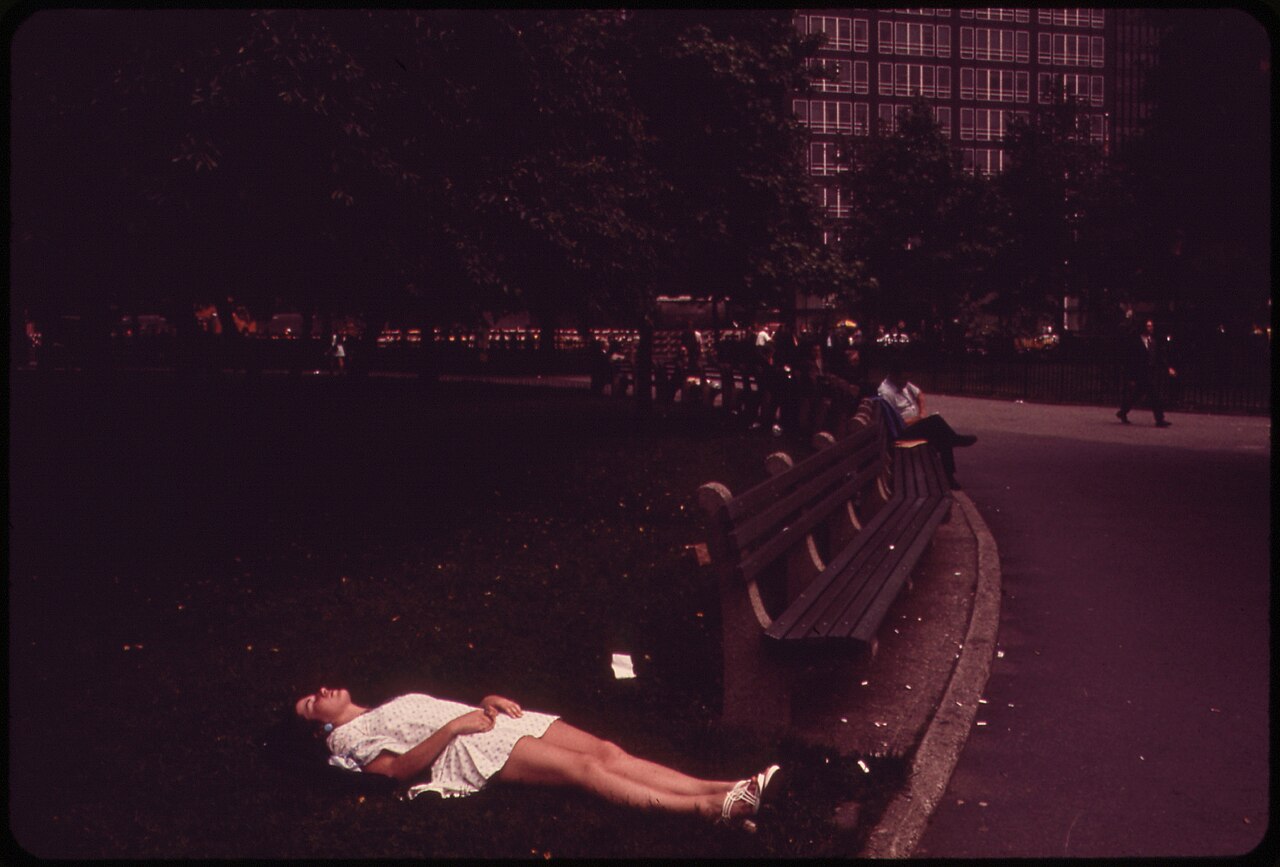
You finish a big lunch, and within half an hour your eyelids feel heavy. Your thinking slows, your motivation drains, and the couch looks more appealing than anything on your to-do list. The feeling is so common it has a nickname: the food coma.
Doctors call it postprandial somnolence. The word postprandial means after a meal, and somnolence means sleepiness. In most cases it is normal physiology, not a sign that anything is wrong.
This article explains why you feel tired after eating a big meal, which meals make it worse, when the pattern deserves a closer look, and what actually helps. This article is for general information, not medical advice.
What the food coma is
A food coma is the drowsiness that follows eating, especially after large meals or foods high in carbohydrates and fats. Tua Saude describes it as a feeling of tiredness or the need to rest shortly after a meal, and notes that the reaction is completely normal and part of the body's natural digestive process.
The symptoms are usually mild and short-lived. They include drowsiness, heaviness, tiredness, fatigue, and a lack of motivation. Focus drops, and staying active takes more effort than usual.
Timing is predictable. Welltory reports that drowsiness typically starts 30 minutes to a couple of hours after eating, and it is strongest after big, heavy, carb-rich meals. Tua Saude puts the usual duration at 30 minutes to 2 hours.
The slump fades on its own as digestion finishes and blood sugar steadies.
Why it happens: five forces stacking
No single cause explains the food coma. Welltory frames it as four things ganging up at once, and Sleep and Cognition adds meal timing and the body clock. Put together, five forces stack on top of each other.
Your nervous system switches to rest and digest
When your stomach and upper intestine stretch and fill, your body activates the parasympathetic nervous system. This is the "rest and digest" branch. Heart rate eases down, alertness drops, and the body deliberately prioritizes digestion over action.
Sleep and Cognition describes the same shift. The parasympathetic system slows non-essential processes like mental alertness and redirects energy toward digestion. That is why a full stomach can make you feel relaxed or even sleepy.
Blood flows toward your gut
Digestion is real work, and the body routes extra blood to the gastrointestinal tract to do it. Sleep and Cognition calls this postprandial hyperemia. The shift can temporarily reduce blood flow to other organs, including the brain, which may make you feel sluggish.
Blood sugar rises, then falls
Eating raises blood glucose, and the pancreas answers with insulin, which moves glucose into cells for energy. After a big spike, the correction can overshoot. Glucose comes back down fast, and that downswing feels like sudden fatigue and fog.
Refined carbs and sugar produce the sharpest spikes. White bread, pasta, pastries, sugary drinks, and dessert all digest quickly, so the spike and the crash both arrive fast. Welltory notes that the bigger and more refined the carb load, the bigger the swing.
Sleep and Cognition adds a warning about pattern. A sudden insulin spike after simple carbs can cause blood sugar to dip later, leaving you tired. Protein-rich meals digest more slowly and tend to give steady energy, which reduces the chance of a crash.
Sleep chemistry rises
Some foods carry compounds that nudge you toward sleep. Tryptophan, found in turkey, milk, eggs, cheese, and nuts, is an amino acid that feeds into serotonin production. Serotonin can then convert into melatonin, the hormone that regulates sleep.
The pathway strengthens after carb-heavy meals. Welltory explains that insulin drives most large neutral amino acids into muscle tissue, while tryptophan stays behind in the bloodstream. With less competition, more tryptophan reaches the brain, which feeds serotonin and melatonin production.
Sleep and Cognition adds another hormone to the picture. Cholecystokinin, or CCK, is released when fat and protein enter the small intestine. It signals fullness, promotes relaxation, and can increase feelings of sleepiness.
None of these chemicals knocks you out alone, but together they add weight to the slump.
The afternoon dip lands at the same time
If the meal in question is lunch, you are also fighting your circadian afternoon dip. Most people experience a natural drop in alertness in the early to mid afternoon, roughly seven to nine hours after waking, even if they have not eaten at all, according to Welltory.
Sleep and Cognition places the dip around 1 to 3 PM. A heavy lunch and the circadian dip landing together is the classic recipe for the 2 PM crash. The meal does not create the dip, but it can make a natural low point feel much deeper.
Which meals hit hardest
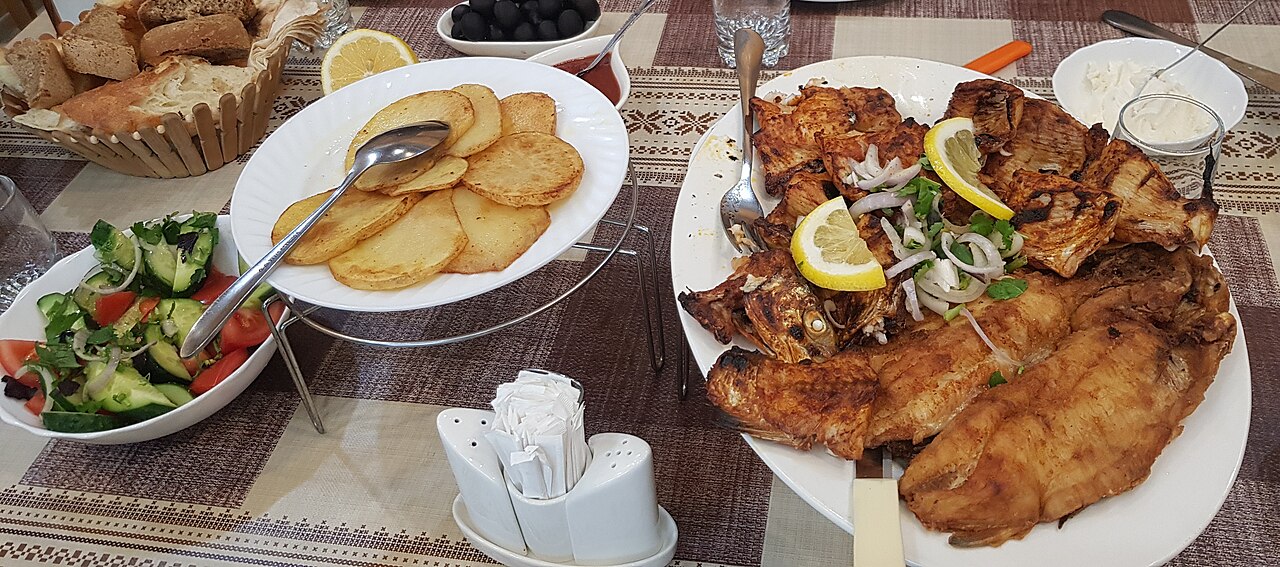
Size matters most. Welltory cites sleep-lab tests showing drowsiness peaking one to two hours after eating, with the effect markedly stronger after larger, higher-calorie meals. A 400-calorie lunch and a 1,200-calorie feast are different animals.
Composition matters next. Refined carbs and sugar hit hardest, because they produce the sharpest glucose spike and therefore the sharpest crash. High-carb meals are consistently more sleep-inducing than low-carb ones.
Heavy fat slows everything down. Very fatty meals digest slowly, extending the rest-and-digest state and the blood-to-gut demand. That is the post-holiday-dinner heaviness, when a meal can feel like it lasts for hours.
Alcohol with food multiplies the effect. Even one drink with lunch adds direct sedation on top of the digestive slump. Welltory lists it as a clear multiplier, not a minor detail.
Protein-and-vegetable meals are gentlest. Meals built on protein, fiber, and vegetables produce a flatter glucose curve and a much milder dip. The same person can feel fine after one lunch and wrecked after another, and the plate often explains the difference.
The multipliers you bring to the table
How hard the food coma hits depends heavily on the state you brought to the meal. Welltory names three multipliers, and the first one is the biggest.
Short or poor sleep is the largest multiplier. If you are running on six hours, your baseline sleep pressure is already high. The post-meal dip does not create sleepiness so much as unmask it.
The meal is the moment the debt gets collected.
When tiredness after eating deserves attention
Occasional post-meal drowsiness after a big lunch is normal and universal. The pattern that deserves a closer look is different: severe sleepiness after almost every meal, regardless of size or content, most days.
Welltory says that pattern can point to blood-sugar dysregulation, such as insulin resistance, prediabetes, or reactive hypoglycemia. It can also point to an underlying sleep problem, such as chronic sleep debt or sleep apnea. Thyroid trouble, anemia, and some medications can amplify post-meal fatigue as well.
Sleep and Cognition lists similar flags. Falling asleep after every meal, or extreme fatigue, may indicate diabetes or prediabetes, sleep disorders, nutrient deficiencies, or hormonal imbalances. Consistent extreme fatigue after meals should prompt a discussion with a healthcare professional.
What actually helps
The good news is that post-meal tiredness responds well to unglamorous changes. Welltory lists seven levers, and most of them work the same day.
Shrink the meal. Splitting a big lunch into a moderate lunch plus an afternoon snack flattens the whole curve. This is the single strongest lever on the list.
Rebalance the plate. Anchor meals on protein, fiber, and vegetables, and keep refined carbs and sugar as a side note rather than the base. Same calories, far smaller crash.
Walk after eating. Ten to fifteen minutes of easy walking after a meal blunts the glucose spike and keeps you alert. Sleep and Cognition calls it one of the simplest ways to reduce sleepiness, since gentle movement aids digestion, improves circulation, and raises alertness.
Fix the night. Enough sleep raises your baseline so the dip stays a dip instead of a collapse. Welltory puts it bluntly: most people who cannot survive the afternoon are treating a sleep problem with coffee.
Time your caffeine. A coffee before or with lunch works with your biology. A desperate 4 PM double espresso can wreck tonight's sleep and feed tomorrow's crash.
Mind alcohol at lunch. Even one drink adds sedation you will pay for at 3 PM. Saving drinks for the evening removes a multiplier for free.
Use the dip when you can. If your schedule allows, a 10 to 20 minute early-afternoon nap rides the natural circadian dip and resets you. That beats an hour of foggy screen-staring, and it works with the body clock instead of against it.
Stress can worsen the whole cycle, and our article on how stress can give you a headache covers one more way tension shows up in the body.
Frequently asked questions
Is it normal to feel tired after every meal?
Occasional tiredness after big or carb-heavy meals is normal. Daily, severe sleepiness after almost every meal, regardless of size, is not the usual pattern. If that describes you, track it for a week and discuss it with a healthcare professional.
Why do I crash after lunch but not dinner?
Lunch lands on top of the natural circadian afternoon dip, which peaks around 1 to 3 PM. Dinner comes when the body is already winding down, so the same meal feels less like a crash. Eating a heavy lunch during the dip stacks two sources of sleepiness at once.
How long does a food coma last?
In most cases, symptoms last between 30 minutes and 2 hours, according to Tua Saude. A walk, water, and a lighter next meal usually shorten the worst of it. If drowsiness regularly lasts far longer, or comes with shakiness or dizziness, get it checked.
Outlook
Post-meal tiredness is usually a normal stack of digestion, blood sugar, sleep chemistry, and body clock, not a personal failing. Smaller meals, balanced plates, a short walk, and enough sleep soften it for most people, often on the first day.
Watch the pattern, not any single afternoon. Occasional and proportional to the meal means physiology. Daily, severe, and indifferent to what you eat means it is time to talk to a doctor.
Bring a one-week record of meals and crashes, and the conversation will move faster.
This article is for general information, not medical advice.
Tags: energy, digestion, sleep, nutrition
Latest in Health
- Why Stress Can Give You a Headache
- Why You Get a Runny Nose in Cold Weather
- Why Your Voice Sounds Different in Recordings
- Why We Get Motion Sickness in Cars but Not Always in Trains
Subscribe for one clear health explainer each week, straight to your inbox.
Related stories

ADHD linked to fourfold dementia risk in Pitt study of 187,000 adults
Adults with ADHD face four times the risk of dementia, a University of Pittsburgh study of 187,000 adults published in JAMA Psychiatry

Why Do Athletes Get Cramps Despite Drinking Water?
Muscle cramps strike even well-hydrated athletes because sweat drains electrolytes that plain water cannot replace. Here is why water alone

Do bananas actually prevent muscle cramps?
A medium banana has 422 mg of potassium, but the evidence says it cannot stop cramps. Here is what the research shows, and what actually