
Flu shots matter more this year as season starts early
Web StoryWatch this story in 15 seconds →Key takeaways
- Flu cases started to rise in late August. Activity now looks like December or January levels.
- The CDC still urges a flu shot for all people six months and older. It urges people to get it by the end of October.
- A new mRNA flu shot is out for adults 50 and older. But any flu shot beats no flu shot.
Flu season started early this year. Cases began to rise in late August. Health officials say now is the time to get a flu shot.
The flu is a virus that spreads from person to person. It can cause fever, cough, and body aches. Most people get better in days.
But some people get very sick.
A flu shot trains your body to fight the virus. It does not work at once. It needs a few weeks to build full protection.
That is why timing matters this year.
This article is for information only and is not medical advice.
What happened
Flu season in the US often starts in October. This year, cases started to rise in late August. That is weeks ahead of the normal start.
Wastewater data shows the same early rise. Flu activity this month looks like levels seen in December or January. Those are the months when flu season often peaks.
The CDC says early flu activity is higher than normal for this time of year. But most of the country is still in the "minimal" range. The CDC also says the trend is within expected seasonal variation.
The West Coast saw the rise first. California, Washington, Hawaii, and Alaska led the early wave. Flu often starts in the South first.
This year, the West came first.
One type of flu leads the early cases. It is called H1N1. H1N1 made up 96 percent of typed US cases in late September. That figure comes from federal data reported by Nature.
H1N1 is not new. Since 2009, it has spread in each flu season.
People first knew it then as swine flu. Now it is a normal part of flu season.
Schools in Japan also saw early flu outbreaks. Some schools closed in August and early September. The early spread there matched the early US trend.
Why it matters
An early start does not mean a worse season. James Hay is an epidemiologist at the University of Oxford. He told Nature that an early start does not mean a more severe season.
Still, the flu can turn serious fast. Fever, body aches, and deep tiredness can keep people home for days. Some people face far worse risks.
The flu can cause pneumonia. Pneumonia is a lung infection that makes breathing hard. The flu can also inflame the heart or brain.
It can lead to sepsis, a life-threatening response to infection.
People at higher risk need extra care. They include adults 65 and older. They include young children and pregnant women.
They include people with asthma, diabetes, heart disease, or lung disease.
The numbers show why the risk is real. CDC models estimate that 790 children died from flu in the 2024-2025 season. About 90 percent of those children were not fully vaccinated.
A cold and the flu can look alike at first. Both cause coughs and a sore throat. But the flu often hits fast and hard.
It brings fever and body aches with it.
The flu is a virus, not a bacterial infection. Antibiotics do not kill viruses. That is one more reason the shot matters.
How the shot works
A flu shot teaches your immune system to spot the virus. Your body then makes antibodies. Antibodies are proteins that fight germs.
They help your body act fast if the real virus shows up.
Vaccines train your immune system before you get sick. They give your body a safe preview of the germ. Then your body is ready for the real thing.
No shot blocks every case. Protection varies from year to year. In some years, the shot blocks as few as 30 percent of infections.
In other years, it blocks as many as 80 percent.
Those numbers come from Sandra Nelson. She leads infectious disease care at Massachusetts General Hospital. She spoke to USA Today.
Nelson says the key measure is different. The shot cuts the risk of severe illness. It lowers the risk of hospital stays and death.
That is the protection that matters most.
The shot can also make illness milder. People who get the flu after vaccination often feel sick for less time. Their symptoms are often less severe.
A new flu shot this year
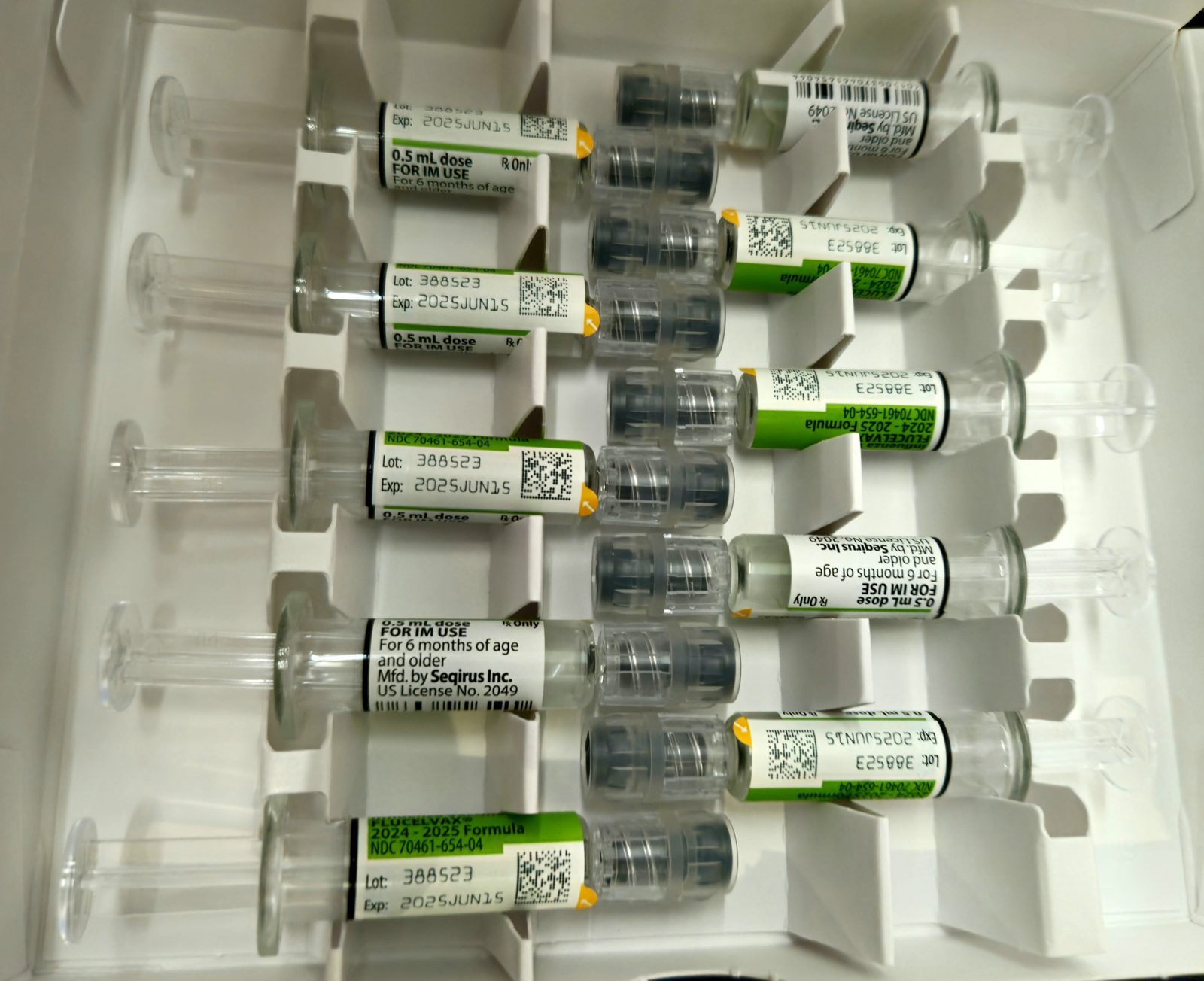
This year brings a new choice. In August, the FDA approved mFLUSIVA. It is the first mRNA flu vaccine.
It is for adults 50 and older.
It works in a new way. Old flu shots use a dead or weak virus. The mRNA shot carries instructions instead.
Those instructions teach immune cells how to fight the flu virus.
The same mRNA tech powered some COVID-19 shots. The flu version is new. Early data shows it may work better than old shots.
In adults 50 and older, the mRNA shot cut flu infection rates by 27 percent. That finding comes from trial data reported by the New York Post.
Side effects were rare. They were about as common as side effects from old shots. Rebecca Choudhury is an infectious disease doctor at Mount Sinai.
She said the mRNA shot may offer somewhat better protection.
Choudhury says adults 50 to 64 have the clearest reason to think about it. That is even more true for people with chronic health conditions. Those conditions raise the risk of a severe flu case.
But the new shot may not be in stock everywhere. Choudhury says a normal shot beats no shot at all. Do not wait for the new one if the old one is on hand.
This year's normal shots target three flu viruses. They are H1N1, H3N2, and influenza B. The shot was adjusted for a H3N2 strain called subclade K.
That strain spread widely last year.
What happens next
The CDC still gives the same core advice. Every person six months and older should get a flu shot each year. The best time is by the end of October.
This year, many health officials say to act now. The early season leaves less room to wait. A shot today still needs weeks to build full protection.
Last year's shot does not count for this year. Protection fades over time. The shot changes each year to match new virus strains.
You need a fresh shot each season.
The CDC says not to get a shot too early. Shots in July or August can lose strength before the season ends. Most flu seasons run into late March or April.
September and October are the sweet spot. October is now, and the window is open. A shot this month can protect you through the peak.
Some groups need their own timing. Young children who need two doses should start early. Babies under six months cannot get the shot.
Their caregivers should get vaccinated instead.
You can get the shot at a pharmacy or a clinic. You can also ask your doctor. Many workplaces and schools offer shots too.

If you feel sick, stay home. Avoid close contact with sick people. Wash your hands often with soap and water.
Cover coughs and sneezes with a tissue. Fresh air helps too.
The flu season will run its course over the next few months. The early start is a warning, not a verdict. A shot now is the simplest step you can take.
Related stories

ADHD linked to fourfold dementia risk in Pitt study of 187,000 adults
Adults with ADHD face four times the risk of dementia, a University of Pittsburgh study of 187,000 adults published in JAMA Psychiatry

Why Do Athletes Get Cramps Despite Drinking Water?
Muscle cramps strike even well-hydrated athletes because sweat drains electrolytes that plain water cannot replace. Here is why water alone

Do bananas actually prevent muscle cramps?
A medium banana has 422 mg of potassium, but the evidence says it cannot stop cramps. Here is what the research shows, and what actually