
Why Do We Get Hiccups and What Actually Stops Them
Key takeaways
- A hiccup is a sudden diaphragm spasm followed by the vocal cords snapping shut.
- Eating fast, fizzy drinks, alcohol, and stress are the most common triggers.
- No remedy works every time, and hiccups past 48 hours deserve a doctor visit.
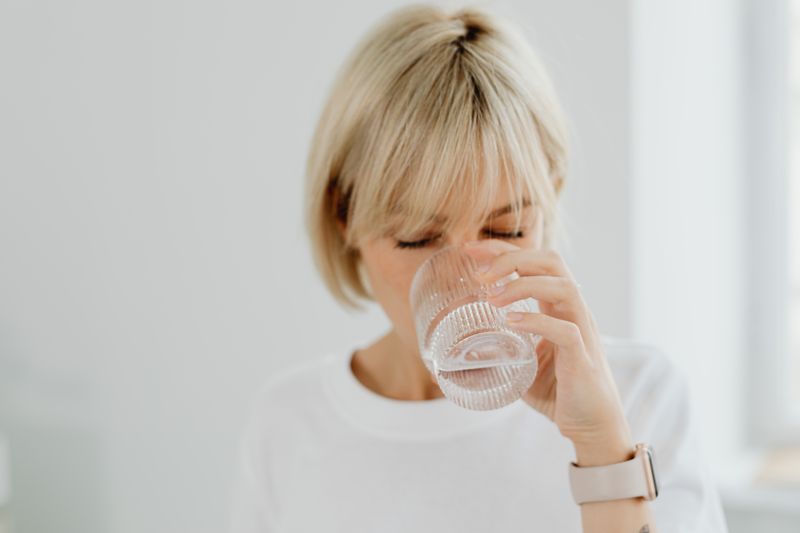
Hiccups are sudden, involuntary spasms of the diaphragm, the large sheet of muscle that sits at the base of your lungs and powers breathing. Each spasm pulls a quick gulp of air inward, and the vocal cords close almost at once. Air rushing over the closing cords makes the familiar "hic" sound.
This article explains why we get hiccups, including what happens during a hiccup, why hiccups start, what actually helps, what lacks proof, and when to see a doctor. Most bouts are harmless and end on their own within minutes. A few last for days, and those need medical attention.
What happens during a hiccup
Breathing depends on the diaphragm. When you breathe in, the muscle contracts and pulls downward, drawing air into the lungs. When you breathe out, it relaxes and lets the air leave.
A hiccup breaks that rhythm. The diaphragm contracts in a sudden spasm, and the larynx, or voice box, tightens at the same time. The glottis, the opening between the vocal cords, closes.
That closure turns the rushed gulp of air into the "hic" sound.
The whole event runs on a reflex arc. The phrenic nerve carries signals between the brain and the diaphragm and helps control breathing. Harvard Health explains that when a sudden bit of nervousness, fright, or shock irritates this nerve, the diaphragm can spasm.
The vagus nerve is part of the same loop. Many remedies work, when they work, by interrupting this arc, either by changing carbon dioxide levels in the blood or by stimulating the vagus nerve.
Hiccups are known medically as singultus. The name sounds serious, but a short bout is one of the most ordinary reflexes the body has. Babies hiccup often, adults hiccup after meals, and almost everyone has had a bout that refused to quit during a quiet meeting.
The reflex itself is not a disease. It becomes a medical question only when it will not stop.
Why hiccups start
Anything that irritates the diaphragm or the nerves feeding it can set off hiccups. Eating too much or too fast tops the list. A full stomach presses against the diaphragm, and fast eating adds swallowed air on top of the pressure.
Fizzy drinks add gas, alcohol irritates the stomach lining, and spicy food can irritate the same region. A sudden change in temperature, such as stepping into cold air or drinking something hot after something cold, can trigger a bout too.
Stress and excitement are real triggers, not folk wisdom. Harvard Health notes that stressful or emotional events can bring on hiccups through the phrenic nerve. A gastroenterologist at Hartford HealthCare, Brisas Truncali, describes the same link in plain terms, saying that stress alters hormone and neurotransmitter levels, which can switch on a nerve pathway that affects the diaphragm.
That brain-gut connection is why hiccups can arrive before a speech or after a scare.
Medicines can cause hiccups as a side effect, and so can acid reflux. Longer bouts have longer lists behind them. Persistent hiccups lasting more than 48 hours can signal nerve irritation or damage, central nervous system disorders, or metabolic problems such as diabetes or kidney failure.
Those cases are rare, but they are the reason a 48-hour bout should never be waved away. Dizziness on standing has its own reflex story, and the same rule applies: a brief symptom is ordinary, a lasting one deserves a check.
What actually helps
Honesty first: there is no surefire cure. Truncali says there is no surefire way to stop hiccups, though several simple at-home remedies are worth trying. Tyler Cymet, who leads medical education at the American Association of Colleges of Osteopathic Medicine, spent five years studying 54 hiccuping hospital patients and found no foolproof way to cure hiccups either.
That finding sets the right expectation. Remedies raise your chances, they do not guarantee a result.
Holding your breath is the most common method. Take a deep breath and hold it for five to 10 seconds. The buildup of carbon dioxide in the blood may calm the diaphragm.
A related method is the Valsalva maneuver: pinch your nose, close your mouth, and pretend to blow up a balloon. Both methods raise pressure in the chest and change the breathing rhythm, which can break the spasm cycle.
Cold water helps some people. Sip very cold water slowly, or gargle with it. The cold and the swallowing both stimulate nerves in the throat, which can reset the reflex.
Biting into a lemon works on the same principle, delivering a sharp sensory jolt. Swallowing a teaspoon of dry sugar is an old remedy that stimulates the vagus nerve, and some people find it works when breath-holding does not.
Posture can help too. While seated, pull your knees up to your chest and hold for 30 seconds to a minute. The position compresses the diaphragm, which can interrupt the spasm.
Breathing into a paper bag raises carbon dioxide levels, which tends to slow the contractions. Never use a plastic bag for this, since it can block breathing. If one method fails, try another.
The reflex responds differently from person to person, and the remedy that worked last time may not work this time.

What does not have proof
Hiccup folklore is endless: drinking water backward, getting a sudden scare, having someone press on your eyeballs, or hanging upside down. Some of these may work by accident, since any strong distraction or breathing change can interrupt a spasm. None of them has solid scientific proof behind it.
IFLScience notes that there is no solid scientific proof that scare tactics or drinking water backward work, though a remedy that works for you is still worth keeping.
The scare method deserves a special warning. A sudden fright can trigger hiccups in the first place, so using one to cure them is a gamble. Eyeball pressure is worse, since pressing on the eyes can injure them.
Stick to the low-risk methods: breath-holding, cold water, posture, and sugar. They cost nothing, they cannot hurt you, and they have the best mechanistic case behind them.
It also helps to stop the triggers while the bout lasts. Pause eating, put the fizzy drink down, and avoid gulping air. A bout that keeps restarting may be restarting because the trigger is still there.
Give the diaphragm a few quiet minutes, and many bouts fade on their own without any remedy at all.
When to see a doctor
Most hiccups end within minutes or hours. See a doctor if a bout lasts more than 48 hours, keeps coming back, or interferes with eating, drinking, sleeping, or breathing. Those patterns can point to an underlying condition that needs treatment.
A doctor will ask about recent illnesses, medicines, and injuries, and may order tests to check the nerves, the stomach, or blood chemistry.
Seek care sooner if hiccups arrive with other symptoms. Chest pain, trouble breathing, vomiting, severe headache, or weakness on one side of the body are all reasons to get help promptly. These combinations are uncommon, but they change the picture from nuisance to emergency.
A cold and the flu can look alike at first, and hiccups are similar: the symptom alone rarely tells you the cause, so the pattern and the company it keeps matter more.
For a bout that lasts days, doctors have prescription options that act on the nerves driving the reflex. Those treatments belong to a clinician, not to home experimentation. The home remedies in this article are for short, ordinary bouts.
They are not a substitute for care when hiccups persist.

Frequently asked questions
Why do babies hiccup so much?
Babies hiccup often because their reflexes are still maturing and their stomachs fill fast. Feeding, swallowing air, and sudden temperature changes are common triggers. Infant hiccups are normal and usually stop on their own.
A pediatrician can advise if they interfere with feeding.
Can hiccups be a sign of something serious?
Short bouts are almost never serious. Hiccups lasting more than 48 hours, or bouts that keep returning, can signal nerve irritation, reflux, a central nervous system disorder, or a metabolic problem. That is the threshold where a doctor visit makes sense.
Does holding your breath really work?
It works for some people, some of the time. The rising carbon dioxide level and the change in chest pressure can interrupt the spasm cycle. There is no guarantee, and researchers have found no method that works every time.
It is still the first remedy worth trying because it is free and safe.
Is breathing into a paper bag safe?
Briefly, yes, for healthy adults. The bag raises the carbon dioxide you breathe back in, which can calm the diaphragm. Use a paper bag only, never plastic, and stop if you feel dizzy or short of breath.
Trouble falling asleep has its own breathing angle, and the same caution applies: never push a breathing trick past discomfort.
Outlook
Hiccups are a reflex, not a failure. A spasm in the diaphragm and a snap of the vocal cords produce the sound, and the usual triggers are a full stomach, fizzy drinks, alcohol, spice, or stress. Breath-holding, cold water, posture changes, and sugar are the remedies with the best case behind them.
None works every time. Give a short bout a few quiet minutes, try one or two methods, and see a doctor if the bout passes 48 hours or keeps coming back.
This article is for general information, not medical advice.
Tags: hiccups, diaphragm, breathing, health explainer
Latest in Health
- Why You Feel Dizzy When You Stand Up Fast
- The Difference Between a Cold and the Flu
- What Happens in Your Brain When You Cannot Fall Asleep
Subscribe to the Rive News newsletter for one practical explainer every week.
Related stories

ADHD linked to fourfold dementia risk in Pitt study of 187,000 adults
Adults with ADHD face four times the risk of dementia, a University of Pittsburgh study of 187,000 adults published in JAMA Psychiatry

Why Do Athletes Get Cramps Despite Drinking Water?
Muscle cramps strike even well-hydrated athletes because sweat drains electrolytes that plain water cannot replace. Here is why water alone

Do bananas actually prevent muscle cramps?
A medium banana has 422 mg of potassium, but the evidence says it cannot stop cramps. Here is what the research shows, and what actually