
Why Muscles Cramp After Swimming: Cold Water, Fatigue, and Electrolytes
Key takeaways
- A cramp is a sudden, involuntary muscle contraction, and swimming combines its main triggers: cold water, fatigue, and hidden fluid loss.
- Cold water makes muscles tense to generate heat, while swimmers sweat without noticing and lose electrolytes.
- Research points to muscle fatigue disrupting nerve control as a major driver, and stretching the cramped muscle is the fastest relief.
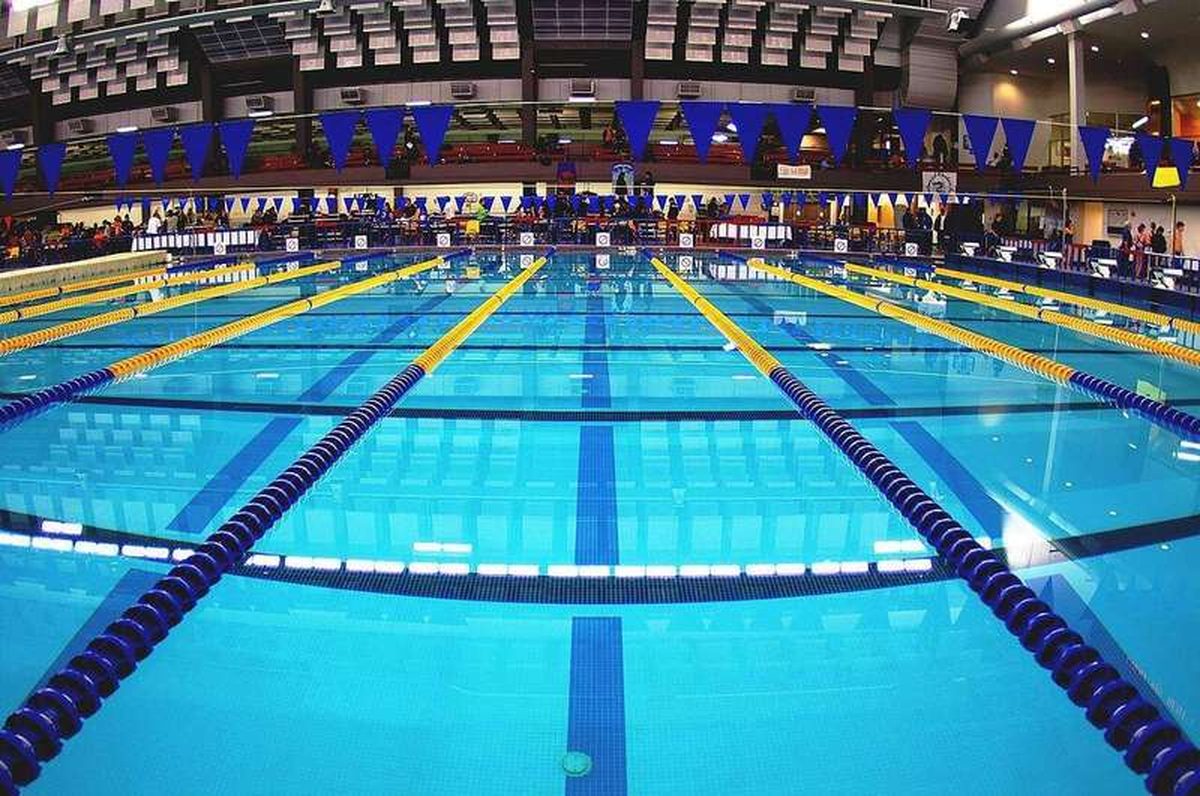
A muscle cramp is a sudden, involuntary squeeze of one or more muscles into a painful knot, sometimes called a charley horse. Swimmers know the feeling well: the calf seizes mid-length, or the foot locks up on the push off the wall. Swimming should feel gentle on the body, but it mixes several of cramping's main triggers at once.
This article explains what a muscle cramp is, why swimming is such cramp-friendly territory, what cold water does to muscles, what fatigue research says about the cause, what to do when a cramp hits, and how to lower the risk next time.
What a muscle cramp is
Mayo Clinic Press describes a cramp plainly: "a muscle spasm, a sudden, involuntary contraction of one or more muscles into a painful knot." Overuse or strain of a muscle, lack of water in the body, or simply holding one position for a long time may result in one. In many cases, the exact cause is not known.
The cramp happens when the muscle's normal on-off control misfires and the squeeze locks in. It usually releases within seconds to minutes, sometimes leaving the muscle tender afterward. Almost everyone gets one at some point, and athletes who get tired and low on fluids during sports complain of them often, according to Mayo Clinic Press.
Why swimming is prime cramp territory
Swimming stacks the risk factors. The kicking motion keeps the calf and foot muscles in a shortened, pointed position for long stretches, which is exactly the position cramps favor. The muscles work nonstop against water resistance with no real rest between strokes.
Then there is the hidden sweat problem. Swimmers are more likely to get dehydrated than other athletes realize, because the sport happens in water and sweat is not noticeable. A3 Performance's guide to swimming cramps notes that it is difficult for a swimmer to judge how much they are actually sweating, so fluid and salt-mineral losses go unreplaced.
Mayo Clinic lists fluid loss and mineral loss among the causes: too little potassium, calcium, or magnesium in the diet can contribute to cramps. Cleveland Clinic adds a detail from its heat cramps page: when you sweat heavily and then drink lots of plain water quickly, you add water back but thin out the remaining minerals (electrolytes, the salts that help muscles work), which can make muscles tighten and cramp.
Cold water and tense muscles
Cold water is its own trigger. The body's natural response to cold is to tighten muscles to make heat, which can lead to fatigue and cramping, as one swimming-focused review of cramp causes explains. Colder pools carry more risk than warm ones, and open water such as lakes is colder still.
The danger moment is the sudden change. A3 Performance warns that jumping straight into a hard swim without letting the body adjust to the temperature puts swimmers at risk for cramping. The muscles tense against the cold, blood vessels narrow, and the tissue starts the session already closer to the cramp point.
This is also why a poor warm-up matters. Cold, tight muscles cramp more easily, and a few minutes of easy swimming lets blood reach the working muscles before the hard effort begins.
The fatigue theory
For years, fluid loss and minerals got all the blame. Sports medicine research has pushed back. In 2009, researcher Martin Schwellnus proposed in the British Journal of Sports Medicine that exercise cramps come from messed-up nerve control of muscles: muscle fatigue ramps up the "go" signals from muscle sensors while lowering the "stop" signals from tendon sensors, leaving the nerve cells firing in a lasting, abnormal way.
The evidence gathered over the years was striking. In a 2011 study of 210 Ironman triathletes, Schwellnus and colleagues found that athletes who cramped were not more dehydrated and did not have different post-race sodium levels than those who did not. What set the crampers apart was faster racing speeds and a past history of cramping, pointing at fatigue rather than fluid loss.
A 2022 evidence-based review in the Journal of Athletic Training added that when volunteers were experimentally dehydrated to 6% of body weight, a level almost no athlete reaches, their muscle resting electric charge did not change. If whole-body dehydration were the main cause, random muscles would cramp, but they do not: the working muscles cramp, specifically the ones squeezing in shortened positions.
The practical takeaway is not that hydration is irrelevant. It is that managing fatigue matters as much: pacing, conditioning, and not jumping into effort the muscles are not ready for.
What to do when a cramp hits
Stop swimming and stretch the cramped muscle. For a calf cramp, bend the foot toward the shin to lengthen the calf. For a foot cramp, pull the toes back gently toward the ankle.
Stay calm and stay afloat. Float on your back or hold the pool edge or lane rope while you stretch, and avoid panicking, which tightens everything further.
Gently rubbing the area can help release the knot. Do not try to power through it; swimming hard on a cramping muscle risks turning a small spasm into a strain or a truly dangerous situation far from the wall.
How to lower the risk next swim
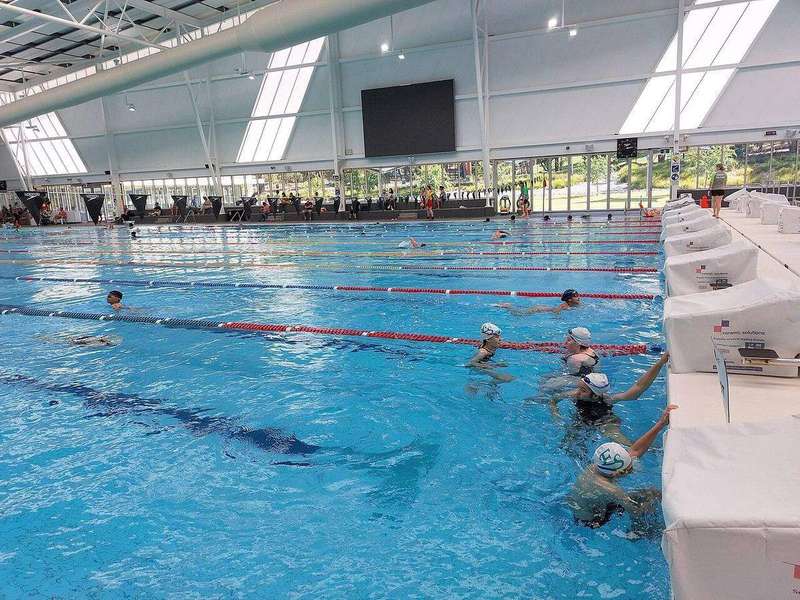
A few habits cover most of the causes. Hydrate before you swim, and consider a sports drink with minerals for long or intense sessions rather than plain water alone, since sodium, potassium, and magnesium all play roles in muscle function.
Warm up properly. A few minutes of easy swimming and some dynamic stretching of the calves, hamstrings, and feet prepare the muscles and improve blood flow before the hard sets. Ease into cold water instead of sprinting from the first length.
Pace yourself. Overdoing it is one of the most consistent cramp predictors in the research, and cramps cluster toward the end of races and hard sessions. Finish your main set before your muscles are exhausted, and stretch again after you get out.
Frequently asked questions
Why do my calves cramp when I swim?
The flutter kick holds the calf in a shortened, pointed position for long periods, which is the position cramps favor. Cold water, fatigue, and unnoticed sweat loss add to the risk.
Does dehydration cause swimming cramps?
It can contribute, but research suggests it is not the whole story. In studies of endurance athletes, cramping tracked more closely with fatigue and past cramp history than with dehydration or sodium levels.
Is it dangerous to cramp while swimming?
A cramp in deep or open water can be dangerous if it causes panic. Stop, float, and stretch the muscle. Never swim alone in open water if cramps are a recurring problem for you.
Should I eat a banana before swimming?
Potassium, magnesium, and calcium all support normal muscle function, so a balanced diet helps. But no single food prevents cramps, and heavy meals right before swimming are best avoided.
Outlook
Most swimming cramps are harmless and release with stretching within minutes. They tend to become less frequent as fitness improves and pacing gets smarter.
It's a good idea to see a doctor if your cramps cause severe discomfort, happen often, don't improve with self-care, come with muscle weakness or swelling, or aren't linked to an obvious cause like hard exercise, which mirrors Mayo Clinic's guidance on when to seek care. This article is for general information only and is not medical advice.
Tags: muscle cramps, swimming, electrolytes, exercise, cold water, health explainer
Rive News is a research desk producing verified explainers on science, money, and technology.
Related stories
- Why Hot Water Can Freeze Faster Than Cold: The Mpemba Effect Explained
- Can You Use an eSIM and a Physical SIM at the Same Time?
- How Buy Now, Pay Later Makes Money Without Charging You Interest
Subscribe to the Rive News newsletter for one clear, verified explainer every week.
Rive News follows a verification-first standard: every statistic above traces to a cited public source.
Related stories

ADHD linked to fourfold dementia risk in Pitt study of 187,000 adults
Adults with ADHD face four times the risk of dementia, a University of Pittsburgh study of 187,000 adults published in JAMA Psychiatry

Why Do Athletes Get Cramps Despite Drinking Water?
Muscle cramps strike even well-hydrated athletes because sweat drains electrolytes that plain water cannot replace. Here is why water alone

Do bananas actually prevent muscle cramps?
A medium banana has 422 mg of potassium, but the evidence says it cannot stop cramps. Here is what the research shows, and what actually