
Why Does Your Nose Run When You Eat Spicy Food?
Key takeaways
- A runny nose after spicy food is usually gustatory rhinitis, a nerve reflex, not an allergy.
- Capsaicin triggers heat-sensing TRPV1 receptors, and the nose answers with extra mucus.
- The drip fades after the meal, but wheezing, swelling, or throat tightness need prompt medical care.

One bite of curry, and your nose starts to drip. You are not catching a cold, and you are probably not allergic to anything. Your nose is reacting to a false alarm from your nerves.
This article explains why your nose runs when you eat spicy food, including the nerve reflex behind it, the foods that trigger it, how to manage it, and the warning signs that point to something else.
What gustatory rhinitis means
Doctors call this reaction gustatory rhinitis. The Cleveland Clinic describes it as a type of non-allergic rhinitis, which means it is not caused by allergies and will not lead to anaphylaxis. Symptoms arrive during or right after eating spicy foods.
They include a runny nose, congestion, nasal swelling, sneezing, watery eyes, postnasal drip, and a cough if mucus drips down the back of the throat.
Banner Health uses the same framing. A runny nose while eating is usually caused by gustatory rhinitis, a non-allergic form of rhinitis. The plain translation is simple: your nose runs when you eat certain foods.
The key point is what gustatory rhinitis is not. It is not an infection. It is not an immune reaction.
It is a reflex, and it usually settles soon after you stop eating.
How capsaicin tricks your nerves
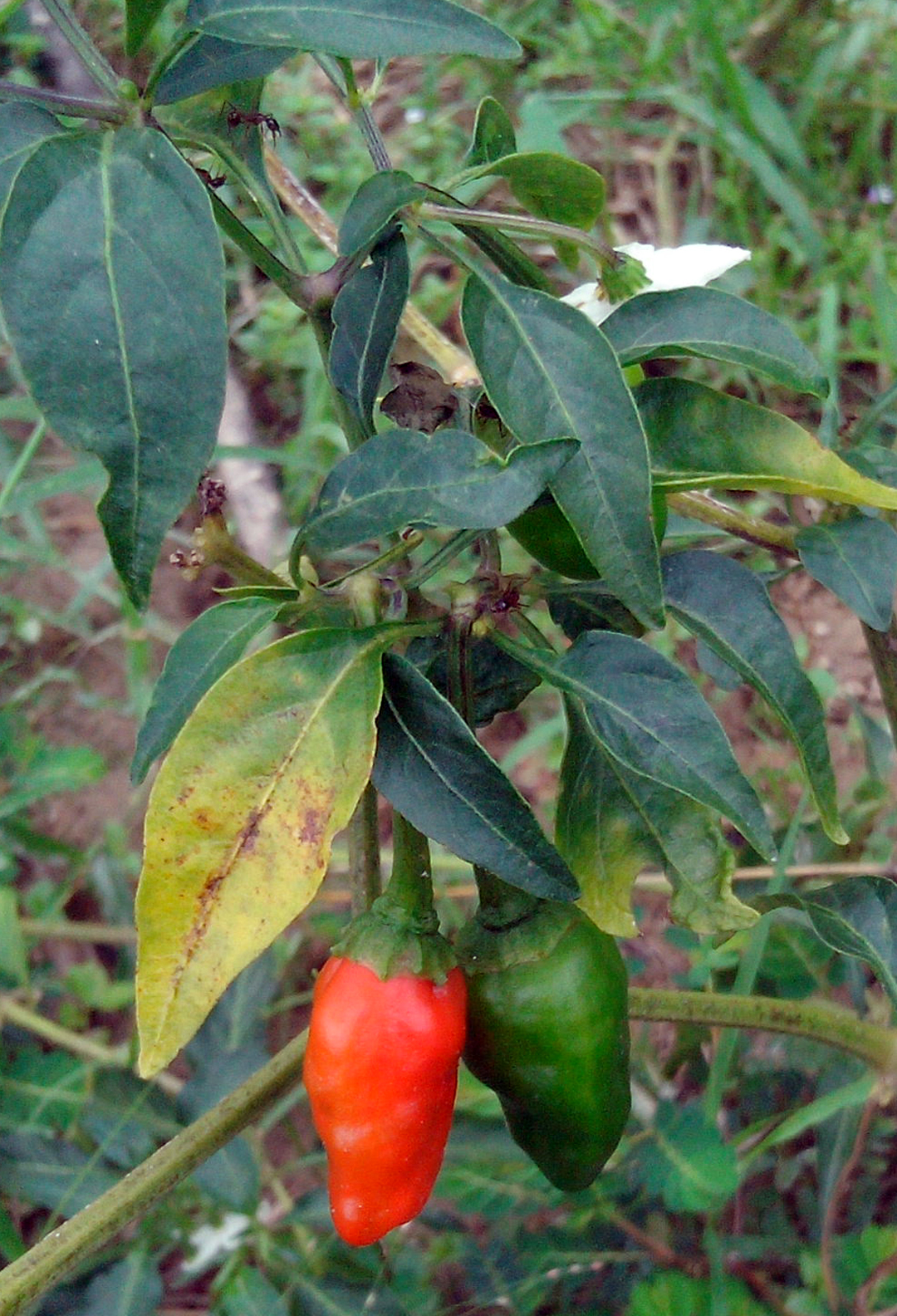
The main trigger is capsaicin, the chemical that makes chili peppers taste spicy. Doctor Rohit Udaya Prasad, Lead and Senior Consultant for ENT and Cochlear Implants at KIMS Hospitals in Bengaluru, told OnlyMyHealth that capsaicin "triggers nerve receptors in the nose and mouth called TRPV1 receptors."
TRPV1 receptors normally detect heat. When capsaicin binds to them, your body reacts as though it has touched something hot, even though no real heat is involved. Doctor Rohit told OnlyMyHealth that capsaicin "tricks the body into reacting as if it is encountering something hot, which stimulates mucus production and nasal discharge as a natural response.
"
The Cleveland Clinic traces the same chain one step further. Heat or spices activate the trigeminal nerve in the mucous membranes of the nose. That makes the nose produce mucus, and it dilates blood vessels in the nose, causing swelling and congestion.
Capsaicin makes the body react the same way it would to heat, since blood vessels dilate to release heat when you are hot.
Doctor Garrett Urban, a family medicine physician with Banner Health, put it in practical terms. "Eating certain foods can stimulate the nerves in your mouth and throat," he said. "These nerves signal to your nose to start producing more mucus to flush out what it thinks are irritants, which then causes the nose to run.
" He added that spicy foods activate the same receptors that high temperatures do, and that the nose runs because the body is trying to protect the mucous membranes from what it thinks are high temperatures.
Which foods trigger it
Chili peppers are the classic trigger, but they are far from the only one. The Cleveland Clinic lists chili peppers, heated foods like soup, horseradish, hot sauce, onion, spices like cayenne, ginger, chili powder or curry, spicy mustard, and vinegar. Hot-temperature foods alone can set off the reflex, since heat itself stimulates the nasal lining.
Doctor Rohit gave a similar list to OnlyMyHealth, with one extra detail. Hot mustard, horseradish, and wasabi trigger the same reflex through a related compound called allyl isothiocyanate. Black pepper can trigger it in some people, and very hot beverages like soups or teas can trigger it through temperature alone.
The pattern matters more than any single ingredient. A hot, spicy, strongly flavoured dish combines heat, capsaicin, and aroma, which is why a curry or a plate of hot wings triggers a stronger reaction than a mild dish.
If you track your triggers, note the combination, not just the spice.
Why some people react more than others
Sensitivity varies. Some people notice a drip after a small amount of spice. Others eat hot food daily and barely react.
OnlyMyHealth notes that some people have more sensitive TRPV1 receptors than others, and that regular spicy eaters may build up tolerance over time.
Age and nasal health play a role too. Banner Health notes that people more prone to a runny nose when eating spicy food or drinking hot beverages include older adults, people with chronic sinusitis or nasal polyps, and people on certain medications. A nose that already overreacts to smoke, perfume, or weather shifts may overreact at mealtimes as well.
In most people, the Cleveland Clinic says, doctors do not know why these nerves become sensitive to spicy food. The sensitivity is idiopathic, which means it has no identified cause. In a smaller group, gustatory rhinitis starts after a head injury or surgery damaged the nerve.
It can also appear as a complication of leprosy, known as Hansen's disease.
How to manage a runny nose at mealtimes
There is no food that stops the reflex once it starts. Doctor Rohit told OnlyMyHealth that no specific food reliably stops it once triggered, since it is a nerve reflex rather than something another food can counteract. Management is about reducing the trigger and riding out the drip.
Banner Health suggests a practical set of steps. Learn your triggers by watching which foods cause symptoms. Cut back on spicy foods or try milder versions.
Eat slowly, since taking your time can reduce the severity. Avoid eating in places that are too hot or cold, since extreme temperatures can make a nose run. Stay hydrated, since water helps thin mucus.
Doctor Rohit offered similar advice: cut back on the amount of chili or spice in meals, eat spicy food more slowly, keep tissues handy rather than trying to suppress the reflex, and stay well hydrated. OnlyMyHealth adds that sipping warm water or herbal tea slowly, taking smaller bites, and blowing the nose gently can take the edge off.
Medicines exist for people who find the reaction disruptive. Banner Health notes that over-the-counter and prescription nasal sprays can help treat and prevent a runny nose while eating. Doctor Urban said that nasal sprays containing steroids such as fluticasone or budesonide help decrease inflammation in the nasal passages.
Sprays containing oxymetazoline can dry up the nasal passages, but should not be used more than three days in a row. Talk to a clinician before starting a spray, especially if you use other medicines or have nasal polyps.
When a runny nose needs a closer look
Most of the time, a spicy-food runny nose is an annoyance, not a danger. Banner Health says it is usually more of an annoyance than a serious health issue, but advises seeing a provider if the condition worsens or if eating and drinking become difficult.
Doctor Rohit listed the warning signs to watch for. A runny nose that carries on well beyond the meal and never settles needs attention. Facial pain, pressure, or thick, discoloured discharge could point to sinus involvement.
Nasal symptoms that turn up often, even without spicy food, might suggest an underlying condition such as chronic rhinitis that is worth having checked separately.
One warning sign matters most. Wheezing, throat tightness, or swelling could indicate a true food allergy rather than a nerve response, and Doctor Rohit warns that this "needs prompt medical attention. " A true allergy can involve the immune system and the airways.
A nerve reflex does not. If you notice breathing trouble, swelling, or throat tightness after eating, get medical help right away.
It also helps to know how doctors confirm the picture. The Cleveland Clinic says providers diagnose gustatory rhinitis by asking about symptoms and triggers, and may run skin or blood tests to rule out allergies and other conditions that cause the same symptoms. A study cited by OnlyMyHealth, published in the journal Rhinology, found that gustatory rhinitis can affect one nostril or both, usually starts within a few minutes of eating, and comes without the itching, sneezing, blocked nose, or facial pain of a cold.
FAQ
Is a runny nose after spicy food an allergy?
No. Gustatory rhinitis is a non-allergic rhinitis, according to the Cleveland Clinic. It involves a nerve reflex, not the immune system, and it will not lead to anaphylaxis.
A true food allergy brings different symptoms, such as hives, swelling, or breathing trouble.
Can hot food without spice cause the same reaction?
Yes. The Cleveland Clinic lists heated foods like soup among the triggers. Heat alone can stimulate the nasal lining.
That is why a steaming bowl of soup can make a nose run even with no chili in it.
Does everyone react to spicy food the same way?
No. Sensitivity to TRPV1 signals varies, and regular spicy eaters may build tolerance. Older adults and people with chronic sinusitis or nasal polyps may react more.
In most people, doctors do not know why the nerves are sensitive.
Will the drip stop on its own?
Usually, yes. The reaction fades soon after you stop eating. Doctor Rohit described it as a normal, harmless physiological response that typically clears up soon after eating stops.
If it carries on well beyond the meal, get it checked.
Outlook
A runny nose after spicy food is your nervous system doing its job a little too well. Capsaicin trips a heat sensor, the trigeminal nerve passes the alarm along, and the nose flushes out an irritant that was never really there. Keep tissues handy, eat at a slower pace, and trim the heat if the drip bothers you.
Get prompt care if you notice wheezing, swelling, or throat tightness, since those signs point to a true allergy rather than a reflex.
This article is for general information, not medical advice.
Tags: health, nose, spicy food, allergies
Latest in Health
- Why you get a runny nose in cold weather
- Why do we get motion sickness in cars but not always in trains?
- Why do you feel tired after eating a big meal?
- Can stress give you a headache?
Subscribe for one practical health explainer in your inbox each week.
Related stories

ADHD linked to fourfold dementia risk in Pitt study of 187,000 adults
Adults with ADHD face four times the risk of dementia, a University of Pittsburgh study of 187,000 adults published in JAMA Psychiatry

Why Do Athletes Get Cramps Despite Drinking Water?
Muscle cramps strike even well-hydrated athletes because sweat drains electrolytes that plain water cannot replace. Here is why water alone

Do bananas actually prevent muscle cramps?
A medium banana has 422 mg of potassium, but the evidence says it cannot stop cramps. Here is what the research shows, and what actually