
Why Pregnant Women Get Leg Cramps in the Third Trimester
Key takeaways
- About two thirds of women get leg cramps in the third trimester, most often in the calf muscles at night.
- Researchers point to a mix of causes: pressure on blood vessels and nerves, mineral shifts, extra fluid needs, and pregnancy hormones.
- Experts do not fully agree on one single cause, and cramps typically stop after delivery.
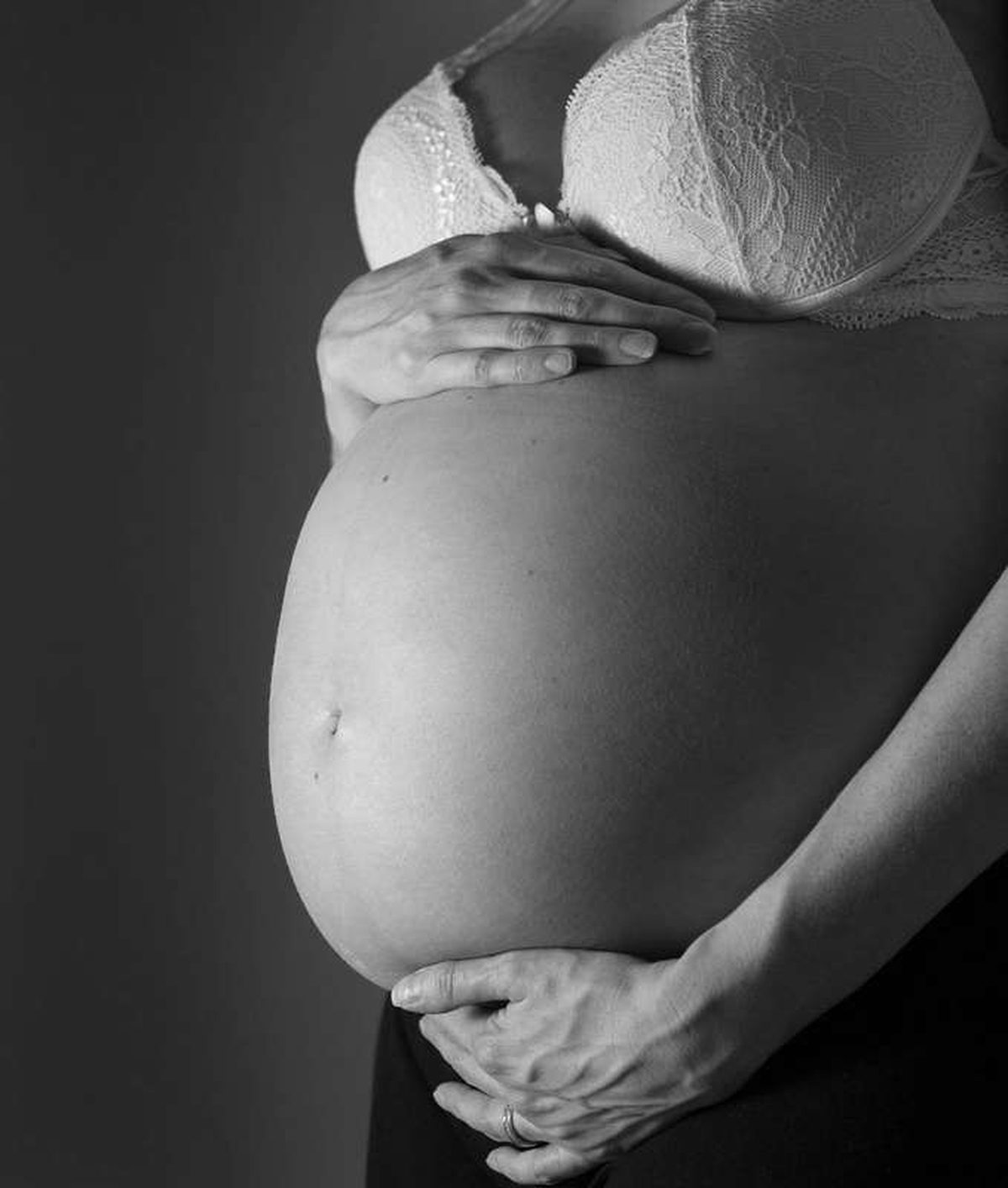
A woman in the third trimester of pregnancy. Leg cramps peak in these final months as the body's demands are highest. Photograph: PetarM/Wikimedia Commons
Image Credits: Wikimedia Commons
A leg cramp is a sudden, involuntary tightening of a muscle that can range from a dull ache to a sharp pain that stops you mid-step. During pregnancy, these cramps most often strike the calf muscle, just below the knee at the back of the leg, and they have a habit of arriving at night.
They are very common. Roughly 30 to 50 percent of pregnant women get leg cramps, according to clinical summaries, and one study cited by BabyCentre found that about two thirds of women have them in the third trimester specifically.
This article explains what a pregnancy leg cramp is, including why the third trimester is the peak, the main body explanations researchers point to, and when to talk to your doctor.
Medical disclaimer: This article is for general information only and is not medical advice. It does not recommend any treatment or supplement. If you are pregnant and concerned about cramps or any symptom, speak with your own doctor or midwife.
What a pregnancy leg cramp is
A cramp is a muscle squeezing hard and refusing to let go. In pregnancy, the episode usually lasts anywhere from a few seconds to about 10 minutes, according to guidance from the UK's National Institute for Health and Care Excellence (NICE), cited by BabyCentre.
The calf is the usual target, though the smaller muscles of the feet can cramp too. Many women first notice the problem around the middle of pregnancy, when cramps start waking them at night, and the frequency climbs from there. After delivery, the cramps typically disappear, BabyCentre notes.
One reassuring finding from the medical literature: while experts are not sure of the exact cause, guidance from NICE and the UK's National Health Service indicates these cramps do not cause lasting damage to the muscles.
Why the third trimester is the peak
Almost every explanation for pregnancy leg cramps gets stronger as pregnancy progresses, which is why the third trimester is the worst of it.
The simplest factor is physical pressure. By the third trimester, the uterus is at its largest and heaviest, pressing on the blood vessels and nerves that serve the legs. South Lake OBGYN, an obstetrics practice, describes this directly: as the uterus grows, it places greater pressure on pelvic blood vessels, and that pressure can produce cramps in the legs, especially at rest.
Weight plays a parallel role. Carrying the extra weight of late pregnancy strains the leg muscles themselves, shortening and tightening them, so that when the woman rests or lies down at night, the muscle seizes. Add the ordinary fatigue of the third trimester, when simply standing for long stretches tires the legs, and the muscles are primed to cramp.
Then there is circulation. Blood volume rises by nearly 50 percent during pregnancy to supply the baby, according to clinical summaries compiled by Cramp.info.
That extra volume strains the veins, blood pools more easily in the lower legs, and the growing uterus can squeeze the inferior vena cava, the large vein carrying blood back from the lower body, which is especially noticeable when lying down.
The main explanations researchers point to
No single cause has been proven. Researchers describe a mix of factors, each backed by some evidence.
Pressure on vessels and nerves. This is the most physical explanation. The growing uterus squeezes pelvic blood vessels, slowing the return of blood from the legs. Poor circulation in the legs means muscles get less of what they need and cramp more readily, especially at night when circulation naturally slows.
Mineral shifts. Pregnancy raises the body's need for minerals that control muscle squeeze and release, especially magnesium, calcium, and potassium. When levels run low, muscles become more prone to spasms. Healthline's review of the evidence notes that low calcium or magnesium may contribute to cramps, and that iron supplements in prenatal vitamins can block the absorption of other minerals.
But the evidence here is genuinely mixed. A 2015 review of studies covering 390 pregnant women found that taking magnesium or calcium supplements made little to no difference to cramp frequency, Healthline reports. That finding is a useful reminder that a plausible cause is not the same as a proven one.
Fluid and mineral-salt balance. Pregnancy raises fluid needs a lot. Even mild dehydration can upset the mineral-salt balance (electrolytes, the salts that help muscles work) that muscles depend on, making cramps more likely. Dark yellow urine is a commonly cited sign of not drinking enough, and the risk rises in warm climates or with physical activity.
Hormonal changes. Progesterone, the hormone that keeps the pregnancy going, also relaxes blood vessels, which can worsen the poor leg circulation described above. Hormones also soften ligaments and tissues throughout the body, changing how muscles and joints carry load in ways that can contribute to cramping.
Nerve pressure. Beyond blood vessels, the baby's head can press on specific nerves in the pelvis late in pregnancy, which some obstetricians cite as an additional trigger for leg cramps.
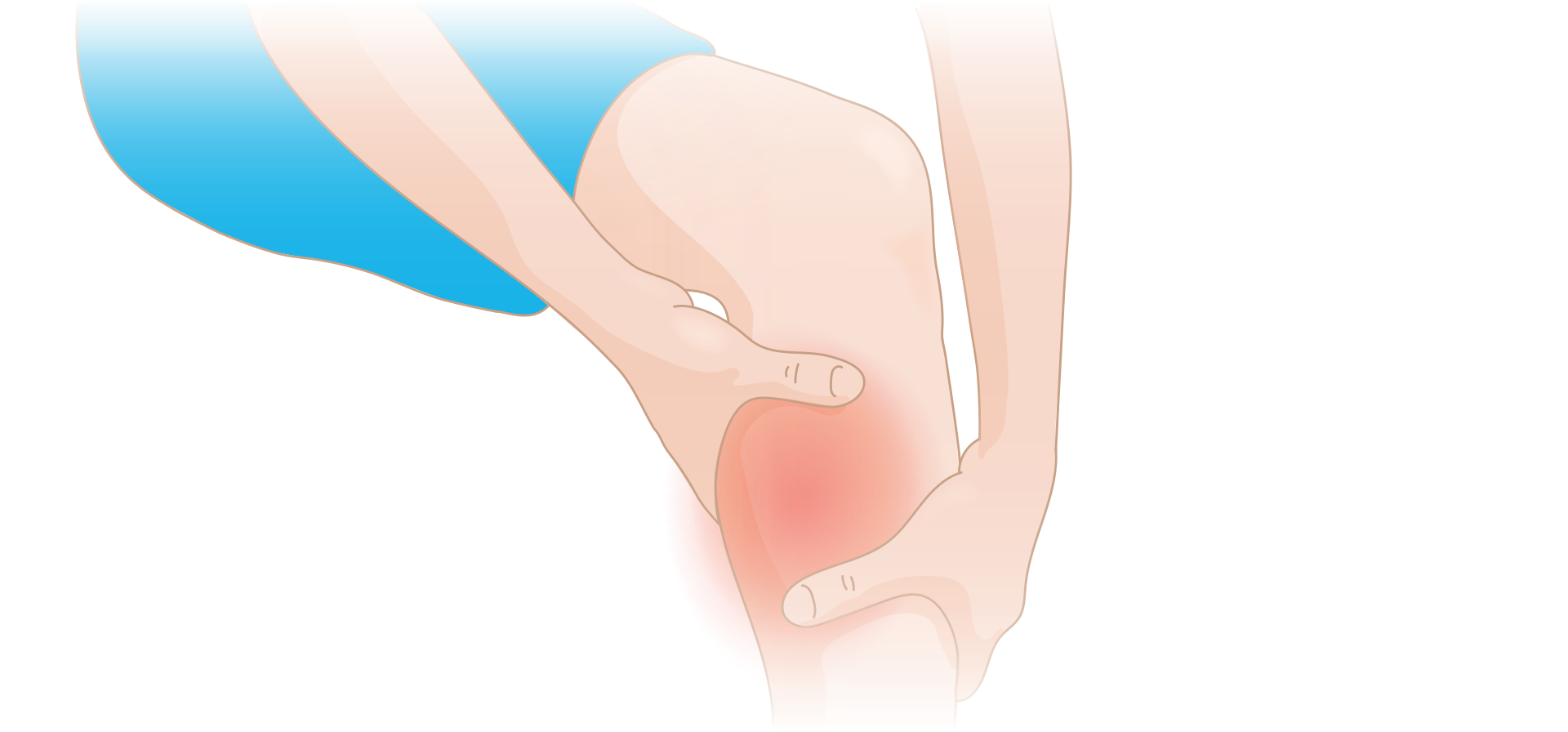
An illustration showing where calf cramps strike: the muscle just below the knee at the back of the leg. Photograph: ReneeWrites/Wikimedia Commons
Image Credits: Wikimedia Commons
When to talk to your doctor
Leg cramps in the third trimester are usually a normal, if miserable, part of pregnancy. But "usually" is doing real work in that sentence, and it is worth knowing where the line sits.
Anything your own provider has not seen before deserves a mention at your next appointment: cramps that are severe, frequent enough to disturb sleep night after night, or different from what you have had so far. Ongoing cramps can also be worth checking to rule out other conditions, and some clinics check magnesium, calcium, and vitamin D levels when cramps are a recurring complaint.
This article deliberately does not suggest stretches, supplements, or home remedies. What is safe and appropriate varies from one pregnancy to another, and that judgment belongs to the clinician who knows your history.
Pregnancy significantly increases fluid needs, and even mild dehydration can disturb the mineral-salt balance muscles rely on. Photograph: Tysto/Wikimedia Commons
Image Credits: Wikimedia Commons
Outlook
For most women, third-trimester leg cramps are a temporary cost of a body doing extraordinary work. They peak when the physical demands of pregnancy are greatest and, in the usual course of things, they leave when the baby arrives.
The science is honest about what it does not know: experts have several good explanations and no single proven cause. What is well established is the pattern itself. It is common, it concentrates in the final months, it favors the calves at night, and it ends.
It's a good idea to see your doctor or midwife if cramps are severe, unusually frequent, or worrying you in any way. They can evaluate your specific situation and advise on what is appropriate for your pregnancy.
Frequently asked questions
Are leg cramps in the third trimester normal?
Yes. About two thirds of women get them in the third trimester, according to research cited by BabyCentre. They are considered a common symptom of late pregnancy, though anything severe or unusual is worth mentioning to your provider.
Why do the cramps mostly happen at night?
Several of the suspected causes come together at night: circulation slows during rest, the uterus presses on pelvic blood vessels and the large vein carrying blood back from the legs when lying down, and tired muscles seize when they finally relax.
Do the cramps harm the baby or the muscles?
According to UK clinical guidance from NICE and the NHS, cited by BabyCentre, pregnancy leg cramps do not cause lasting damage to the muscles. They are a maternal symptom, not a threat to the baby, but discuss any concern with your provider.
Will the cramps stop after delivery?
In most cases, yes. The physical and hormonal drivers, the uterine pressure, the extra blood volume, the mineral demands, all resolve after birth, and the cramps typically stop with them.
---
Rive News is the research desk behind these explainers. We verify every claim against public sources before publishing.
Related stories
- How Vaccines Train the Immune System: Antibodies and Memory Cells
- Jet Lag: The Best Way to Recover Flying East vs. West
- Why Is Your eSIM Not Working Abroad? How to Fix It
Get one practical explainer in your inbox every morning. Subscribe to the Rive News newsletter.
Rive News follows a public corrections policy. If you spot an error, tell us and we will fix it visibly.
Related stories

ADHD linked to fourfold dementia risk in Pitt study of 187,000 adults
Adults with ADHD face four times the risk of dementia, a University of Pittsburgh study of 187,000 adults published in JAMA Psychiatry

Why Do Athletes Get Cramps Despite Drinking Water?
Muscle cramps strike even well-hydrated athletes because sweat drains electrolytes that plain water cannot replace. Here is why water alone

Do bananas actually prevent muscle cramps?
A medium banana has 422 mg of potassium, but the evidence says it cannot stop cramps. Here is what the research shows, and what actually