
Why you sometimes sneeze several times in a row
By Rive News / Research desk | Rive News / Published October 28, 2026 at 9:00 AM PKT
Key takeaways
- A single sneeze often fails to dislodge an irritant, so the reflex repeats until the nose is clear or the trigger fades.
- Bright light triggers short bursts in 18 to 35% of people through a crossed signal between the optic and trigeminal nerves.
- Allergies and colds cause longer chains because the irritation inside the nose does not go away after one sneeze.
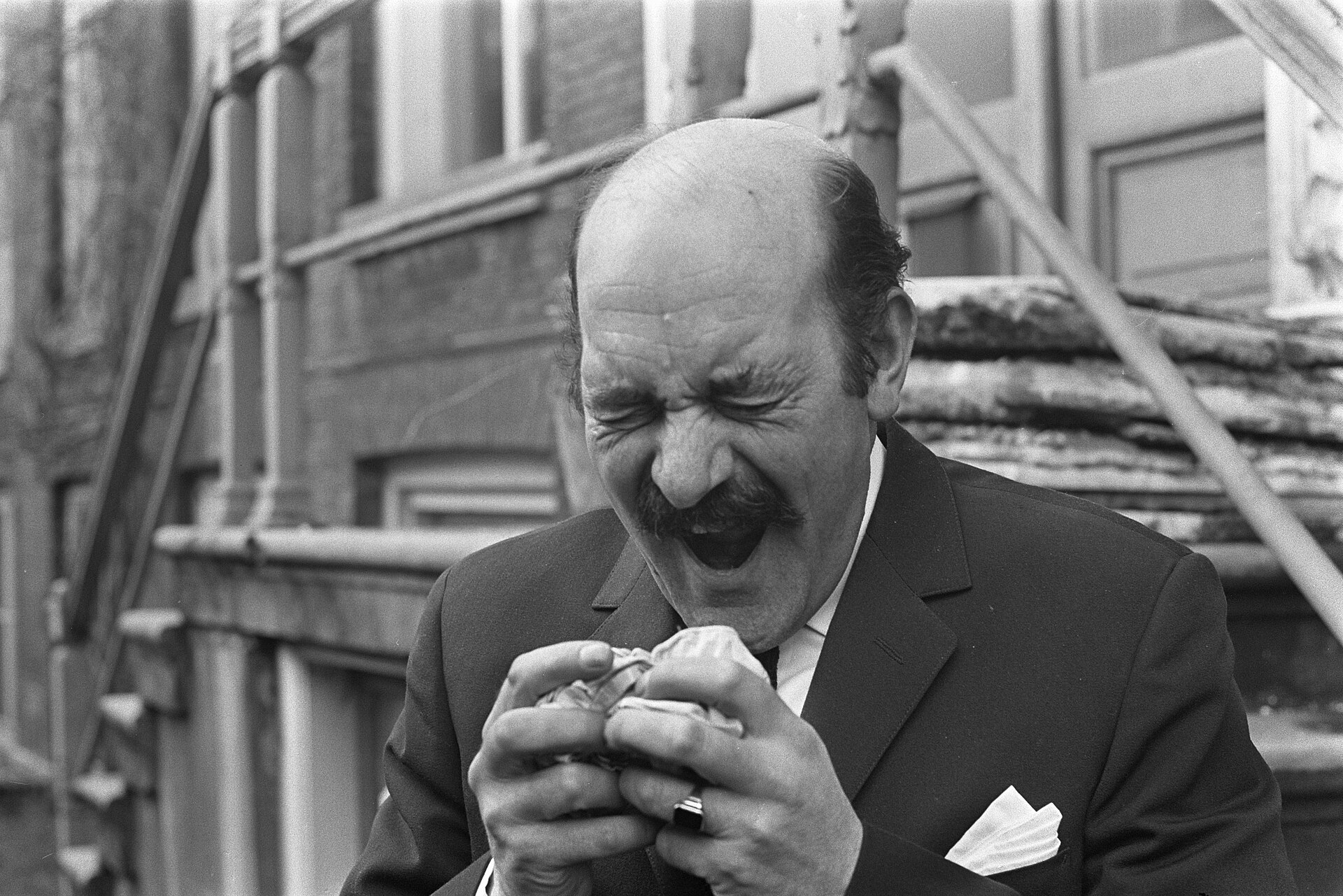
[A man sneezes, the reflex firing to clear irritation from the nose.] Photograph: a sneezing man
Image Credits: Wikimedia Commons
A sneeze is the nose's way of clearing itself in a hurry. Sometimes one blast does the job. Sometimes three, four, or five follow in quick succession, each one feeling as unstoppable as the last.
The repeat is not a glitch. It is the reflex doing exactly what it evolved to do, and the reason it repeats depends on what set it off.
This article explains how the sneeze reflex works, why some triggers produce short bursts and others produce long chains, and when repeated sneezing is worth mentioning to a clinician.
How a sneeze works
Sneezing starts in the lining of the nose. Sensitive nerve endings there, mostly branches of the trigeminal nerve, detect dust, pollen, smoke, cold air, or a sudden change in temperature. When the signal crosses a threshold, the brainstem takes over and runs a fixed programme: a deep breath in, a build-up of pressure, and then a violent exhalation through the nose and mouth that can expel air at high speed.
The programme is all or nothing. Once it starts, it runs to completion, which is why you cannot easily stop a sneeze halfway through. But a single run does not guarantee the irritant is gone.
If the nerve endings still report irritation after the first blast, the brainstem simply runs the programme again. That is the basic reason sneezes come in groups: the first sneeze loosens the irritant, the second shifts it forward, and a later one finally ejects it, as several explainers of the reflex describe.
Individual thresholds vary. Some people have a hair-trigger reflex that fires twice at the smallest provocation.
Others rarely sneeze more than once. That variation is normal and largely comes down to how sensitive a person's nasal nerves are and how strong the stimulus is.
Bright light: the short-burst trigger
Step out of a dark room into bright sunlight and some people sneeze two to four times, then stop. This is the photic sneeze reflex, also known by the playful acronym ACHOO, for autosomal dominant compelling helio-ophthalmic outburst syndrome. Medical News Today reports that it affects 18 to 35% of Americans, with some studies finding even higher rates, including a 2017 German study that put prevalence at 57%.
The leading explanation is crossed wiring. The optic nerve, which carries visual signals, runs close to the trigeminal nerve, which carries sensation from the nose.
In people with the reflex, a sudden burst of bright light is thought to spill over into the trigeminal pathway, and the brain misreads the light signal as a nasal itch. The inheritance pattern is dominant, meaning a child of one affected parent has about a 50% chance of inheriting it, according to Medical News Today.
Photic bursts are short for a reason. Light is not a particle sitting in the nose, so there is nothing to clear.
The brain fires a few times while the signal is fresh, then adapts, and the sneezing stops even though the sun is still shining. Pressing firmly on the philtrum, the groove between nose and upper lip, can interrupt the reflex in many people, and sunglasses blunt the trigger by softening the sudden change in light.
The reflex has been noticed for centuries. The Greek philosopher Aristotle asked in about 350 BCE why the heat of the sun provokes sneezing, and the English philosopher Francis Bacon later showed that the eyes, not the sun's heat, were the key, by facing the sun with his eyes closed and not sneezing.
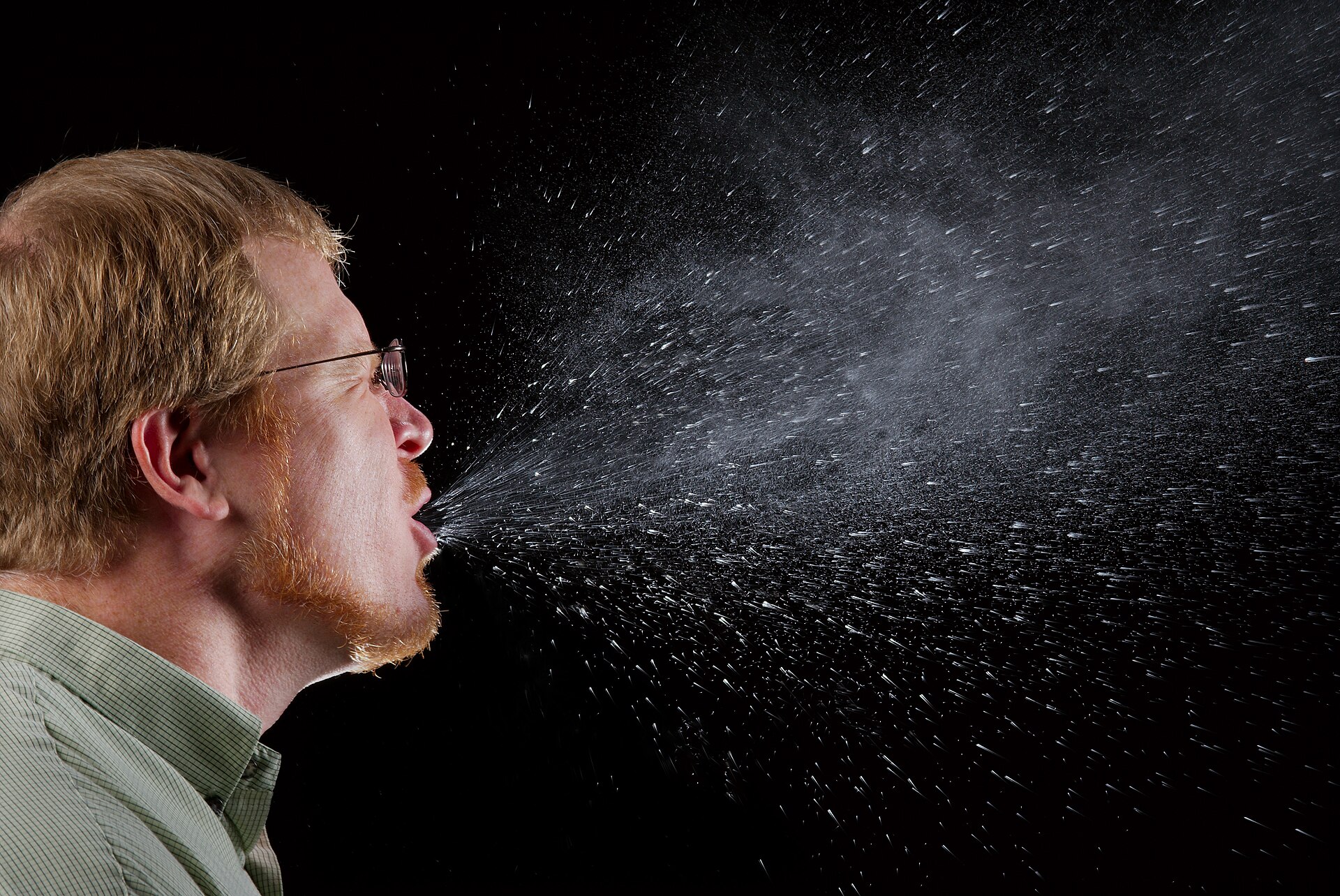
[A sneeze expels air and droplets from the nose at speed.] Photograph: a person sneezing
Image Credits: Wikimedia Commons
Allergies and colds: the long-chain triggers
When the irritant is real and persistent, the chains get longer. Pollen, dust mites, pet dander, and mould keep stimulating the nasal lining as long as they are present, and the immune system adds its own fuel: histamine, released during an allergic reaction, swells the lining and makes the nerves even more sensitive. Each sneeze clears a little mucus and a few particles, but the lining stays inflamed, so the signal returns within seconds.
Colds work the same way through a different route. Viral infection inflames the nasal passages and increases mucus production, so the nerves stay bathed in irritant fluid. That is why a cold can produce sneezing fits that seem to have no end, and why they often come with a runny nose and congestion, as a runny nose in cold weather shows the same lining reacting to a different stimulus.
Environmental irritants add a third category. Cigarette smoke, strong cleaning chemicals, dry air, and urban pollution physically irritate the sensitive tissue inside the nose, and the brain keeps firing the reflex to protect the airways until the exposure ends. Moving into fresh air often breaks the chain quickly, which is itself a clue about the cause.
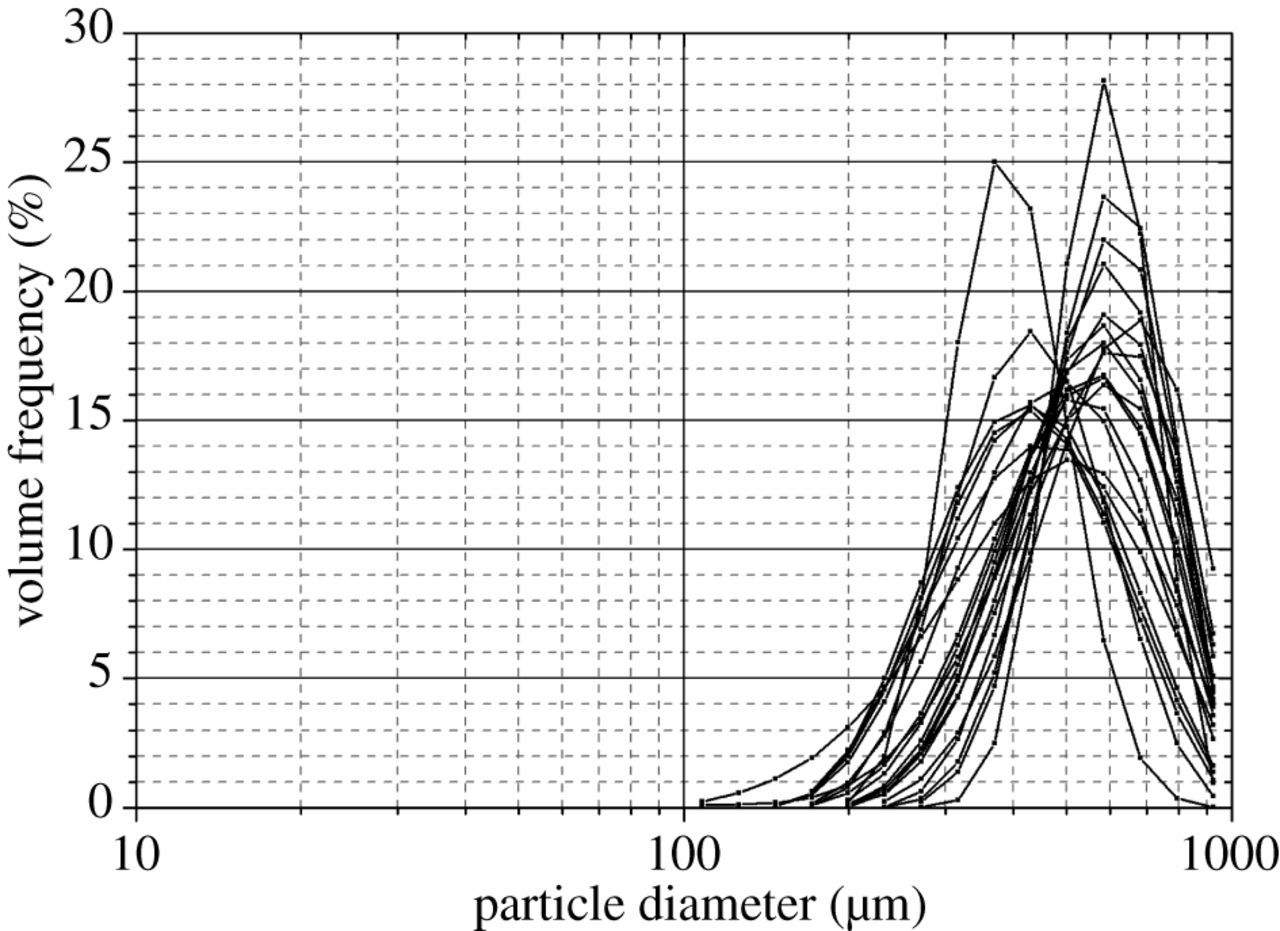
[The spread of droplets from a sneeze, showing why repeated sneezes clear the nose in stages.] Photograph: sneeze droplet distribution diagram
Image Credits: Wikimedia Commons
Why the count varies
There is no standard number of sneezes per fit, and the count tells you something about the trigger. Short bursts of two to four, especially in bright light, point toward the photic reflex.
Longer runs that come with itching, watery eyes, or a blocked nose point toward allergy or infection. Runs that stop when you leave a room point toward something in that room's air.
The nervous system also has a reset problem. Sometimes the signal to the brainstem is so strong that the "off" switch does not engage immediately, and the reflex fires rhythmically for a few rounds before settling. That loop explains why some people reliably sneeze twice or three times at almost any trigger: their threshold for the second firing is simply lower.
Age and medication can shift the pattern too. Nasal sprays that reduce inflammation can shorten allergic chains, while anything that dries the nasal lining can make it more irritable.
None of this means the reflex is broken. It means the system is tuned differently.
When repeated sneezing needs attention
Repeated sneezing on its own is rarely a medical problem. It becomes worth raising with a clinician when it comes with other symptoms that do not fit a simple trigger: sneezing fits that last for weeks without an obvious cause, sneezing with a one-sided bloody discharge, facial pain or pressure that does not ease, or sneezing that follows a head injury. Sneezing after a head injury deserves prompt attention because of the small risk of cerebrospinal fluid leaking through the nose, which doctors check when the discharge is watery and one-sided.
People whose sneezing interferes with driving or work can also benefit from advice, especially if the trigger turns out to be an allergy that responds to treatment. Identifying the trigger matters more than counting the sneezes: a photic sneezer needs sunglasses, an allergy sufferer needs the allergen found and reduced, and a cold sufferer mostly needs time.
Frequently asked questions
Is it normal to sneeze three times every time?
Yes, for many people it is simply their reflex pattern. If the first sneeze does not clear the irritant, the reflex repeats, and some nervous systems are wired to fire two or three times before the signal settles.
Why do I sneeze in sunlight but my family does not?
The photic sneeze reflex is inherited in a dominant pattern, so it runs in some families and not others. About 18 to 35% of people have it, which means most people in any group will not.
Can you stop a sneeze once it starts?
Once the programme is running it is hard to stop, though pressing the philtrum or looking away from bright light can sometimes interrupt the build-up before it fires. Holding a sneeze in is not advised, since the pressure has to go somewhere.
Does sneezing several times mean I am sick?
Not on its own. Allergies, irritants, and bright light all cause repeated sneezes without any infection. A cold becomes more likely when sneezing comes with a sore throat, congestion, or fever.
The bottom line
You sneeze several times in a row because the first sneeze often does not finish the job, and the reflex keeps firing while the irritation remains. Bright light gives short bursts through crossed nerve signals in a minority of people.
Allergies, colds, and irritants give longer chains because the lining of the nose stays inflamed or exposed. Count the pattern, find the trigger, and treat that, rather than worrying about the number itself.
This article is for general information only and is not medical advice; talk to a clinician about any symptoms.
Rive News's research desk covers everyday health questions with cited public sources. No medical training is claimed and no individual advice is given.
Related
- Why do you get a runny nose in cold weather?
- Why do your eyes water when you yawn?
- Why do you get brain freeze from cold drinks?
- Why do you get hiccups, and what actually stops them?
Subscribe to the Rive News newsletter for one plain-English health explainer each morning.
Rive News publishes general information only. Corrections are welcomed and noted on the article.
Related stories
ADHD linked to fourfold dementia risk in Pitt study of 187,000 adults
Adults with ADHD face four times the risk of dementia, a University of Pittsburgh study of 187,000 adults published in JAMA Psychiatry

Why Do Athletes Get Cramps Despite Drinking Water?
Muscle cramps strike even well-hydrated athletes because sweat drains electrolytes that plain water cannot replace. Here is why water alone

Do bananas actually prevent muscle cramps?
A medium banana has 422 mg of potassium, but the evidence says it cannot stop cramps. Here is what the research shows, and what actually