
How to clean grout that turned black (without harsh fumes)
Key takeaways
- Black grout is almost always a mix of mold, soap scum, and mineral film trapped in porous grout lines, not just dirt.
- Oxygen-based cleaners (sodium percarbonate paste, 5-10 minutes of dwell time) lift deep stains with less scrubbing and no harsh fumes.
- Chlorine bleach whitens the surface but cannot reach mold roots in porous grout, so stains return; seal the grout after cleaning to slow regrowth.
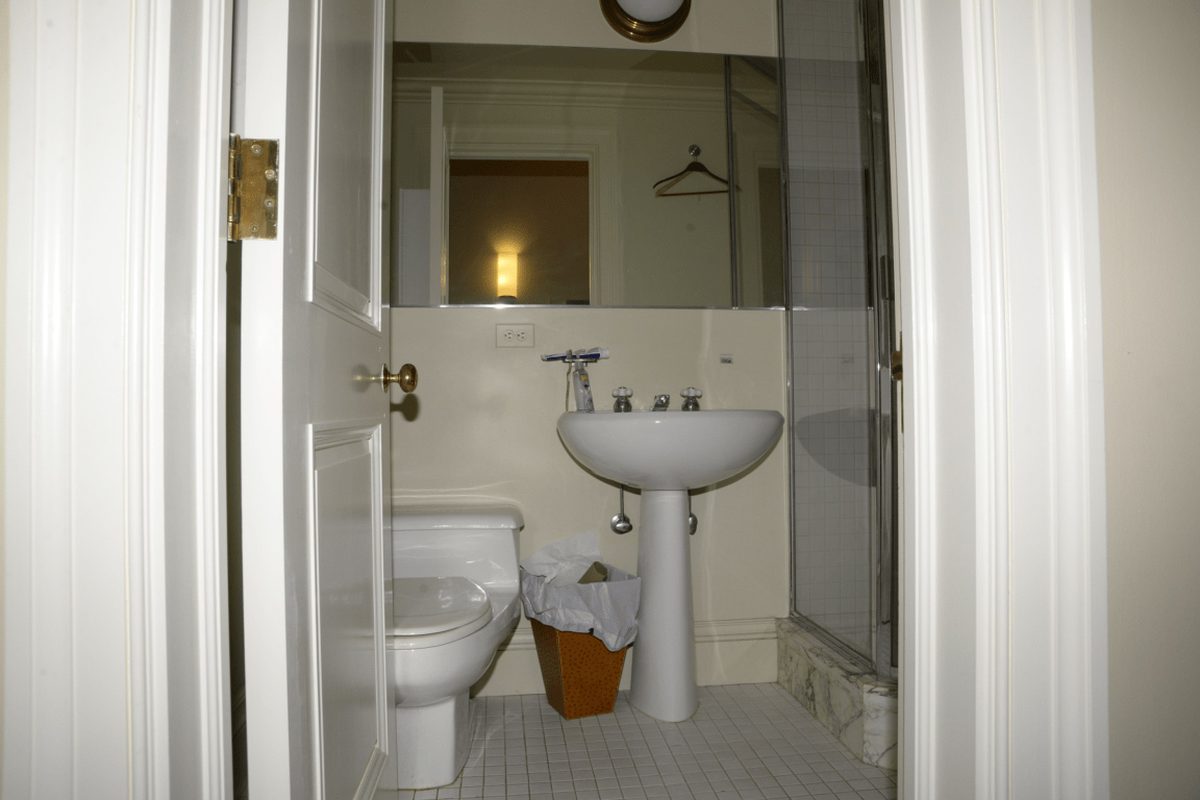
Grout is the spongy cement between your tiles, and it turns black the same way a sponge gets grimy. Moisture, soap residue, skin oils, and dust settle into its pores, and in warm, steamy rooms that mix feeds mold and bacteria.
Hard-water minerals add a sticky film that traps even more grime. Poor ventilation slows drying, so stains settle in deeper with every shower.
This article explains why grout turns black, walks through three cleaning methods that actually reach the stains, covers which products to avoid, and shows how to keep grout bright after cleaning.
Why grout turns black
Standard cement grout is porous. Tiny voids in the material soak up water and everything dissolved in it. Most people clean the tiles and assume the lines between them are fine, but daily mopping and shower spray push residue into the joints instead of lifting it out.
The result is biofilm, a thin layer where soap scum, body oils, and microbes collect. Mold follows quickly in bathrooms because the room stays warm and damp for hours after use. Kitchens have the same problem from cooking grease.
White mineral film can also darken over time as it traps dust, which is why old grout often looks uniformly grey or black. This is not a failure of your cleaning habits. It is what porous cement does when it stays damp.
Method 1: oxygen-bleach paste (best for deep black stains)
Oxygen bleach powder, sold for laundry as sodium percarbonate, releases oxygen in water that breaks stain pigments and weakens mold biofilm. It has almost no odor, costs very little, and works on colored grout without the fading risk of chlorine bleach.
Start by sweeping or vacuuming the floor so grit does not scratch the tiles. Mix 1-2 tablespoons of oxygen bleach powder per cup of warm water until it forms a loose paste, roughly the texture of yoghurt.
Spread the paste along a short stretch of grout, just a few feet at a time. Let it sit for 5-10 minutes while the oxygen works. Scrub gently back and forth with an old toothbrush or stiff nylon brush, then wipe clean with a damp microfibre cloth.
Work in small sections and keep the paste damp. If it dries out completely, the reaction stops, and you lose most of the effect. For very dark grout, repeat the pass rather than doubling the powder.
Method 2: baking soda and vinegar (best for light buildup)
For grout that is grey rather than jet black, the kitchen-cupboard method works well. The fizz from the acid-base reaction helps break up soap film, and the mild grit scrubs without scratching most glazed tiles.
Make a paste from 3 tablespoons of baking soda and a trickle of water. Coat the stained grout lines with a toothbrush, then drizzle distilled white vinegar over the paste. It will fizz as carbon dioxide forms.
Wait 5-10 minutes, scrub in light circles, then rinse and buff dry. A dry finish matters: grout that stays damp grows mold again within days.
One warning from cleaning specialists at Reteuro: vinegar is acidic and can weaken cement-based grout over time, and it can etch natural stones like marble or limestone. Use this method on ceramic or porcelain tiles with cement grout, and rinse thoroughly every time.
Method 3: diluted chlorine bleach (emergencies on white grout only)
Chlorine bleach kills surface mold fast and brightens white grout. JDog Carpet Cleaning & Floor Care, cited by Curly's Carpet Repair, recommends a ratio of one part bleach to four parts water in a spray bottle, sprayed on and scrubbed after 30 minutes.
Bleach has a serious limitation on porous surfaces. "If the mould is growing on porous surfaces such as plaster, grout or wood, chlorine bleach may kill what is on the surface, but the roots of the mould will remain very much alive," said Laura Trotta, a sustainability expert quoted in the Express.
That is why black stains often return weeks after a bleach clean. Bleach also fades colored grout, releases harsh fumes, and should never be mixed with vinegar or ammonia. Treat it as a last resort for white grout with heavy black staining, and ventilate the room well.
Hydrogen peroxide is a middle-ground option. Apply a 3% solution with a spray bottle, let it sit several minutes, scrub, and rinse. Cleaning pros sometimes extend contact time with damp paper towels pressed onto the lines overnight.
What not to use on grout
Skip metal brushes and aggressive scouring pads. Grinding away the top layer of grout just to gain one shade of white leaves the surface rougher and more porous, so it stains faster next time.
Skip undiluted bleach on colored grout. It will fade the color unevenly and can leave a white, patchy result that looks worse than the original staining.
Skip the vinegar-bleach combination entirely. Mixing chlorine bleach with any acid produces chlorine gas, which is dangerous even in small amounts. Never blend the two methods in the same session.
If the grout is crumbling, flaking, or the black staining sits deep after three cleanings, the problem may be structural. Flooring specialists advise regrouting instead: cleaning cannot fix grout that has physically broken down.
How to keep grout from turning black again
Cleaning is only half the job. Grout that is left unprotected will darken again, especially in showers. These habits stretch the time between deep cleans.
First, seal the grout after cleaning. Penetrating grout sealers block the pores so water and soap slide off instead of soaking in. Cleaning companies generally recommend resealing about once a year in wet areas.
Second, dry what you can. Squeegee shower walls after use, leave the door or curtain open, and run the exhaust fan for 20-30 minutes. Ventilation is the cheapest mold prevention there is.
Third, wipe down with a pH-neutral cleaner instead of harsh acids or bleach. Aggressive cleaners erode the sealer and the grout itself, restarting the cycle.
Finally, spot-clean early. A quick baking-soda scrub on a stain you notice in week one takes two minutes. The same stain in month six takes an hour.
FAQ
How often should I deep-clean grout?
Most showers benefit from a deep clean monthly, with quick spot scrubs as needed. A squeegee swipe and an open bathroom door after each shower can stretch that interval considerably.
Can I use oxygen bleach on colored grout?
Often yes. Oxygen bleach is far gentler on color than chlorine bleach, but always test in an inconspicuous spot first. Many colored grouts brighten safely, while harsh chlorine fades them.
Why does my grout turn black even though I mop regularly?
Mopping cleans the tile surface but leaves residue in the grout joints. Grout is porous and absorbs moisture from below the surface, so only targeted scrubbing with dwell time reaches the trapped grime.
Is black grout always mold?
Not always. It can be soap scum, mineral deposits, or embedded dirt alone. In damp bathrooms, mold is the most common cause, but the cleaning approach is the same regardless.
The bottom line
Black grout is a porous-material problem, not a character flaw in your housekeeping. An oxygen-bleach paste with 5-10 minutes of dwell time clears most stains without harsh fumes, baking soda and vinegar handle light buildup, and diluted chlorine bleach stays in reserve for white-grout emergencies.
Seal the grout after cleaning and keep the room ventilated, and the black will stay away much longer. If stains persist after repeated attempts, regrouting beats another round of scrubbing.
If you are fixing other bathroom problem spots, see our guide on what caulk and sealant actually do differently, and for damp-basement issues read why efflorescence appears on basement walls. Stopping winter drafts also cuts indoor humidity swings; try our tips for stopping drafts under doors cheaply.
Topics: grout cleaning, tile care, bathroom mold, home maintenance, DIY
Rive News is a research desk covering practical home and lifestyle topics. Articles are written from publicly verifiable sources.
Latest in Home & DIY
- How to winterize outdoor faucets step by step
- What is the difference between caulk and sealant?
- How to stop drafts under doors cheaply
- Why efflorescence appears on basement walls
Subscribe for one practical home guide every morning.
Corrections: spotted an error? We fix verified mistakes within 24 hours of notification.
Related stories

Why Your Faucet Keeps Dripping After You Turn It Off
A dripping faucet is usually a worn washer, O-ring, or cartridge that can no longer seal. One drip per second wastes over 3,000 gallons

How to fix a running toilet without a plumber in 30 minutes
A running toilet can waste 200 gallons of water a day. Diagnose the flapper, float, or fill valve in two minutes, then fix it yourself

How to hang heavy shelves on drywall safely
Studs first, toggle bolts second, plastic anchors never for heavy loads. Weight ratings, installation steps, and mistakes that bring