
Winter storm warning near Fairbanks brings up to 15 inches of snow
Web StoryWatch this story in 15 seconds →Key takeaways
- The National Weather Service issued a winter storm warning for the Northern Susitna Valley, in effect from 1 PM Thursday to 2 PM Friday, Alaska time.
- The Parks Highway corridor through Broad Pass could get 7 to 15 inches of snow. Visibility may drop to one quarter mile or less.
- Travel could be very difficult. Drivers should pack food, water, and a flashlight, and check 511.alaska.gov before leaving.
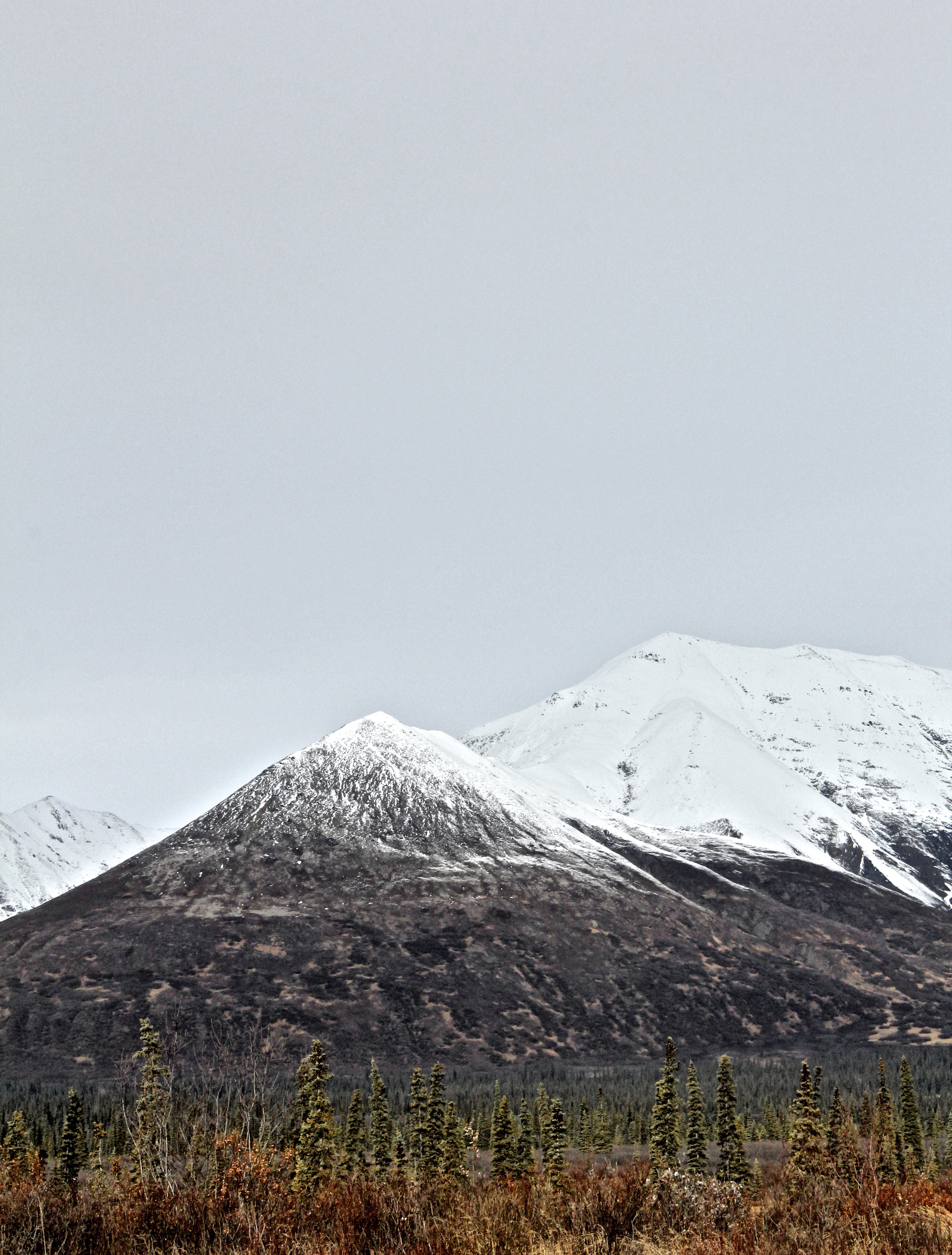
The National Weather Service issued a winter storm warning near Fairbanks, Alaska. It covers the Parks Highway corridor from Thursday afternoon to Friday afternoon. Forecasters expect 7 to 15 inches of snow, with the worst driving overnight.
What happened
The warning comes from the NWS office in Anchorage, Alaska. It started at 1 PM on Thursday and runs until 2 PM Friday, Alaska time. The warning zone is the Northern Susitna Valley.
That includes the Parks Highway through Broad Pass, the Denali Highway, and Chulitna. Light snow fell first, with 3 to 6 inches possible before the warning even began. The storm then grows stronger through Thursday afternoon.
The heaviest snow falls Thursday night into Friday morning. Total buildup should reach 7 to 15 inches in the warning area. Visibility may drop to one quarter mile or less at times.
The NWS is blunt about what this warning means. It says severe winter weather will make travel very hazardous. A winter storm warning is one of the strongest alerts the weather service issues.
Light snow was already falling on Thursday morning before the warning began. The early snow added 2 to 4 inches around Anchorage, Men's Journal reported. Then the main storm took over in the afternoon.
Snow totals will vary by place and elevation. The warning does not mean every town gets 15 inches. Anchorage, Fairbanks, and Denali will each see different amounts.
This is not Alaska's first big snow warning this week. An earlier warning hit the western Brooks Range and Noatak Valley.
It brought up to 18 inches of snow to those areas. That storm covered a different region and is now ending.
Why it matters
The Parks Highway is the main road between Anchorage and Fairbanks. It runs past Denali National Park and through Broad Pass. The NWS warns that travel could be very difficult along this road.
Rapidly building snow and poor visibility make driving dangerous. One quarter mile is about 1,320 feet. In heavy snow, that distance can shrink fast as snow bands move through.
On a two-lane highway, danger comes quickly. A slow vehicle can appear late out of the snow. Drivers need to see and be seen.
Alaska road crews ask drivers to keep headlights on. Many cars run daytime lights that leave the taillights dark. Turning headlights on by hand fixes that.
Plows can throw up whiteout snow for cars that follow too close. Alaska crews say to stay at least 200 feet back. Never pass a plow on the right side.
The Denali Highway is also named in the warning. But that road runs on a summer schedule.
Alaska road crews only maintained it through October 1 this year. It will not be plowed for this storm.
Visitors heading to Denali National Park by rental car should pay extra attention. The Parks Highway is their main route from Anchorage. They should check conditions before starting a long drive.
This warning is not a full highway closure. No full closure of the Anchorage to Fairbanks road was announced. But the warning itself says conditions will be hazardous.

October has been a stormy month around the world. Southeast Queensland faced a severe storm warning earlier this month.
Storm Austen brought winds and power cuts to the UK. Alaska's turn came with snow.
What happens next
On Friday afternoon, temperatures are expected to rise above freezing. The snow could then mix with or change to rain. Rain on fresh snow leaves wet slush on the road.
Stopping takes longer on wet or icy roads, the road crews warn. Ice forms first on bridges and overpasses. They can look clear while hiding ice.
The warning ends at 2 PM Friday, Alaska time. Forecasters may extend it if the storm lasts longer. Warnings can change fast as conditions shift.
Maui's flash flood warning this week was also extended as conditions changed. Travelers should check for updates before and during any trip. The NWS Anchorage forecast page carries the latest alerts.
Anyone driving should pack an extra flashlight, food, and water. These are the emergency supplies the NWS recommends.
Check road conditions on the Alaska 511 site or call 511 first.
Postponing nonessential travel until conditions improve is the safest choice. The heaviest snow passes by Friday morning. After that, crews can clear the roads.
Alaska is getting an early taste of winter this week. Two big snow warnings in a few days show the season has turned. Drivers through the Parks Highway corridor should watch NWS Anchorage updates closely.
Related stories

Why Your Faucet Keeps Dripping After You Turn It Off
A dripping faucet is usually a worn washer, O-ring, or cartridge that can no longer seal. One drip per second wastes over 3,000 gallons

How to fix a running toilet without a plumber in 30 minutes
A running toilet can waste 200 gallons of water a day. Diagnose the flapper, float, or fill valve in two minutes, then fix it yourself

How to hang heavy shelves on drywall safely
Studs first, toggle bolts second, plastic anchors never for heavy loads. Weight ratings, installation steps, and mistakes that bring