
Newport Beach king tides flood streets and push water into homes
Web StoryWatch this story in 15 seconds →Key takeaways
- Record king tides flooded Newport Beach streets on Tuesday, October 27, 2026.
- The tide reached 8.4 feet at 10 am, after an 8.3 foot tide on Monday.
- A coastal flood warning for Orange County runs through 1 pm on Thursday.
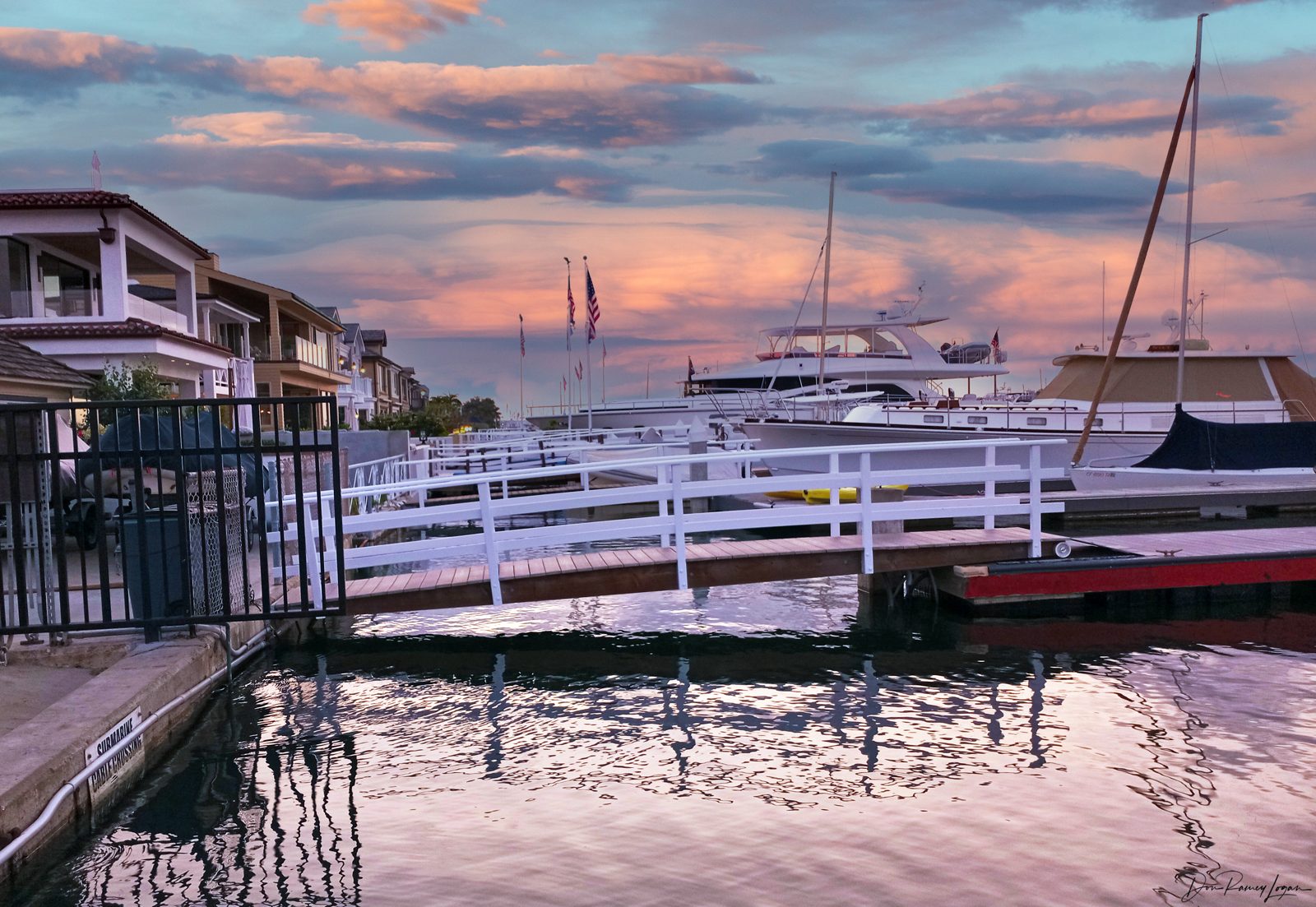
Record king tides flooded streets in Newport Beach on Tuesday, October 27, 2026. Seawater spilled across roads near Balboa Peninsula and into low areas by the harbor. The tide reached 8.4 feet at 10 am, a record-setting level reported by forecasters.
No rain caused this flood. The sea itself rose too high for the shore to hold back. That is why streets filled with water on a dry day.
Homes, roads, and train lines all felt the impact.
What happened
The trouble built over two days. On Monday, October 26, the high tide in Newport Beach reached 8.3 feet. On Tuesday, it rose to 8.4 feet at 10 am.
Both days pushed water well above the predicted tide levels.
In Newport Beach, city crews worked to hold the water back. They built sand berms near the Wedge and along the oceanfront. They set out pumps and stacked thousands of sandbags.
But water still found a way in from the harbor side.
The Balboa Fun Zone flooded, even after all that work. Water soaked the area and nearby Newport Island. Resident Kelly Holt told ABC7 she never thought she would see the Fun Zone flood.
She called the sight kind of scary.
Seawater also spilled across streets around Balboa Peninsula. Drivers moved through standing water as shops tried to guard their doors. People getting off the Balboa Island ferry stepped into a flooded street.
The scene looked more like a lagoon than a beach town.
Roads, trains, and homes hit
Pacific Coast Highway, known as PCH, closed in both directions on Tuesday morning. The closure ran between Warner Avenue and Seal Beach Boulevard, according to Caltrans. Northbound lanes also closed between Seapoint Street and Warner Avenue.
Water kept spilling onto the road even as the tide eased back. PCH was then shut in both directions between Seal Beach and Huntington Beach. That closure cut a key coastal route for drivers in Orange County.
The waterway under Newport Boulevard Bridge closed from 8:30 am to 10:30 am on Tuesday. Officials closed it so boat wakes would not push more water into nearby homes. Boaters in Newport Harbor were urged to slow down near low waterfront areas.
The same waterway was set to close again on Wednesday. The closure was set for 9 am to 11 am.
Newport Beach also paused parking enforcement through Wednesday evening. The pause gave residents time to move cars out of flood-prone areas. That small step mattered, because cars parked low can be ruined fast by salt water.
Train travel took a hit too. Metrolink paused its Orange County Line on Monday. The pause ran between Laguna Niguel and Mission Viejo and Oceanside.
Trains started and ended at Laguna Niguel and Mission Viejo through Friday. Riders had to find other ways to travel along that stretch.
The flooding spread beyond Newport Beach. In Long Beach, water topped berms at Bayshore Beach and spilled onto 54th Place. It flooded a garage that held a restored 1968 Volkswagen Beetle.
In San Pedro, a tide gauge hit 8.02 feet on Monday. That broke a record from 2005.
Why the water rose so high
Two forces joined to lift the sea. The first was a king tide. A king tide is a very high tide.
It is caused by the sun, moon, and Earth lining up. That pull draws more water toward the shore than a normal tide does.
The second force was an El Nino Kelvin wave. A Kelvin wave is a huge pulse of warm water that crosses the Pacific. It then travels up the California coast and lifts sea levels for a time.
NOAA is the United States weather and ocean agency. It says such waves can add six to 12 inches.
Together, the two forces pushed tides far above normal. Tides ran about one to 1.7 feet above predicted levels in Orange County. Newport Beach officials reported water running 15 to 22 inches above predicted tides.
In Los Angeles County, tides ran about one to 1.5 feet above predicted levels.
Newport Beach City Manager Seimone Jurjis warned about what that extra water means. She said a foot and a half may not sound like much. But it can decide if water stays behind a seawall or floods streets, garages, homes.
That is the key point for homeowners. A seawall works only up to a set height. Once water tops it, even by a small amount, the street behind it floods.
Sandbags and berms help, but they can be overtopped too.
What happens next
The risk did not end on Tuesday. A coastal flood warning stayed in force for Orange County. It ran through 1 pm on Thursday.
A coastal flood advisory covered the Los Angeles County coast through the same time. Forecasters warned that high morning tides could bring more flooding to beach towns.
Tides were expected to stay near record levels through Wednesday. That meant another round of high water on Wednesday morning. Officials took that risk seriously.
They planned another bridge closure for Wednesday morning.
The National Weather Service warned of more damage in the worst spots. Areas with little or no sandy beach left face the highest risk. Places hit by earlier high tides face more harm.
Their defenses are already weak.
Looking further ahead, Surfer reported another series of high tides around Thanksgiving and Christmas. Coastal towns will face this test again in a few weeks. For now, Los Angeles and Orange counties have dry, mild weather.
That offers a break from rain. But the sea, not rain, is the threat in this event.
People in low coastal areas were urged to stay alert and watch local conditions. Officials asked residents to take care as another round of high tides approached. That advice holds for anyone near the water in the next few days.
How to stay safe near floodwater
Do not drive through flooded roads. Water can hide damage to the road below it. It can also stall a car fast, even when it looks shallow.
Our guide to driving in heavy rain covers wet-road risks in plain words.
Move cars and valuables to higher ground early, before the morning high tide. Do not wait until water reaches the street. Newport Beach paused parking rules so residents could move cars in time.
That shows how fast the window to act can close.
Keep clear of seawalls and berms during high water. Waves and surges can top them without much warning. Check local warnings before you travel near the coast.
Coastal flooding has closed roads in other states too. So closures can last longer than one tide.
If officials order people to leave an area, follow that order at once. Past flood evacuations show why early moves save lives and cars. Do not return to a flooded home until officials say it is safe.
Newport Beach will watch the next high tides with care. The city has pumps, berms, and sandbags ready. But the sea has shown it can beat those defenses when tides run this high.
The next test comes with the Wednesday morning tide, and again at the holidays.
Related stories
Why Your Faucet Keeps Dripping After You Turn It Off
A dripping faucet is usually a worn washer, O-ring, or cartridge that can no longer seal. One drip per second wastes over 3,000 gallons
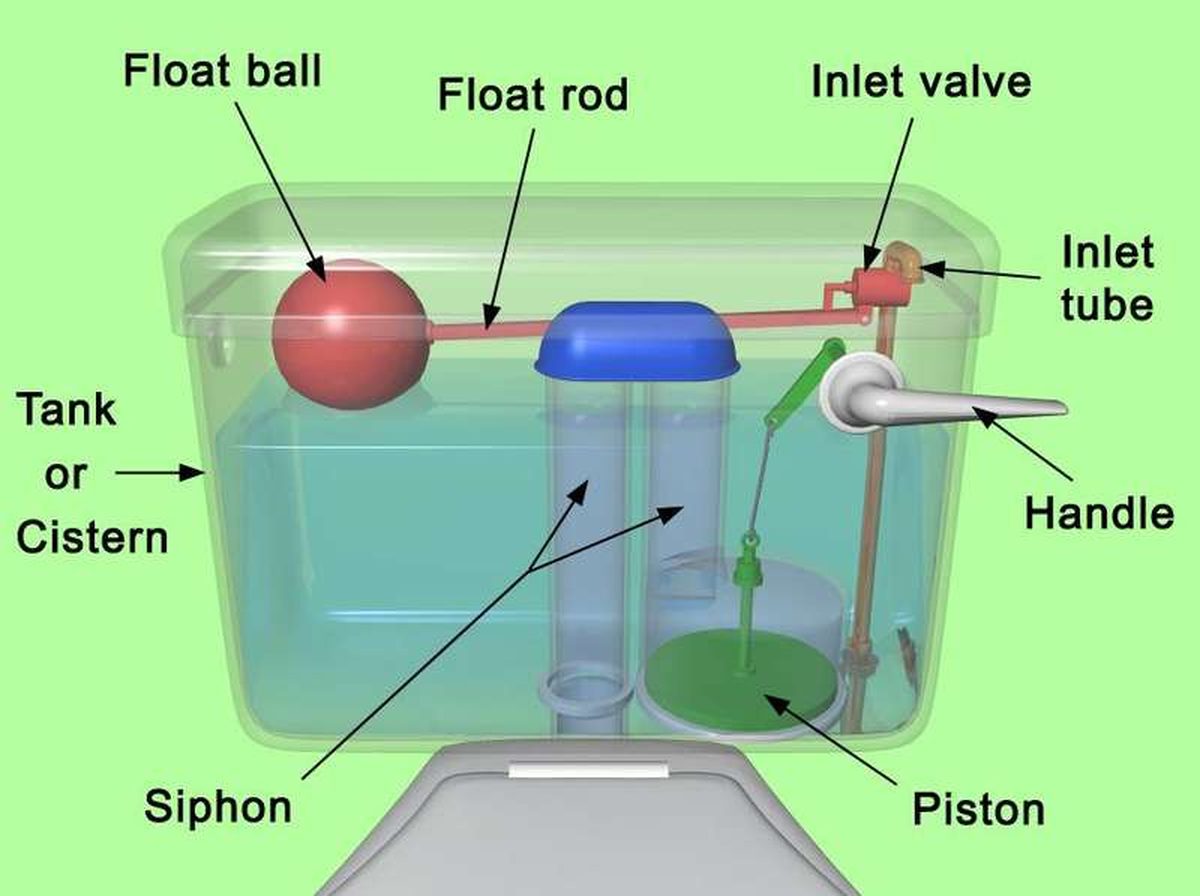
How to fix a running toilet without a plumber in 30 minutes
A running toilet can waste 200 gallons of water a day. Diagnose the flapper, float, or fill valve in two minutes, then fix it yourself

How to hang heavy shelves on drywall safely
Studs first, toggle bolts second, plastic anchors never for heavy loads. Weight ratings, installation steps, and mistakes that bring