
How Does a P-Trap Block Sewer Gas Without Any Moving Parts?
Open the cabinet under any sink and you will see it: a curved pipe that dips down and rises back up. That curve is a P-trap, and it is quietly doing one of the most important jobs in your home. It keeps sewer gas out of your kitchen, your bathroom, and your lungs.
It does this with no valves, no electronics, and no moving parts at all. Just water, gravity, and a clever bend. This article explains how a P-trap blocks sewer gas without any moving parts, including the water seal that does the work, why the shape matters, and what makes a trap fail.
Key takeaways
- A P-trap holds 2 to 4 inches of standing water in a U-bend; that water seal physically blocks sewer gas from rising through the drain.
- The shape needs no power or moving parts: gravity refills the seal every time water flows, pushing old water out and fresh water in.
- Vent pipes protect the seal from siphoning, and rarely used drains can let the seal evaporate, which is the most common cause of sewer smells.
The water seal is the whole trick
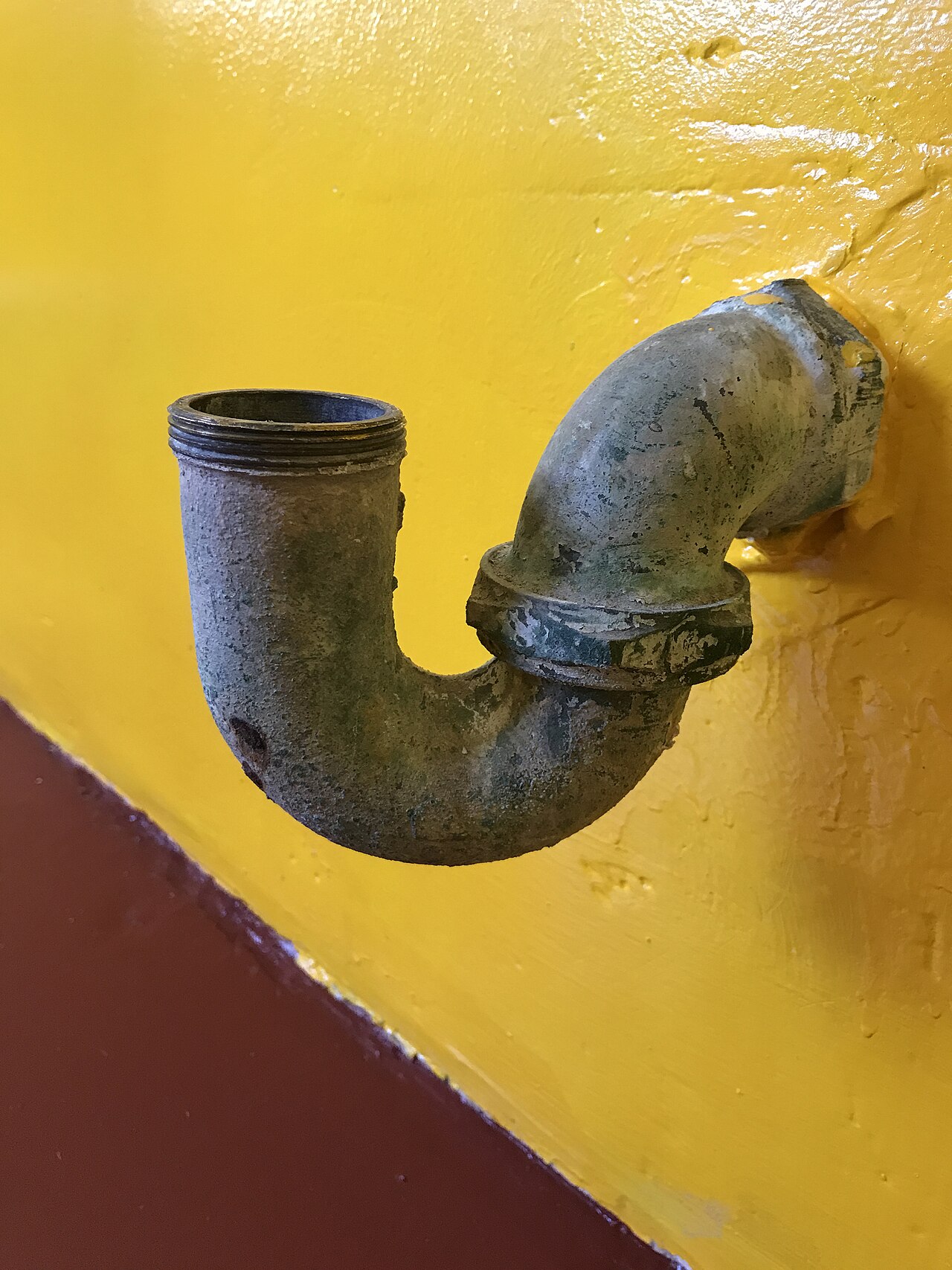
A P-trap is the U-shaped section of pipe installed beneath sinks, showers, and tubs, sitting directly between the fixture's drain and the main waste line. When water flows down the drain, it rushes through the curved section with enough force to push the old water out the other side, but it always leaves some water sitting in the bottom of the curve, EngineerFix explains.
That leftover pool is the water seal. It is typically 2 to 4 inches deep, which plumbing codes require as the standard range. Sewer gas cannot push through a continuous liquid barrier, so the gas stays on the sewer side while your home stays on the fresh-air side.
Every use refreshes the seal automatically: old water gets pushed out and new water takes its place, so the standing water never turns stagnant, EngineerFix notes. The mechanism is entirely passive: gravity pulls water down, the curve catches it, and the seal rebuilds itself on every drain cycle.
Why the letter-P shape matters
The name comes from the shape. A P-trap combines the U-bend with a horizontal trap arm that connects to the drain line in the wall, giving the whole unit the profile of a letter P lying on its side. Ace Plumbing's FAQ notes that two 90-degree joints with a connecting section form that shape: one joint meets the sink's drain tailpiece, the other meets the wall line.
The horizontal arm is what makes a P-trap different from the older S-trap, which loops back down and connects vertically into the floor. That sharp vertical drop creates a strong vacuum as water rushes through, which can suck the water seal right out of the trap. EngineerFix calls this self-siphoning, and it is the reason S-traps are generally prohibited in new installations.
The P-trap's horizontal run avoids that vacuum and holds its seal reliably.
The parts around the curve each have a job. The tailpiece carries water from the fixture into the bend, and the trap arm carries it onward to the waste line. Many traps include a small cleanout plug at the bottom of the curve, which a plumber or homeowner can use to clear out debris the trap has caught, Ace Plumbing's FAQ notes.
Venting keeps the seal alive
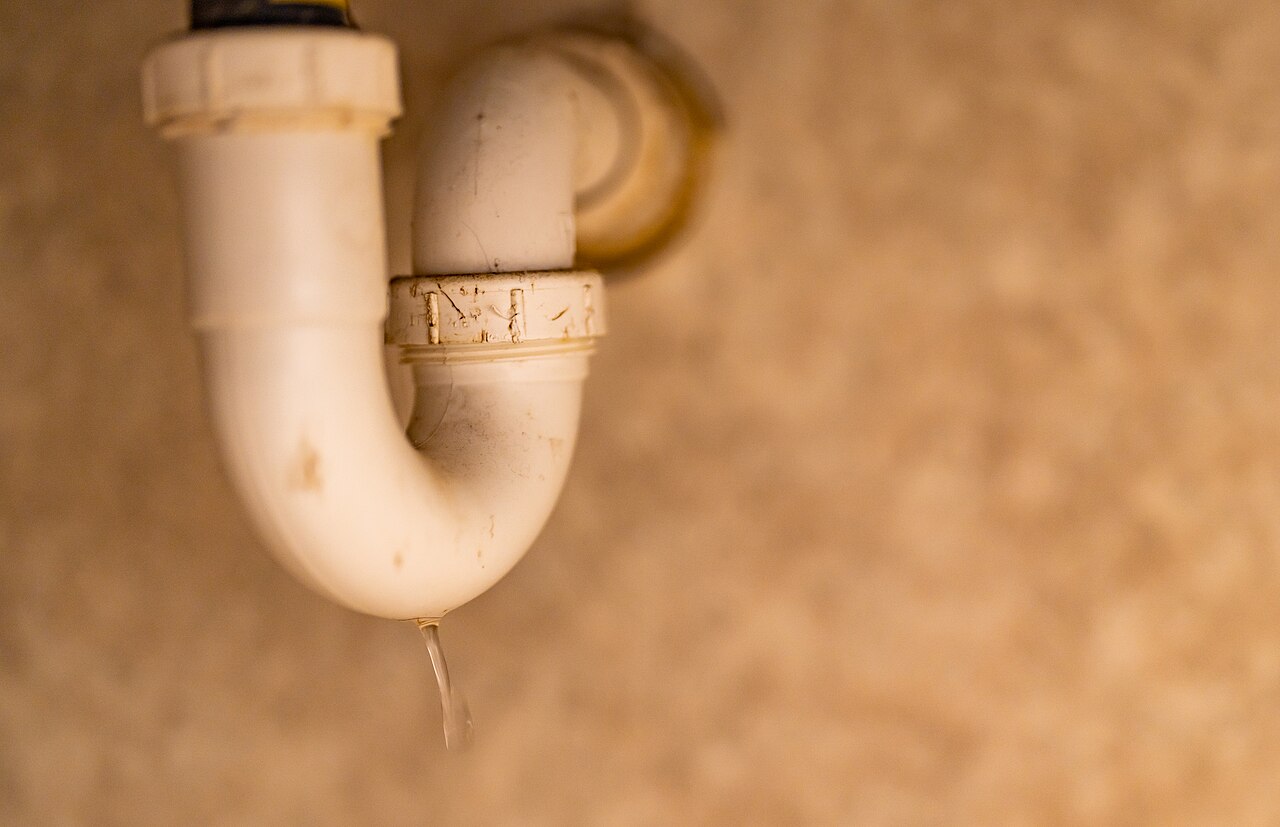
The water seal needs one partner to survive: a vent pipe. When a bathtub drains upstairs, falling water can create suction in the drain lines that would pull trap seals dry without a vent. Vent pipes let air into the system and break that vacuum, EngineerFix explains, so a blocked vent shows up as gurgling drains and slow emptying, early warnings that the seal is under stress.
The seal also catches what you drop
The P-trap's second job is catching debris. Heavier particles settle at the bottom of the curve instead of traveling deep into the plumbing, which is also why a dropped ring or earring often ends up sitting in the trap. Roto-Rooter's P-trap guide notes that unscrewing the slip nuts lets a homeowner retrieve caught items and clear buildup.
Traps are typically made from PVC pipe or chrome-plated steel, with steel chosen for exposed plumbing where appearance matters, Ace Plumbing reports. Either material does the same quiet work.
How a trap fails
The most common failure is the simplest: evaporation. If a fixture is not used for a long time, the seal water evaporates, breaking the barrier and letting odors in. This is classic in guest bathrooms and floor drains.
The fix is simple: run water through the fixture for a few seconds to refill the trap. For traps that dry out repeatedly, a trap primer, a small device that tops off the seal automatically, is the long-term answer, Ace Plumbing notes.
Leaks are the other failure. A cracked trap or a loose slip nut drains the seal faster than evaporation. Visible dripping under a sink calls for a wrench or a plumber, not air freshener.
P-traps: questions people ask
Why does my sink smell like sewer even though water drains fine?
The water seal has likely evaporated in a rarely used drain. Running water for a few seconds refills the trap and usually clears the smell.
How deep should the water seal be?
Most plumbing codes require between 2 and 4 inches. Too shallow and gas can bubble through; too deep and the sink drains slowly.
What is the difference between a P-trap and an S-trap?
A P-trap connects horizontally into a vented wall line and holds its seal. An S-trap drops vertically into the floor and can siphon its own seal dry, which is why it is banned in most new work.
Do toilets have P-traps?
Toilets use the same water-seal principle with an internal trapway molded into the fixture, creating the S-curve visible in the porcelain. No separate under-sink style trap is needed.
How often should a trap be cleaned?
Cleaning is not scheduled; it is as-needed. Slow drainage or a trap that catches debris frequently is the signal to unscrew it and clear the curve.
The bottom line
A P-trap blocks sewer gas with nothing but standing water held in a curve: 2 to 4 inches of seal, refreshed by gravity every time you run the tap, protected by vent pipes from siphoning. No valves, no power, no maintenance beyond the occasional cleaning. If your home suddenly smells like a sewer, check the least-used drain first and give the trap a drink.
Latest in Home & DIY
- How to Stop Condensation on Bedroom Windows
- How to Silence a Squeaky Floorboard
- Why Your Pipes Bang When You Turn Off the Faucet
Subscribe for one practical home explainer in your inbox every morning.
Related stories
Why Your Faucet Keeps Dripping After You Turn It Off
A dripping faucet is usually a worn washer, O-ring, or cartridge that can no longer seal. One drip per second wastes over 3,000 gallons
How to fix a running toilet without a plumber in 30 minutes
A running toilet can waste 200 gallons of water a day. Diagnose the flapper, float, or fill valve in two minutes, then fix it yourself

How to hang heavy shelves on drywall safely
Studs first, toggle bolts second, plastic anchors never for heavy loads. Weight ratings, installation steps, and mistakes that bring