
How to Stop Condensation on Bedroom Windows for Good
Key takeaways
- Condensation forms when warm, humid bedroom air cools against cold glass and drops its moisture.
- A 10-minute morning airing, open trickle vents, and fans that run after showers cut most of it.
- Aim for indoor humidity of 30 to 50 percent, and wipe pooled water before mould takes hold.
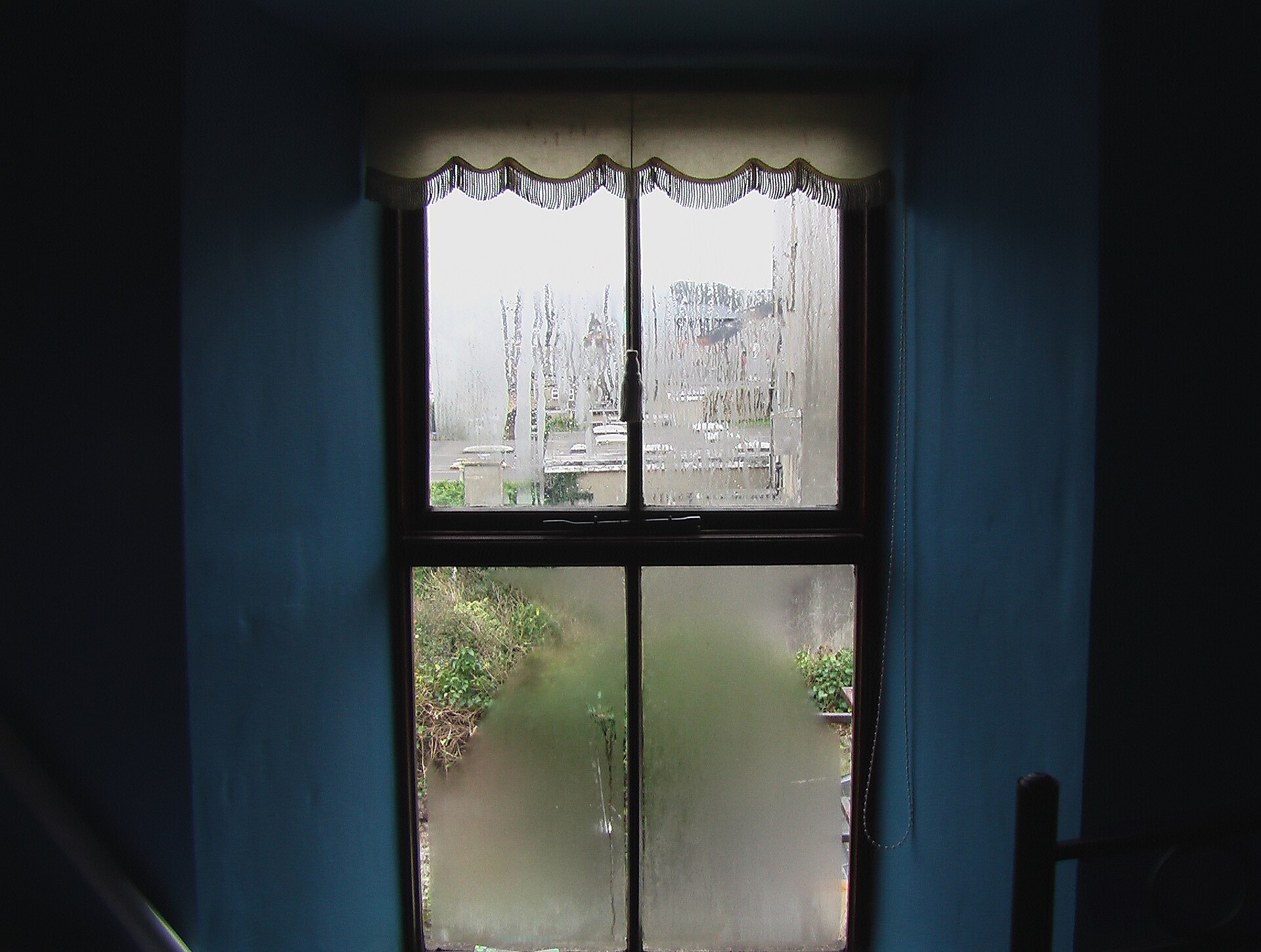
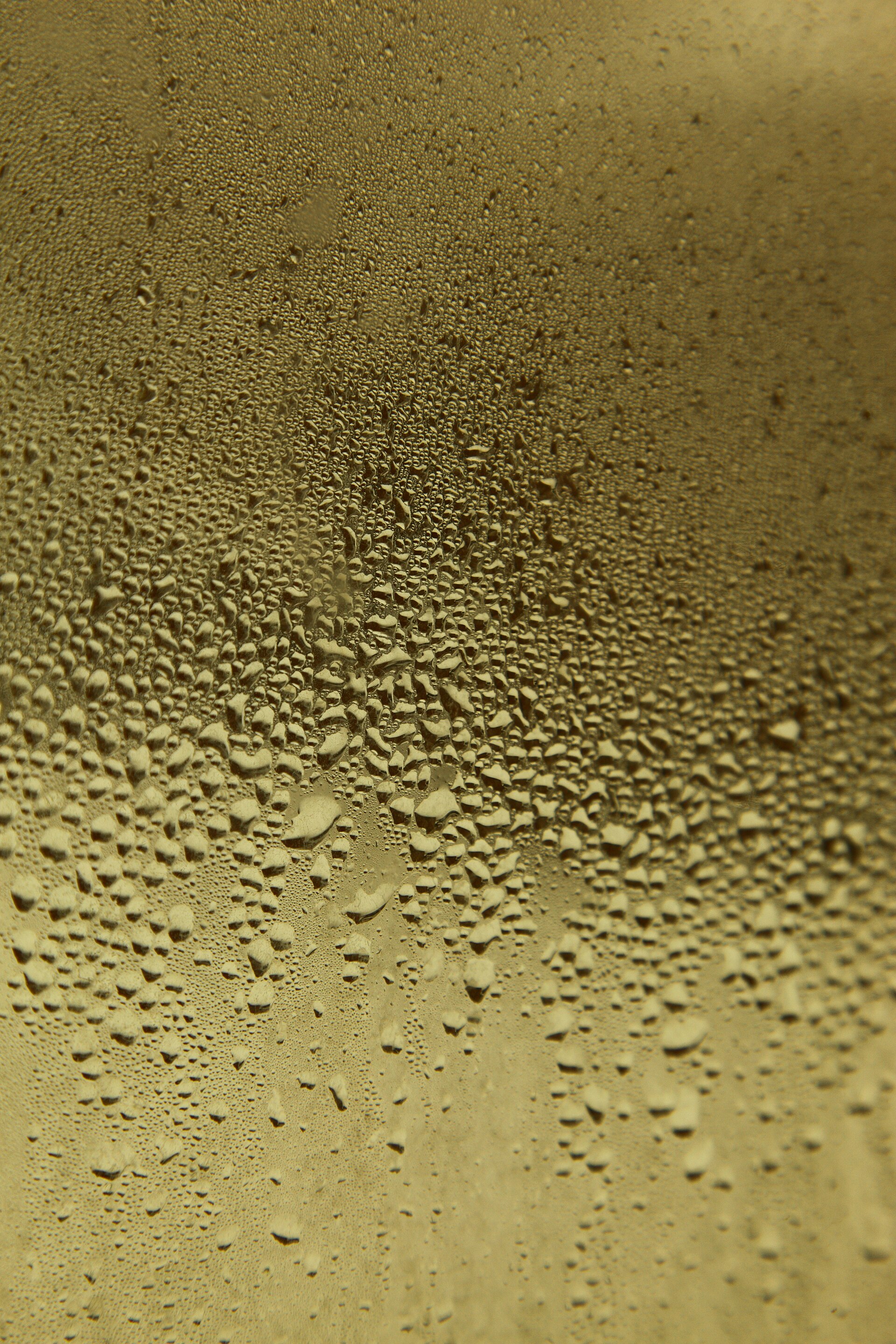
Condensation on bedroom windows is water that was already in your air. Warm air holds moisture that you cannot see. When that air touches cold glass, it cools, and the moisture turns back into liquid droplets on the pane.
Bedrooms suffer more than other rooms because you spend eight hours breathing in one, usually with the door closed. That steady output of warm, damp air meets the coldest surface in the room at the coldest hour of the night. The result is the wet glass you find in the morning.
This article explains why condensation forms, what daily habits stop it, when a dehumidifier helps, and how to tell a ventilation problem from a broken window seal. The fixes start with air, not with new glass.
Why bedroom windows get wet first
A typical family of four produces around 14 litres of water vapour a day through breathing, cooking, and showering, according to KJM Group. A share of that total lands in the bedroom overnight. Two sleeping people breathe out warm, moist air for hours into a room that often has closed doors and shut windows.
Glass is almost always the coldest surface in the room. Warm air can hold far more moisture than cold air.
When the warm bedroom air cools against the pane, it reaches its dew point, the temperature where air becomes saturated and sheds water. Droplets then form on the glass.
Newer windows can make the problem look worse. Old draughty frames let moist air leak out all night, which carried the dampness away along with the heat. Modern airtight windows seal the house far better, so the moisture stays inside unless you let it out on purpose.
Condensation on the inside of the glass is therefore a ventilation signal, not a window fault. If you can wipe the water off from inside the room, the cause is humid indoor air. Water trapped between the panes is a different problem, and it points to a failed seal.
The 10-minute morning routine that clears most of it
The single most effective habit is a short, sharp burst of ventilation right after you wake up. Open the bedroom windows wide for about 10 minutes. If you can open windows on opposite sides of the home at the same time, the through-draught flushes damp air out faster.
KJM Group recommends exactly this pattern: open windows on opposite sides of the property for 10 minutes to clear roughly eight hours of exhaled, stale air. The burst is short on purpose. It replaces damp air without giving walls and furniture time to cool down.
Keep trickle vents open day and night. These are the small sliding vents at the top of many window frames. They provide a steady trickle of background air that keeps moisture from building up while you sleep.
Leave the bedroom door open during the day when you can. A closed door traps humid air in one room. Open internal doors let moisture spread and leave through the rest of the house instead of settling on one cold pane.
Wipe pooled water off the sill each morning. Standing water soaks into frames, sealant, and paint.
A quick wipe takes seconds and keeps small damp patches from turning into mould colonies. If your bedroom smells stale even after airing, that musty odour is worth chasing down, as explained in our guide on why a room smells musty even when it looks clean.
Cut moisture at the source
Ventilation works better when less moisture enters the air in the first place. Showers and cooking are the two biggest daily sources.
Run the bathroom extractor fan during every shower and keep it running for at least 15 to 20 minutes afterward, as Engineer Fix advises. Keep the bathroom door closed while the fan runs so damp air does not drift into hallways and bedrooms.
Use the kitchen hood whenever you boil water. Put lids on pots.
Both steps trap steam before it spreads through the house. Small habits like these keep the whole home drier, and the bedroom benefits along with every other room.
Never dry wet laundry on a hot radiator. KJM Group calls radiator drying the number one cause of winter condensation because it pumps litres of water straight into the room.
Dry clothes outside when you can. If you must dry indoors, use one room, close its door, and crack its window open.
Move curtains and furniture slightly away from the glass. Heavy curtains that hang against a cold pane trap a pocket of still, damp air right where condensation forms. A small gap lets warm room air circulate across the glass and raises the surface temperature a little.
Aim for 30 to 50 percent indoor humidity
A cheap hygrometer tells you whether your habits are working. Engineer Fix recommends an indoor relative humidity range of 30 to 50 percent.
Below that range, air feels dry and can irritate noses and throats. Above it, condensation and mould risk climb.
Check the reading in the bedroom in the morning, when humidity peaks. If the number sits above 50 percent most mornings even after airing, your home needs more than habit changes. If it sits in range but one window still drips, that window may be unusually cold, shaded, or poorly insulated.
A pattern of high readings tells you the house holds too much moisture day after day.
When a dehumidifier is the right answer
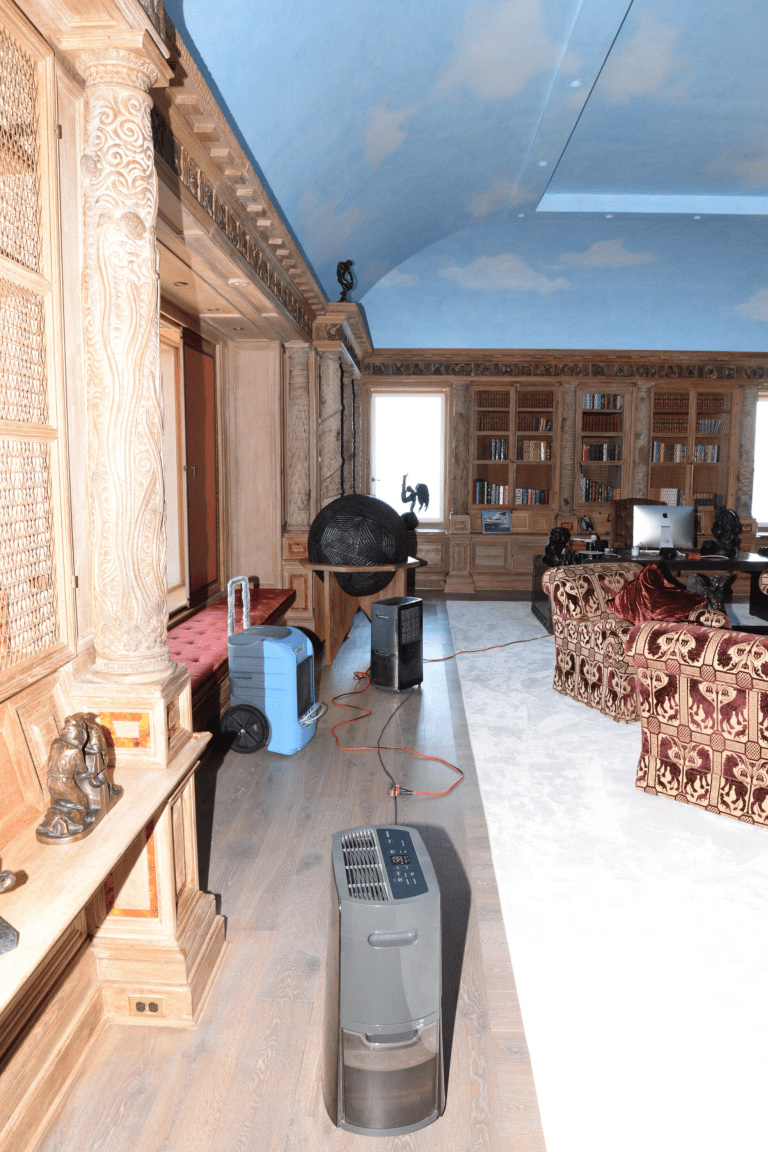
A portable dehumidifier makes sense when ventilation alone cannot keep humidity in range. It draws room air over a cold coil, collects the condensed water in a tank, and returns drier air to the room. Bedrooms with persistent condensation in airtight new-build homes are a common case.
Choose a unit sized for the room, and empty or drain the tank on schedule. Run it in the bedroom during the day or in the evening rather than all night if the noise bothers you. A unit with a laundry-drying setting can also handle indoor drying days without flooding the air with moisture.
For whole-house dampness that resists every habit, a whole-house dehumidifier or a heat recovery ventilator may be the long-term answer. These systems exchange stale, humid indoor air for fresh outdoor air while recovering most of the heat. They cost more up front, but they hold humidity steady without daily effort.
Why you should not ignore it
Left alone, condensation feeds mould. Constant moisture on window sealant, frames, and nearby walls creates the right conditions for black mould, including Stachybotrys chartarum. The NHS warns that inhaling or touching mould spores can cause respiratory infections, asthma attacks, sneezing, and red eyes, with babies, children, and older people most at risk, as cited by KJM Group.
The quote that sums up the fix comes from Which? Trusted Traders, quoted by Brit Brief: "It means there's too much moisture in the room and not enough ventilation.
Moisture needs somewhere to escape. The more you let fresh air circulate, the less water ends up on your windows."
Clean small mould spots promptly, and do it safely. Wear rubber gloves and a face mask, and never scrub dry mould, which releases spores into the air.
KJM Group suggests a mix of one part household bleach to four parts warm water, left on the spot for 15 to 20 minutes, then wiped with a damp cloth and dried. Throw used cloths in an outside bin.
If mould keeps returning after you have fixed ventilation, look further. Persistent mould can signal a leak, a cold bridge, or damp in the wall itself.
Cleaning the surface will not cure a source that keeps feeding moisture into the room. Mould on bathroom walls follows the same logic, and the safe cleaning steps in our guide on getting rid of mould on bathroom walls safely apply here too.
Condensation inside, outside, or between the panes
Where the water sits tells you what is wrong. Water on the inside surface means humid indoor air.
Water on the outside surface on a clear morning is normal and often means your glazing insulates well. Water trapped between the panes means the sealed unit has failed.
A failed seal lets moist air into the gap between the glass layers. The fogging cannot be wiped away from either side, and the pane may look cloudy or show white mineral deposits.
The insulating gas has usually escaped too, so the window loses thermal performance. A glazier can often replace just the sealed glass unit inside the existing frame.
Do not pay for new windows to fix inside condensation. New glazing will not remove moisture from the air.
It can even make the glass colder or warmer in ways that move the problem to the next coldest surface, such as an external wall. Fix the air first, then judge the windows.
Frequently asked questions
Why is condensation worst in the morning?
Overnight, outdoor temperatures drop and the glass turns cold. At the same time, you breathe out warm, moist air for hours with the bedroom door closed. That combination peaks just before you wake up, so mornings show the heaviest condensation.
Will triple glazing stop condensation on bedroom windows?
It helps, because the inner pane stays warmer and reaches the dew point less often. It will not cure the problem in a very humid home. Without ventilation, moisture simply condenses on the next coldest surface, such as an external wall.
Is inside condensation covered by a window warranty?
No, in most cases. Surface condensation inside the room is treated as a ventilation and lifestyle issue, not a product fault. Condensation trapped between the panes is different, and it usually is covered as a failed unit.
Do moisture absorber tubs work?
They help with light condensation in a small room or cupboard. They cannot handle whole-house moisture. If you empty the tub fast, that is a sign you need a dehumidifier or better ventilation instead.
Should I heat the bedroom more to stop condensation?
Steady, moderate heat helps because warmer glass condenses less. Wild swings between cold nights and short blasts of heat make things worse. Keep heating low and steady, and pair it with ventilation rather than replacing ventilation with heat.
The bottom line
Condensation on bedroom windows is a moisture problem with an air solution. Air the bedroom for 10 minutes each morning, keep trickle vents open, run fans after showers, and stop drying laundry on radiators.
Check humidity with a hygrometer and aim for 30 to 50 percent. Add a dehumidifier only if habits alone cannot hold that range.
Tags: condensation, windows, ventilation, damp, bedroom
Latest in Home
- Why a Room Smells Musty Even When It Looks Clean
- How to Get Rid of Mould on Bathroom Walls Safely
- How to Keep Your Home Cool Without Air Conditioning
- How to Childproof Your Home Before Your Baby Crawls
Subscribe for one practical home fix each week, written in plain English.
Related stories
Why Your Faucet Keeps Dripping After You Turn It Off
A dripping faucet is usually a worn washer, O-ring, or cartridge that can no longer seal. One drip per second wastes over 3,000 gallons
How to fix a running toilet without a plumber in 30 minutes
A running toilet can waste 200 gallons of water a day. Diagnose the flapper, float, or fill valve in two minutes, then fix it yourself

How to hang heavy shelves on drywall safely
Studs first, toggle bolts second, plastic anchors never for heavy loads. Weight ratings, installation steps, and mistakes that bring