
Why Does Your Room Smell Musty Even When Clean
Key takeaways
- A musty smell usually means hidden moisture, not dirt, and cleaning alone will not remove the cause.
- Indoor humidity above 50 percent lets mold and mildew grow, even with no visible leak.
- Mold patches larger than 10 square feet need a professional, not a DIY cleanup.

A room can look spotless and still smell stale. The floor is swept, the bedding is fresh, and the surfaces are wiped, yet a damp, earthy odor hangs in the air. That smell is a signal, not a cleaning failure.
Musty odors usually mean moisture is feeding mold or mildew somewhere out of sight. Cleaning removes surface dirt, but it does not dry a damp wall cavity, fix a slow leak, or move stale air out of a closed room.
This article explains why your room smells musty even when clean, including hidden moisture, humidity, poor airflow, and damp materials. It also covers how to find the source, fix it, and keep the smell from coming back.
What a musty smell actually is
A musty smell is often damp, stale, and earthy, like wet cardboard or old cloth. It forms when moisture stays in a room or soaks into absorbent materials. Slow airflow lets humid air and odors linger longer.
The odor comes from microbial volatile organic compounds, or MVOCs. These are gases released as mold and mildew break down organic materials such as wood, drywall, and fabric.
That is why the smell can appear before any visible growth. A colony can grow inside a wall, under flooring, or behind furniture long before stains show on the surface. Odor alone cannot confirm the type or extent of growth, but a lasting smell deserves attention.
Cleaning helps only when it reaches the damp material. Wiping a clean-looking wall does nothing if the mold is growing on the back of the drywall. The fix starts with finding where moisture is collecting.
Hidden moisture sources
Slow leaks are the most common hidden cause. A dripping pipe, a loose sink fitting, or a roof leak can soak building materials for weeks without a visible puddle. Water travels inside walls and can show up far from where it entered.
Check the usual suspects first. Look under sinks, around toilets, behind the washing machine, and near the water heater. Look for swollen baseboards, peeling paint, soft spots in flooring, and discolored patches on ceilings.
Roof leaks often start in the attic and run down inside walls, then leak through ceiling edges, window frames, or baseboards below. A stain on a ceiling may sit far from the actual hole in the roof.
Condensation is another quiet source. Warm indoor air hitting a cold surface leaves water behind. Window frames, uninsulated exterior walls, and cold pipes all collect condensation overnight, and mold can grow on the sill or frame.
Damp materials hold the smell after the water is gone. Carpet padding, upholstery, curtains, bedding, and stored cardboard all absorb moisture and release it slowly. A carpet that felt dry on top can still be damp at the base.
Furniture pressed against an exterior wall makes things worse. It blocks airflow and traps moisture between upholstery and a cold wall. Pulling furniture a few centimeters out from the wall often helps more than any spray.
Humidity and poor airflow
Humidity is the second major cause, and it needs no leak at all. Showers, cooking, indoor laundry, and humid weather all add water vapor to indoor air. Bedding, curtains, carpet, and furniture absorb it and stay slightly damp.
Panasonic advises keeping indoor humidity between 30 and 50 percent. Humidity over 50 percent creates the right conditions for mold and bacteria, and the odor that follows. EasyRest gives the same range, and adds that levels should stay below 60 percent at all times.
A hygrometer, a small humidity sensor, tells you where the room stands. They cost little and remove the guesswork. Check the reading in the morning, when overnight moisture peaks, and again after showers or cooking.
Poor ventilation traps that moisture. Rooms with no exhaust fan, closed windows, and still air stay damp longer. Basements, attics, closets, and rooms with doors kept shut are the worst offenders.
Air conditioning systems can add to the problem. Dirty filters, clogged drain pans, and mold on coils push musty air through the whole home. A system with a clean filter and a clear drain removes moisture instead of spreading odor.
If your bathroom walls show mold, the fan and filter are worth checking before anything else.
How to find the source
Work through the room with your nose and your hands. Start low, since cool moist air settles near the floor. Sniff along baseboards, inside closets, and behind furniture.
The Spruce lays out a room-by-room search. In the bathroom, check the shower, the shower curtain, and leaks around sinks, tubs, and toilets. In the kitchen, check around the sink and dishwasher, under the fridge, and inside cabinets where a bottle may have spilled.
In bedrooms and living areas, check window seals for leaks, look under potted plants, and check closets for mildew from damp shoes or clothes. In the laundry room, check around the washer and inside the door seal of a front-load washer, where mildew collects.
Do not forget the attic, basement, and garage. Check damp areas around windows, water heaters, and vents. Forgotten wet towels, sports gear, and beach bags can also grow mold if left in a closed space.
If the smell is strong but nothing is visible, suspect the wall cavity or subfloor. A reading that stays high points to a leak worth opening up.
Fix the moisture first
Air fresheners only mask the smell. The lasting fix is to stop the water, dry the area, and keep it dry.
Repair any leak you find. Tighten fittings, replace a worn washer, reseal a window, or call a plumber for a pipe inside a wall. Quick repairs and thorough drying prevent mold growth and protect the structure of the home.
Dry wet materials within a day or two. Move air with fans, open windows when the outside air is dry, and run a dehumidifier in damp rooms. The Spruce advises keeping interior humidity no higher than 50 percent, and emptying the dehumidifier bin often.
Increase air circulation even when you find no visible mold. Open windows and doors, run ceiling and attic fans, and keep the HVAC system running with clean filters. Good airflow alone can clear a mild musty smell in a day.
For condensation on bedroom windows, ventilation and humidity control matter more than wiping the glass.
Cleaning small mold patches safely
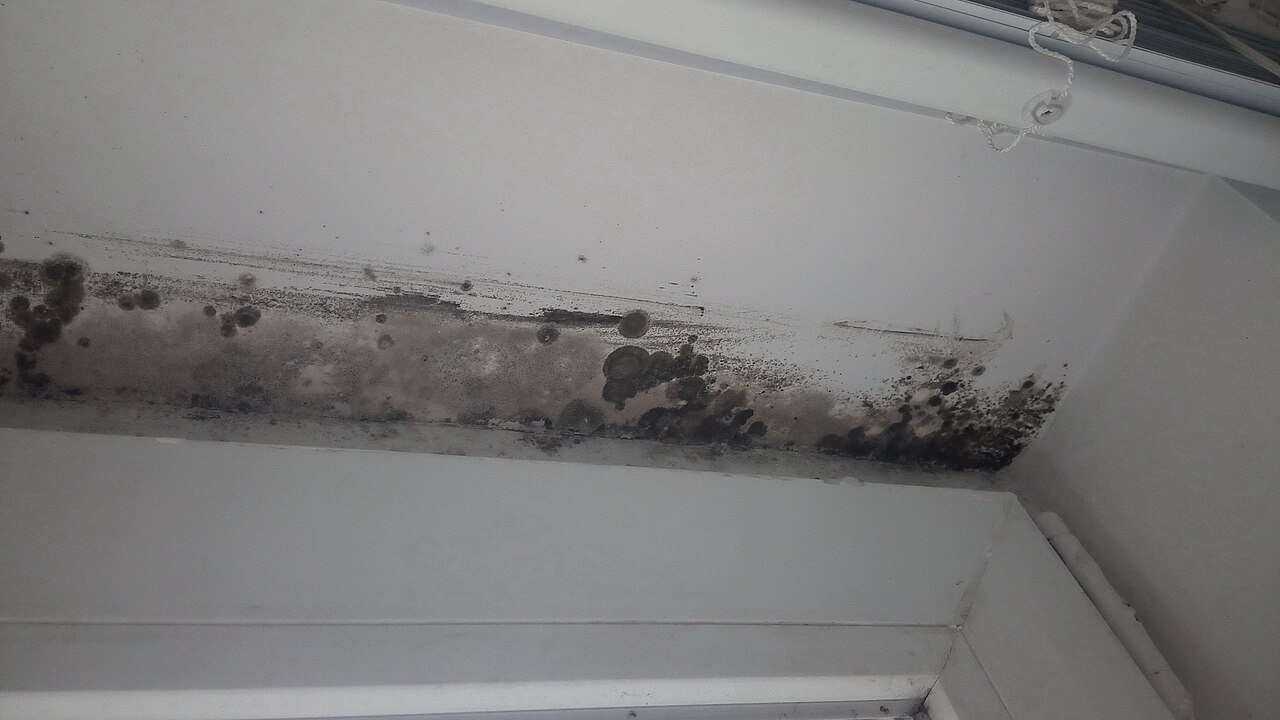
Small patches of mildew can be cleaned at home. Wear gloves, goggles, and a respirator or N95-type mask. Open a window or run a fan that exhausts air outside, and seal off HVAC vents so spores do not travel.
For a minor spot, warm water and a few squirts of dish detergent will wipe away mold spores. For a larger small area, The Spruce gives a mix of 1 cup of chlorine bleach in 1 gallon of water, which works on tile, grout, cement walls, and washable fabrics.
Throw away porous materials that mold has soaked through, such as ceiling tiles and carpet. Mold is hard or impossible to remove fully from those materials, and cleaning the surface leaves growth inside.
Know the limit. If the mold area is larger than 10 square feet, The Spruce notes that the US Environmental Protection Agency advises against cleaning it yourself. Call a professional for large growth, for mold inside walls, and for any job where removing material would release a large cloud of spores.
Clearing the leftover odor
The smell can linger after the mold is gone, because odor compounds stay embedded in fabrics and surfaces. Deep cleaning is the next step.
Deep clean carpets and upholstered furniture, either yourself or with a professional. Clean on a dry, breezy day so fabrics dry fast. Damp fabrics that dry slowly can grow mildew again.
Declutter as you clean. Stacks of paper and books trap moisture and hold the odor. Dust every surface and remove what you do not need, especially in closets and corners with weak airflow.
Odor absorbers help once the source is fixed. Activated charcoal bags work in closets and still corners. A bowl of dry baking soda, coffee grounds, or kitty litter also absorbs odors, and needs changing often.
Add pleasant scents only after the mildew is gone. Simmering spices or citrus peels, diffuser sticks, and essential oil diffusers all work. Scent layered over live mold just mixes two smells.
Keep it from coming back
Prevention is mostly habit. Run the bathroom fan during and after showers. Vent the kitchen fan while cooking.
Never leave wet laundry sitting in the machine, and dry towels fully before folding them.
Check the trouble spots each season. Look behind the washing machine, under sinks, and around window frames. Catching a slow leak early is far cheaper than drying a soaked wall.
Paint bathrooms and kitchens with mold-inhibiting paint when you redecorate. Replace cracked caulk around tubs and windows before water gets behind it.
In humid climates, a dehumidifier may be a permanent fixture. Keep it clean, empty the bin, and check the humidity reading each week. A room that stays under 50 percent humidity rarely smells musty.

FAQ
Why does the smell return after I clean?
The moisture source is still active. Cleaning removes surface growth, but a leak, high humidity, or damp material regrows mold within days. Find and fix the water before you clean again.
Is a musty smell dangerous?
Mold exposure can irritate the nose, eyes, skin, and airways, and it can worsen asthma. The Spruce lists stuffy nose, wheezing, coughing, red or itchy eyes, itchy skin, shortness of breath, and fever among the possible symptoms. People with asthma or allergies feel it first.
Can I just use an air purifier?
A purifier with a clean filter can cut airborne spores and reduce odor, but it does not dry a damp wall or fix a leak. Use it as backup, not as the main fix.
How long does it take for mold to start growing?
Mold can start within a day or two of water exposure, so fast drying matters. Dry any wet area within 24 to 48 hours where you can, and keep fans running until surfaces feel dry to the touch.
The bottom line
A clean room that smells musty is telling you about water, not dirt. Track down the moisture, dry the area, keep humidity under 50 percent, and clean only the patches small enough to handle safely. When growth covers more than 10 square feet, call a professional instead of tackling it yourself.
Tags: musty smell, mold, humidity, home care
Latest in Home
- Get Rid of Mould on Bathroom Walls Safely
- Stop Condensation on Bedroom Windows
- Keep Your Home Cool Without Air Conditioning
Subscribe for one practical home care guide in your inbox each week.
Related stories
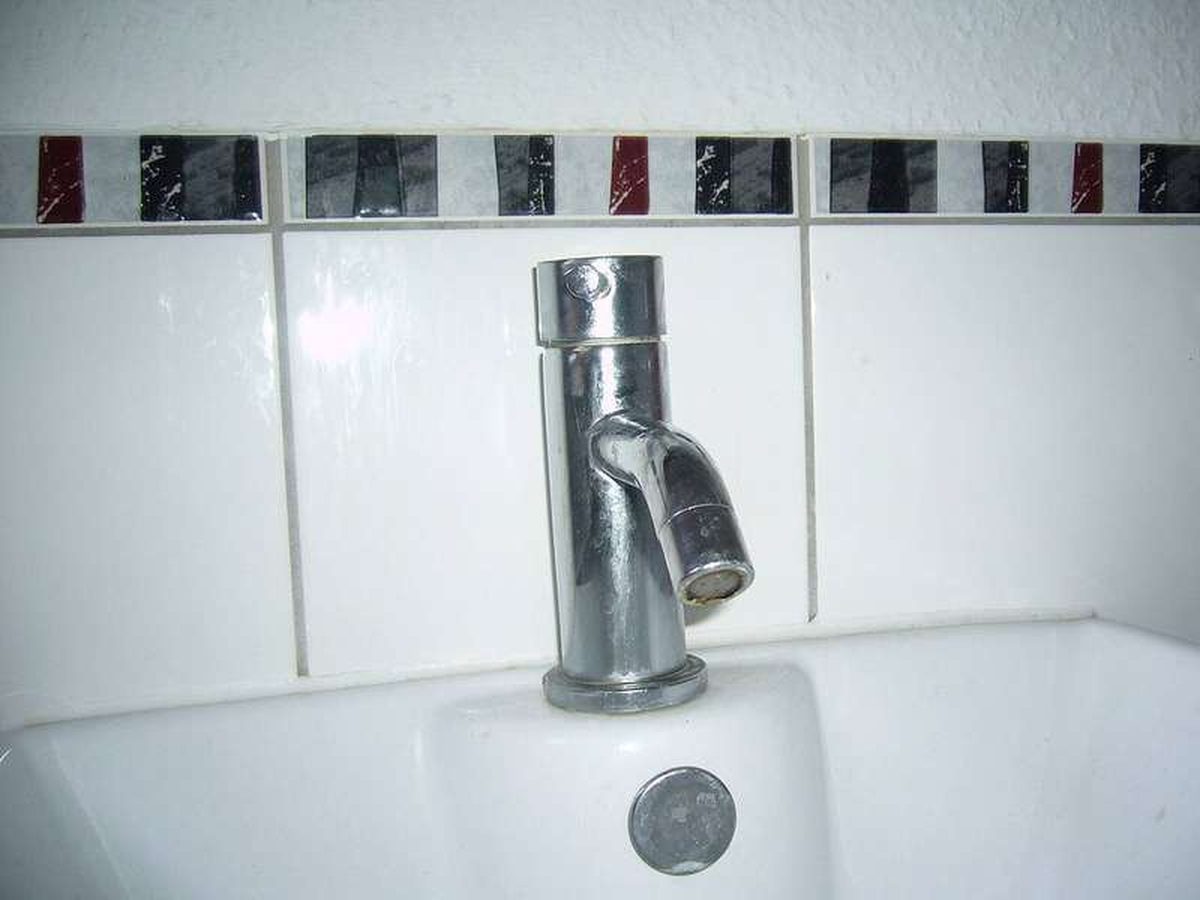
Why Your Faucet Keeps Dripping After You Turn It Off
A dripping faucet is usually a worn washer, O-ring, or cartridge that can no longer seal. One drip per second wastes over 3,000 gallons
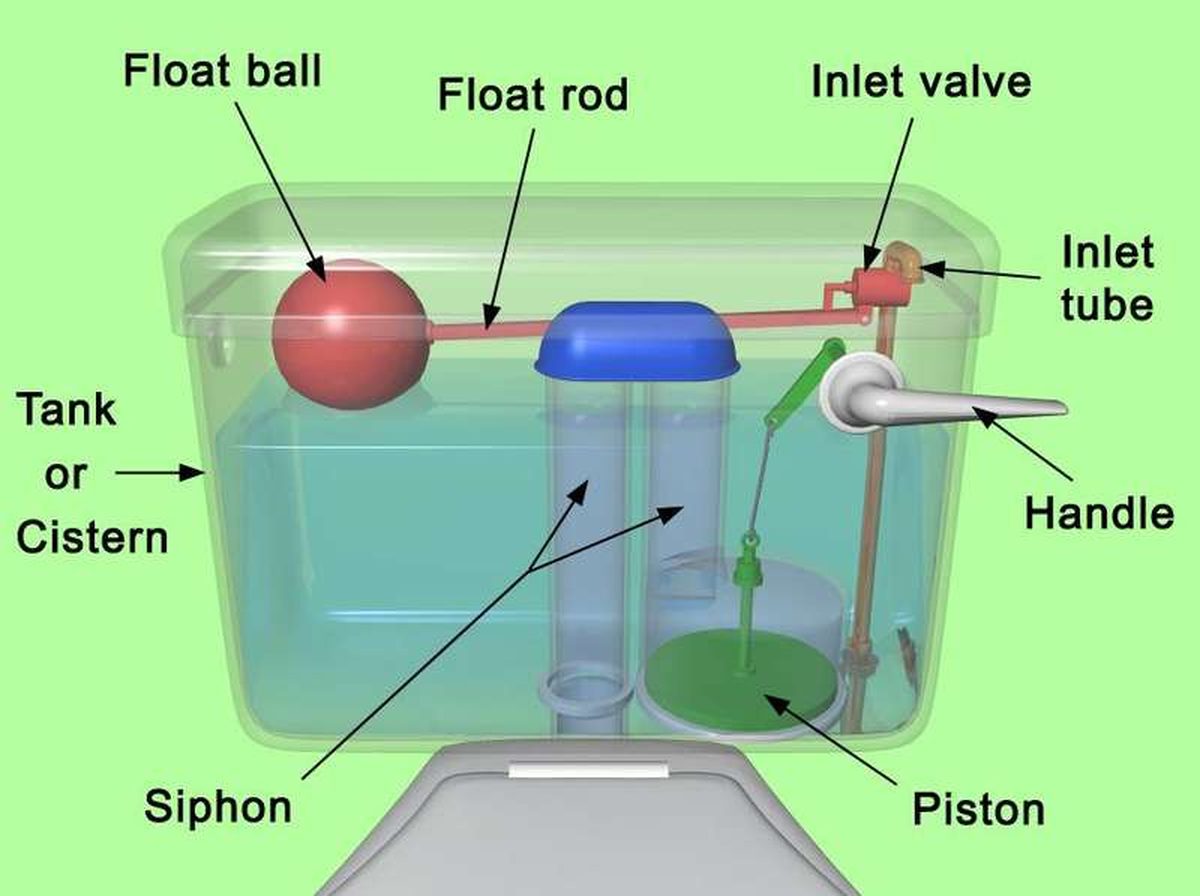
How to fix a running toilet without a plumber in 30 minutes
A running toilet can waste 200 gallons of water a day. Diagnose the flapper, float, or fill valve in two minutes, then fix it yourself

How to hang heavy shelves on drywall safely
Studs first, toggle bolts second, plastic anchors never for heavy loads. Weight ratings, installation steps, and mistakes that bring