
Why Paint Feels Dry in Hours but Needs Weeks to Cure
Key takeaways
- Dry-to-the-touch means only the surface water has evaporated, usually within 1 hour for latex paint at 70°F and 50% humidity.
- Full cure takes 2 to 4 weeks for latex because the binder particles must slowly knit into a hard, continuous film.
- Scrubbing, taping, or hanging pictures before the cure completes is the main reason fresh paint scuffs, peels, or burnishes.
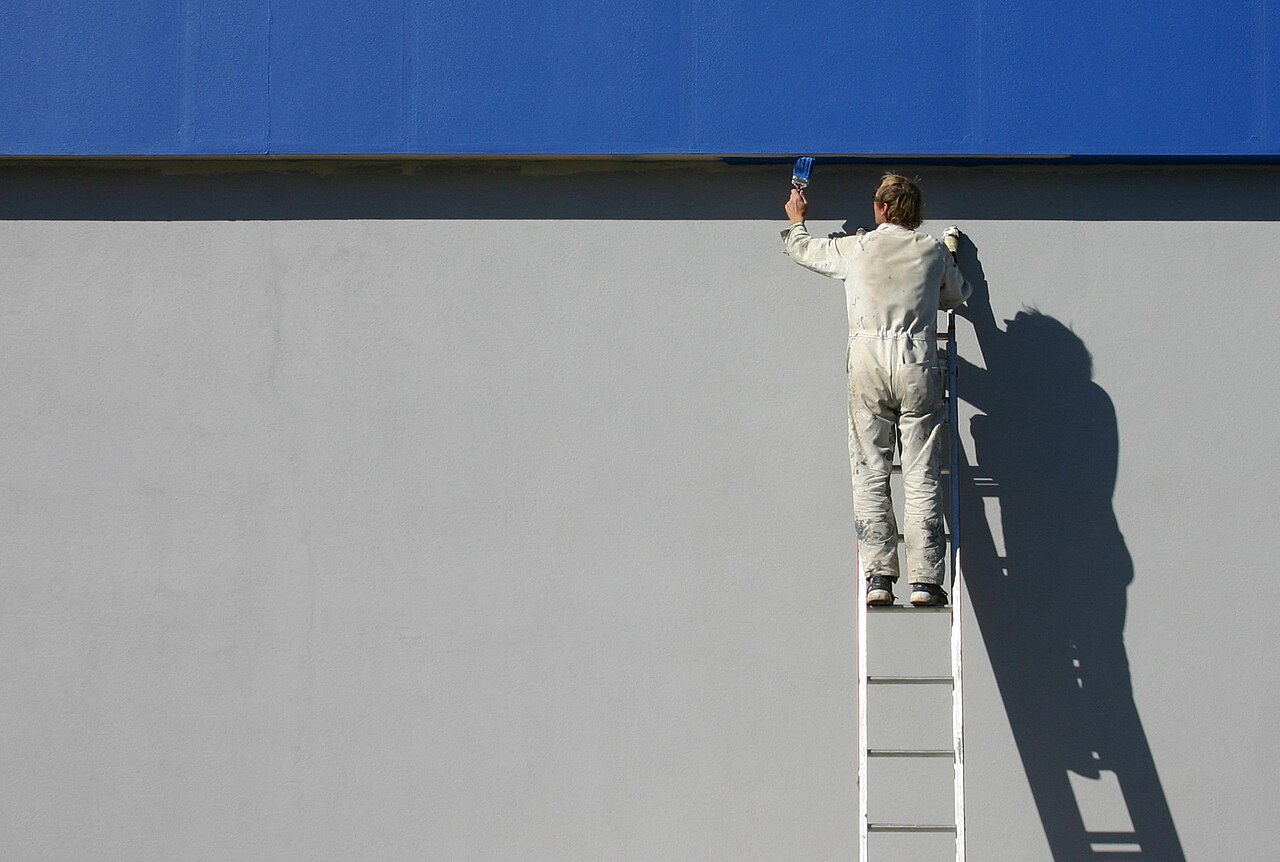
Image Credits: Wikimedia Commons / contributor
Touch a freshly painted latex wall an hour after the roller passed, and your finger comes away clean. It feels done. Yet the paint industry treats that wall as fragile for another two to four weeks, and the reason is that drying and curing are two different processes running on two different clocks.
Drying is physics: water leaves the film. Curing is chemistry: the binder hardens into its final protective layer.
The first takes hours. The second takes weeks.
This article explains what happens in each stage, the actual timelines for latex and oil-based paint, and what you should and should not do while the cure runs.
Drying: the surface clock
Dry-to-the-touch is the shortest drying time printed on most paint cans. It means you can rest your hand on the wall without picking up paint. For interior latex at the reference conditions cans assume, 70°F and 50% relative humidity, that takes 30 to 60 minutes.
What has happened at that point is simple evaporation. Water leaves the surface of the film first, which is why the top feels solid while the material underneath is still wet. The paint is not yet ready for a second coat, let alone furniture, tape, or scrubbing.
Recoat time comes next, usually 2 to 4 hours for latex. Painters use this window between coats because the surface has set enough to accept another layer. Handling time, when you can use the room or place objects against the wall, generally falls around 24 to 48 hours.
All of these are still the drying clock, not the curing clock.
Curing: the film clock
Curing begins after the paint feels dry. The binder, the resin that holds the pigment together, keeps changing long after the water is gone. In latex and acrylic paints, the leftover resin particles slowly coalesce, knitting into a continuous hard film.
In oil-based paints, the alkyd binder cross-links with oxygen from the air, a reaction called oxidation.
Both routes build the properties you actually want from paint: hardness, washability, and chemical resistance. Published figures for latex cluster at 2 to 3 weeks, with some products quoted at 4 weeks. Oil-based paints, which take far longer to dry, finish curing sooner in many formulations, with quoted ranges from about 5 days to 15 days.
The rankings flip between the two clocks. Latex dries in an hour but cures in weeks. Oil-based paint takes 6 to 16 hours to feel dry but its oxidation reaction completes in days once running.
That inversion confuses almost everyone.
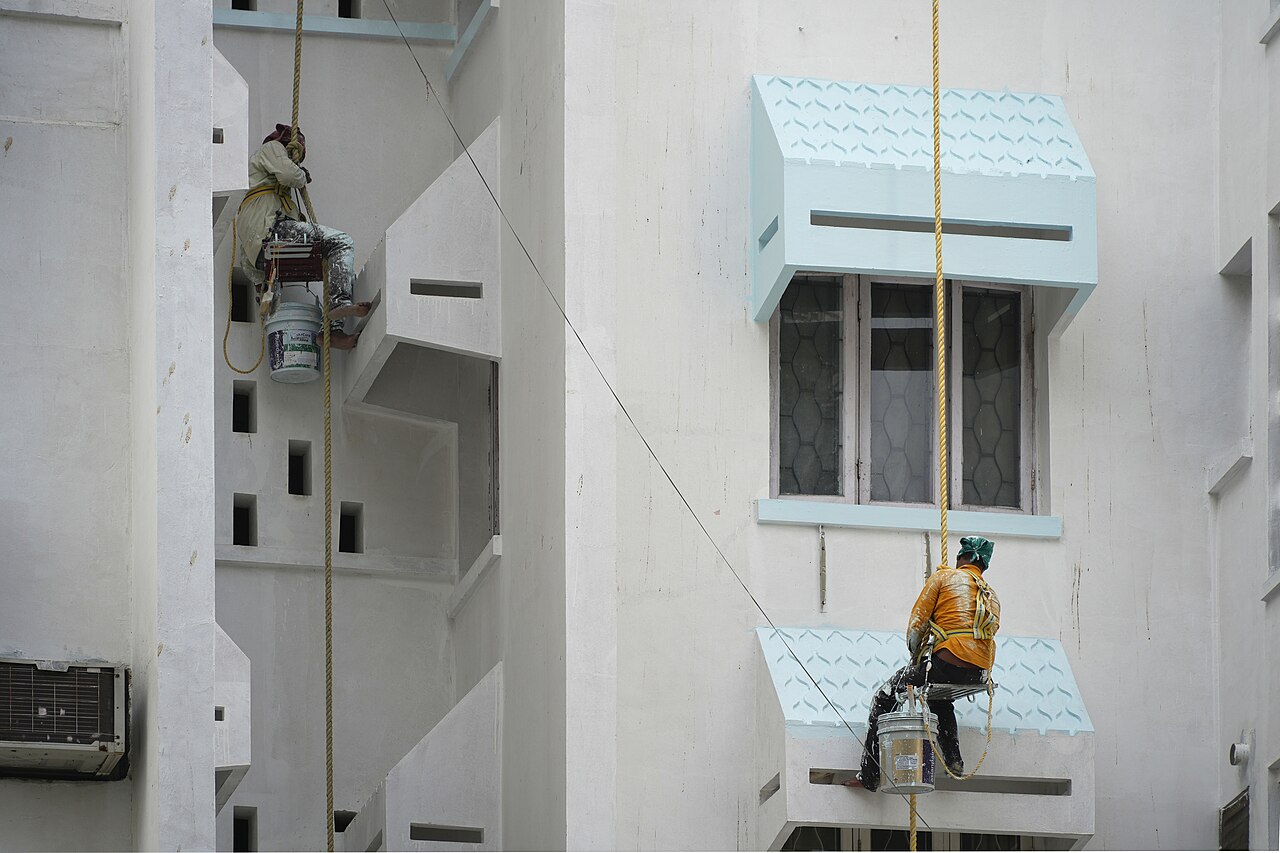
The two clocks side by side
At the standard test conditions, the working numbers look like this:
- Interior latex or acrylic: touch-dry in 30 to 60 minutes, recoat in 2 to 4 hours, fully cured in 2 to 4 weeks.
- Oil-based or alkyd enamel: touch-dry in 6 to 8 hours, recoat in 16 to 24 hours, fully cured in about 7 days to several weeks.
- Aerosol spray paint: touch-dry in 10 to 30 minutes, handle in about an hour, fully cured in 24 hours to 7 days.
One striking detail from product data: sheen changes the cure time. In the same brand and product line, a flat 100% acrylic can cure in two weeks while the satin version needs four. Glossier films are denser, and the chemistry underneath takes longer to finish.
What slows the cure
Because curing is a chemical and physical process, conditions matter enormously. The dry times printed on cans assume 65 to 85°F and humidity below 50%. Move outside that window and everything stretches.
Humidity is the biggest factor for latex. The paint dries by evaporation, and evaporation stalls when the air is already saturated. At 80% relative humidity, a 2-hour recoat window can stretch to 6 or 8 hours, and the cure drags with it.
Cold air is worse: below 50°F, latex may never form a proper film at all.
Film thickness matters more than most people expect. One thick coat takes far longer to dry and cure than two thin coats, because the water at the bottom must migrate up through everything above it. A coat twice as thick takes much longer than twice as long.
The surface skin can even trap moisture underneath, stalling the whole film.
Why fresh paint scuffs, peels, and burnishes
The color shift that painters notice is part of the same story. The final intended color, often called the true color, stabilizes only as the pigment and binder lock into their hardened film. A newly dried wall can still be vulnerable to marking or burnishing, which is why the first scuff shows up so easily.
That vulnerability is exactly what curing resolves. Until the film reaches final hardness, it cannot take cleaning, tape, or friction. Pressing a fingernail into day-old latex leaves a dent that week-old paint shrugs off.
Hanging a picture too early can pull paint off with the tape, and scrubbing a "dry" wall can burnish the sheen into a permanent shiny patch.
This is also why painters warn against forcing the dry. Heating a room or pointing a fan at the wall to speed drying can weaken the bond, causing blistering, cracking, or peeling. The chemistry needs its own pace.
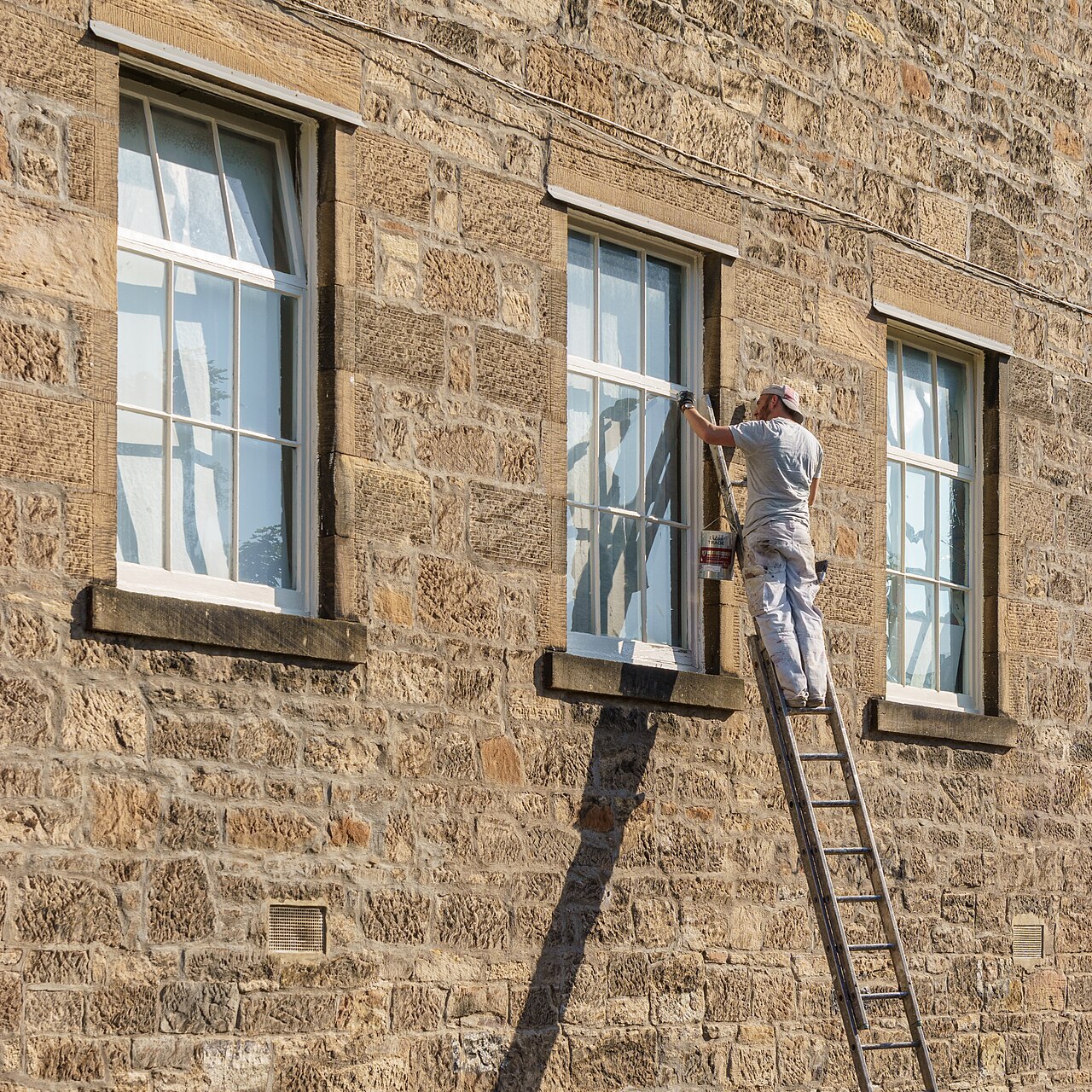
A practical timeline after painting
For a standard interior latex job, the safe schedule is:
- Hour 0 to 1: let the surface set; do not touch it.
- Hours 2 to 4: recoat window opens; a second coat can go on.
- 24 to 48 hours: light use of the room; keep furniture off the walls.
- Days 5 to 10: gentle contact only; avoid tape and hanging hardware.
- Weeks 2 to 4: full cure. Now it can be scrubbed, taped, and treated like a finished wall.
Oil-based trim and doors follow their own curve: wait 16 to 24 hours between coats, and allow a week or more before the finish takes real contact. Spray-painted pieces are the fastest to full cure, typically within a week.
Ventilation helps throughout. The paint emits volatile organic compounds as it cures, so fresh airflow supports both the chemistry and indoor air quality.
Paint curing questions, answered
Can I sleep in a freshly painted room?
The wall feels dry within hours, but the paint keeps emitting VOCs while it cures. Ventilate the room well, and if the smell is strong, give it an extra day or two with airflow before sleeping there.
Does a second coat restart the cure clock?
Not exactly, but each coat cures on its own schedule, and thick stacked coats take longer than thin ones. Two thin coats dry and cure faster than one heavy coat of the same total thickness.
Why did my tape pull paint off a month-old wall?
Either the surface was not primed or prepped properly, or the cure was stalled by cold or humidity. On a well-prepped wall at normal room conditions, tape should be safe after the full 2 to 4 week cure.
Do primers need to cure?
Primers are built for adhesion, not for a finished film. Their job is the recoat window, usually 30 minutes to an hour for latex primer, not a full cure. Do not treat primer like a topcoat.
The bottom line
Paint feels dry in an hour because the surface water evaporates fast. It needs weeks to cure because the binder beneath is still knitting into a hard, washable film, a process that takes 2 to 4 weeks for latex.
Treat the first month gently: no tape, no scrubbing, no hanging. The finish you get on day 30 is the one you were actually promised.
Latest in Home
- Why does condensation form on windows in winter?
- How to fix a running toilet without a plumber
- How to hang heavy shelves on drywall safely
- How to unclog a drain without chemicals
Subscribe for one practical home explainer every morning.
Related stories
Why Your Faucet Keeps Dripping After You Turn It Off
A dripping faucet is usually a worn washer, O-ring, or cartridge that can no longer seal. One drip per second wastes over 3,000 gallons
How to fix a running toilet without a plumber in 30 minutes
A running toilet can waste 200 gallons of water a day. Diagnose the flapper, float, or fill valve in two minutes, then fix it yourself
How to hang heavy shelves on drywall safely
Studs first, toggle bolts second, plastic anchors never for heavy loads. Weight ratings, installation steps, and mistakes that bring