
How to Unclog a Drain Without Chemicals: 5 Methods That Work
Key takeaways
- Mechanical methods beat pantry tricks: a plunger and a drain snake clear most clogs that chemicals would attack.
- Baking soda and vinegar fizz is too weak for serious clogs, according to working plumbers; it only helps light buildup.
- Call a professional when multiple fixtures slow down, drains gurgle, or water backs up where it should not.
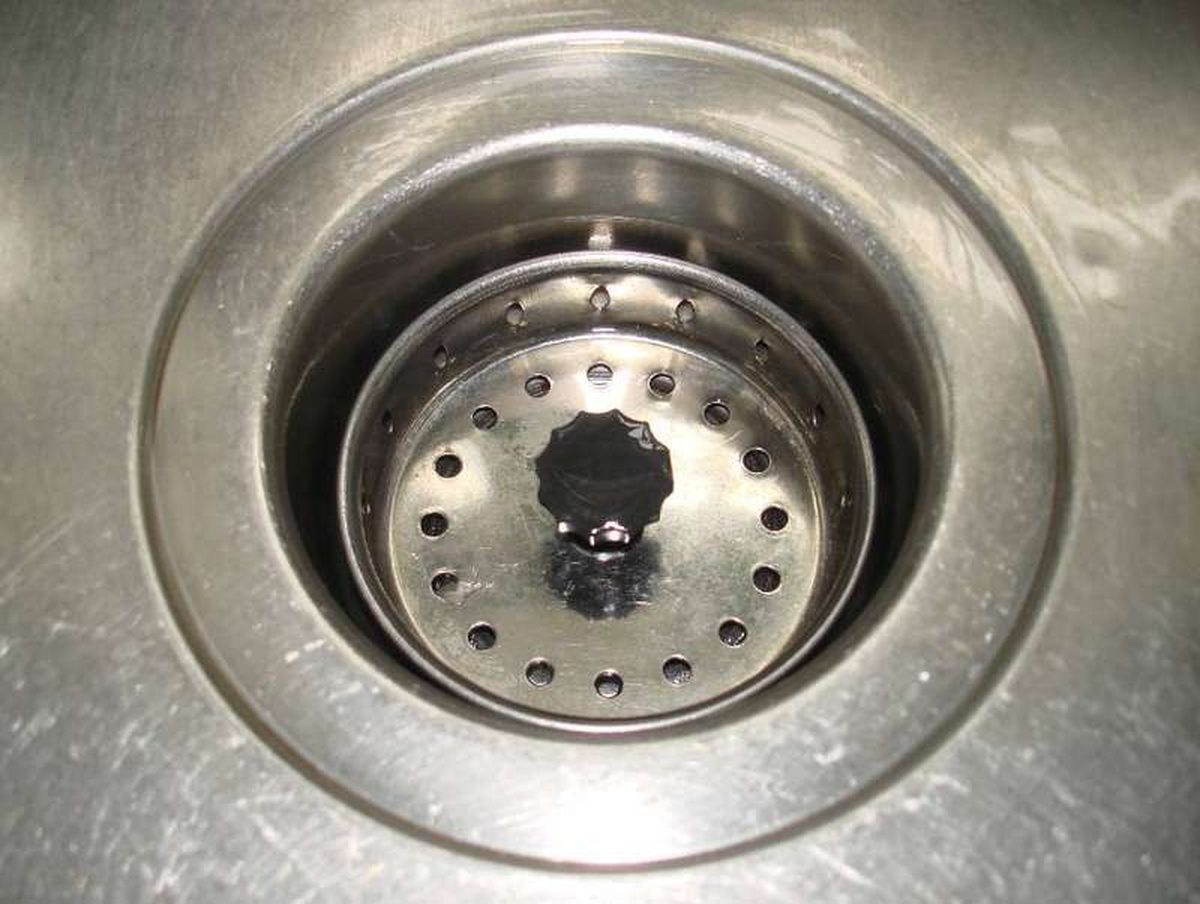
Most clogs sit within arm's reach of the drain opening. Photograph: Stilfehler/Wikimedia Commons
Image Credits: Wikimedia Commons
Chemical drain cleaners promise an easy fix, but they can corrode older pipes, produce harsh fumes, and burn skin. The good news is that most household clogs yield to simpler tools.
A plunger, a drain snake (a coiled-wire tool), hot water, and ten minutes of effort clear most slow and stuck drains without pouring anything harsh down the pipe. This article takes a closer look at chemical-free unclogging, including why chemicals are the last resort, the plunger done right, hand removal of clogs, the drain snake, an honest verdict on baking soda and vinegar, and when to call a plumber.
Why chemicals are the last resort
Harsh drain cleaners work by making heat and dissolving organic matter. That same chemistry attacks pipe walls, especially older metal pipes with worn inner surfaces.
The fumes are no joke either. Splashes can burn skin and eyes, and the residue left in the pipe can react badly if someone later tries a different cleaner. Plumbers routinely warn that a drain full of chemical cleaner makes their job more dangerous, not easier.
There is also a simpler reason to skip them: mechanical methods usually work better. Pulling the clog out beats trying to dissolve it from the top down.
Method 1: the plunger, done right
Most people own a plunger and use it wrong. Technique is everything.
First, choose the right type. Bathroom sinks and tubs need a cup-style plunger; kitchen sinks and toilets want the flanged kind that seals into a curved drain. Bell Brothers' plumbing guide adds two pro moves: seal the overflow drain with a wet rag, and smear petroleum jelly around the plunger lip for a better seal.
Run enough water to cover the plunger cup, then plunge with short, firm, vertical strokes. Aim for 6 to 10 firm plunges, rest, and repeat. The push-pull pressure dislodges partial blockages, and you will often hear or feel the moment it breaks free.
Method 2: pull the clog out by hand
Hair and soap scum clogs in bathroom drains sit close to the surface. Reaching them is faster than dissolving them.
Unscrew the drain strainer or pop up the stopper and look inside with a flashlight. A plastic zip tool, a bent wire hanger, or needle-nose pliers will fish out the hairball in seconds. Neighbourhood Plumbing puts it bluntly: if you can physically remove the debris, that is usually more effective than any liquid remedy.
For kitchen sinks with a visible grease buildup, try hot water and dish soap first. Squirt a generous amount of dish soap down the drain, let it sit 10 to 15 minutes, then flush with hot water. The soap cuts grease the way it does on a frying pan.
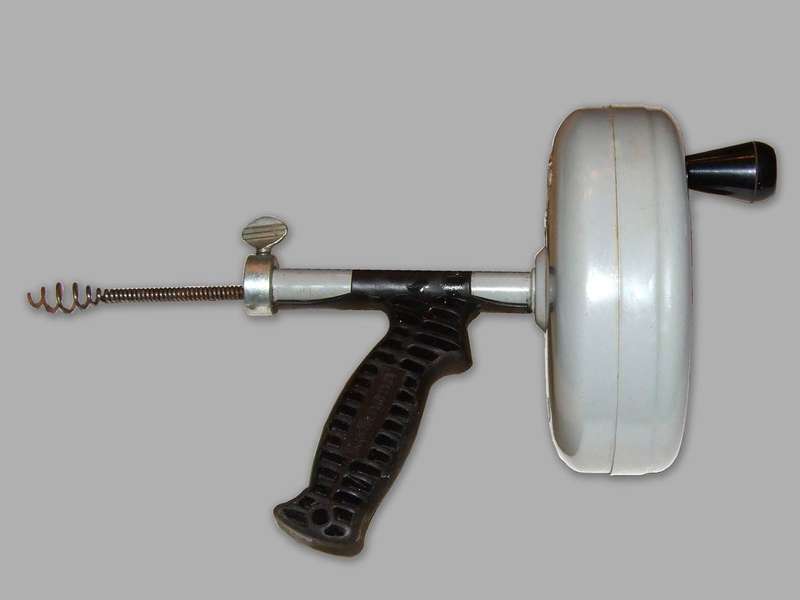
A handheld drain auger. The coiled wire reaches clogs a plunger cannot touch. Photograph: Pgdp123/Wikimedia Commons
Image Credits: Wikimedia Commons
Method 3: the drain snake
When the blockage sits deeper in the line, a drain snake (also called a hand auger) is the best DIY tool available. The coiled wire reaches several feet down, breaks apart buildup, and can hook debris to pull it back out.
Feed the cable slowly into the drain while turning the handle. When you feel resistance, you have found the clog. Crank through it gently, then pull the cable back and see what comes back with it.
Skip the flimsy plastic toothed strips sold at checkout counters. A metal hand auger costs little more and actually survives the trip. My Plumbing Pal recommends one with a small hook on the end and gloves plus eye protection for the inevitable splash.
Method 4: baking soda and vinegar, honestly
Here is the verdict working plumbers keep giving: the baking soda and vinegar volcano is too weak for real clogs. The fizz looks dramatic but lacks the strength to break down packed hair and grease.
It has a place as light maintenance. CySoda's guide gives the standard recipe: 1 cup of baking soda down the drain, followed by 1 cup of white vinegar, cover for 10 to 15 minutes, then flush with hot water. For minor soap scum and odor, it is a reasonable monthly habit.
Two safety notes. Never mix this method with chemical cleaners already in the drain; reactions between products can release harmful gases. And if your pipes are PVC, flush with hot tap water rather than a full kettle of boiling water, which can soften plastic joints.

Baking soda and vinegar reacting. The fizz is great for odor and light film, not for packed clogs. Photograph: Steve Jurvetson/Wikimedia Commons
Image Credits: Wikimedia Commons
Method 5: hot water alone
The simplest method deserves respect. For slow drains caused by grease or soap scum, half a gallon of hot water poured in a steady stream can melt and move the buildup.
This works best on kitchen sinks and bathroom drains that are draining slowly rather than fully blocked. Make it a weekly habit and grease never gets the chance to harden into a plug. For PVC pipes, keep it to hot tap water, not a rolling boil.
When to call a plumber
DIY has limits, and knowing them saves money. Call a licensed plumber when plunging and snaking change nothing, because the blockage may sit in the main line.
Multiple fixtures slowing down at once is the classic red flag. Gurgling sounds from drains, or water backing up into the tub when you run the sink, both point to venting issues or a sewer line problem. Those need a professional check, often with a camera inspection, and no pantry remedy will reach them.
Frequently asked questions
Can I use boiling water on PVC pipes?
No. Boiling water can soften PVC and weaken glued joints, so flush plastic drain lines with hot tap water. Boiling water is fine for metal pipes.
Does baking soda and vinegar actually unclog drains?
Only light buildup. Plumbers agree the reaction is too weak for packed hair or grease clogs. Use it for odor and maintenance, and reach for the plunger or snake for a real blockage.
Is a plunger safe for all drains?
Yes, with the right type. Cup plungers suit flat sink and tub drains; flanged plungers fit toilets and curved drains. Cover overflow openings first so your pressure goes into the clog, not out the overflow.
Why does my drain keep clogging in the same spot?
Recurring clogs usually mean the full blockage was never removed, just pushed deeper. Snaking past the trap, or cleaning the pop-up stopper assembly, usually ends the cycle.
The bottom line
Skip the chemicals and work in order: plunger first, then pull visible debris by hand, then the drain snake. Hot water and dish soap handle grease; baking soda and vinegar is for light maintenance, not rescue missions.
When several fixtures slow at once or drains gurgle, stop guessing and call a plumber. A camera inspection finds what no home remedy can reach.
Rive News is the research desk behind these explainers. We verify every claim against public sources before publishing.
Latest in Home
- How to fix a running toilet without a plumber in 30 minutes
- Why Your Faucet Keeps Dripping After You Turn It Off
- How to prevent bathroom mold without an exhaust fan as a renter
- What is the ideal indoor humidity level, and why does it matter?
Get one practical explainer in your inbox every morning. Subscribe to the Rive News newsletter.
Rive News follows a public corrections policy. If you spot an error, tell us and we will fix it visibly.
Related stories

Why Your Faucet Keeps Dripping After You Turn It Off
A dripping faucet is usually a worn washer, O-ring, or cartridge that can no longer seal. One drip per second wastes over 3,000 gallons

How to fix a running toilet without a plumber in 30 minutes
A running toilet can waste 200 gallons of water a day. Diagnose the flapper, float, or fill valve in two minutes, then fix it yourself

How to hang heavy shelves on drywall safely
Studs first, toggle bolts second, plastic anchors never for heavy loads. Weight ratings, installation steps, and mistakes that bring