
Why Smoke Detectors Beep Randomly With No Smoke
Key takeaways
- A short chirp every 30 to 60 seconds almost always means a low battery, not a fire.
- Steam, dust, insects, and paint fumes can all fool a sensor into beeping with no smoke present.
- Detectors expire after 7 to 10 years. A chirp that survives a fresh battery means the whole unit needs replacing.
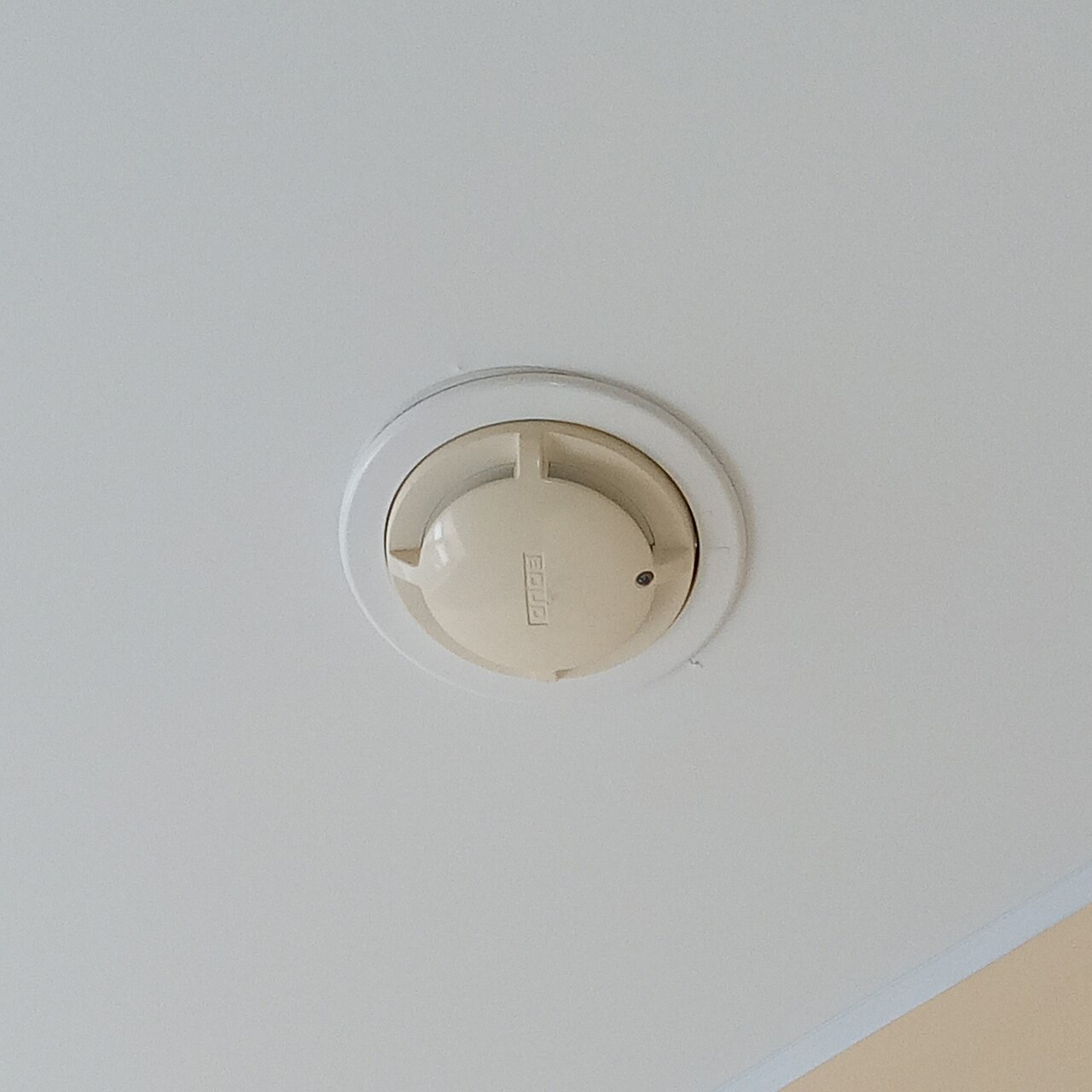
A smoke detector beeping in the middle of the night with no smoke anywhere is one of the most irritating sounds in a home. It is also the device doing exactly what it was designed to do: signal a problem. The problem is usually the detector itself, not a fire.
The confusion comes from how these devices work. Most smoke detectors are designed to alarm when their electrical current drops, because smoke in the air reduces that current.
A dying battery also reduces the current, which is why a weak battery produces false alarms. This article explains the real causes of random beeping, how to decode what your detector is telling you, and how to fix each cause.
Why do smoke detectors beep with no smoke?
There are six common reasons, and the beep pattern usually identifies which one you have.
1. Low or dying battery. This is the number one cause. The detector emits a short chirp every 30 to 60 seconds as the battery drains. MVS Chandrashekhar, a professor of electrical engineering at the University of South Carolina, explained in an interview with TechXplore that people usually change the battery when they move in and then never touch it again. He recommends changing batteries at least once every six months, though many safety guides set the floor at once a year.
2. Steam and humidity. The second most common cause of false positives, according to Chandrashekhar, is a detector placed too close to a bathroom. Steam from a hot shower can block the sensor's current flow just the way smoke does. Anything heavy in the air, cooking smoke, laundry-room moisture, or rapid temperature swings, can trigger the same effect.
3. Dust, dirt, and insects. Over time, dust, cobwebs, and small insects collect inside the sensing chamber and interfere with the sensor. The device interprets these particles as smoke. BELFOR recommends cleaning the detector gently with compressed air or a soft brush every few months.
4. Paint fumes and chemicals. Volatile organic compounds in fresh paint or chemical treatments can set off alarms. Chandrashekhar notes that these compounds can trigger detectors depending on how the sensor is tuned, and newer sensors are generally better calibrated than ones from a decade ago.
5. Expired detector. Smoke detectors last 7 to 10 years. As electronic components degrade, many models emit intermittent beeps to signal the end of their service life. If a chirp continues after a fresh battery, check the manufacture date printed on the back of the unit, not the purchase date.
6. Power or wiring problems. Hardwired detectors can chirp after power outages or surges, when the unit switches between mains power and battery backup. Loose wire connections or a failing backup battery can cause the same behavior. Wireless interference from nearby electronics is a rarer but documented cause.
Chirping vs. beeping: what the sound means
Knowing the difference matters for how fast you respond. A continuous, loud alarm means the detector senses smoke or fire, or someone pressed the test button. Treat that as an emergency until you confirm otherwise.
A chirp is a short, high-pitched tone repeating every 30 to 60 seconds. It signals maintenance: low battery, expired unit, or a minor malfunction.
One Guardian Protection rule is worth memorizing: never assume a beeping alarm is false. There may be smoke in another room or a hazard you cannot see. Check first, troubleshoot second.
For interconnected systems, all units sound together by design so you hear the alarm anywhere in the house. The unit that triggered first usually flashes a red light. Service that one to stop the chain reaction.
How to stop the beeping: step by step
Work through these in order, and test the detector after each fix.
Step 1: Find the source. In a house with several detectors, listen closely and check each device. Chirping usually comes from only one unit, the one with the weak battery or sensor issue, not the whole network.
Step 2: Replace the battery. Open the compartment and install a fresh battery of the type listed in the manual. Make sure any pull tab is removed, the drawer is closed, and the battery is seated firmly. Give the detector a few minutes to reset after the swap.
Step 3: Clean the detector. Remove the unit and gently vacuum around the vents with a soft brush attachment, or blow out the sensing chamber with compressed air. Wipe the exterior with a dry cloth. Never use water or cleaning sprays on the unit, since liquids can damage the sensor.
Step 4: Check placement. Detectors too close to kitchens, bathrooms, or vents cause repeat false alarms. The National Fire Protection Association recommends installing detectors inside each bedroom, outside every sleeping area, and on every level of the home, including the basement. Guardian Protection notes the NFPA guidance to keep detectors at least 10 feet from stoves and ovens, away from steamy bathrooms, and clear of doors, windows, and vents with strong drafts.
Step 5: Check the age. Look at the manufacture date on the back. If the unit is past 10 years, replace the whole detector, not just the battery. Alarms over 7 to 10 years old often chirp even with new batteries, and an expired detector may fail to respond to a real fire.
Step 6: Reset and test. Press and hold the test button until the alarm sounds. A steady, loud tone means the unit is working. Some hardwired models store error codes like low battery; if the chirp persists after a reset, call a professional or the manufacturer.
When to replace the detector instead of fixing it
Replace the unit when it is past its 10-year lifespan, when chirping continues after a battery swap and cleaning, when the test button produces no sound, or when the casing shows damage from water, paint, or corrosion. If you cannot determine the age of your alarms, replacing them is the safe default. Outdated detectors are unreliable and more likely to cause nuisance beeping.
This is not a device to nurse along. According to the National Fire Protection Association, cited by BELFOR, three out of five home fire deaths occur in properties without working smoke alarms.
A detector that cannot be trusted to stay quiet is also one that cannot be trusted to sound when it matters. Pulling the battery to stop the noise leaves the home unprotected, so fix the cause the same day.
Frequently asked questions
Why does my smoke detector beep in the middle of the night?
Nighttime beeping is usually the low-battery chirp, and it often seems to start overnight because cooler temperatures reduce battery output slightly. The classic pattern is one chirp every 30 to 60 seconds. Replace the battery in the morning.
I replaced the battery and it still chirps. Why?
The unit is probably expired. Check the manufacture date on the back.
Dust inside the sensor can also mimic end-of-life behavior, so clean the unit first. If cleaning and a fresh battery do not stop the chirp, replace the detector.
Can steam from the shower set off a smoke detector?
Yes.
Moisture particles can fool the sensor into reading steam as smoke. Move detectors away from bathrooms and steamy areas, and improve ventilation in humid rooms. Do not cover a detector to stop nuisance alarms; relocate it instead.
How often should I test my smoke detectors?
Test the alarm button monthly and replace batteries at least once a year, ideally when clocks change for daylight saving time. Replace the entire unit every 10 years from its manufacture date.
The bottom line
Match the symptom to the cause. A chirp every 30 to 60 seconds means a weak battery in almost every case, so start there.
Dust, steam, and paint fumes cover the rest of the false alarms, and each has a simple fix: clean the unit, move it away from moisture, or ventilate the room. When a fresh battery and a cleaning do not stop the chirp, the detector has reached the end of its 7-to-10-year life, and replacement is the only fix. The few minutes this takes are cheap insurance for the device your home counts on most.
Topics: smoke detectors, home safety, fire safety, troubleshooting
Latest in Home
- Why Your Ceiling Fan Wobbles and How to Balance It
- How to Reset a Tripped GFCI Outlet That Will Not Reset
- How to Stop a Door From Slamming Shut on Its Own
- How to Find a Wall Stud Without a Stud Finder
Subscribe for one practical home fix every morning.
Related stories

Why Your Faucet Keeps Dripping After You Turn It Off
A dripping faucet is usually a worn washer, O-ring, or cartridge that can no longer seal. One drip per second wastes over 3,000 gallons

How to fix a running toilet without a plumber in 30 minutes
A running toilet can waste 200 gallons of water a day. Diagnose the flapper, float, or fill valve in two minutes, then fix it yourself

How to hang heavy shelves on drywall safely
Studs first, toggle bolts second, plastic anchors never for heavy loads. Weight ratings, installation steps, and mistakes that bring