
Why Do Smoke Detectors Chirp When the Battery Is Low?
Key takeaways
- The chirp is a deliberate low-power warning: a circuit fires one beep every 30 to 60 seconds when voltage drops below a set threshold.
- For a 9-volt battery, that threshold sits around 7.2 to 7.7 volts, and the warning is designed to last at least seven days.
- Chirps cluster at night because falling room temperatures raise battery resistance and dip the voltage just enough to trip the circuit.
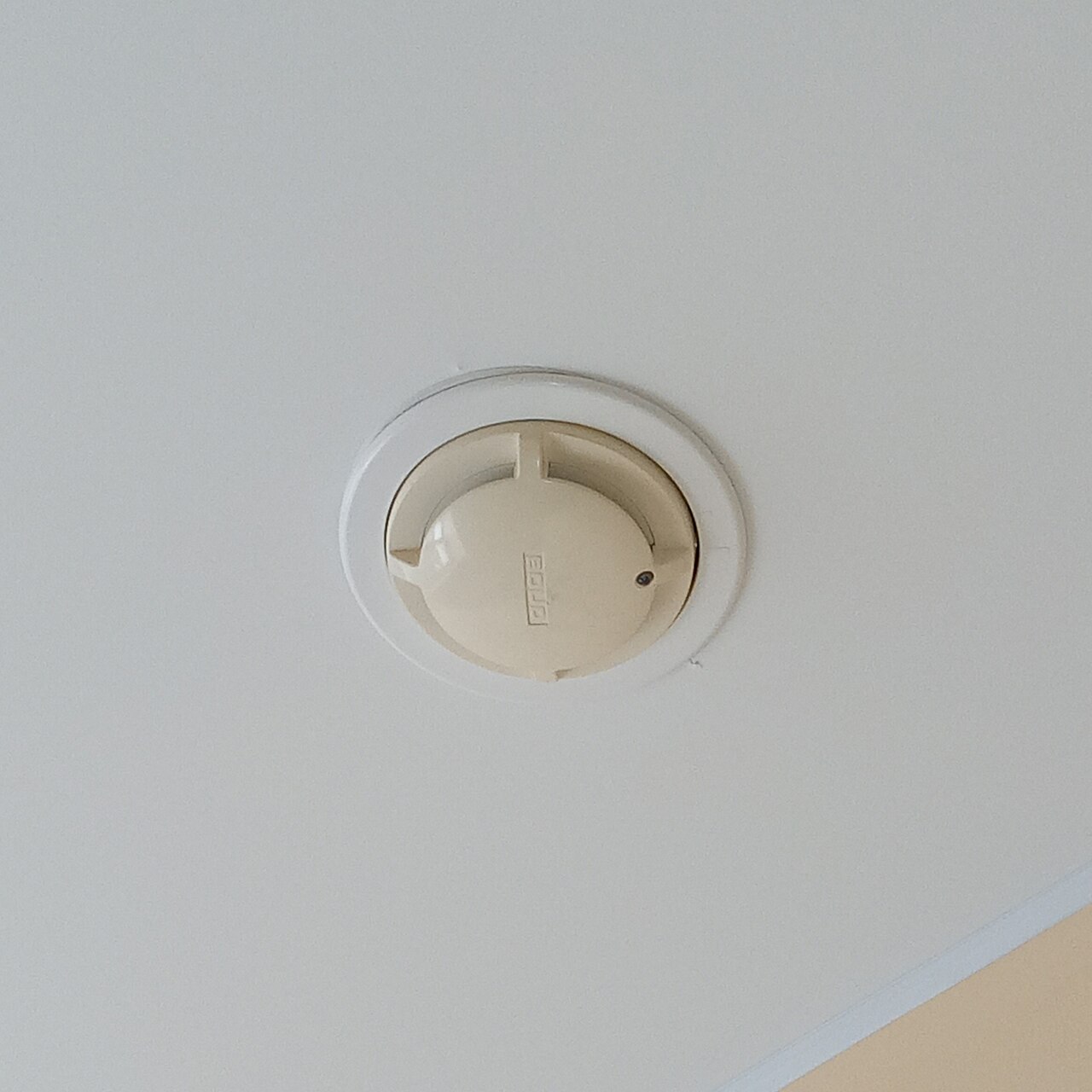
The intermittent chirp is a diagnostic message, not a false alarm.
It is 3 AM and something on the ceiling is beeping once every minute. Not the full alarm, just a single sharp chirp. The sound is maddening, but it is also one of the cleverest pieces of engineering in your house.
That chirp is the smoke detector telling you its battery can no longer be trusted, using a signal designed to be impossible to ignore and cheap to produce.
Why do smoke detectors chirp when the battery is low instead of simply going silent or sounding the full alarm? This article explains the circuit logic behind the beep, why it almost always starts at night, and what to do when a fresh battery does not stop it.
The chirp is a programmed warning, not a malfunction
A smoke detector constantly watches two things: the air, for smoke, and its own power supply. Its internal circuitry monitors the voltage coming from the battery at all times. When that voltage sinks below a programmed threshold, a dedicated integrated circuit takes over and fires the low-battery warning, EngineerFix explains.
The warning is deliberately different from the fire alarm. A real smoke event triggers the loud continuous siren. A dying battery triggers one short high-pitched chirp, typically every 30 to 60 seconds.
The pattern is standardized across the industry so you can tell the two apart instantly: siren means get out, chirp means do maintenance.
The chirp is also engineered to sip power. A dying battery still holds enough energy to drive a tiny beep for days, while the full siren would drain it in minutes. EngineerFix reports the low-battery warning is designed to persist for at least seven days, giving you a generous window to replace the battery before the unit goes dark.
The design reserves enough energy that the detector can still sound the real alarm if a fire breaks out in the meantime.
The voltage threshold that triggers it
For the classic 9-volt battery found in many detectors, the low-power threshold is generally set between 7.2 and 7.7 volts, according to EngineerFix. A fresh 9-volt battery actually delivers a bit more than 9 volts, and as it discharges the voltage slides downward over months of service.
When the voltage crosses the threshold, the warning circuit latches on. Importantly, the threshold is set well above zero. The engineers leave a safety margin so the detector keeps protecting you while it complains.
The chirp starts while the unit can still detect smoke and still scream the full alarm.
Hardwired detectors follow the same logic for their backup batteries. Even though the unit draws its primary power from your home's 120-volt AC wiring, it must contain a backup battery for outages. When that backup's voltage drops below its threshold, typically around 8.5 volts for a 9-volt backup, the unit chirps just like a battery-only model, EngineerFix reports.
That is why a hardwired detector on a ceiling can chirp even though it is plugged into the house power.
Why the chirp always seems to start at night
Ask anyone and they will tell you the chirping starts between 2 AM and 6 AM. That is not your imagination, and it is not the detector being spiteful. It is battery chemistry.
Batteries run on chemical reactions, and those reactions slow down as temperature falls. First Alert explains the chain: when the temperature drops, ions move more slowly through the electrolyte, internal resistance rises, and the voltage at the battery terminals dips. A battery that reads just above the warning threshold during a warm evening can sag just below it in a cold house at night, tripping the chirp circuit.
Come morning, the house warms up, the voltage recovers slightly, and the chirping may stop, only to return the next night. This on-off cycle is why so many people report a chirp that happens "only at night" even though the underlying battery is genuinely depleted around the clock.
Placement matters too. A detector near an exterior wall, a drafty hallway, or an unheated garage sees bigger temperature swings and chirps earlier. Detectors in dusty rooms have a second problem: dust in the sensing chamber can mimic a fault and produce its own intermittent chirp, which is worth checking if a new battery does not fix things.
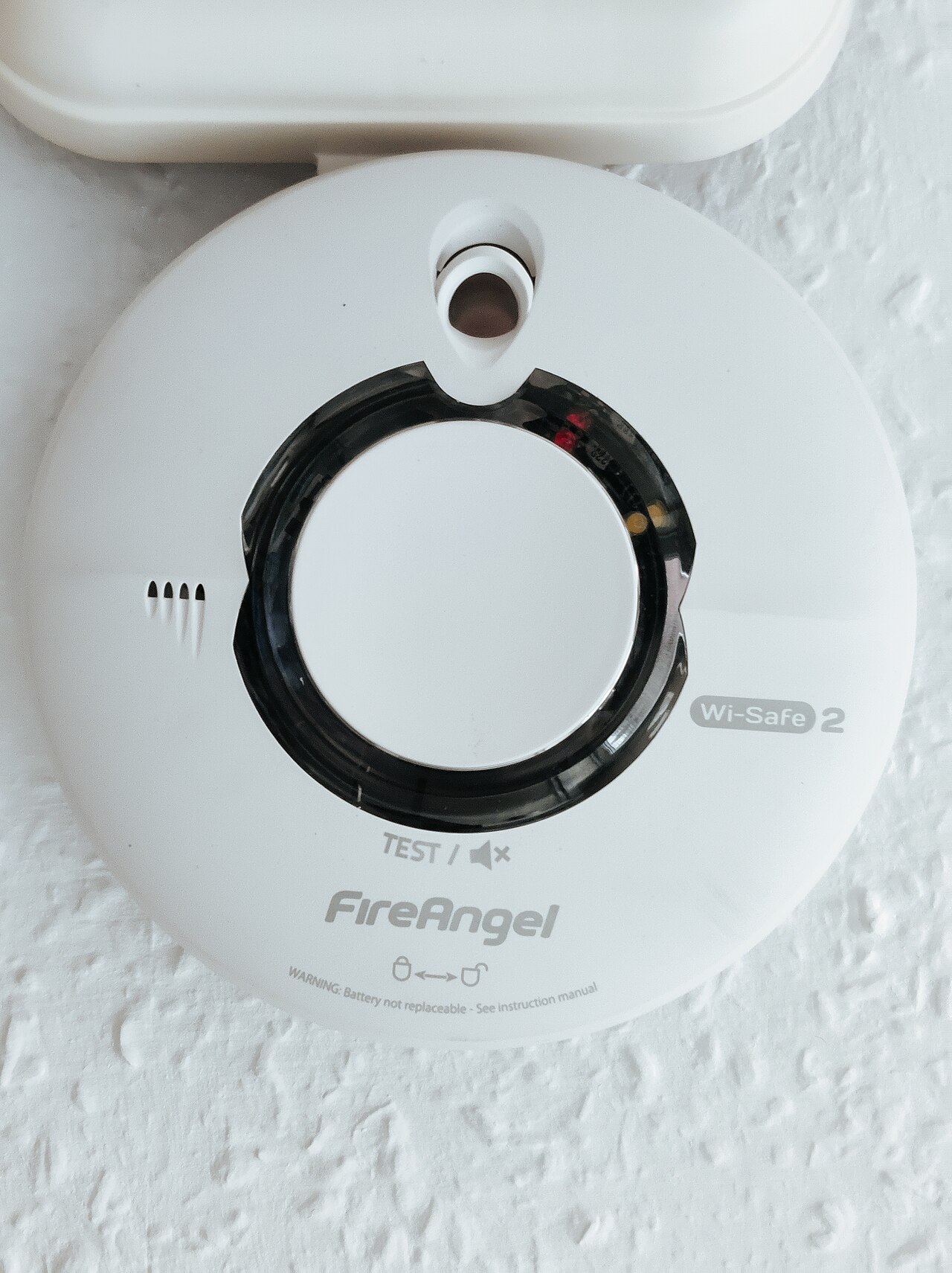
Modern detectors separate the fire siren from maintenance chirps with distinct, standardized patterns.
What to do when it chirps
Start with the obvious: replace the battery, matching the exact type the unit requires. Most detectors take a 9-volt alkaline battery or a pair of AA or AAA cells. Using the wrong chemistry or a half-used battery from a drawer invites a repeat performance within weeks.
If the chirp survives a fresh battery, reset the unit. Residual charge in the internal capacitors can keep the warning latched. Remove the detector from its base, take the battery out, then press and hold the Test or Hush button for 15 to 30 seconds to drain the remaining power from the circuit board, EngineerFix advises.
Reinstall the battery, remount the unit, and run the test button.
If it still chirps, check the unit's age. Smoke detectors have a working life of about seven to ten years because their sensors degrade over time. Newer models carry a mandatory end-of-life chirp, often repeating every 30 seconds, that no battery change will silence.
The National Fire Protection Association says a smoke alarm should be replaced every 10 years and its batteries changed at least once a year, or sooner if the unit begins chirping.
One caution: never disable a chirping detector by removing the battery and leaving it. Nine out of ten home fire deaths occur in homes without working smoke alarms, the NFPA reports, and many of those failures trace back to disabled units. The chirp is annoying on purpose.
Fix the power and keep the protection.
Hardwired units chirp too, because their backup batteries get the same voltage monitoring as battery-only models.
Frequently asked questions
Why does my smoke detector chirp every 30 seconds?
A single chirp every 30 to 60 seconds is the standard low-battery or maintenance warning. It is distinct from the continuous siren that signals smoke. Check the battery first, then the unit's age.
Why does the chirping stop during the day and start again at night?
Nighttime temperature drops raise the battery's internal resistance and dip its voltage below the warning threshold. Morning warmth recovers the voltage and silences the chirp temporarily. The battery is still depleted; the day is just masking it.
My detector is hardwired. Why does it chirp about a battery?
Hardwired detectors contain a backup battery for power outages. The low-battery circuit monitors that backup, and when its voltage falls below threshold the unit chirps exactly like a battery-powered model.
I replaced the battery and it still chirps. What now?
Drain the residual charge: remove the battery, hold the Test button for 15 to 30 seconds, reinstall, and remount. If chirping continues, the unit may have reached its 7-to-10-year end of life and need full replacement.
The bottom line
Smoke detectors chirp when the battery is low because a monitoring circuit compares the battery voltage against a programmed threshold, around 7.2 to 7.7 volts for a standard 9-volt cell, and fires one energy-sipping chirp every 30 to 60 seconds as a warning designed to last at least a week. Cold nights nudge borderline batteries across that line, which is why the beeping starts at 3 AM. Replace the battery with the correct type, reset the unit if the chirp lingers, and replace any detector past its tenth birthday.
If the chirp has you up on a chair at midnight, make sure the ceiling area is safe to reach first, and while you are doing home maintenance, check our guide to patching a small drywall hole step by step.
Image Credits: Wikimedia Commons / Georg Pik, Andy Mabbett, Saperaud
Latest in Home & DIY
- Patch a Small Drywall Hole Step by Step
- Stop Condensation on Windows in Winter
- Why Is One Room Colder Than the Rest of the House?
Subscribe for plain-English explainers on how the things in your home actually work.
Related stories
Why Your Faucet Keeps Dripping After You Turn It Off
A dripping faucet is usually a worn washer, O-ring, or cartridge that can no longer seal. One drip per second wastes over 3,000 gallons
How to fix a running toilet without a plumber in 30 minutes
A running toilet can waste 200 gallons of water a day. Diagnose the flapper, float, or fill valve in two minutes, then fix it yourself

How to hang heavy shelves on drywall safely
Studs first, toggle bolts second, plastic anchors never for heavy loads. Weight ratings, installation steps, and mistakes that bring