
How to store winter clothes without any moth damage
By Rive News / Research desk | Rive News / Published October 27, 2026 at 9:00 AM PKT
Key takeaways
- Clothes moth larvae eat keratin in wool, silk, and cashmere; adult moths do not eat fabric at all.
- Clean, fully dry clothes in sealed containers, checked every few months, stop most damage before it starts.
- Freezing at 0°F for 72 hours or washing at 120°F for 20 to 30 minutes kills eggs and larvae.
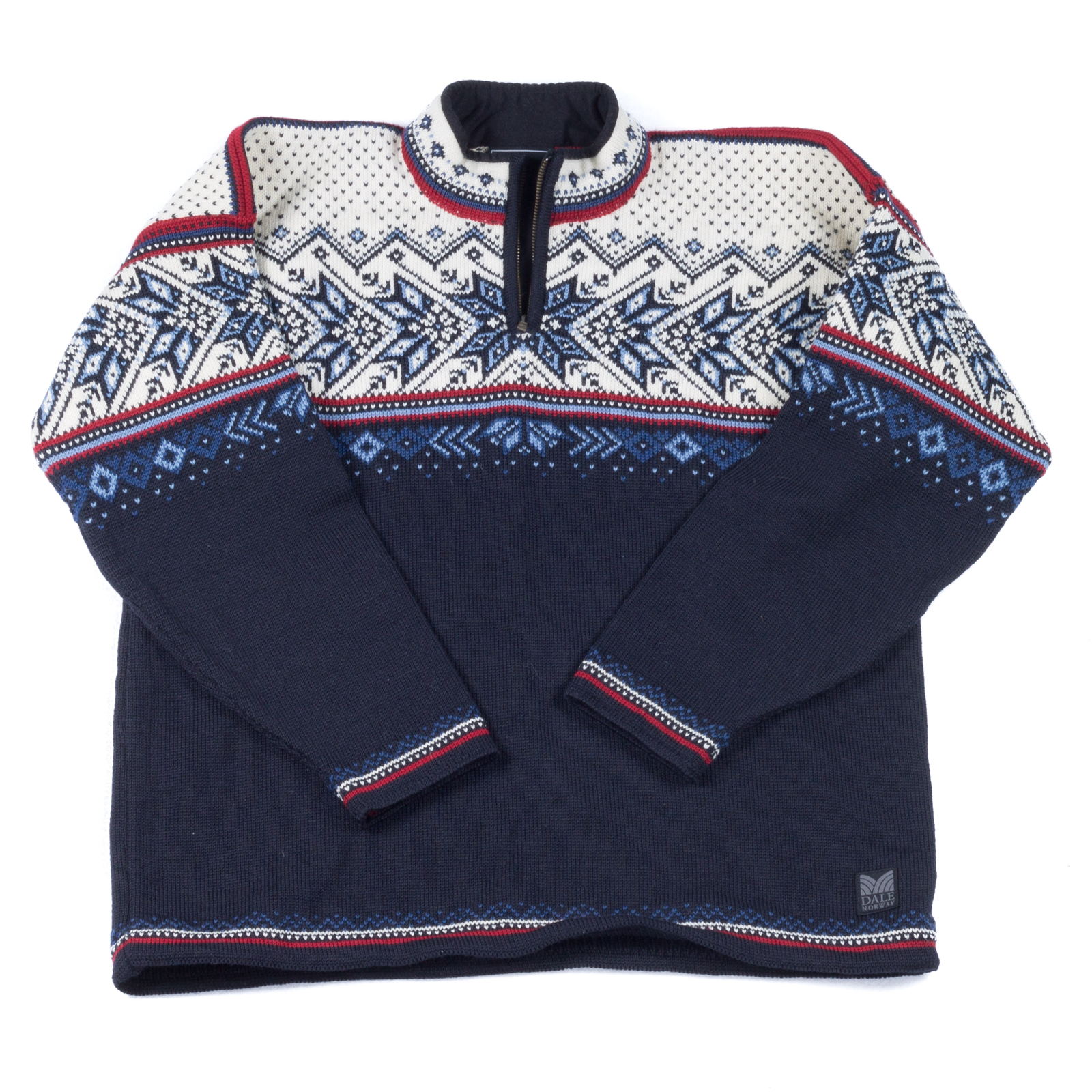
[A Dale of Norway wool sweater.] Photograph: Wikimedia Commons contributor
Image Credits: Wikimedia Commons
Storing winter clothes without moth damage means keeping clothes moth larvae away from the animal fibres they eat. The adult moths fluttering near a closet are a warning sign, but they are not the culprits.
The larvae do the eating, and they thrive in dark, undisturbed places where dirty wool sits for months. This article explains moth-safe storage, including what moths actually eat, how to prepare clothes, choosing containers, repellents that help, and what to do if damage appears.
What moths actually eat
Two species cause most household damage: the common clothes moth and the case-bearing clothes moth. The British Pest Control Association describes the common clothes moth as small, shiny, and silvery-gold, about 5 to 8mm long.
Adult moths do not feed. Their larvae feed on keratin, the protein found in wool, silk, cashmere, fur, and feathers. Plant fibres such as cotton and linen are usually safe unless they carry food stains, sweat, or body oils.
That detail explains why clean clothes survive and dirty ones do not. A freshly laundered wool sweater offers little that larvae want, while the same sweater worn twice and stored unwashed carries exactly the residues that attract egg-laying females.
Each female lays up to 160 eggs over two to three weeks, according to pest-control guides. Eggs hatch in about 10 days, and larvae can take anywhere from 30 days to two years to develop, depending on temperature and humidity.
Larvae hide where nobody looks. Seams, cuffs, folds, and the dark backs of closets suit them, and damage often shows up only when a garment comes out of storage full of small holes.
How to prepare clothes before storage
Clean everything first, even items that look barely worn. Wash or dry clean every garment according to its care label, and pay special attention to collars, cuffs, and underarms where sweat collects.
Moth Prevention, a specialist supplier, stresses the same point: clothes moths are strongly attracted to fibres carrying traces of perspiration, food, or body oils, so garments should be washed or dry cleaned before storage.
Dry clothes completely before packing. Moisture encourages mould and mildew, which weaken fibres and create conditions pests favour. Sun drying adds a bonus, since light and fresh air discourage moth activity.
Inspect each item in bright light before it goes into a container. Look for tiny holes, silken tubes, webbing, or small pellets that resemble sand. Those pellets are frass, the waste larvae leave behind.
Treat anything suspicious before it joins clean clothes. One infested sweater stored with a wardrobe of clean wool can seed damage across the whole container over a season.
Mend small damage now. Loose buttons, open seams, and frayed hems are easier to fix before storage than after months in a box, and repairs reduce the folds where larvae hide.
Choosing containers and a storage spot
Sealed, hard-sided containers with tight lids are the most reliable option for wool. Clear plastic bins let you inspect contents without opening them, and a locking lid blocks adult moths from laying eggs inside.
Breathable cotton garment bags suit hanging items such as coats. They allow air circulation while keeping moths out, provided the weave is tight and the zip closes fully.
Avoid cardboard boxes for long-term storage. Cardboard absorbs moisture, offers hiding places for insects, and does not seal against egg-laying moths.
Vacuum bags save space but carry a trade-off. Prolonged compression flattens the loft of down jackets and distorts knitwear, so reserve them for sturdy outerwear and let items breathe every few months.
Pick a cool, dry, dark spot. Ideal storage stays below 70°F with humidity under 60 percent, and attics and damp basements fail that test because their temperatures and moisture swing widely.
Keep containers off bare concrete floors. A shelf or pallet underneath prevents damp from wicking upward and keeps the bottom of the bin dry through the season.
Label every container by contents and season. Clear labels stop the midwinter rummage that disturbs settled clothes and breaks seals, and they make the quarterly check a five-minute job.
Repellents that help, and myths that do not
Cedar and lavender can help, but neither is a complete defence. Cedar oils repel moths while fresh, yet the effect fades within 6 to 12 months as the oils evaporate, and sanding only partly revives it.
Lavender sachets work the same way. They add a scent moths dislike, but they need refreshing every few months, and they cannot rescue dirty clothes stored in an open box.
Mothballs are effective and unpleasant. They release strong chemicals that kill moths in sealed spaces, but the fumes linger in fabric and the space around it, so many households avoid them near living areas.
Pheromone traps are monitors, not cures. They catch adult males and show whether moths are active, and Moth Prevention recommends keeping traps in place year-round and replacing them every 12 weeks.
The strongest defence is not a scent at all. Clean clothes, sealed containers, and regular checks beat any single repellent, and repellents work best as a backup to those three habits. A damp room undermines all of them, so readers fighting moisture can also read how to reduce humidity in a room without a dehumidifier.
What to do if damage appears
Act fast and isolate the item. Bag the affected garment separately so larvae cannot spread to neighbouring clothes while you decide on treatment.
Freezing is the gentlest reliable kill. Seal the garment in a plastic bag and freeze it at 0°F for at least 72 hours, and allow up to a week for thick blankets so the cold reaches the core.
Washing works for sturdier items. Water at 120°F sustained for 20 to 30 minutes kills all life stages, and dry cleaning kills pests on delicate wool that cannot take hot water.
Clean the storage area thoroughly. Vacuum every corner, edge, and shelf, then wipe surfaces down, and dispose of the vacuum bag outside so captured eggs and larvae cannot re-enter the house.
Repeat the check after a few weeks. If new holes or webbing appear, the treatment missed a pocket of eggs, and a second freeze or wash usually finishes the job.
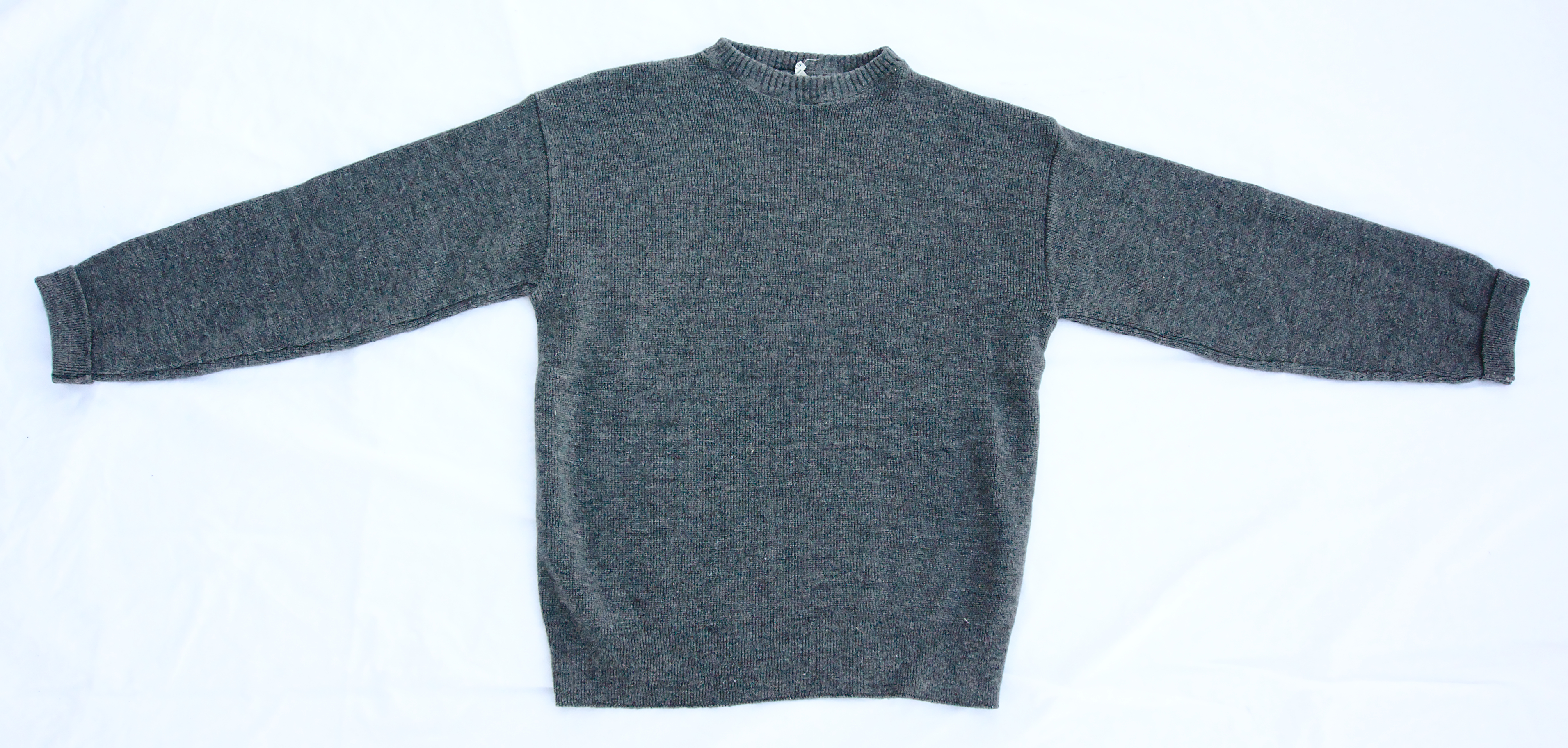
[A Swiss Army wool sweater.] Photograph: Wikimedia Commons contributor
Image Credits: Wikimedia Commons
Frequently asked questions
Do mothballs work better than cedar for winter clothes?
Mothballs kill moths in sealed containers, while cedar mainly repels them and fades within months. Cedar suits households that avoid strong chemicals, but sealed containers and clean clothes matter more than either option.
Can I store winter clothes in vacuum bags all year?
Vacuum bags block moths and save space, but long compression damages down loft and knitwear shape. Use them for sturdy outerwear, and take items out every three to four months so fibres can recover.
How do I know if my clothes already have moth eggs?
Eggs are nearly invisible, so look for early signs instead: tiny holes, silken tubes, larval casings, or sand-like pellets. If any sign appears, freeze the garment for 72 hours or have it dry cleaned before storage.
Is it safe to store clothes in a damp basement?
A damp basement is risky, since humidity above 60 percent encourages mould and speeds larval development. Choose a cool, dry shelf indoors, and keep containers off the floor.
Do moths eat cotton and synthetic clothes?
Larvae prefer animal fibres rich in keratin, such as wool and cashmere. Cotton and synthetics are usually safe unless stained with food, sweat, or body oils that larvae can feed on.
The bottom line
Moth damage is a larvae problem, not an adult moth problem, and the fix starts before the first box closes. Wash everything, dry it fully, inspect for early signs, and seal clean clothes in tight containers in a cool, dry spot.
Add cedar or lavender as a backup, check containers every few months, and freeze anything suspicious for 72 hours. That routine costs little and saves the sweaters that would otherwise come out of storage full of holes. For the room itself, dry air helps as much as any repellent, so see how to stop condensation on bedroom windows for a related moisture fix.
Tags: winter clothes, moth prevention, home storage
The Rive News research desk writes plain-English explainers from published sources, with every key claim traceable to a named guide or institution.
Related
- How to reduce humidity in a room without a dehumidifier
- How to Stop Condensation on Bedroom Windows for Good
- What is the ideal indoor humidity level, and why does it matter?
- Why One Room Is Colder Than the Rest of the House
Subscribe to the Rive News newsletter for one practical home explainer each week.
Rive News publishes explainers based on public sources; corrections are noted promptly when a source is updated.
Related stories
Why Your Faucet Keeps Dripping After You Turn It Off
A dripping faucet is usually a worn washer, O-ring, or cartridge that can no longer seal. One drip per second wastes over 3,000 gallons
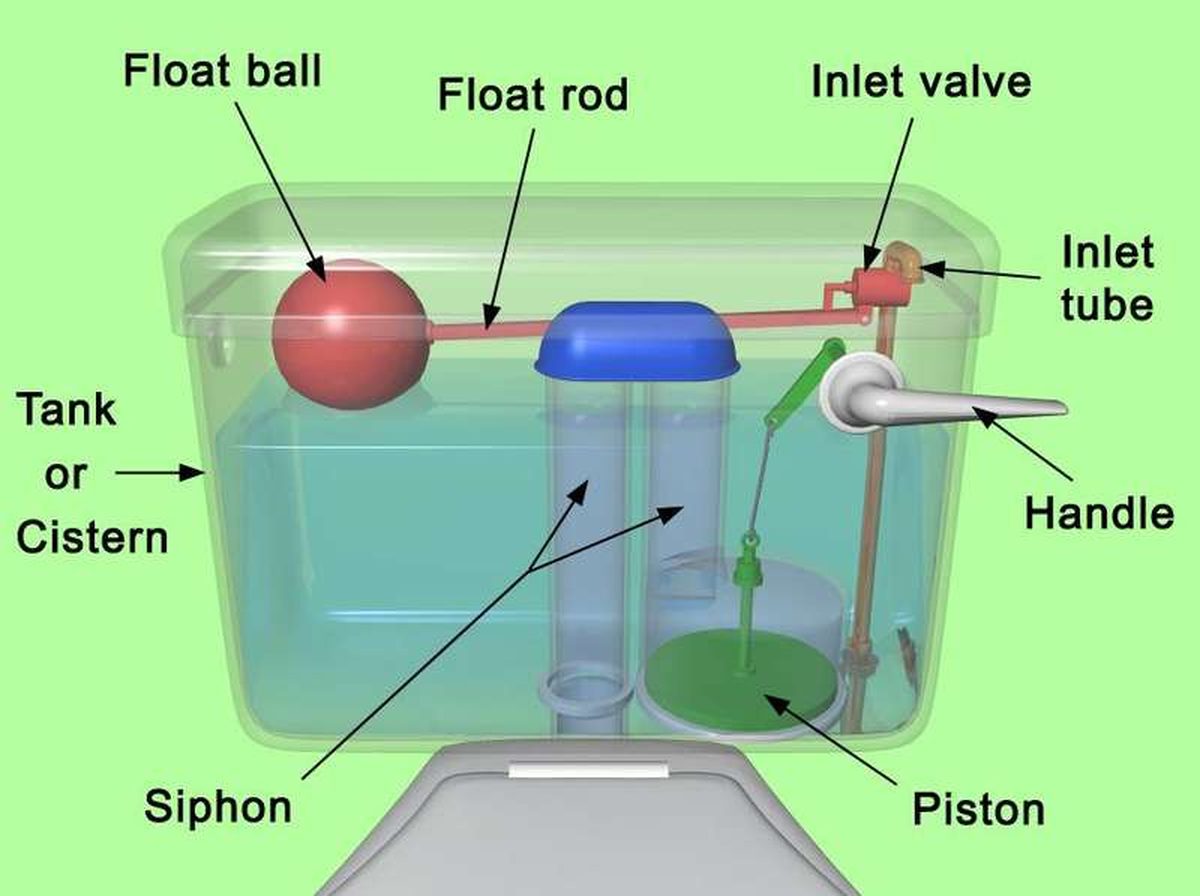
How to fix a running toilet without a plumber in 30 minutes
A running toilet can waste 200 gallons of water a day. Diagnose the flapper, float, or fill valve in two minutes, then fix it yourself

How to hang heavy shelves on drywall safely
Studs first, toggle bolts second, plastic anchors never for heavy loads. Weight ratings, installation steps, and mistakes that bring