
How stud finders detect studs through drywall
By Rive News / Research desk | Rive News / Published October 24, 2026 at 9:00 AM PKT
Key takeaways
- Electronic stud finders sense changes in capacitance: dense wood behind drywall alters the wall's dielectric constant, and the tool flags the spike.
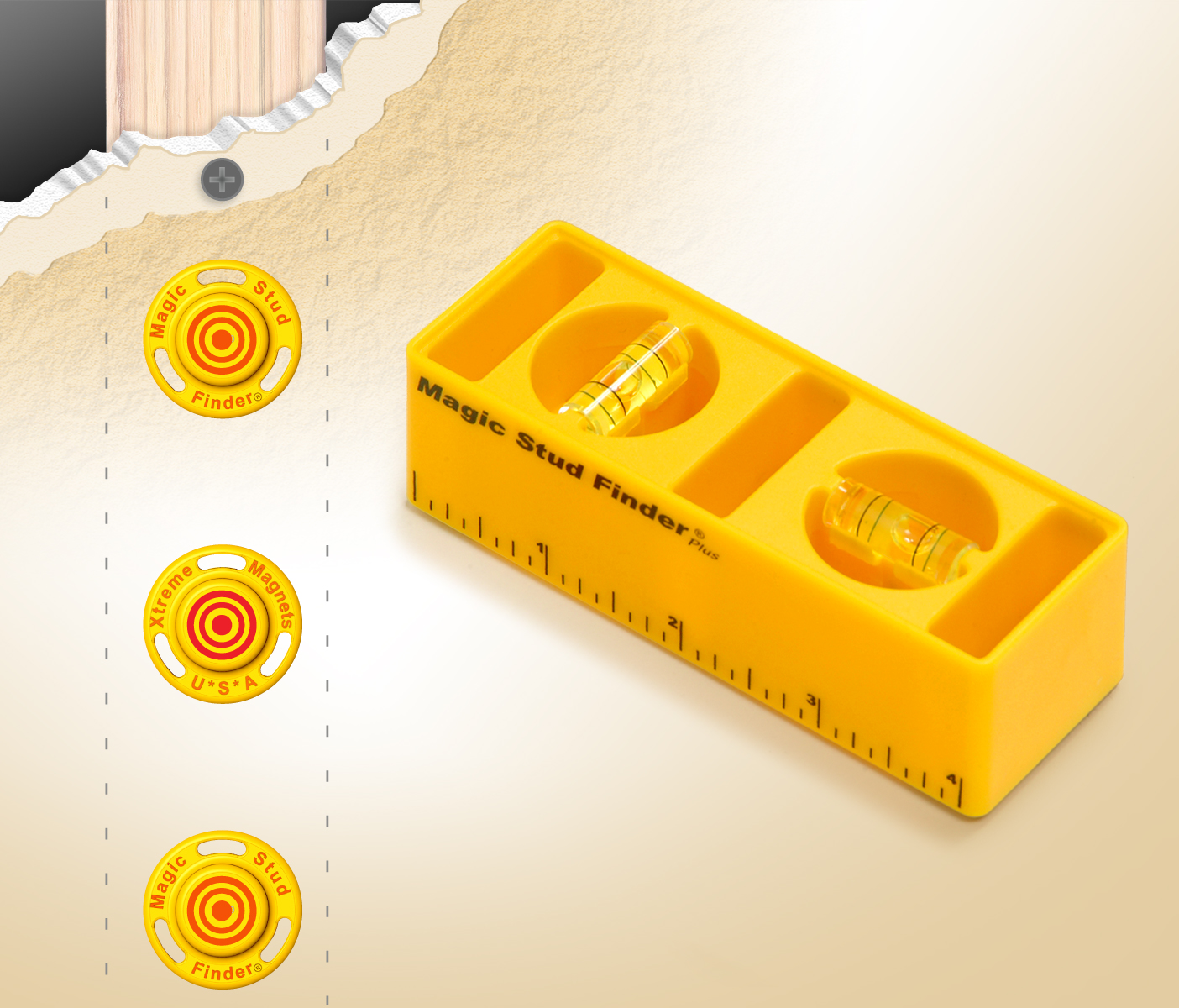
- Magnetic stud finders skip the electronics and simply find the screws or nails holding the drywall to the stud.
- False readings usually come from calibrating over a stud, metal pipes, or extra-thick walls, not from broken tools.
[A handheld electronic stud finder pressed flat against an interior wall.] Photograph: Wikimedia Commons contributor
Image Credits: Wikimedia Commons
A stud finder does not see through your wall. It measures something about the wall from the outside and watches for a change. When you slide it across drywall and it beeps, it has detected a shift in density or magnetism that suggests a wooden or metal framing member is hiding behind the surface.
Two completely different sensing principles do this job. Electronic models use capacitance, and magnetic models use a simple permanent magnet. They answer slightly different questions, and knowing which you own explains most of their quirks.
This article explains how stud finders detect studs through drywall, including capacitance sensing, magnetic sensing, how calibration sets the baseline, and why false positives happen.
Capacitance: how electronic models sense density
The most common stud finder is electronic, and it works on capacitance: the ability of a material to store an electrical charge. The device contains a sensor plate that acts as one plate of a capacitor, emitting a low-level electrical field that penetrates the drywall while its circuitry constantly monitors the resulting capacitance, according to Engineer Fix's guide to how stud finders detect wood.
What the tool is really measuring is the wall's dielectric constant, a property tied to the material inside the field. Air filling the hollow cavity between studs has a low dielectric constant.
Solid wood has a much higher one. As the sensor moves from empty cavity onto a stud, the density change produces a sharp, measurable jump in capacitance, and the tool's software recognizes that spike as a solid object, the same guide explains.
Calibration makes this work. You place the tool flat on the wall and hold its power button while it reads the local wall, establishing a baseline capacitance reading for the air cavity and drywall, per Engineer Fix's explainer on whether stud finders really work.
Everything after that is a comparison against the baseline. Calibrate while sitting over a stud and the tool calibrates to wood, so it will then read the empty cavity as the anomaly and give backwards results.
Magnetism: the simpler approach
Magnetic stud finders use no batteries and no electronics at all. They detect the presence of ferrous metal fasteners, such as screws or nails, used to secure the drywall to the stud, according to the Engineer Fix science explainer. The device holds a strong magnet, and the magnet is attracted to that metallic evidence.
This method has an honest limitation built in: it locates the fasteners, not the stud itself. But drywall screws run in vertical rows along the center of each stud, so finding a column of screw heads maps the stud's path well enough to hang a shelf. The concentration of fasteners, which typically run vertically along the center of the stud, helps the user trace the member's line, as the same explainer notes.
The patent record shows how seriously this simple idea is taken. US Patent US20150309203A1 describes an electronic drywall fastener locator that uses an array of coil sensors, lighting LEDs above each detected fastener to indicate the stud's position underneath. Even a magnet array becomes a mapping instrument when it is precise enough.
Edge finders versus center finders
Basic electronic models are edge finders. The signal strength increases as the sensor moves further onto the stud, and the tool beeps when it first encounters the side of the member, per Engineer Fix's guide to the Zircon stud edge finder. You then scan from the other direction and mark the second edge, and the midpoint between your marks is the safest drilling point.
More advanced models use multiple sensors to map the density change across a wider area, enabling them to locate the center of the stud rather than just its edges, according to the Engineer Fix science explainer. That center reading is the most secure mounting point for a heavy television or shelving unit.
Depth settings matter too. Electronic tools commonly offer 1/2-inch, 1-inch, and 1-1/2-inch (12 mm, 25 mm, and 38 mm) scan depths, notes Engineer Fix's Stanley IntelliSensor guide, and matching the depth mode to your wall thickness is what keeps readings accurate on plaster or double drywall.

[A radio-frequency 3D imaging wall scanner used to locate studs and hidden objects.] Photograph: Wikimedia Commons contributor
Image Credits: Wikimedia Commons
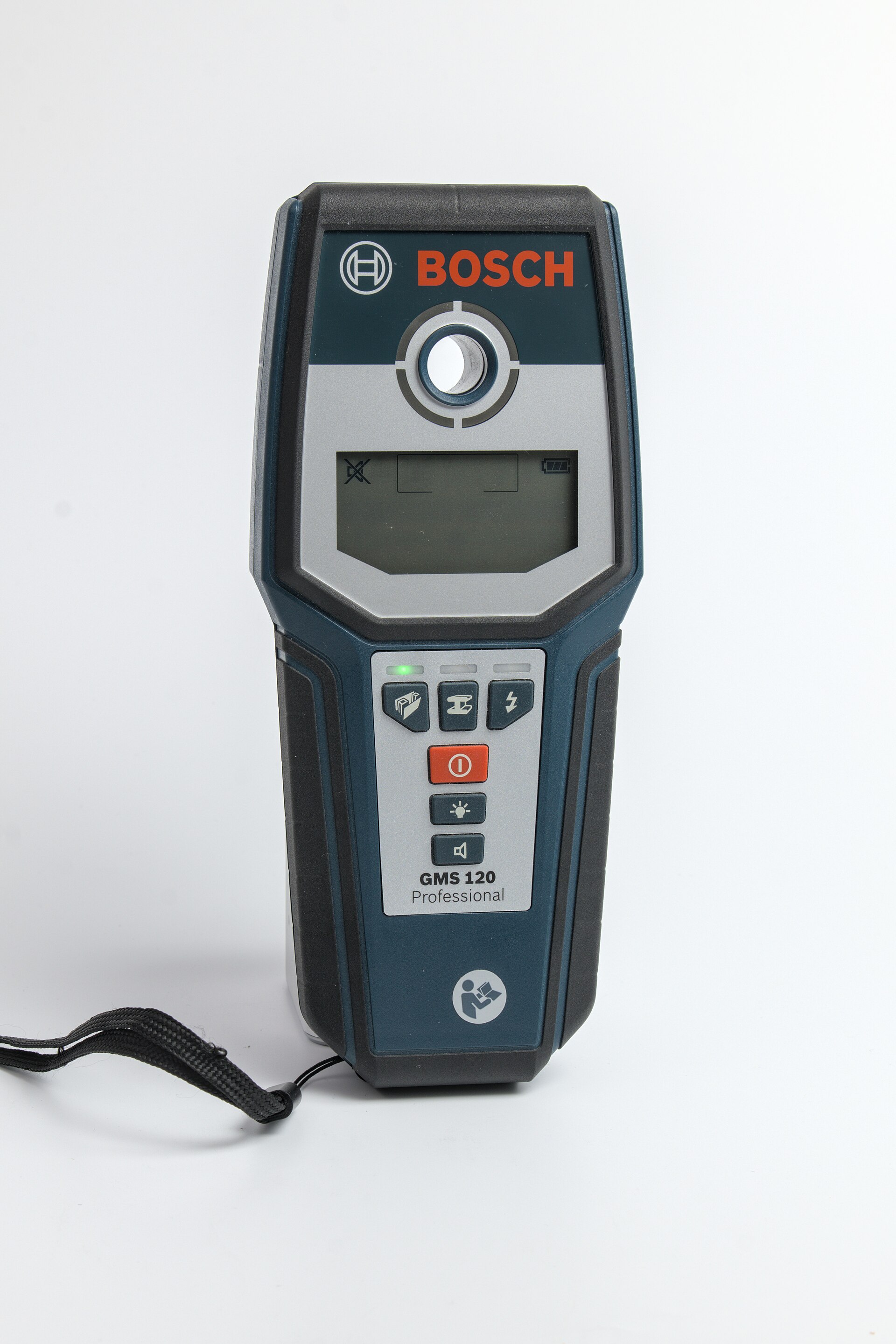
[A professional wall detector with selectable scan depths for different wall materials.] Photograph: Wikimedia Commons contributor
Image Credits: Wikimedia Commons
Why stud finders give false readings
Most phantom readings trace to one of a handful of causes, and almost all are user error or wall conditions rather than a faulty tool.
Calibrating over a stud is the classic mistake. The baseline gets set to "dense wood," so the tool then flags every hollow cavity as an anomaly. Always calibrate on a section of wall you are confident is empty, then recheck by rescanning from the opposite side.
Metal inside the wall is the second cause. Plumbing pipes, electrical conduit, and metal corner bead all shift the dielectric reading or attract a magnet, and the tool cannot tell a copper pipe from a stud. As Man Made DIY's guide warns, following the tool blindly risks striking concealed electrical wiring or plumbing, so a reading near an outlet box deserves extra caution.
Thick or uneven walls confuse capacitive models. A layer of plaster, tile, or textured compound changes the baseline density, and deep-scan modes on a 1/2-inch wall can read through into the next stud bay. If your readings drift, switch to the depth mode that matches your actual wall build.
Capacitive models also read live electrical wiring, since AC Live Wire detection senses the electromagnetic field from alternating current, typically up to 2 inches (50 mm) deep, according to the Stanley IntelliSensor guide. A hot reading that runs vertically near an outlet is a wire, not a stud, and that warning is the tool doing its job.
The bottom line
A stud finder detects studs through drywall either by measuring capacitance shifts as denser wood enters its electrical field or by feeling the pull of a magnet toward hidden screws. Calibrate on an empty section, scan from both directions, and treat any reading near wiring or plumbing as suspect. The tool measures change, so giving it a clean baseline is what makes it trustworthy.
Tags: stud finder, DIY, tools, home improvement
The Rive News research desk writes practical explainers on how everyday technology works, drawing on manufacturer guides and engineering sources.
Related
- Why do floorboards swell in winter, and how do you fix them?
- How to winterize outdoor faucets in 7 steps
- Why Your Dryer Takes Two Cycles to Dry Clothes: Causes and Fixes
Get one practical how-things-work explainer in your inbox each week. Subscribe to the Rive News newsletter.
Standards: Every factual claim in this article traces to a cited public source. Corrections: contact the Rive News research desk.
Related stories
Why Your Faucet Keeps Dripping After You Turn It Off
A dripping faucet is usually a worn washer, O-ring, or cartridge that can no longer seal. One drip per second wastes over 3,000 gallons
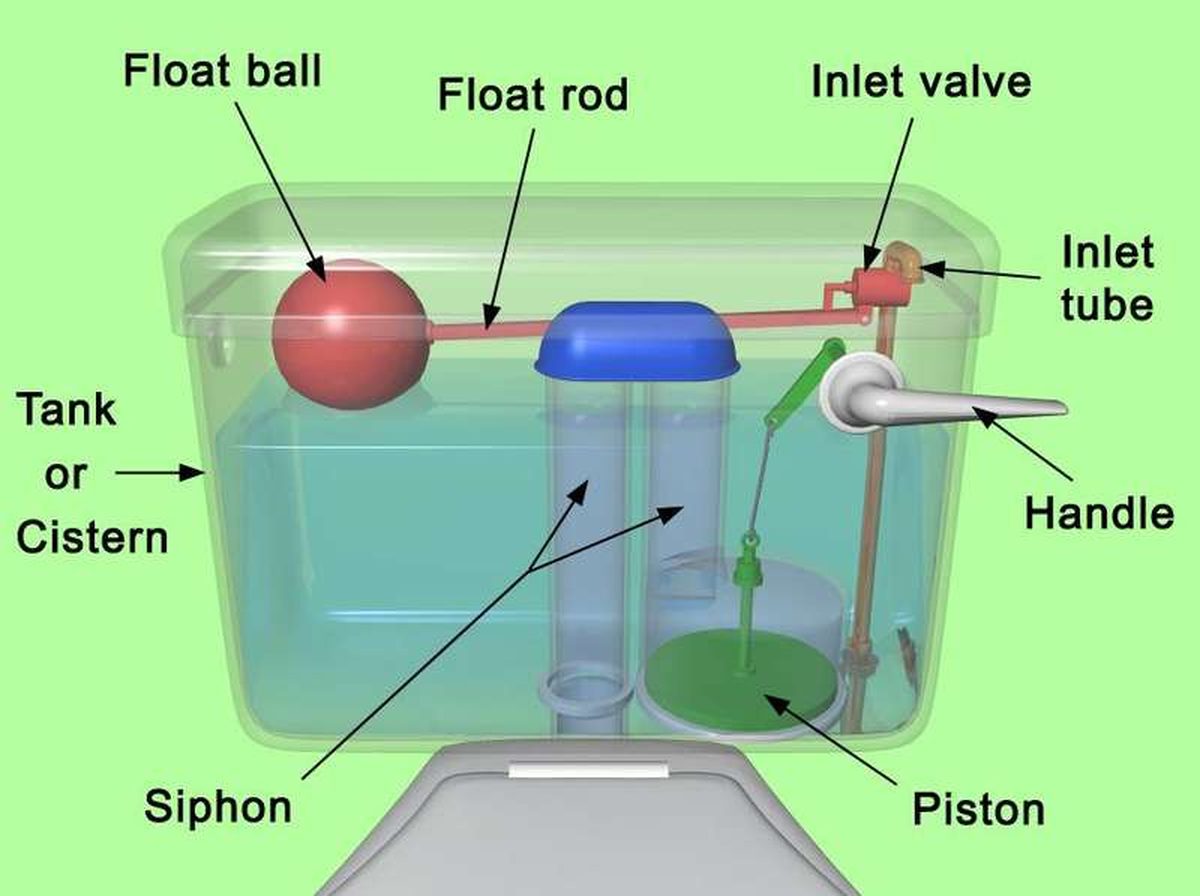
How to fix a running toilet without a plumber in 30 minutes
A running toilet can waste 200 gallons of water a day. Diagnose the flapper, float, or fill valve in two minutes, then fix it yourself

How to hang heavy shelves on drywall safely
Studs first, toggle bolts second, plastic anchors never for heavy loads. Weight ratings, installation steps, and mistakes that bring