
Why do floorboards swell in winter, and how do you fix them?
By Rive News / Research desk | Rive News / Published October 21, 2026 at 9:00 AM PKT
Key takeaways
- Wood is hygroscopic: it absorbs moisture from the air and expands across the grain, then shrinks as it dries.
- Cold air alone makes floorboards shrink, not swell; winter swelling almost always traces to a moisture source like snow melt or a leak.
- Keep indoor humidity between 30% and 50% with a hygrometer, and fix the moisture source before repairing the boards.
Here is the counterintuitive truth about swollen winter floorboards. The cold is not doing it. Wood responds to moisture, not temperature.
A floor that swells in January is telling you water is getting in somewhere, and the list of winter-specific suspects is short.
This article explains the science of wood expansion, why winter usually shrinks floors rather than swelling them, the moisture sources that cause winter swelling, how to read the damage, and the fixes that last.
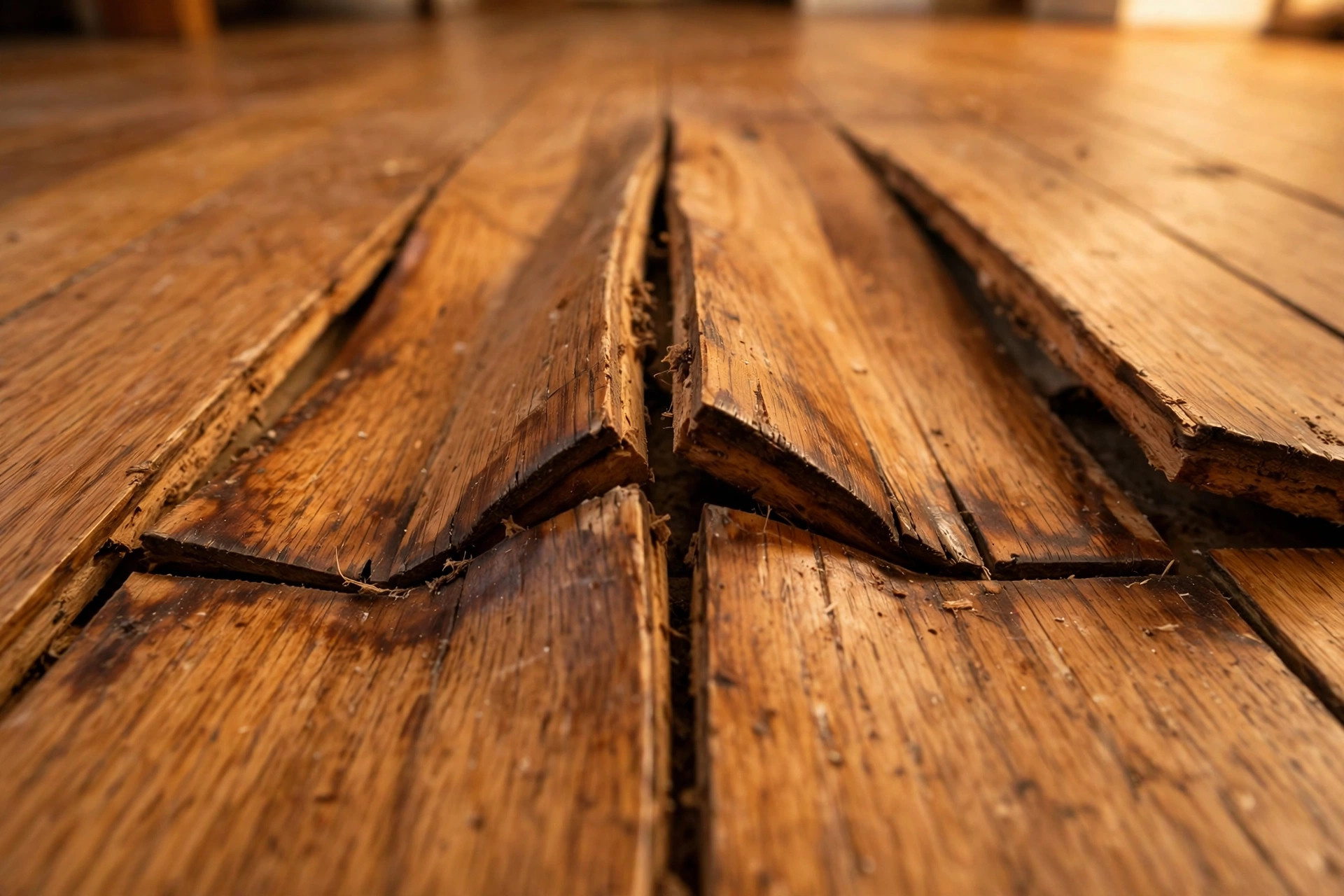
Hardwood boards buckling at the seams after absorbing excess moisture. Illustration: AI-generated for Rive News.
Image Credits: AI-generated (Rive News)
The one-sentence science
Wood is hygroscopic, which means it constantly exchanges moisture with the surrounding air until it reaches equilibrium. When humidity rises, wood cells absorb water vapor and swell; when the air dries, the cells release moisture and the wood shrinks.
The movement happens mostly across the grain. Boards get wider and narrower far more than they get longer.
The scale is small per board and large per room. According to the USDA Forest Service's Forest Products Laboratory, every 1% change in wood's moisture content changes its width by about 0.1% to 0.3%. On a single 5-inch plank that is a fraction of a millimeter.
Across a 15-foot floor, those fractions add up to a visible, floor-distorting force.
Temperature plays only a supporting role. Wood does expand slightly as temperatures rise above roughly 75°F, but the effect is minimal compared to moisture. As Angi's flooring guide puts it, humidity is the main factor that changes how floors expand or shrink.
Remember that sentence and most floor mysteries solve themselves.
Why winter usually shrinks floors, not swells them
In most homes, winter air is dry air. Heating systems pull moisture out of the indoor air, and cold outdoor air holds very little water vapor to begin with. The floorboards respond by giving up moisture and contracting, which is why winter is the classic season for gaps opening between boards.
Perennial Hardwood, a flooring contractor, describes the normal cycle plainly: in winter, cold dry air pulls moisture from the floor and the boards contract, opening gaps; in summer, heat and humidity return the moisture and the boards swell, closing those gaps. A properly installed floor anticipates this with a hidden expansion gap under the baseboards, giving the floor room to breathe through the seasons.
So if your floorboards are swelling in winter (pushing up at the seams, cupping at the edges, or buckling off the subfloor), something is adding moisture faster than the dry winter air can remove it. That something is the real diagnosis, and it is almost always one of the suspects below.
The winter moisture suspects
Melted snow and ice top the list. Boots kicked off by the front door deposit snow that melts straight into the wood. Angi flags exactly this: snow melting into hardwood raises the wood's moisture content and makes it expand, and long-term exposure warps or swells the boards.
A boot tray and a wipe-down habit cost almost nothing and remove the single most common winter moisture source.
Overactive humidifiers come next. Homeowners fighting dry winter air sometimes push indoor humidity far past the safe zone. The target for hardwood is 30% to 50% relative humidity, per both the EPA's comfort guidance and flooring specialists.
Sustained humidity above 60% feeds the boards moisture all winter long. If you run a humidifier, pair it with a hygrometer (the small digital ones cost less than a pizza) and keep the reading in range. Our guide to the ideal indoor humidity level explains the full balancing act.
Moisture from below is the sneaky one. Concrete slabs emit water vapor that the underside of the wood absorbs, and damp crawlspaces do the same. When the bottom of a plank absorbs more moisture than the top, the edges curl upward, the classic cupping pattern.
Winter makes this worse in homes where the crawlspace vents stay open or the slab lacks a vapor barrier. If the swelling is worst in ground-floor rooms over a crawlspace or slab, look down, not around.
Finally, the ordinary leaks that winter exposes: ice dams pushing meltwater under flashing, a slow plumbing drip inside a wall, a dishwasher or washing machine weeping onto the floor. Direct water exposure swells wood far faster than humid air does, and the damage is localized.
One patch of buckling boards in an otherwise flat floor is a leak until proven otherwise. If the ceiling above shows stains too, our guide to what causes water stains on ceilings helps trace the water's path.
Reading the damage: cupping, crowning, buckling
The shape of the damage names the cause. Cupping (edges higher than the center of each board) means the bottom is wetter than the top: moisture from the subfloor, crawlspace, or slab. Crowning (center higher than the edges) is the reverse, often a sign that a cupped floor was sanded flat while still wet and then dried.
Buckling (boards lifting off the subfloor entirely, sometimes tenting at the seams) means severe localized swelling with nowhere to expand, usually from direct water.
There is one more mechanical suspect that turns normal expansion into damage: a missing or blocked expansion gap. Every wood floor needs a small perimeter gap, hidden under the baseboards, to absorb seasonal movement. If the gap is too small, bridged by debris, or pinched by tight trim, the expanding boards have nowhere to go and push against each other until they buckle or crown.
This is why two identical floors in identical climates can behave differently. One was given room to move and the other was not.
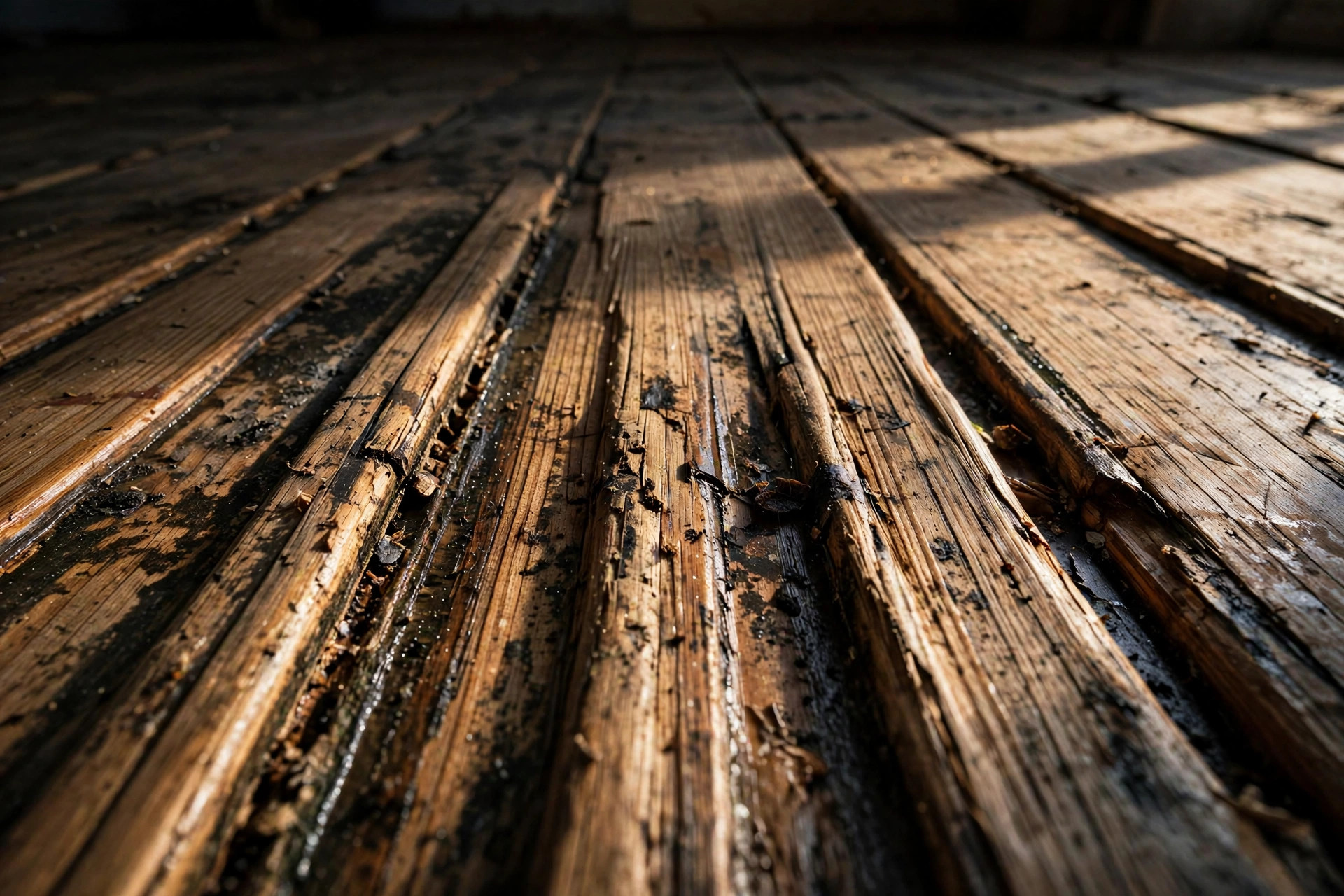
Cupping: plank edges raised higher than their centers from uneven moisture. Illustration: AI-generated for Rive News.
Image Credits: AI-generated (Rive News)
Fixing swollen floorboards
Start with the moisture, not the boards. Find the source: the boot puddle, the overworked humidifier, the crawlspace, the leak. Eliminate it.
Boards repaired while the moisture continues will simply swell again.
For mild, humidity-driven swelling, drying is often the whole repair. Bring indoor humidity back into the 30% to 50% range and give the floor weeks, not days, to release the moisture and settle. Cupped boards frequently flatten on their own once the moisture gradient equalizes.
Do not sand a cupped floor while it is still wet; sanding the raised edges flat and then letting the board dry produces crowning, trading one distortion for another.
For buckling from direct water, act fast. Dry the area thoroughly with towels, fans, and a dehumidifier aimed at the spot. Boards that have lifted may settle back once dry; boards that have delaminated, especially laminate with its fiberboard core, usually will not and need replacement.
Laminate's high-density fiberboard core absorbs water and expands permanently, so swollen laminate is a replacement job, not a drying job.
If the expansion gap is the problem, a flooring professional can trim the perimeter to restore it, a job that involves removing baseboards, not the floor. Individual ruined boards in a solid hardwood floor can be replaced piecemeal by a pro without tearing up the room.
If the boards creak as well as swell, our guide to silencing a squeaky floorboard without lifting the floor covers the mechanical fixes. Persistent creaking often arrives with the same moisture story, and our guide to quieting creaky hardwood floors covers the mechanical side.
Prevention: the winter routine
Prevention is mostly measurement plus habit. Keep a hygrometer in the room with the wood floor and hold 30% to 50% humidity through the heating season: humidifier in the dry weeks, ventilation or a dehumidifier if readings climb. Put a boot tray by every exterior door and wipe up meltwater instead of letting it sit.
Keep crawlspace vents and vapor barriers in good order, and fix plumbing drips in autumn before they spend winter soaking a subfloor.
And if you are installing a new floor, insist on acclimation: the wood should sit in the home for days before installation so it equalizes to your actual indoor conditions. Wood installed straight from a warehouse at a different humidity will move after it is nailed down, and that movement becomes a permanent problem no season will fix.
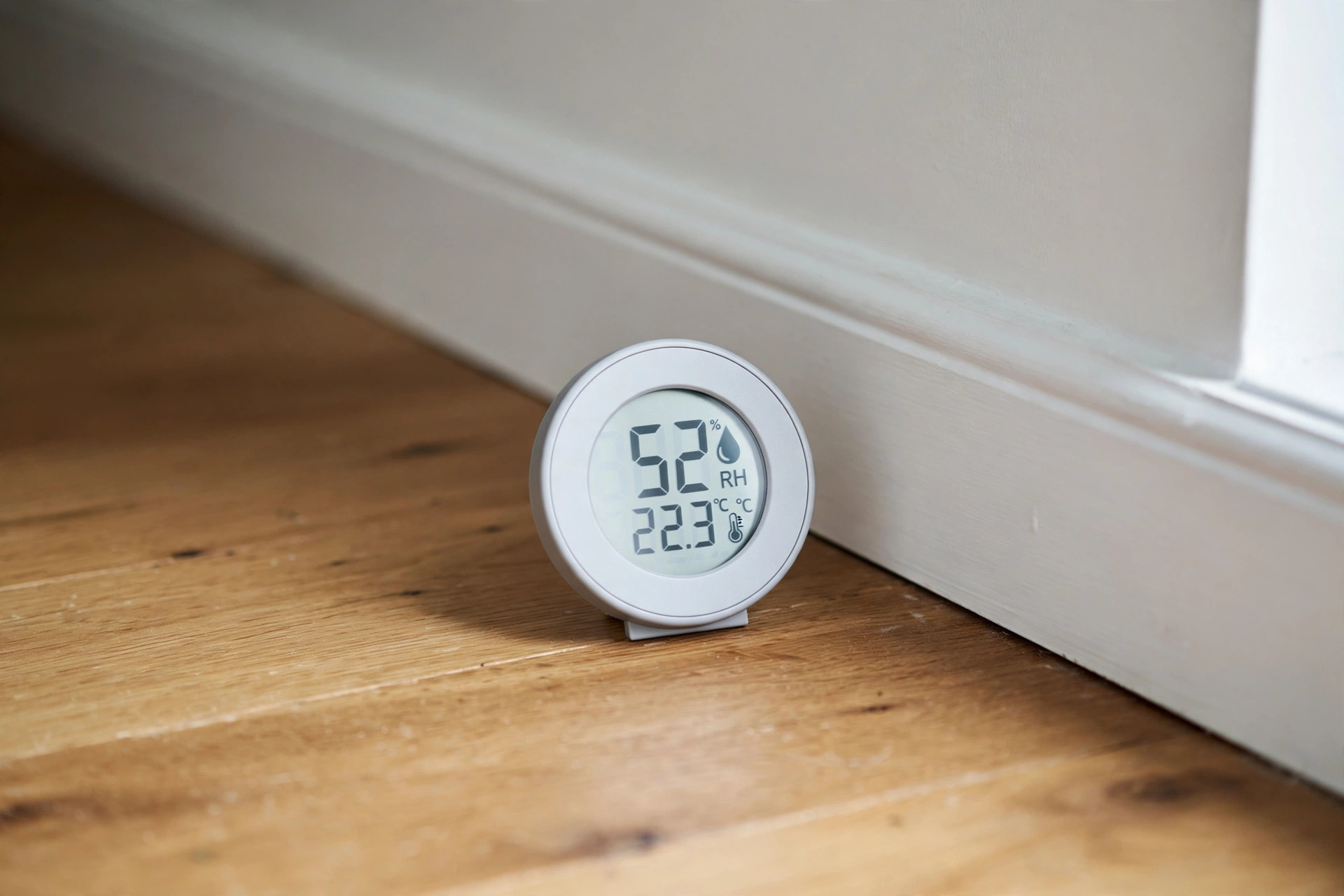
A hygrometer monitoring indoor humidity beside the wood floor. Illustration: AI-generated for Rive News.
Image Credits: AI-generated (Rive News)
Frequently asked questions
Do floorboards shrink or expand in winter?
Usually shrink. Cold winter air is dry, and heating dries indoor air further, so boards lose moisture and contract, which is why gaps open in winter. Swelling in winter means a moisture source is overpowering the dry air.
How much humidity is too much for wood floors?
Sustained relative humidity above 55 to 60% pushes wood past its comfort zone. The safe target is 30% to 50%. Brief spikes are fine; weeks of damp air are what swell boards.
Will cupped floorboards flatten on their own?
Often, yes, if the moisture source is removed and humidity returns to normal. Give it several weeks. Sanding a still-wet cupped floor is the mistake to avoid, since it creates crowning once the wood dries.
Can I fix buckled floorboards without replacing them?
Sometimes. If solid hardwood buckled from a one-time wetting and the boards are intact, thorough drying may let them settle back. Laminate that has swollen is generally permanent and needs replacement of the affected boards.
Should I leave bigger expansion gaps in cold climates?
Follow the flooring manufacturer's specification, not the climate. The gap exists to absorb the full seasonal swing either way. What matters more is that the gap is present, unobstructed, and hidden under the baseboards all around the room.
The bottom line
Floorboards swell because wood drinks moisture from the air, not because the air is cold. In winter, that moisture is usually melted snow, an overzealous humidifier, dampness from below, or a leak the season exposed. Remove the water, hold humidity between 30% and 50%, and give the floor time to dry.
Put a hygrometer on the bookshelf and a boot tray by the door this week. Those two cheap moves prevent most of the winter floor damage that costs real money to fix.
Rive News is a research desk that checks flooring advice against manufacturer specifications and building-science guidance before writing about it.
Related
- Why hardwood floors creak and how to quiet them fast
- How to Silence a Squeaky Floorboard Without Lifting the Floor
- What is the ideal indoor humidity level, and why does it matter?
- What causes water stains on your ceiling: finding the leak
Subscribe to the Rive News newsletter for one practical home fix every week.
Published by Rive News. Information is for general purposes only.
Related stories
Why Your Faucet Keeps Dripping After You Turn It Off
A dripping faucet is usually a worn washer, O-ring, or cartridge that can no longer seal. One drip per second wastes over 3,000 gallons
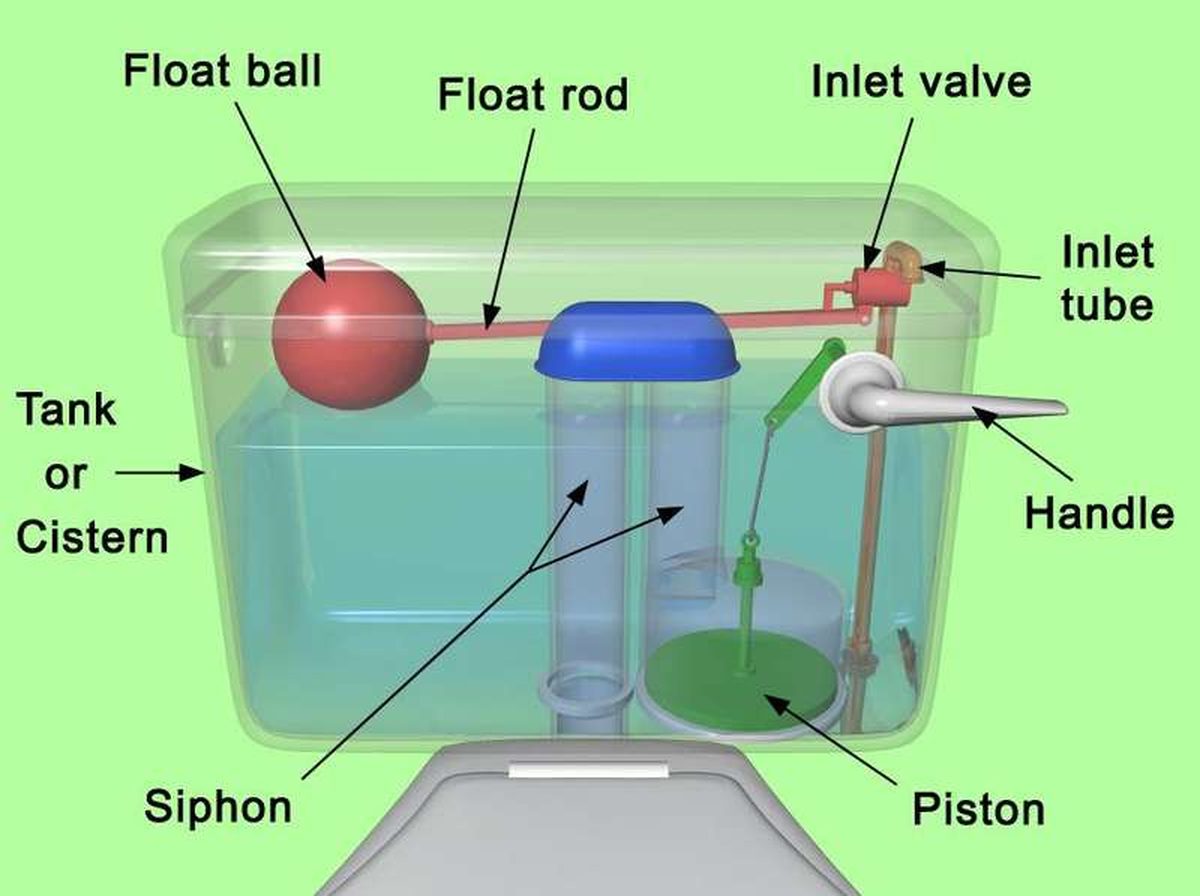
How to fix a running toilet without a plumber in 30 minutes
A running toilet can waste 200 gallons of water a day. Diagnose the flapper, float, or fill valve in two minutes, then fix it yourself
How to hang heavy shelves on drywall safely
Studs first, toggle bolts second, plastic anchors never for heavy loads. Weight ratings, installation steps, and mistakes that bring