
Why Do Tiled Floors Sound Hollow in Some Spots?
Key takeaways
- A hollow sound means air voids sit between the tile and the substrate, usually from thin adhesive coverage during installation.
- Tap the floor and compare: a solid tile pings high, a hollow one thuds low, and a change from spot to spot signals debonding.
- Small hollow spots with no cracks or movement are often harmless; rocking tiles or cracking grout mean the bond has failed.

Tap a tiled floor with a coin and most tiles answer with a sharp, solid ping. Then you hit one spot and hear a dull, empty thud, as if the tile were a tiny drum. That contrast is what worries homeowners.
The hollow sound is information, not just noise. It tells you something about what is happening underneath the tile, in the layer of adhesive that glues the tile to the floor.
This article explains why tiled floors sound hollow in some spots, including what creates the voids, how to test your own floor, when a hollow sound is harmless, and when it means the tile needs repair.
What the hollow sound actually is
A properly bonded tile produces a solid, high-pitched ping when tapped. A tile with poor adhesion answers with a dull, low-pitched thud or echo, which indicates a void underneath, according to EngineerFix. The void is simply an air pocket where the adhesive never made contact.
Those air pockets work like small resonance chambers. EngineerFix explains that the trapped air amplifies the sound when the tile is struck, which is why a tile floating over a void sounds so different from its well-bonded neighbor. You are hearing the tile vibrate over empty space.
Voids form when the thin-set mortar does not cover enough of the tile's back. Industry guidance calls for mortar to cover at least 80% of the tile's back in dry areas and up to 95% in wet areas. Anything less leaves unsupported patches, and those patches are the spots that sound hollow.
Donato Pompo, a tile investigator with Ceramic Tile and Stone Consultants, describes the standard field test in TileLetter: tap the tiles with a hard object such as a steel ball bearing. A well-bonded tile rings high; a debonded one sounds hollow or low. His key diagnostic rule is that what matters is the difference in sound from one area of an installation to another, or from one portion of a tile to another.
Why some spots sound hollow and others do not
Hollow spots are usually born on installation day. The causes are practical, not mysterious.
Insufficient mortar coverage. The most common reason is adhesive that was never spread evenly. Using the wrong trowel size, skipping the back-buttering of large tiles, or rushing the job leaves air gaps under the tile, and each gap becomes a hollow spot.
Spot-bonding. TileLetter identifies an improper method called spot-bonding, where the installer dabs adhesive on each corner of the tile and one spot in the center, then presses it into place. This leaves voids across the whole tile. You hear the hollow sound where there is no adhesive and a solid sound at the bonded spots, a patchwork that is the signature of this shortcut.
Dry adhesive and dirty substrates. Tiles set after the mortar has started to skin over will not bond correctly. Dust, dirt, or old adhesive on the substrate also blocks the bond. Upchurch Inspection lists dirty substrates, improper trowel size, and rushed installs among the most common causes its inspectors find.
Substrate movement after installation. In new construction, the building settles and the substrate shifts after the tiles are laid. Stone Forensics, citing the Natural Stone Institute, notes that settling can open voids beneath tiles that were bonded correctly on day one. Humidity and temperature swings also make the tile and substrate expand at different rates, which can work small gaps open over time.
The pattern of hollow spots tells a story. Random isolated spots point to coverage problems during installation. A whole zone of hollow tiles near an island or transition often points to a flexing subfloor underneath.
When a hollow sound is not a problem
Here is the part most homeowners never hear: a hollow sound does not always mean a defect. TileLetter cautions that the sound also depends on the assembly under the tile.
Tile installed over wood, a non-bonded mortar bed, a sound-control mat, or another membrane often produces a hollow tone even though the tile is well attached. The same goes for tile on a steel-framed wall. In these assemblies, the hollow sound is a property of the construction, not a sign of failure.
So if your entire floor sounds uniformly hollow, the substrate is probably the explanation. What signals debonding, in Pompo's words, is a differential in sound from one area to another.
One hollow tile in a field of solid ones deserves attention. A whole floor that sounds the same is usually just how that floor is built.
Small hollow spots with no cracks, no movement, and no grout damage are generally cosmetic. TileStyleHub's 2026 guide to hollow tiles classifies small hollow spots without cracks or movement as a minor issue that may not need immediate repair.
When a hollow sound means trouble
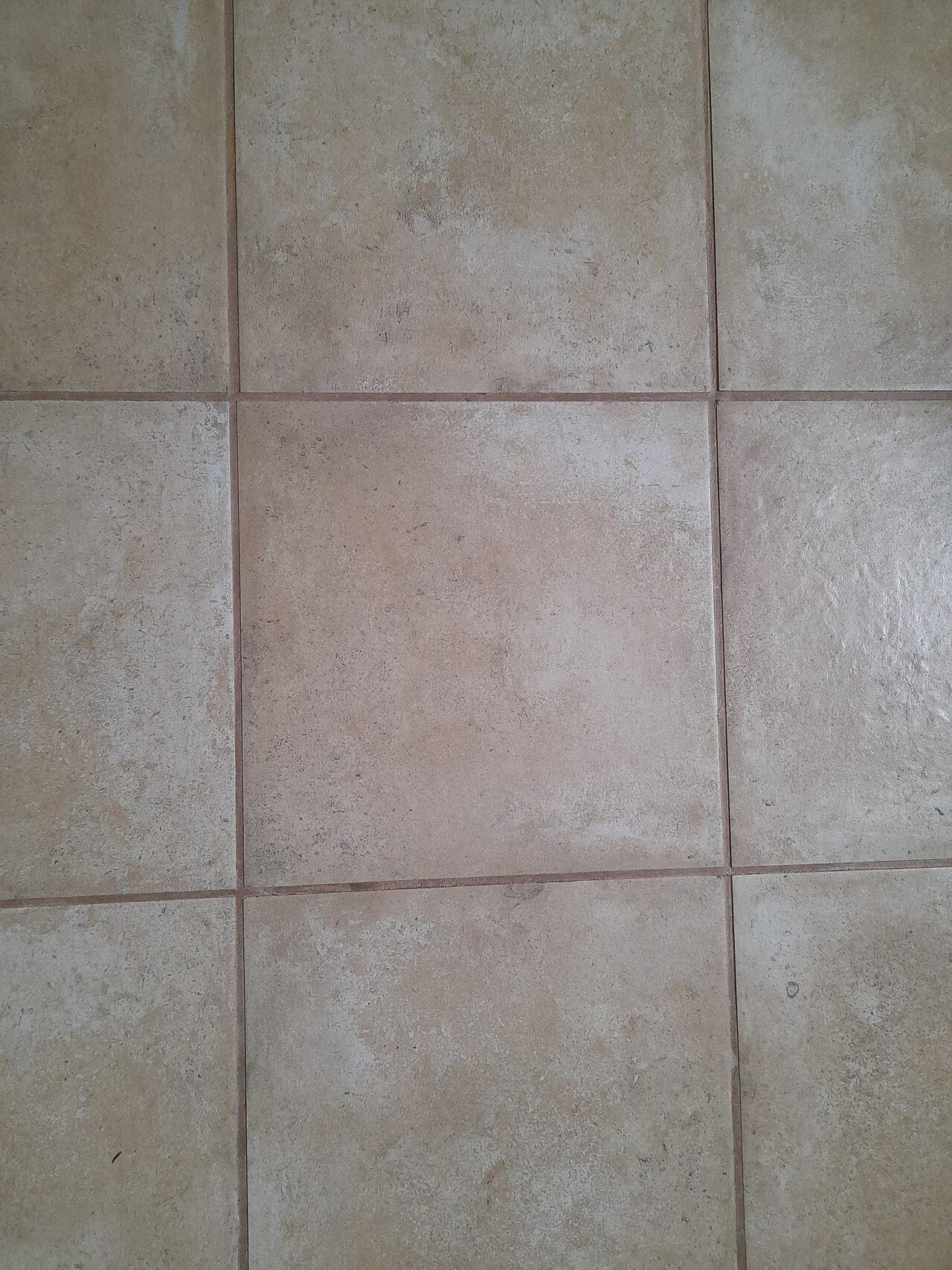
Some hollow tiles are failing, and they give extra warnings. Watch for these.
Rocking or loose tiles. Press on the tile's edges. Stone Forensics warns that tiles that are loose or rock under pressure have lost their bond and may need repair or replacement.
Cracks. A hollow sound plus visible cracking suggests a failing substrate or improper installation. Unsupported tiles flex under foot traffic, and that flexing eventually breaks them.
Crumbling grout. Upchurch Inspection notes that grout usually gives out before the tile does: by the time grout starts breaking up, the tile has often been hollow for a while. Grout cracking around a hollow tile is an early warning worth acting on.
Popping or clicking when walked on. EngineerFix describes the popping sound as a partially debonded tile shifting slightly under concentrated weight. If a tile moves and talks back, the bond is going.
For a single failing tile, a pro can often inject adhesive or replace the tile without redoing the floor. For widespread debonding across a room, replacement of the affected area is usually the honest fix. Either way, get an assessment before the tile cracks and turns a repair into a replacement.
FAQ
How do I test my tiles for hollow spots?
Tap each tile with a coin, a marble, or the handle of a screwdriver and listen. Compare tile to tile. Mark the hollow ones with painter's tape and check whether they cluster in a pattern or scatter randomly.
Can hollow tiles fix themselves?
No. Voids do not fill in over time, and a debonded tile will not re-bond. Small stable voids can stay harmless for years, but a tile that rocks or cracks will only get worse.
Will hollow tiles eventually crack?
Not necessarily, but the risk is higher. Unsupported tile flexes under load, and repeated flexing stresses the tile and the grout. Large hollow areas under heavy traffic are the most likely to fail.
Is spot-bonding ever acceptable?
No. It is considered an improper installation method because it guarantees voids and weakens every tile. Full, even mortar coverage is the standard.
Should I worry about hollow-sounding wall tiles?
The same physics applies. Hollow wall tiles in a shower are more urgent than floor tiles in a hallway, because water can enter the voids and damage what is behind them.
The bottom line
Tiled floors sound hollow in some spots because air voids sit where adhesive should be, usually from thin coverage or rushed installation on day one. The tap test tells you where the voids are, and the pattern tells you whether it is a harmless quirk of the assembly or a bond giving up.
Small, stable hollow spots can be left alone. Rocking tiles, cracks, and failing grout cannot.
Walk your tile floor with a coin this weekend and map the hollow spots with painter's tape. If they are isolated and solid underfoot, relax. If tiles rock or grout is crumbling, call a tile setter before a small repair becomes a cracked tile.
Rive News is a research desk covering home maintenance. For widespread tile failure or structural subfloor issues, hire a qualified tile contractor.
Latest in Home & DIY
- How to Tell If Old Paint in the Can Is Still Usable
- Why Does a Garage Door Opener Click but the Door Does Not Move
- Why Your Kitchen Smells Like Fish or Hot Plastic
- Why Does the Smoke Alarm Go Off When You Cook Even With No Smoke
Subscribe for one plain-English home maintenance explainer every week.
Found an error in this article? Email the research desk with the correction and we will fix it.
Related stories
Why Your Faucet Keeps Dripping After You Turn It Off
A dripping faucet is usually a worn washer, O-ring, or cartridge that can no longer seal. One drip per second wastes over 3,000 gallons
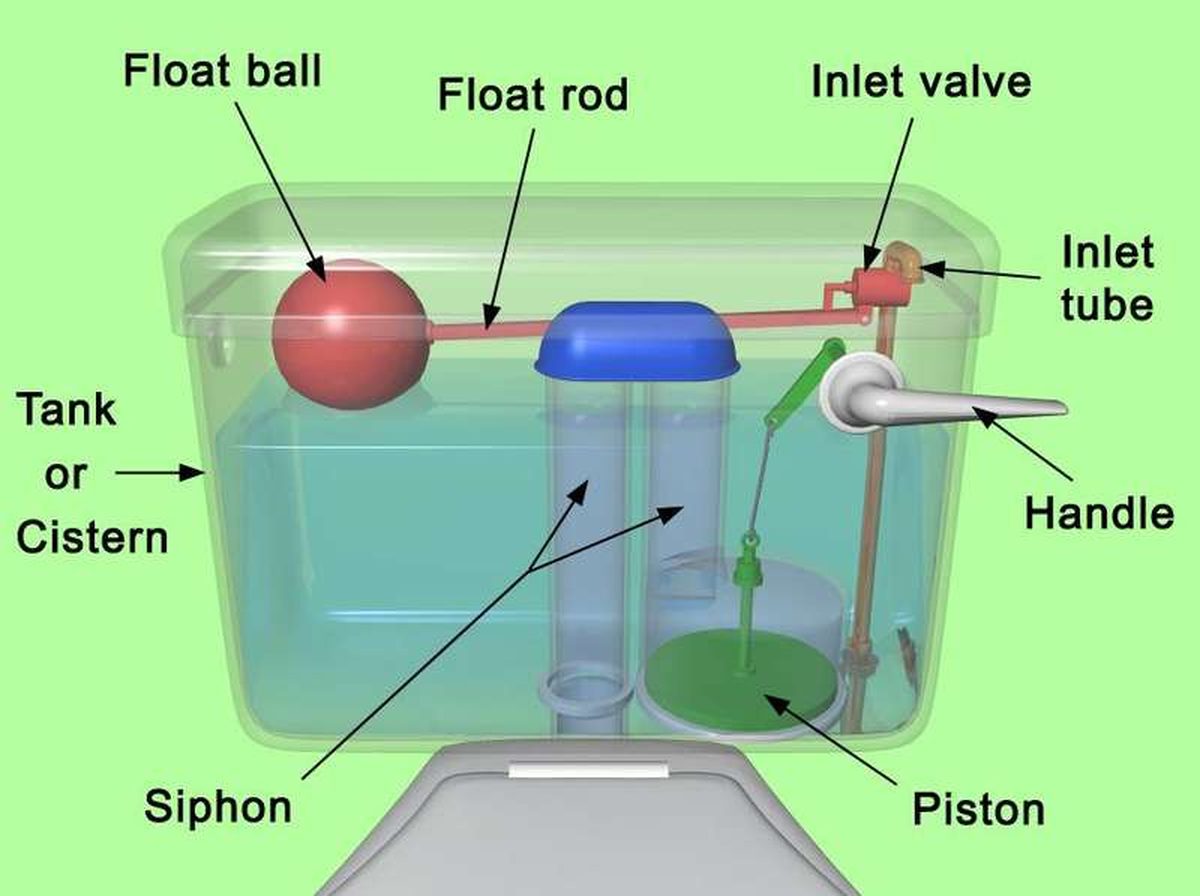
How to fix a running toilet without a plumber in 30 minutes
A running toilet can waste 200 gallons of water a day. Diagnose the flapper, float, or fill valve in two minutes, then fix it yourself
How to hang heavy shelves on drywall safely
Studs first, toggle bolts second, plastic anchors never for heavy loads. Weight ratings, installation steps, and mistakes that bring