
Why Does a Garage Door Opener Click but the Door Does Not Move
Key takeaways
- A single click means the opener's relay received your command but the motor circuit failed to engage or the door is disconnected.
- The most common causes are a pulled emergency release cord, a broken spring, misaligned safety sensors, or a stripped nylon drive gear.
- Springs, cables, and drums are under extreme tension: diagnose by hand, but leave those repairs to a trained technician.
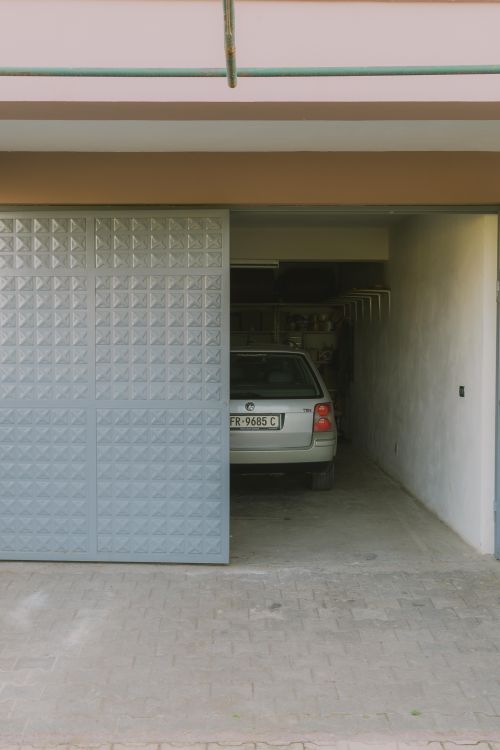
Pressing the remote and hearing only a click is a specific diagnostic clue, not a dead opener. Photograph: Arlind D/Pexels
A garage door opener is a motorized unit that slides a trolley along a rail to open and close the door. When you press the remote or wall button and hear one sharp click, but the door never moves, the click is telling you something precise: your command reached the opener, but the motor never got to work. This article explains what that click means, including the six most common causes, a safe diagnostic sequence you can run yourself, and the line between a homeowner fix and a call to a professional.
What the click actually means
The click is the sound of an electrical relay closing on the opener's logic board. The relay is a small switch that turns your low-voltage command into the high-voltage signal the motor needs. Hearing it confirms the remote or wall button did its job.
The failure sits downstream: the motor circuit never engaged, the motor is blocked, or the motor is running but no longer connected to the door.
EngineerFix breaks the symptom into three sounds, and the distinction matters. A click followed by silence points to the logic board failing to deliver starting current, or to the door being disconnected. A click followed by a low hum suggests the motor is getting power but the start capacitor has failed, so it cannot overcome inertia.
A click followed by the motor briefly spinning while the chain or belt stays still points to stripped internal drive gears.
Note the difference from a remote problem. If you hear nothing at all, the opener may not be receiving the command: dead batteries, a locked console, or a tripped GFCI outlet. The click rules those out and moves the investigation to the motor head and the door itself.
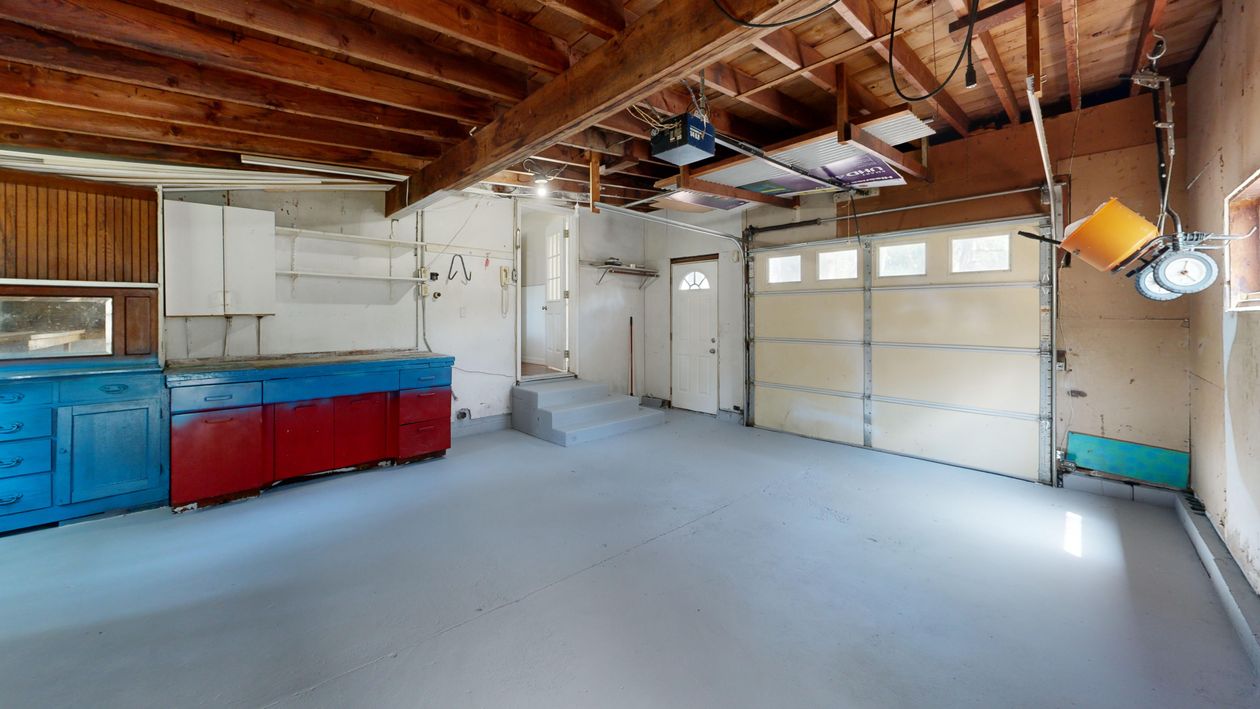
Before opening any cover, unplug the unit: the motor head runs on mains voltage. Photograph: Peter Vang/Pexels
The six most common causes
1. The emergency release is disengaged. The red cord hanging from the opener pulls a release lever on the trolley, disconnecting the door from the drive so it can be moved by hand. If the cord was snagged or tugged by accident, the motor has nothing to push. EngineerFix notes you can spot this by looking at the trolley where the J-shaped arm meets the door: a disengaged trolley shows a visible gap. Pull the cord back toward the motor until the lever clicks into place, with the door fully closed.
2. A broken spring. Springs do the heavy lifting, not the opener. A typical residential door weighs 150 to 250 pounds, and the springs counterbalance that weight over about 10,000 cycles before metal fatigue wins, according to Easy Garage Door Repair. When a spring breaks, the opener suddenly faces the full weight of the door. It tries, clicks, and gives up. Look for a visible gap in the coil of the torsion spring above the door, and never keep pressing the button once you suspect this.
3. Misaligned safety sensors. The photoelectric sensors near the floor send an invisible infrared beam across the door opening. If the beam is broken or the two sensors are not aimed at each other, the opener refuses to move the door, EngineerFix explains. Check that nothing blocks the beam and that both sensor lights glow steadily instead of blinking.
4. A stripped nylon drive gear. Inside the motor head, a soft nylon gear transfers the motor's spin to the chain or belt sprocket. Chamberlain-built units (Chamberlain, LiftMaster, Craftsman) deliberately make this gear sacrificial: it strips first to protect the motor from burning out when the door resists. UAD Garage Doors reports that in more than 85 percent of cases where the motor runs but the drive sprocket does not turn on these units, the nylon gear is the culprit. Opening the cover often reveals white plastic shavings, the "white snow" technicians look for.
5. A failed start capacitor or logic board. The start capacitor gives the motor the burst of energy it needs to begin turning from a dead stop. When it fails, the motor hums but never spins. When the logic board fails, the relay clicks but no current follows. Both live inside the motor head and both are replaceable parts, though the board costs more.
6. A power supply problem at the outlet. A GFCI outlet feeding the opener can trip on a minor surge or humidity, cutting power to the unit. EngineerFix notes the control circuit can retain enough residual charge to produce one relay click even as the mains power is gone. Check the outlet with another device before assuming the opener is dead.
A quick diagnostic sequence
Work through these checks in order, with the door fully closed at the start.
First, look at the red release cord. If it hangs lower than usual or the trolley shows a gap, re-engage it and test the door.
Second, check the safety sensors. Wipe the lenses, confirm both indicator lights are steady, and clear anything from the beam path.
Third, test the door balance by hand. Pull the emergency release to disconnect the opener, then lift the door manually. A healthy door feels light and stays put when stopped halfway.
If it is extremely heavy or slams down, the springs are the problem and you should stop there.
Fourth, check the outlet. Plug a lamp into the opener's outlet to confirm it has power, and reset any tripped GFCI.
Fifth, listen carefully. If the motor hums, the capacitor is suspect. If the motor spins briefly without moving the chain, the nylon gear is stripped.
Unplug the unit before removing the motor head cover to look for the white plastic shavings.
Write down what you find. A technician will diagnose faster, and charge less, when you can say exactly which checks you ran.
When to call a professional
Some fixes are safe for a homeowner: re-engaging the trolley, wiping sensor lenses, resetting a GFCI, and testing the door balance. The line is drawn at high-tension hardware.
Springs, lift cables, and the brackets and drums they connect to sit under extreme tension. A broken torsion spring can injure badly if it lets go during handling, which is why every repair guide, including Easy Garage Door Repair, says the same thing: leave spring work to a trained technician. The same goes for replacing the drive gear if you are not comfortable working inside the motor head with the power off.
Call a professional when the door feels heavy by hand, when you see a broken spring or frayed cable, when the motor head needs internal parts, or when the diagnosis keeps pointing in circles. And never pull the emergency release while the door is raised if a spring may be broken: the door can drop without warning.
FAQ
Why does my garage door opener click once but nothing happens?
The click is the logic board's relay closing, which confirms your command arrived. The motor circuit then fails to engage, either from a disconnected trolley, a broken spring, a bad capacitor, or a failed board.
Is it the remote or the opener?
If you hear the click, the remote is fine: the signal reached the unit. Dead remotes produce silence, not a click.
Can I just keep pressing the button until the door moves?
No. Repeated attempts strain the motor and can strip the nylon drive gear. If the door does not move after one or two tries, stop and diagnose.
Why does the motor hum but the door stay still?
A humming motor that never spins usually has a failed start capacitor: it receives power but cannot overcome the inertia to start turning. This is an internal part replacement.
How do I know if the spring is broken?
Look for a gap in the coils of the torsion spring above the door, and try lifting the door by hand after pulling the release cord. A door that feels extremely heavy almost certainly has a broken spring.
The bottom line
A click with no movement is the opener telling you the signal arrived but the work never started. Check the release cord, the sensors, the outlet, and the door balance in that order, and listen for the hum or brief spin that narrows the fault further. Diagnose by hand all you like, but the moment the evidence points to springs, cables, or the inside of the motor head, hand the job to a professional.
Rive News is a research desk, not a licensed contractor. For high-tension spring or cable work, hire a trained garage door technician.
Latest in Home & DIY
- Why Does Your Fridge Make Ice on the Back Wall?
- Why Do Radiators Gurgle and When Do They Need Bleeding?
- Why Do Shower Curtains Billow Inward?
Subscribe for one plain-English home troubleshooting explainer every week.
Image Credits: Pexels / Arlind D, Peter Vang
Related stories
Why Your Faucet Keeps Dripping After You Turn It Off
A dripping faucet is usually a worn washer, O-ring, or cartridge that can no longer seal. One drip per second wastes over 3,000 gallons
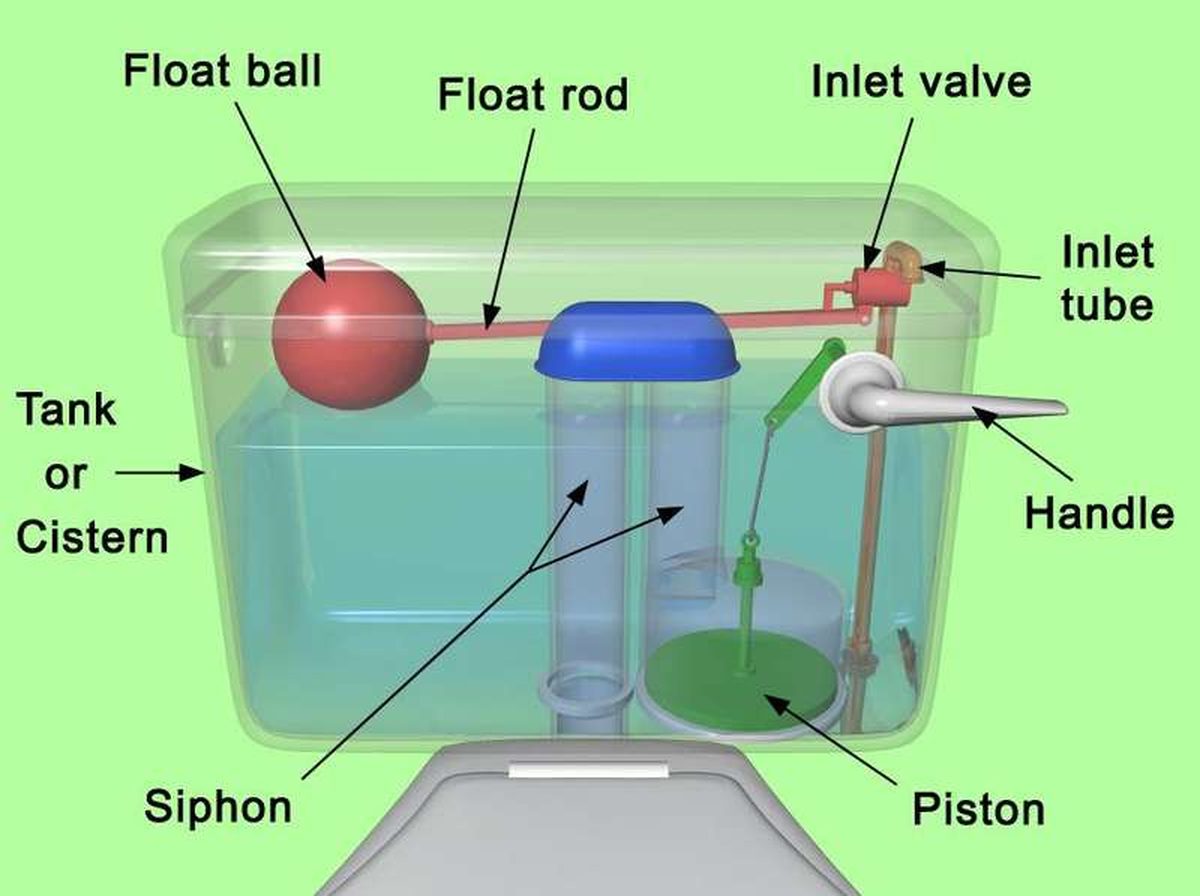
How to fix a running toilet without a plumber in 30 minutes
A running toilet can waste 200 gallons of water a day. Diagnose the flapper, float, or fill valve in two minutes, then fix it yourself
How to hang heavy shelves on drywall safely
Studs first, toggle bolts second, plastic anchors never for heavy loads. Weight ratings, installation steps, and mistakes that bring