
Why Does My Toilet Gurgle When the Shower Drains? 5 Causes
Key takeaways
- A gurgling toilet means air pressure in your drain system is unbalanced, usually from a blocked vent stack or a partial drain clog.
- When the shower drains fast, it creates a vacuum that pulls air through the toilet's water seal, and that is the sound you hear.
- One fixture gurgling points to a local clog; several fixtures gurgling together points to the vent stack or main sewer line.
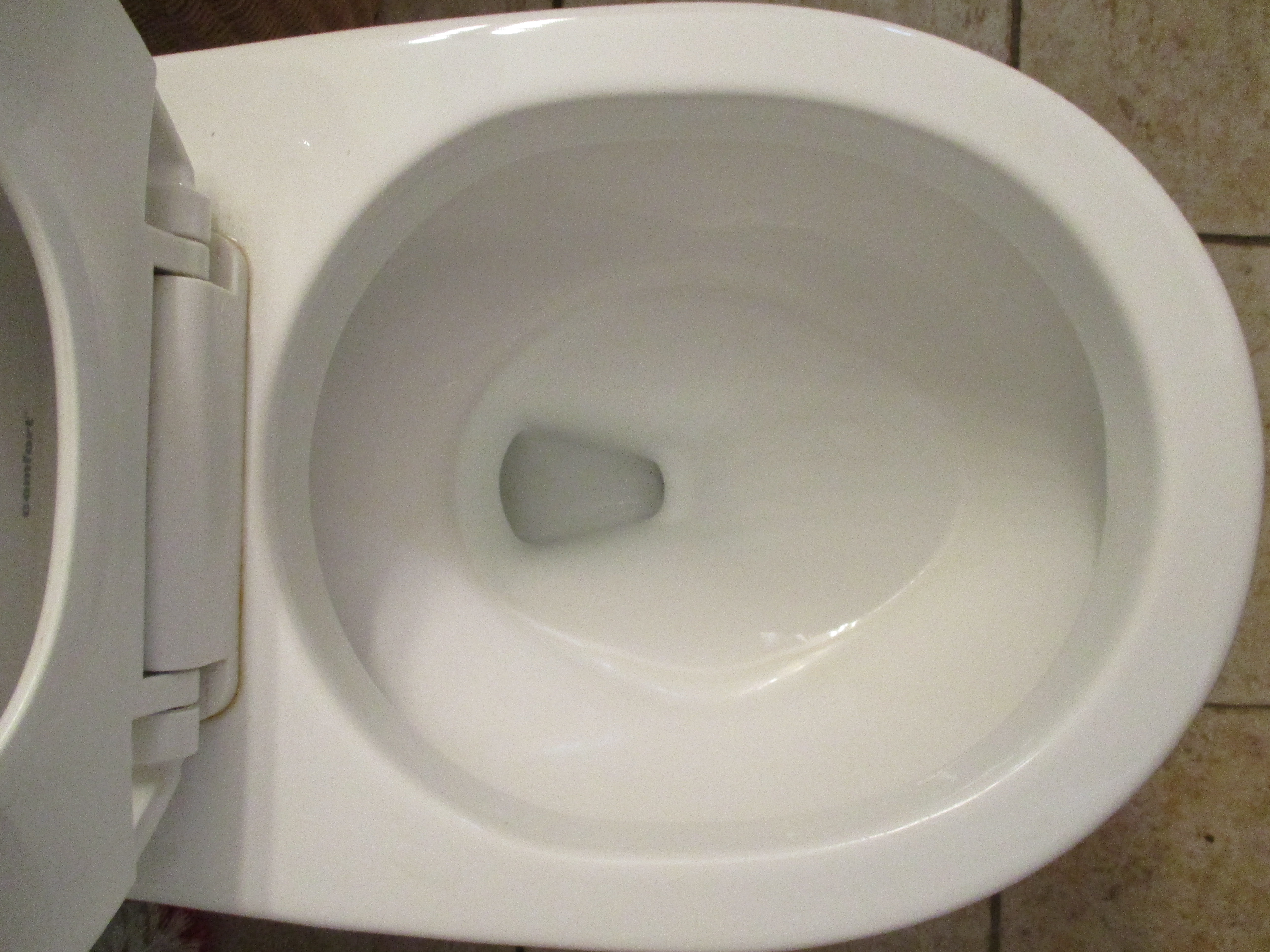
A toilet that gurgles when the shower drains is your plumbing system talking. The sound means air is moving through pipes where it should not be, pulled or pushed by pressure that is out of balance.
It usually starts as an annoyance. Left alone, the same problem can escalate into slow drains, sewer gas in the bathroom, or a full sewer backup, according to The Spruce. The good news is that the sound itself is a clue, and following it leads to the cause.
This article explains how your drains and vents work together, the five reasons a toilet gurgles when the shower runs, how to tell which one you have, what you can fix yourself, and when to call a plumber.
How drains and vents keep pressure balanced
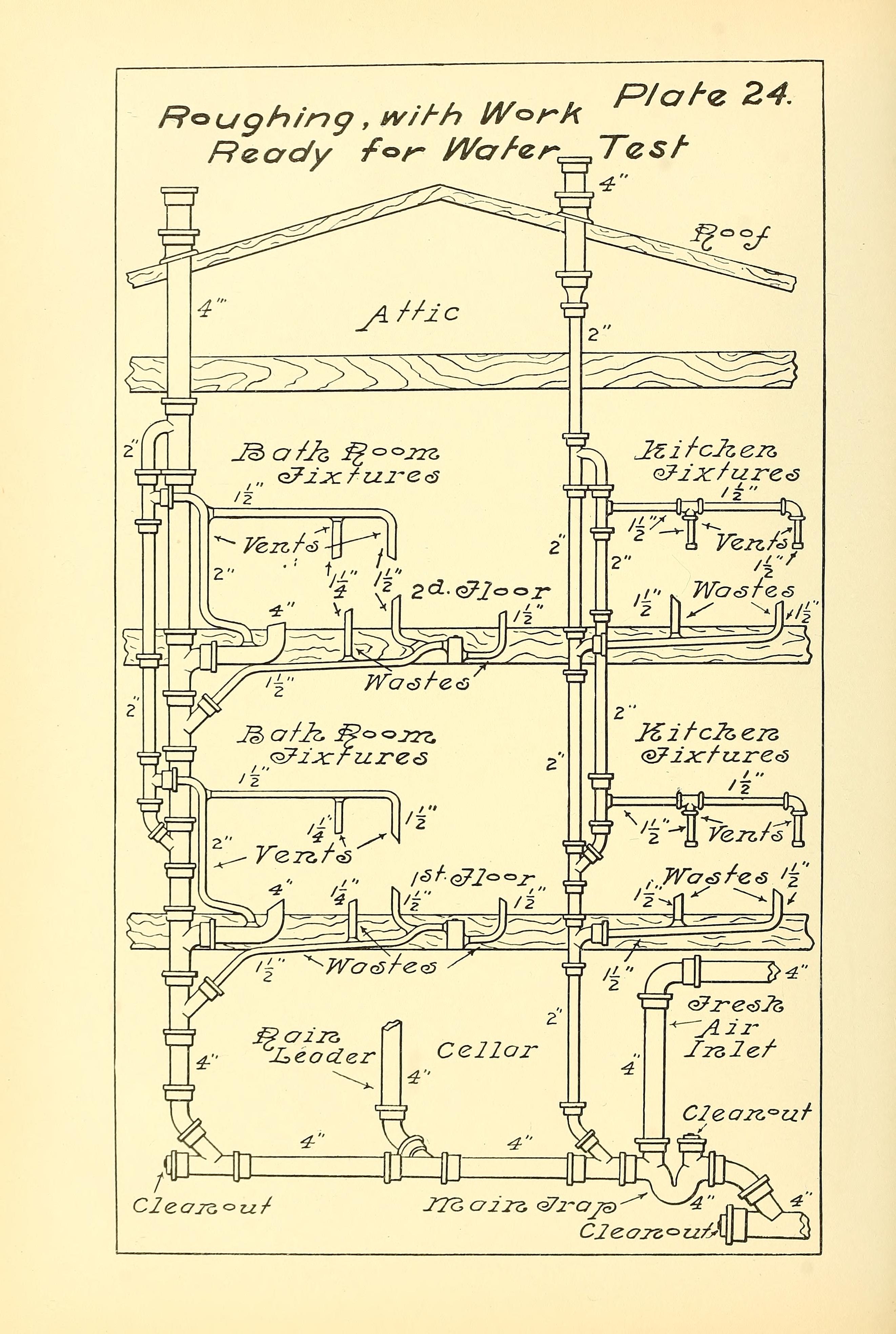
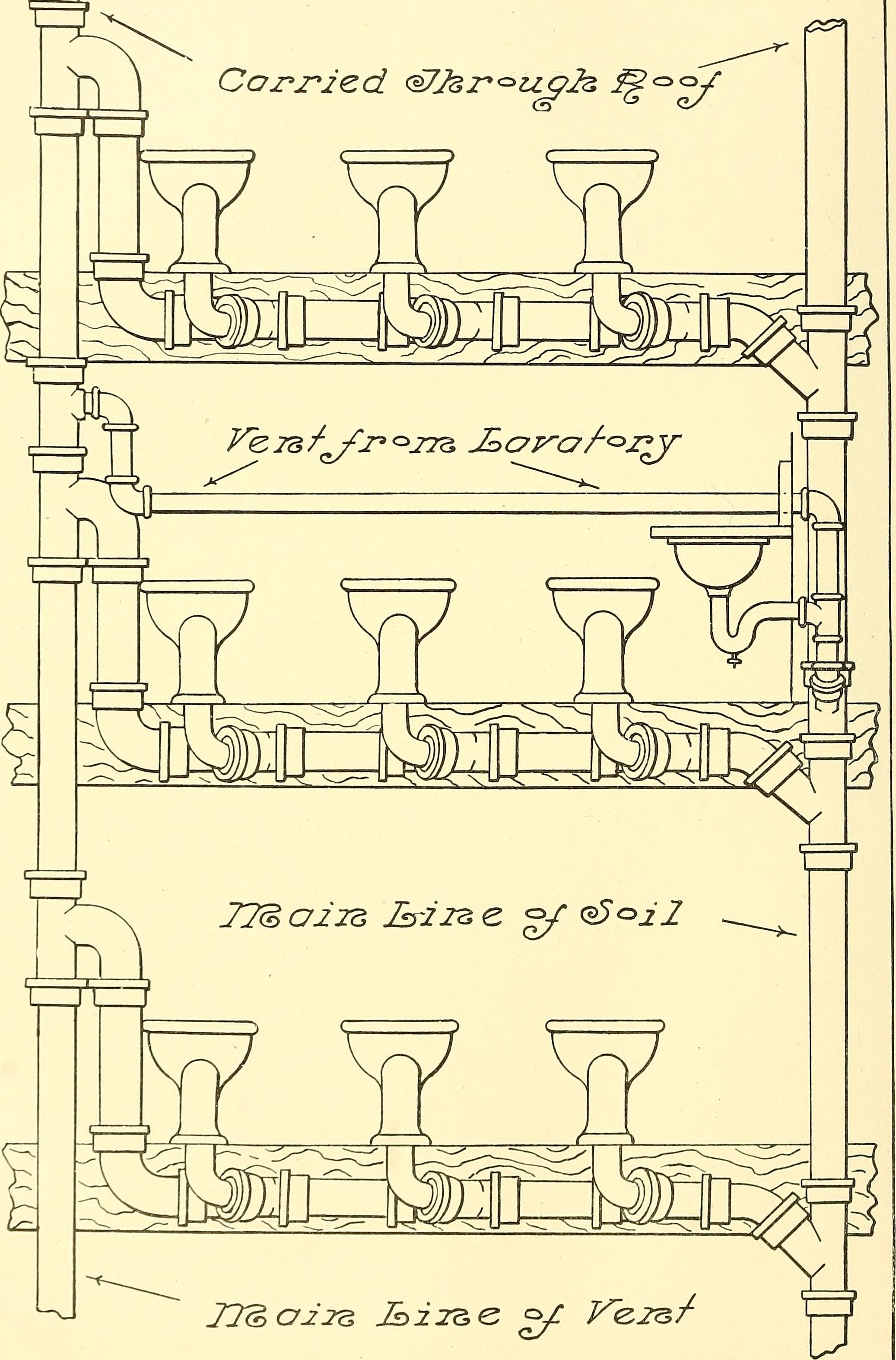
Every modern home runs on a drain-waste-vent system, or DWV. Wastewater flows downhill by gravity, and a vent stack, a pipe that exits through the roof, feeds fresh air into the drain lines so pressure stays neutral behind the moving water, Engineer Fix explains.
Every fixture has a U-shaped bend called a P-trap (or S-trap in older toilets) that holds a small amount of water. That water is a seal. It blocks sewer gases like hydrogen sulfide and methane from rising out of the pipes and into the house.
When the shower sends a large volume of water down the shared drain line quickly, it creates negative pressure, a partial vacuum, behind it. A healthy vent stack lets air rush in from the roof to fill that vacuum.
If the vent is blocked, the system pulls air from the nearest available source instead, which is often the water seal in the toilet bowl. That vacuum forcefully sucks air through the seal, and you hear the gurgle.
This siphoning can also lower the water level in the bowl. A weakened seal lets sewer gases slip past, which is why a gurgling toilet sometimes comes with a rotten-egg smell. That gas exposure is a genuine health concern, Angi notes, so a persistent gurgle deserves attention, not just earplugs.
The 5 causes, from most to least common
1. Blocked vent stack
The most likely reason a toilet gurgles when the shower runs is a clog in the vent stack. The roof vent introduces air that neutralizes pressure, and if it gets clogged, that air has nowhere to go but back through your fixtures, Angi explains.
Roof vents get blocked by bird nests, leaves, twigs, and in cold weather, ice buildup, according to The Spruce and Engineer Fix. The escaping air has to exit somewhere, and the toilet bowl, the nearest big opening, becomes the exit. This is the cause to check first when the gurgle is consistent and no drains are backing up.
2. Partial clog in the shared drain line
A partial blockage downstream of both fixtures restricts water flow and air movement at once. When the shower drains into a partly blocked line, water and air back up into the toilet, which serves as the nearest exit, The Spruce reports.
These blockages are often grease, soap scum, hair, sediment, or tree roots working into the pipe. If flushing a toilet causes a shower or tub on the same floor to back up slightly, a main-line clog is highly likely, Engineer Fix adds. That cross-talk between fixtures is the signature of a shared-line problem.
3. Clog in the toilet itself
Sometimes the problem is local: a partial clog in the toilet's own trapway. A toilet clog can push water or air back into the bowl's trap when the shower's drainage pressurizes the line, The Spruce explains.
A clog in another toilet in the house can also be the culprit, since all toilets share the same blockages, though it only shows up in bathrooms with both a shower and a toilet. Plunging the other toilets in the home can dislodge it.
4. Failing air admittance valve
Some bathrooms, especially in island fixtures or remodels, use an air admittance valve (AAV) instead of a traditional roof vent. This mechanical valve opens to let air into the drain line when it senses negative pressure, then closes to keep sewer gas out.
If the AAV fails, sticks shut, or clogs with sediment, it cannot supply the air the system needs, and the same pressure imbalance and gurgling appear, Engineer Fix explains. Angi lists a failing AAV as one of the two top causes alongside a clogged vent stack.
5. Municipal sewer line blockage
Rare, but worth knowing: a clog in the local sewer line can make toilets bubble. If you have cleared toilet clogs and checked the vents and the problem persists, check whether neighbors are experiencing the same thing, The Spruce advises, and call the municipal sewer authority to report it.
Diagnose it in five minutes
The key question is whether the problem is isolated or system-wide. Run the shower and watch what happens elsewhere in the house.
If only the one toilet gurgles and everything else drains fine, the cause is probably local: the toilet's own trapway or the vent serving that bathroom. A flange plunger or a closet auger is the right first tool.
If several drains gurgle, the tub drains slowly, or the toilet bubbles when the washing machine runs too, the problem is downstream: the vent stack or the main sewer line. That is the pattern that tends to get worse, and it is better to catch it early, according to plumbers at Golden Plumbing, a Kentucky plumbing company.
One more test: flush the toilet and watch the shower drain. If the shower or tub on the same floor backs up slightly during the flush, the main line is likely restricted. That is a call-a-plumber result, not a DIY one.
What you can fix yourself
For a suspected toilet clog, plunge first with a flange plunger, making sure of a tight seal on the bottom of the bowl. If plunging alone does not work, cover the drain holes of nearby sinks and showers with duct tape and plunge again, which forces the pressure toward the clog, The Spruce recommends.
If the clog is close to the toilet, a closet auger, also called a toilet snake, can break it up. The tool uses a 3.5- to 6-foot cable with a protective sleeve designed to navigate the toilet's porcelain trap without scratching it. For a slow shower drain, a flexible drain snake clears the usual hair and soap scum.
If the diagnosis points to the vent, and you are comfortable on a roof, locate the straight open-ended pipe, look down it with a flashlight, and clear debris with a bent hanger or a gentle flush from a garden hose. The Spruce cautions that roof work is best left to a professional if you are not comfortable at height.
Skip the chemical drain cleaner. It rarely reaches the actual blockage in a toilet, it can damage the porcelain glaze and rubber seals, and a closet auger is safer and more effective, plumbers at Patton Plumbing explain. Repeated chemical use can also eat at older pipes without ever fixing a vent or main-line issue.
When to call a plumber
Call a professional when the gurgle affects multiple fixtures, when you smell sewer gas, when water backs up during a flush, or when DIY clearing has not worked after a couple of tries. Specialized equipment like a hydro-jetting machine or a sewer camera may be needed to clear deep clogs or inspect the vent stack, Engineer Fix notes.
Plumbing vents live on the roof, and a pro can clear a blocked stack safely. For a suspected main-line blockage, a camera inspection shows whether the culprit is grease, roots, or a broken section before anyone starts digging, which means you pay to fix what is actually there. The same logic applies to other drainage mysteries around the house, where the visible symptom and the real cause are often in different places.
Frequently asked questions
Is a gurgling toilet an emergency?
Usually not in the moment, but it is a warning you should not ignore. A gurgle means air cannot move properly through your drains, and the same blockage often grows into a slow drain or a full sewer backup. If the gurgle comes with sewer odor or backups in other fixtures, treat it as urgent.
Can a gurgling toilet fix itself?
Flushing might stop the gurgling for a while, but the root cause stays in the system. A partial blockage or a blocked vent does not clear on its own, and the gurgle will return until the underlying problem is fixed with a plunger, a drain snake, or a plumber's help.
Why does my toilet gurgle when I run the sink too?
The sink, shower, and toilet share a drain and vent path. When one fixture drains and another bubbles, air is being pulled through the toilet's trap because the system cannot get air the normal way through the roof vent. That cross-talk means the problem is past a single fixture, in the shared line or vent.
Will a plunger stop my toilet from gurgling?
It can if the cause is a partial clog in the toilet's own trap. A good flange plunger or closet auger may clear it. But plunging does nothing for a blocked roof vent or a main sewer line clog, which are the causes when several fixtures are affected.
The bottom line
A toilet that gurgles when the shower drains is a pressure problem, not a ghost. The shower's rush of water creates a vacuum, and a blocked vent or a partial clog forces air through the toilet's water seal. Diagnose with the one-fixture test, clear local clogs with a plunger or auger, check the roof vent if you can do it safely, and call a plumber when multiple fixtures are involved or sewer gas appears.
Tags: plumbing, bathroom, home maintenance, drains
Latest in Home
- How to Stop a Door Slamming Shut on Its Own: 12 Fixes
- Why Does My Sump Pump Run Every Few Minutes?
- Why Does Grout Crack Between Bathroom Tiles?
- Why Do Smoke Detectors Beep Randomly With No Smoke?
Subscribe for one practical home fix in your inbox every morning.
Related stories

Why Your Faucet Keeps Dripping After You Turn It Off
A dripping faucet is usually a worn washer, O-ring, or cartridge that can no longer seal. One drip per second wastes over 3,000 gallons

How to fix a running toilet without a plumber in 30 minutes
A running toilet can waste 200 gallons of water a day. Diagnose the flapper, float, or fill valve in two minutes, then fix it yourself

How to hang heavy shelves on drywall safely
Studs first, toggle bolts second, plastic anchors never for heavy loads. Weight ratings, installation steps, and mistakes that bring