
Why windows rattle in wind and how to stop them
By Rive News / Research desk | Rive News / Published October 29, 2026 at 9:00 AM PKT
Key takeaways
- A rattle means something is loose enough to move: the glass in its sash, the sash in its frame, or the hardware holding them.
- Wind makes it worse because gusts push and pull unevenly, so the loose part taps its frame again and again.
- Pressing each part while the noise happens shows which one is moving, and that decides the fix.

[Raindrops on a windowpane; wind and rain together are when loose windows complain loudest.] Photograph: the window
Image Credits: Wikimedia Commons
A window that rattles in wind is not being attacked by the weather. It is a window with a small amount of play in it, and wind is the force that exploits the gap. Gusts change pressure on the glass many times a second, and any part that can move will tap against its neighbour.
This article explains why windows rattle in wind, including the three parts that can move, how wind pressure works on a pane, how to find the loose part, and the fixes that stop it.
What a rattle actually is
A rattle is repeated impact between two hard parts. In a window, that usually means the glass pane vibrating inside its sash, or the sash itself shifting inside the main frame. Engineer Fix describes both as the same class of problem: a mechanical failure that leaves a margin of movement where there should be none.
The sound tells you something about the cause. A sharp, rapid tapping often means the glass is loose in its glazing.
A deeper knock that comes with each gust often means the whole sash is moving. A buzz usually means a small piece of hardware, a handle or latch plate, is vibrating.
A rattle also signals air leakage. The same gap that lets the part move lets air through, which is why rattling windows often feel draughty and cost more to heat. Fixing the rattle usually improves both the noise and the draught.
How wind moves a window
Wind does not push steadily. It arrives in gusts, and the pressure on a window rises and falls with each one. That changing pressure is what makes a loose part vibrate rather than simply press against its frame.
The force depends on wind speed and on the building. A window on an exposed upper floor or a corner of the house faces stronger gusts than a sheltered ground-floor window. Tall buildings and open ground increase the load further.
Window ratings reflect this. A widely used industry table from the American Architectural Manufacturers Association relates design pressure to wind speed: a window rated at 15 pounds per square foot of design pressure corresponds to roughly 33 mph of wind, while a 50 psf rating corresponds to about 54 mph. Most homes never see those loads in normal weather, but the numbers show how quickly force climbs with wind speed.
Pressure also acts differently on each side of the glass. Wind pressing on the outside and lower pressure inside the room create a differential that flexes the pane. If the pane is not firmly bedded, that flexing becomes vibration, and vibration becomes a rattle.
The three parts that can move
The first is the glass itself. In older windows, putty or glazing beads hold the pane in the sash.
Putty dries out, shrinks, and cracks over time, and glazing points can fall out. Once the bedding fails, the pane has room to move in its channel and taps the frame with every gust.
The second is the sash. The sash is the moving frame that holds the glass, and it rides inside the fixed outer frame.
Weatherstripping cushions and seals that joint. When the stripping compresses, hardens, or falls away, the sash gains clearance and shifts under wind load.
The third is the hardware. Locks, latches, hinges, and handles all have screws that loosen over years of use.
A lock that no longer pulls the sash tight against the frame leaves the sash free to move. A loose handle or hinge plate can buzz on its own even when the sash is snug.
Structural settling can add a fourth factor. Houses shift as soil moves, and a frame that twists slightly out of square changes the clearances around the sash. That is harder to fix than worn stripping, but it is less common than the first three causes.
Finding the loose part
Wait for a windy day, or recreate the load by pressing gently on the glass. Then press each suspect part in turn and listen.
If pressing the glass stops the noise, the glazing is the problem. If pressing the sash rail stops it, the sash fit or weatherstripping is at fault.
Check the hardware next. Wiggle each handle, lock, and hinge plate.
Tighten any screw that turns freely. A lock that does not pull the sash fully closed is a common cause that costs nothing to confirm.
Look at the weatherstripping with the window open. Compressed, brittle, or missing sections show up as flat, cracked, or gapped runs. Close the window onto a strip of paper and pull: if the paper slides out easily, the seal is not gripping at that point.
Check the outside too. Cracked or missing exterior caulk where the frame meets the wall shows the unit moving independently of the building. That gap lets both air and water in, and it deserves attention even if the rattle seems minor.
Fixes that stop the rattle
For loose glass in an older window, remove the failed putty and re-bed the pane with fresh glazing compound, pressing new glazing points into the sash as you go. For a modern window, a thin bead of clear silicone or glazing sealant around the edge of the pane fills the void and stops the movement.
For a loose sash, replace the weatherstripping. Choose a profile that matches the original, and fit it so it compresses slightly when the window closes. That slight compression is what creates the airtight seal and the cushion that stops the sash shifting.
For hardware, tighten every screw and replace any that are stripped. If a lock no longer pulls the sash tight, adjust the striker plate or replace the latch. Foam draught tape on the sash rail is a cheap temporary fix that also shows whether a tighter fit would solve the problem.
For a twisted frame or a sash that no longer sits square, a joiner or window specialist may need to re-hang or replace the unit. That is the point where a do-it-yourself fix stops being sensible, especially on large or double-glazed units.

[Raindrops scattered across a car window; wind-driven rain shows how gusts press unevenly on glass.] Photograph: Joshua Tree National Park
Image Credits: Wikimedia Commons
Frequently asked questions
Why do my windows only rattle when it is windy?
Wind supplies the changing pressure that moves a loose part. In calm air nothing pushes the pane or sash, so the gap stays silent. The gap itself is there all the time.
Is a rattling window dangerous?
A rattle alone is usually a comfort and energy problem, not a safety one. Cracked glass, a frame pulling away from the wall, or water coming in around the unit are different matters and should be checked promptly.
Can I stop a rattling window without replacing it?
Most rattles are fixed by tightening hardware, replacing weatherstripping, or re-glazing the pane. Replacement is only needed when the frame is twisted, rotted, or the sealed glazing unit has failed.
Why does one window rattle but not the others?
Exposure differs. A window facing the prevailing wind, on an upper floor, or on a corner takes more gust load than a sheltered one. Age and use also differ, so one unit's seals can fail years before its neighbours'.
Does double glazing stop rattling?
Double glazing helps with noise from outside, but a loose sash or failed glazing still rattles in the same way. The extra weight of a double-glazed sash can even make a worn hinge or balance show up sooner.
The bottom line
Windows rattle in wind because something in the assembly has room to move, and gusts keep tapping it against its frame. The fix follows the diagnosis: re-glaze a loose pane, replace worn weatherstripping on a loose sash, or tighten hardware that no longer pulls the window shut.
Find the moving part first by pressing each one while the noise happens. That single test separates a five-minute screwdriver job from a re-glazing project, and it stops you replacing a window that only needed a new seal.
Tags: windows, wind, home maintenance, draughts
The Rive News research desk writes plain-English explainers on how everyday things work, based on published sources and manufacturer guidance.
Related
- How to stop condensation on bedroom windows for good
- How to stop drafts under doors cheaply: 7 fixes
- What causes doors to stick in summer and how to fix them
- Why hardwood floors creak and how to quiet them fast
Subscribe for one practical home explainer each morning.
Rive News standards: every factual claim is tied to a named public source listed above; corrections are noted on the article.
Related stories
Why Your Faucet Keeps Dripping After You Turn It Off
A dripping faucet is usually a worn washer, O-ring, or cartridge that can no longer seal. One drip per second wastes over 3,000 gallons
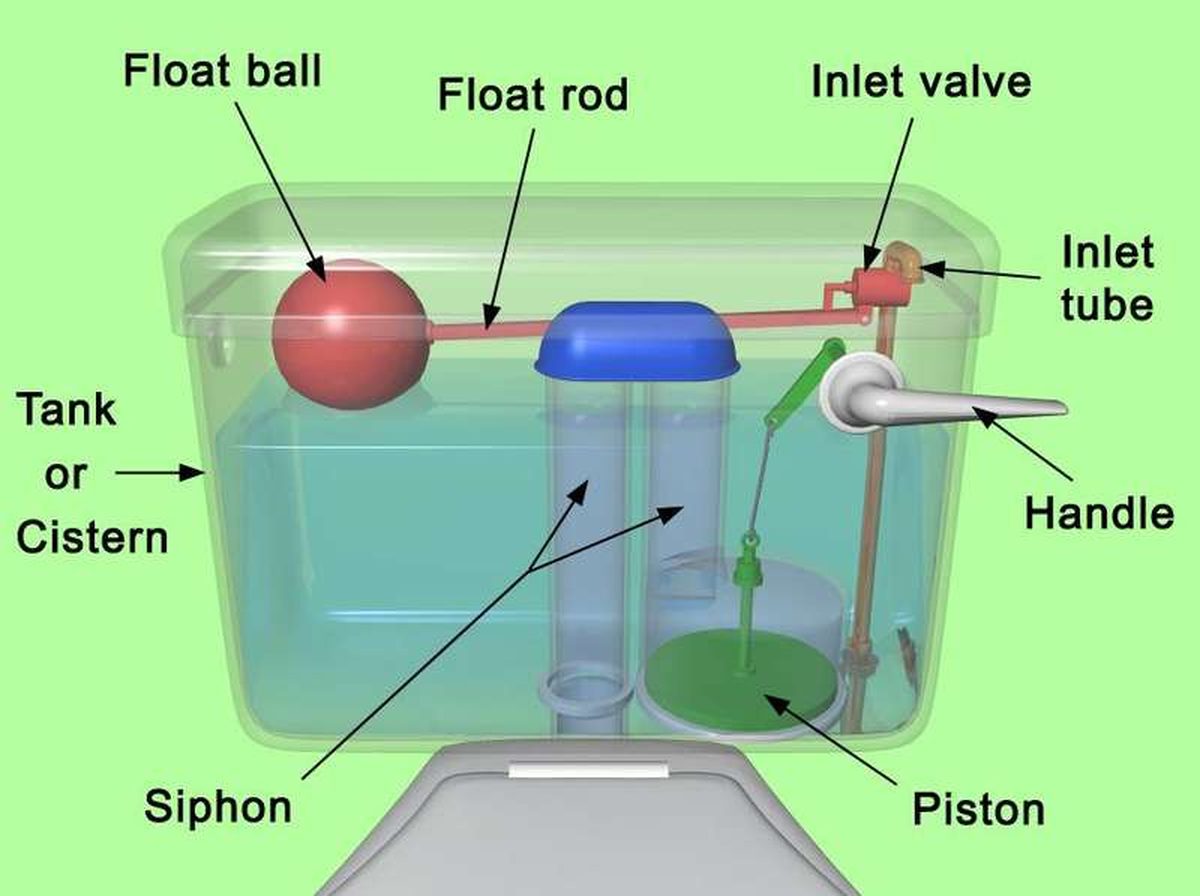
How to fix a running toilet without a plumber in 30 minutes
A running toilet can waste 200 gallons of water a day. Diagnose the flapper, float, or fill valve in two minutes, then fix it yourself
How to hang heavy shelves on drywall safely
Studs first, toggle bolts second, plastic anchors never for heavy loads. Weight ratings, installation steps, and mistakes that bring