
Why do children need routines to feel safe and calm?
By Rive News / Research desk | Rive News / Published October 24, 2026 at 9:00 AM PKT
Key takeaways
- A predictable routine lowers a child's stress response because the brain stops bracing for the unknown.
- The American Academy of Pediatrics says children do best when routines are regular, predictable, and consistent.
- A routine is a rhythm, not a rigid schedule: morning and bedtime anchors do most of the work.
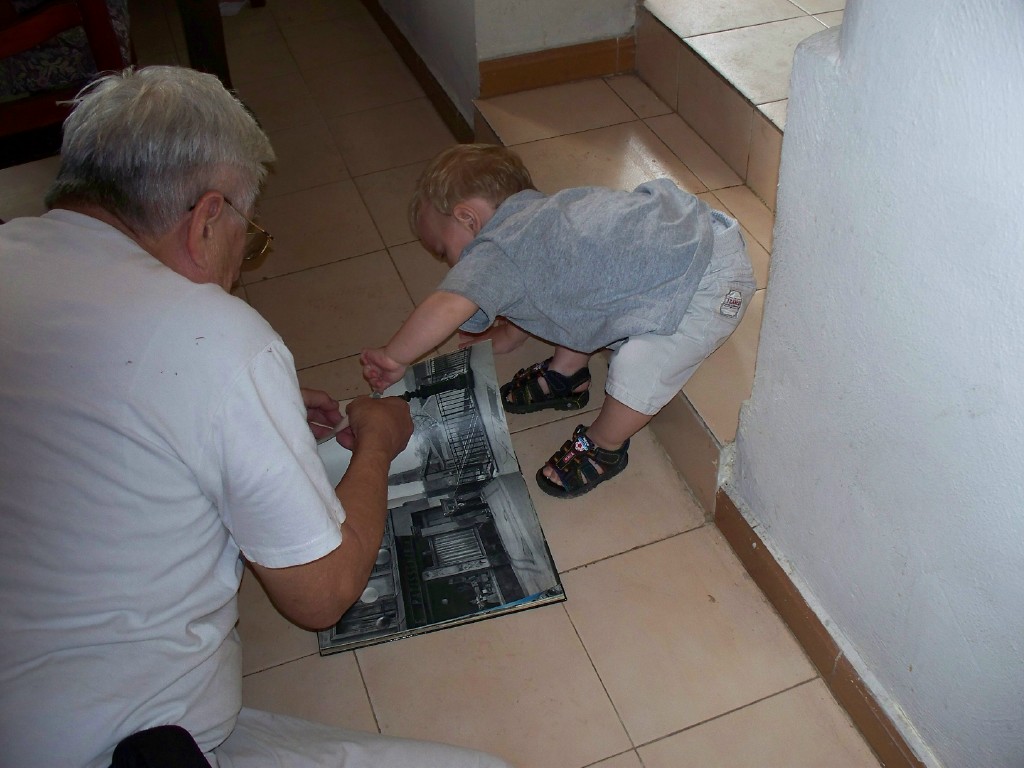
[A child and an adult read a book together, the kind of repeated evening ritual that becomes an anchor.] Photograph: Wikimedia Commons
Image Credits: Wikimedia Commons
A routine is a repeated sequence of events that happens in the same order, at roughly the same time each day. For a child, that might be wake up, breakfast, school, play, dinner, bath, story, sleep. Nothing about that list is complicated, yet developmental researchers keep returning to the same finding: predictable daily rhythms are one of the strongest supports for a child's emotional security.
This article takes a closer look at why children need routines to feel safe, including what predictability does to a child's stress response, what research says about stress hormones and emotional regulation, which parts of the day matter most, and how to build a routine without turning your home into a drill.
Predictability calms the stress response
Young children live in a world they cannot fully explain. Most of what happens around them is decided by adults, and their brains are still learning cause and effect. When the day has no pattern, every transition becomes a small surprise, and surprises cost mental energy.
When a child knows what comes next, the nervous system can relax. A predictable environment sends a clear signal to the brain: you are safe here.
According to the American Academy of Pediatrics' guidance, summarized on its HealthyChildren site, children do best when routines are regular, predictable, and consistent. The AAP also notes that a predictable nighttime routine helps a child "learn to expect what comes next," which makes the transition to sleep smoother.
The mechanism is not mysterious. A child who cannot predict the next hour stays mildly braced for it.
That bracing shows up as clinginess, resistance, tantrums at transitions, or the flat withdrawal that some children show when the day feels chaotic. Writers summarizing HealthyChildren's guidance put it directly: knowing what to expect lowers stress hormones and anxiety in children.
What the research says about routines and stress
A study published in the Journal of Applied Developmental Psychology found that children with regular routines at home showed higher levels of emotional well-being and better stress regulation. The same body of work suggests that children exposed to stable routines were less likely to develop anxiety disorders and handled new or stressful situations more steadily.
Harvard University's Center on the Developing Child is frequently cited in this area: children who follow regular routines develop better emotional skills, because the routine gives them a structured framework in which they feel secure. That sense of security feeds self-confidence, which lets children meet new situations without freezing.
There is an honest caveat worth stating. Much of this evidence is correlational: families with stable routines often differ from chaotic households in other ways too.
Researchers at Quiet Cub, who reviewed the developmental psychology literature, describe routines as "one supportive ingredient in healthy development rather than a direct cause of brain growth." That is the right level of confidence. Routines do not wire a child's brain by themselves, but they reliably take pressure off the child's stress response, and a calm brain learns better.
Why the brain needs the pattern
The part of the brain that handles decisions, empathy, and emotional control is the prefrontal cortex. It works best when it is not busy scanning for threats.
Parenting educators working with trauma-responsive families describe this plainly: a predictable environment helps the brain downshift from stress, which lets the prefrontal cortex "come online." Without that predictability, a child's nervous system keeps operating as though danger might be near.
Dr. Purva Shah, a child psychologist at Samvedan Child Development Center, describes routine as an emotional anchor for children. "When a child follows a consistent pattern each day, it helps them feel safe and in control, which is fundamental for emotional growth," she said.
Dr Laura Markham, clinical psychologist and founder of Aha! Parenting, has made a similar point: predictable routines give children a sense of safety and help them develop self-discipline.
The logic runs both ways. Safety makes cooperation easier, and cooperation makes the day calmer, which deepens the sense of safety.
The parts of the day that matter most
Not every hour of the day needs a slot. The routines that do the heaviest emotional work are the ones that bookend the day.
The morning anchor. A calm, repeatable morning sequence sets the tone. Wake up, bathroom, get dressed, breakfast. When children can run the sequence themselves, it stops being logistics and becomes competence: I know what comes next, and I can handle it.
The evening anchor. This is the highest-value routine in the house. Dinner, bath, pajamas, a story or song, sleep. The repetition teaches the body to wind down. Pediatricians have recommended versions of this sequence for decades, and it remains the single most evidence-backed routine parents can build. It also eases bedtime transitions for babies and toddlers, because the pattern itself becomes the cue that sleep is coming.
Meals and transitions. Regular mealtimes and predictable transitions between activities (play to lunch, school to home) cut down the two biggest sources of daily friction: hunger-driven meltdowns and the resistance that shows up when a child is pulled out of one thing into another without warning.

[A family shares dinner together, one of the most reliable daily rituals for connection.] Photograph: Wikimedia Commons
Image Credits: Wikimedia Commons A short warning ritual, such as a five-minute heads-up followed by the same clean-up song, works better than a sudden order. Families dealing with public tantrums often find that predictable departure and return rituals reduce the outbursts that seem to come out of nowhere.
Routines build skills, not just calm
Predictability does more than quiet anxiety. Through repeated daily sequences, children learn to organize their thoughts, understand before-and-after, and develop an early sense of time. These are the building blocks of executive function: the planning, decision-making, and self-control skills that depend on the prefrontal cortex.
Over weeks and months, children who own their routines start packing their bags, brushing their teeth, and moving through the morning without prompts.
Each small act of self-direction builds confidence from the inside. It also reduces power struggles, because expectations stop being negotiable. Teaching a child to share and other social skills land better in households where the day's rhythm is already settled.
Routine also supports connection. Shared rituals like family dinners create regular windows for conversation. Those windows matter more than any single lecture about feelings.
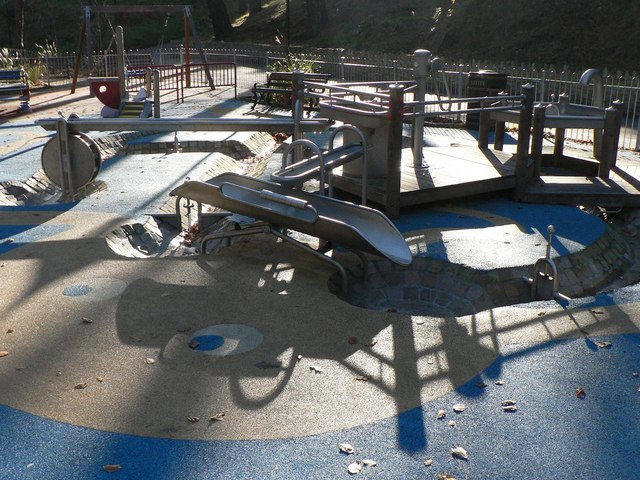
[Children play on a playground during a regular afternoon slot, a predictable break that builds trust in the day's rhythm.] Photograph: Wikimedia Commons
Image Credits: Wikimedia Commons
Rhythm, not rigidity
There is a failure mode worth naming: the routine that becomes so rigid it creates the stress it was meant to prevent. If parents are constantly watching the clock or feel anxious when the plan slips, the routine has stopped serving the child.
Dr. Sharon Rink, a pediatrician with ThedaCare, has emphasized that establishing new routines reduces stress and helps everyone in the family feel safer, especially during disruptions.
The key word is "establishing," not "enforcing." A healthy routine is a rhythm the family returns to, not a military schedule.
Travel days, illness, and school holidays will break the pattern. The security comes from how reliably the family returns to it, not from never leaving it.
Let children help build the schedule where possible. A routine a child helped design is one they will defend instead of resist.
Keep it visible, such as a simple picture chart on the refrigerator, so the child can check what comes next without asking. That small act of checking builds the very independence routines are meant to grow.
Do routines help with discipline?
Indirectly, and that is their strength. Consistent routines mean consistent expectations, so children stop testing boundaries that never move. Fewer surprises mean fewer power struggles.
It is not a discipline method, but it removes much of the friction that discipline is usually spent on.
What if my child fights the routine?
Resistance usually means the routine is too new, too rigid, or announced too late. Start with one anchor, keep it short, and let the child help shape it. Give transition warnings and keep the sequence identical for a few weeks before judging whether it works.
Are routines as important for older children?
Yes, in different forms. Teenagers also rely on predictable family rhythms: regular mealtimes, known expectations, consistent sleep windows. Adolescents push against structure, but the ones who know the family's patterns report feeling more contained and argue less destructively.
The bottom line
Children need routines because their brains need predictability to stand down from alert mode. Regular, predictable, consistent daily rhythms lower stress, steady the emotions, and build the self-control and confidence children carry into new situations. Start with the two anchors that matter most, morning and bedtime, keep the pattern forgiving, and let the child own more of it as they grow.
Topics: parenting, child development, routines, emotional security, stress
Rive News is a research desk producing evidence-based explainers across everyday topics.
Related
- Why Do Toddlers Throw Tantrums in Public? The Brain Science
- How to Wean a Baby Off Night Feedings Gently and Gradually
- How to Teach a Child to Share Without Forcing It
- Why Babies Stare at Ceiling Fans and Lights: Vision Facts
Subscribe for one practical parenting insight every morning.
Rive News holds its explainers to publisher standards: named sources, verifiable facts, and no invented claims.
Related stories
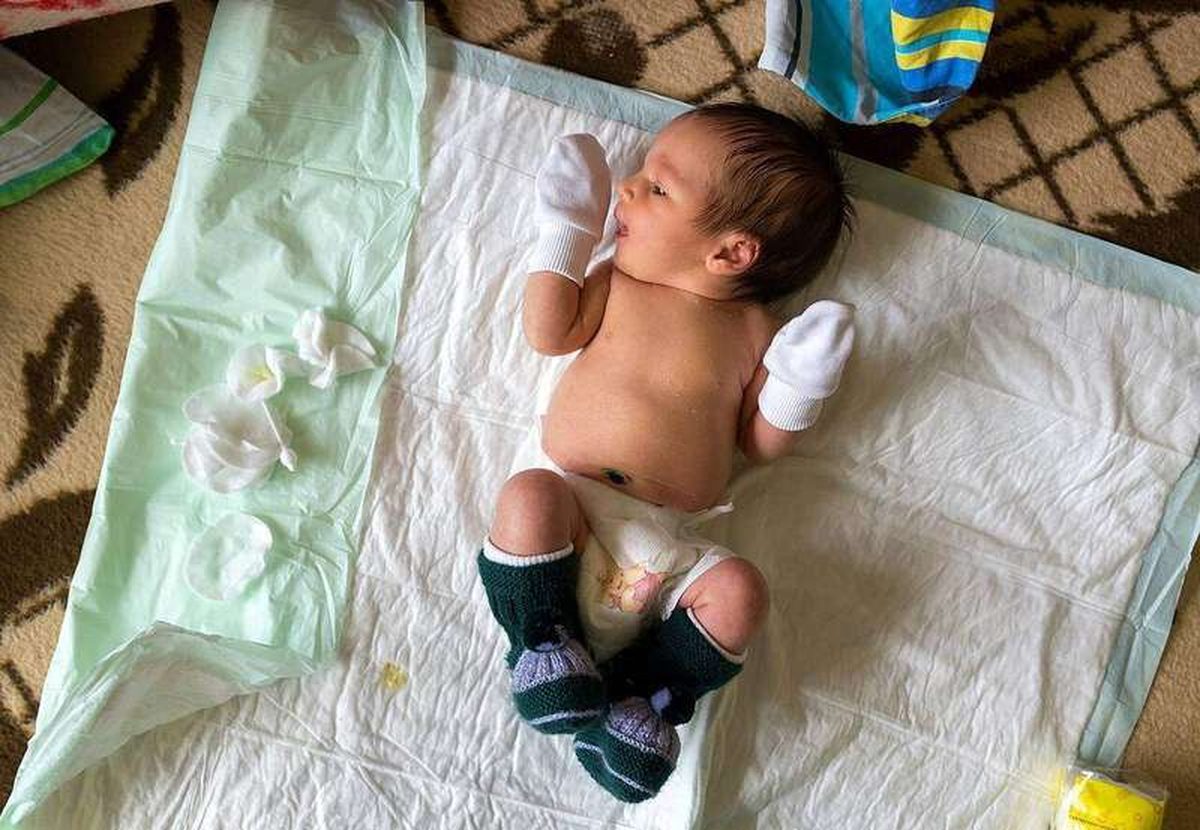
Why babies cry more in the evening: the witching hour explained
The witching hour is the fussy evening stretch most newborns hit daily. Why overtiredness, cluster feeding, and overstimulation stack up
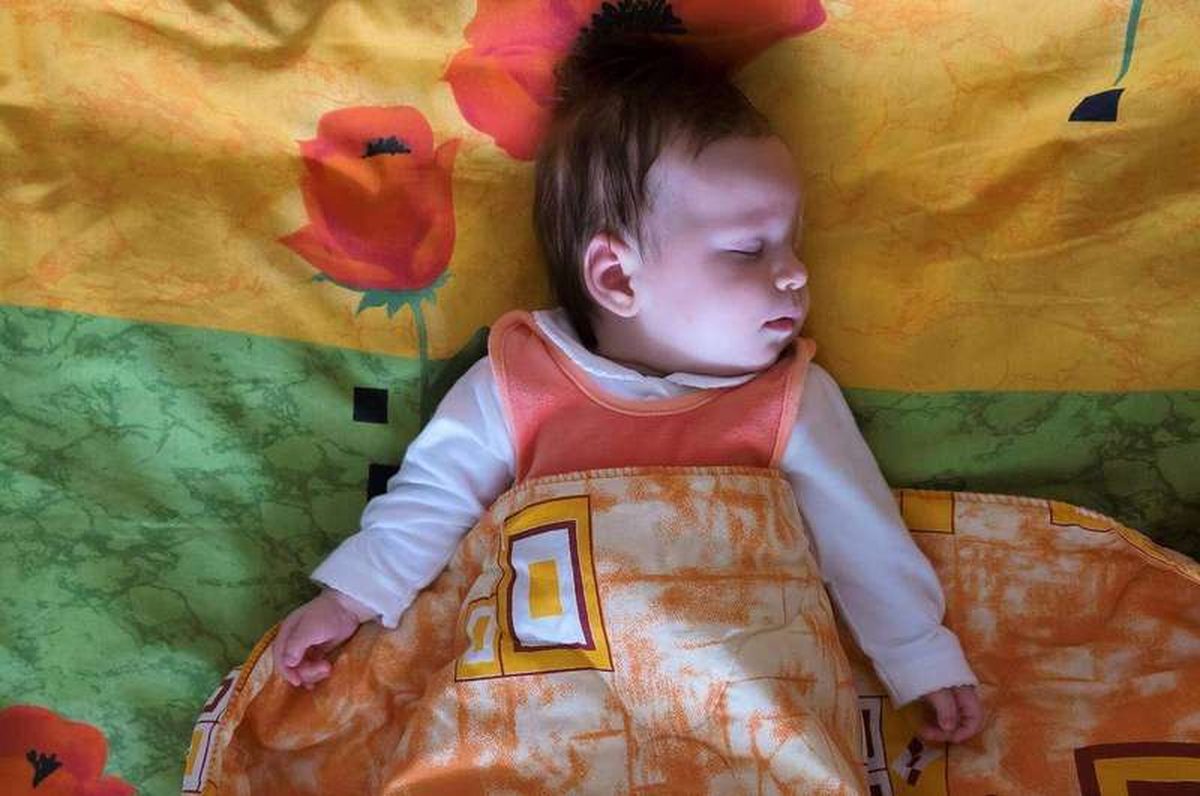
When Do Babies Start Sleeping Through the Night by Month?
Most babies sleep through the night between 3 and 6 months, with regressions at 4 and 8 to 10 months. See the month-by-month table

Why Your Baby Wakes Up the Second You Put Them Down
Newborns wake when put down as the startle reflex, light sleep, and lost warmth hit at once. It is normal and peaks early, fading