
What to feed a picky eater who only eats beige food
By Rive News / Research desk | Rive News / Published October 24, 2026 at 9:00 AM PKT
Key takeaways
- Beige foods feel safe because they are bland, predictable, and easy to chew, which lowers a cautious child's anxiety.
- Food chaining builds outward from accepted foods in tiny steps, like plain crackers to whole-grain crackers to pita with hummus.
- Children often need 10 to 20 pressure-free exposures before they accept a new food, so persistence beats pushing.
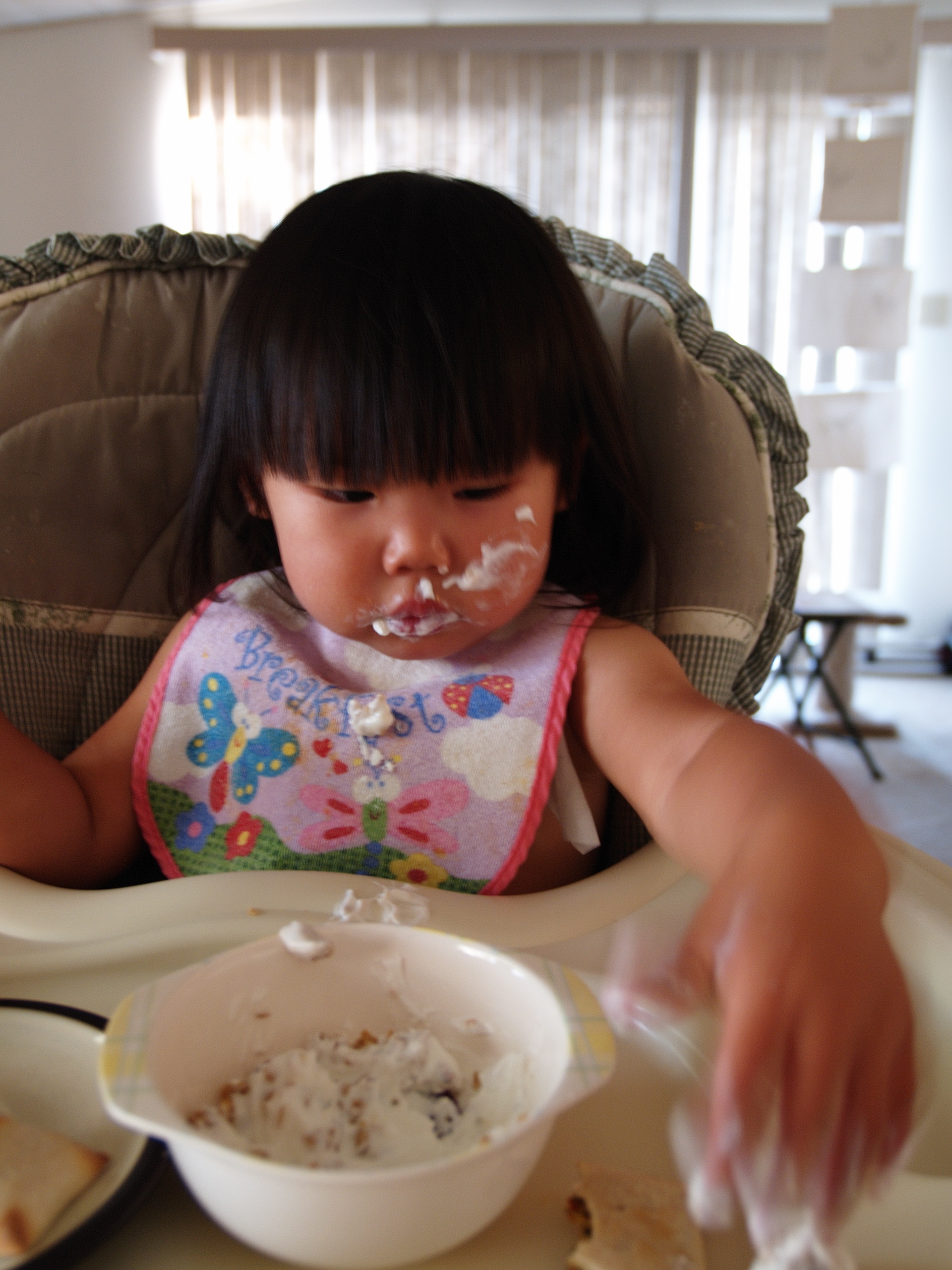
[A toddler with yogurt on their face, happily eating; relaxed mealtimes help cautious eaters explore new foods.] Photograph: mliu92
Image Credits: Wikimedia Commons
A child who eats only beige food is not being stubborn. Plain pasta, white bread, rice, chicken nuggets, and fries share the same traits: mild flavor, soft or predictable texture, and no surprises. For a cautious eater, that predictability is the point.
Forcing variety usually backfires. Pressure turns the table into a battleground, and the child digs in further. What works instead is slower and less dramatic: build tiny bridges from the foods the child already trusts, and remove the pressure to eat anything new.
This article explains why beige food feels safe to a child, what food chaining is, the no-pressure method that actually expands diets, which bridge foods are worth trying this week, and when to get professional help.
This article is for general information only and is not medical advice; talk to your child's pediatrician about persistent feeding concerns.
Why beige food feels safe to a child
Children, especially young ones, are wired to be cautious about unfamiliar food. Bitter and sour flavors can signal danger to a developing palate, while bland, starchy foods signal safe energy. Beige foods pass that test easily.
Texture matters as much as taste. Soft, smooth foods like mashed potato, plain pasta, and yogurt need little chewing and carry no fear of gagging.
Crunchy foods like crackers and fries give predictable feedback with every bite. What beige foods almost never do is surprise the eater, and for an anxious child, no surprises is exactly the appeal.
How To Help My Child, a parenting resource for families of neurodivergent children, lists the usual beige favorites: white bread, plain pasta, rice, chicken, especially nuggets, fries, potatoes, and popcorn. Many children also reject foods that touch each other on the plate, or foods with strong smells, which narrows the menu further.
None of this means the child is broken or the parent has failed. It means the child's nervous system has sorted foods into "safe" and "unknown," and mealtimes go better when parents work with that sorting instead of fighting it.
What food chaining is
Food chaining is the most practical tool for expanding a beige-only diet. Instead of jumping from a safe food to something totally different, you introduce a new food that shares something with the old one: color, texture, shape, or flavor.
HealthSmartKids, a children's nutrition resource, gives a clean example. Move from plain crackers to whole-grain crackers, then to pita chips, then to pita bread with hummus.
Each step is small enough to feel safe. Another chain: chicken nuggets to homemade baked chicken strips to grilled chicken bites.
The same idea works by color. If a child accepts white bread, you might try cauliflower, parsnips, or white beans next, as How To Help My Child suggests. The familiar color makes the new food less intimidating, even though the food itself is different.
Gillian Harris, a clinical psychologist cited by ARFID Kids, describes food chaining as a structured, step-by-step method built on familiar "safe foods." The steps are simple: start with foods the child already accepts, find similar alternatives, make small gradual changes, encourage without forcing, and repeat. The structure matters because it turns a vague goal ("eat more variety") into a concrete sequence.
[A young child eating calmly; food chaining works by keeping each new step close to what the child already accepts.] Photograph: Happ, Jacob
Image Credits: Wikimedia Commons
The no-pressure method that actually expands diets
Here is the counterintuitive part: the fastest way to get a child to try new foods is to stop pressuring them to eat. Research on feeding consistently finds that pressure, bribes, and "just one more bite" make selective eaters more resistant, not less.
The numbers explain why parents give up too early. Children may need 10 to 20 exposures to a new food before they accept it, according to HealthSmartKids, and guidance from the British Dietetic Association on fussy eating puts the normal range at 10 to 15 times before acceptance, as reported by LittleVitz. Most parents stop offering after two or three rejections, long before the exposure count does its work.
Exposure does not mean eating. EatPal's guide to the beige-food problem lays out a spectrum: being near a food, touching it, smelling it, licking it, and spitting it out all count as exploration. A child who picks up a piece of broccoli and puts it back down has still made progress.
The practical version of this is the division of responsibility. Parents decide what food is offered and when it is served. Children decide whether to eat it and how much.
Serve family-style, always include at least one safe food, and keep commentary about anyone's plate to zero. Narrate your own food if you like ("I'm having green beans with butter; they're crunchy"), which gives sensory information without a demand attached.
Neutral language helps. "You do not have to eat it" and "This is what we are having tonight" keep the table calm.
Avoid labeling the child as "picky" in front of them, and avoid making dessert the prize for tolerating dinner, which only teaches the child that the main meal is something to endure. These patterns also show up around tantrums in public, where pressure and big reactions tend to escalate the very behavior parents want to stop.
Bridge foods worth trying this week
Start from what your child already eats and pick the smallest possible next step.
If they eat plain buttered noodles, try a different pasta shape first, then a mild butter sauce, then a sprinkle of parmesan. If they eat chicken nuggets, try a different brand or shape, then homemade baked strips, then grilled bites.
If they eat plain quesadillas, add a little shredded chicken inside later. If they eat muffins, try a homemade version with mashed banana or oats.
Dips are a secret weapon. Many children who refuse plain vegetables will eat them with ranch, hummus, ketchup, or peanut butter.
The dip is a bridge: the familiar flavor carries the unfamiliar food. Letting a child choose a vegetable at the store, wash produce, or stir a bowl also builds ownership, and children reliably try more of what they helped make.
Small upgrades to accepted foods beat dramatic overhauls. Blending a little butternut squash into pasta sauce, or stirring nut butter into yogurt, adds nutrition inside a food the child already trusts.
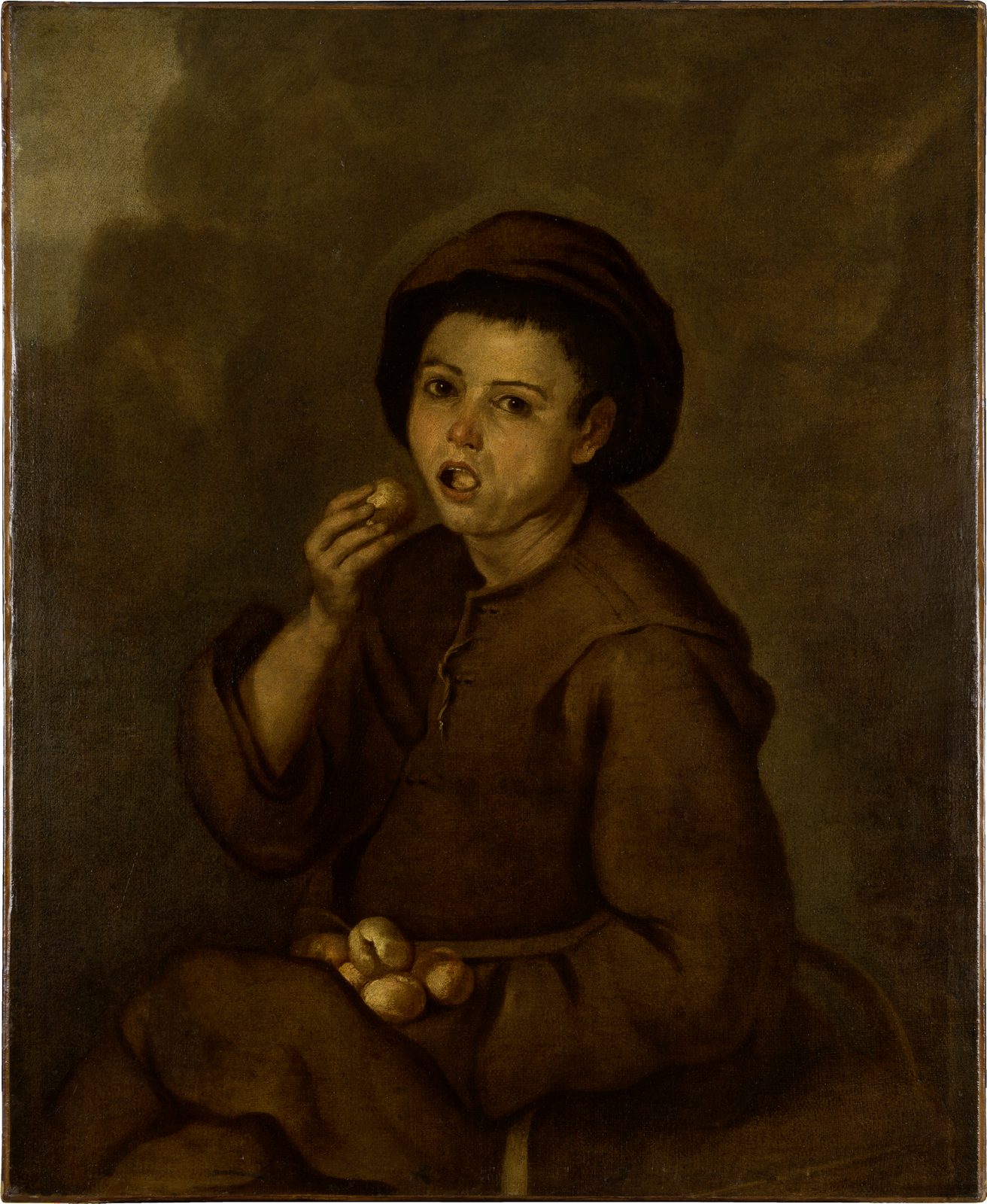
[A boy eating peaches; children have always gravitated toward simple, sweet, familiar foods.] Photograph: Bartolomé Esteban Murillo
Image Credits: Wikimedia Commons
Keep portions of new foods tiny. A mountain of something disliked feels overwhelming; a single pea-sized piece feels ignorable, and ignorable is where acceptance starts.
How many times should I offer a food before giving up?
Keep offering well past the point that feels reasonable. The British Dietetic Association's guidance on fussy eating puts normal acceptance at 10 to 15 exposures, and other feeding resources cite 10 to 20.
Many parents quit after two or three tries, which is exactly when persistence would start working. Offer without pressure and without commentary.
Is it OK to make a separate meal for a picky eater?
Occasionally, yes, but not as a standing policy. Always include at least one safe food in the family meal so the child can eat something without a second dinner. If every refused meal is followed by crackers or toast five minutes later, most children learn to hold out for the backup.
Should I hide vegetables in my child's food?
Blending vegetables into accepted foods can add nutrition, and it is fine as one strategy. But hidden vegetables do not teach a child to accept the visible kind. Pair the stealth approach with visible, no-pressure exposure: the same vegetable sitting openly on the plate, with zero expectation that it gets eaten.
When is picky eating a medical concern?
Paediatric dietitian Jessica Crandall, RDN, suggests that "eating fewer than 10 foods and really struggling to try new foods is beyond being picky and a red flag for a problem eater." If your child's diet is shrinking rather than slowly growing, if they gag or panic around food, or if growth or energy is affected, talk to your pediatrician or a feeding therapist.
The bottom line
Feed a beige-food eater by starting where they are. Use food chaining to take tiny steps outward from safe foods, drop the pressure so the table stops feeling like a test, and keep offering new foods far longer than feels natural.
Ten to twenty calm exposures will do more than any single forced bite. And when the accepted list is shrinking instead of growing, that is the moment to bring in a professional.
Tags: picky eating, child nutrition, parenting
Written by the Rive News research desk, which covers everyday science with sourced explainers and no filler.
Related
- Why Do Toddlers Throw Tantrums in Public? The Brain Science
- How to teach a child to share without forcing it
- How to wean a baby off night feedings gently and gradually
- Why Babies Stare at Ceiling Fans and Lights: Vision Facts
Get one practical explainer like this in your inbox each morning.
Rive News publishes sourced explainers. Facts are checked against public sources listed above; corrections are noted with an update timestamp.
Related stories
Why babies cry more in the evening: the witching hour explained
The witching hour is the fussy evening stretch most newborns hit daily. Why overtiredness, cluster feeding, and overstimulation stack up
When Do Babies Start Sleeping Through the Night by Month?
Most babies sleep through the night between 3 and 6 months, with regressions at 4 and 8 to 10 months. See the month-by-month table

Why Your Baby Wakes Up the Second You Put Them Down
Newborns wake when put down as the startle reflex, light sleep, and lost warmth hit at once. It is normal and peaks early, fading