
Why Do Cats Get the Midnight Zoomies at 3 AM?
Key takeaways
- Cats get 3 AM zoomies because they are crepuscular, wired by evolution to be most active at dawn and dusk, not deep in the night.
- A cat that sleeps 12 to 16 hours a day stores huge energy reserves, which burst out as frenetic random activity periods (FRAPs) lasting 1 to 2 minutes.
- Ten to fifteen minutes of hunt-style evening play, followed by the largest meal, can shift the zoomies to a civilized hour.
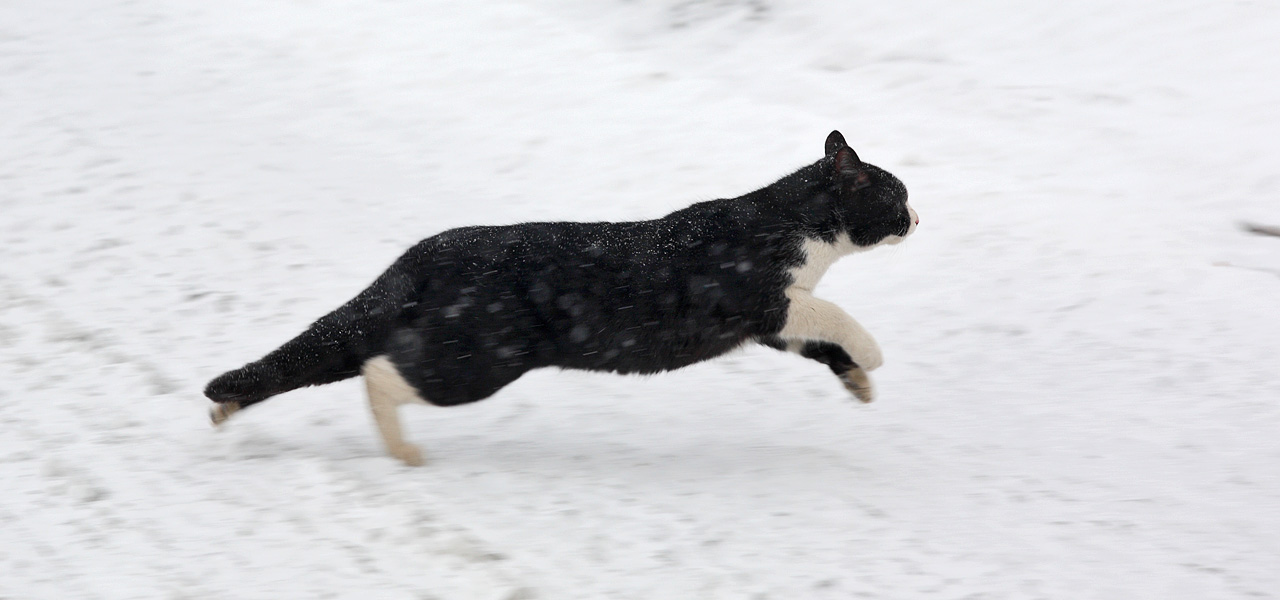
At 3 in the morning, the hallway becomes a racetrack. A cat rockets past the bedroom door, skids on the rug, pounces on a sleeping foot, and vanishes into the dark, all in under two minutes. Then silence.
Owners call it the midnight zoomies, or the 3 AM crazies, and it is one of the most universal mysteries of cat ownership.
These midnight marathons are rooted in biology, not mischief. Cats are crepuscular creatures, meaning their bodies are tuned for peak activity at dawn and dusk, when their wild ancestors hunted. This article takes a closer look at why cats get the midnight zoomies at 3 AM, including the evolutionary clock behind them, the everyday triggers that make them worse, and how owners can move the frenzy to a friendlier hour.
What zoomies actually are
Veterinarians have a formal name for the zoomies: frenetic random activity periods, or FRAPs. A FRAP is a sudden, intense burst of running, jumping, and sharp turns, usually with dilated pupils, a puffed tail, and zero spatial awareness. They typically last a minute or two, because sprinting at full speed burns energy fast, and cats are built for short explosive bursts rather than endurance.
As Dr. Shannon Barrett, DVM, explained to Fetch Pet: "It's such a high-intensity expulsion of energy and cats are nappers, not sprinters." That single sentence explains both the ferocity and the brevity of the event.
Cats are not alone in FRAPing. Dogs and other animals do it too. But cats add a special twist: timing that collides with human sleep.
Why the witching hour is 3 AM
Cats are crepuscular, not nocturnal. This distinction matters. Nocturnal animals own the night; crepuscular animals peak in the twilight hours of dawn and dusk.
Your cat's internal clock is hardwired to wake them and hand them a burst of hunting energy as the sun starts rising, which, depending on the season and the cat, lands anywhere from 2 AM to 5 AM.
Several things converge to make 3 AM the peak. The house is quiet, so the cat becomes hyper-aware of subtle sounds, creaks, drafts, and shadows, that trigger predatory instincts. The people are asleep, so there are no distractions and no interference.
And many cats were fed at bedtime, so digestion increases blood flow and metabolic rate, potentially fueling a burst of energy right when the household settles.
Then there is the energy math. Cats sleep 12 to 16 hours a day. If a cat naps through the afternoon while the owner works, it wakes up from that rest fully charged.
All that stored energy has nowhere to go until it erupts. Professional animal behaviorists note that well-exercised cats rarely have intense midnight zoomies, which is why boredom during the day so often becomes chaos at night.
The everyday triggers that make zoomies worse
Biology sets the stage, but the environment decides how dramatic the performance is.
Daytime boredom. A cat left alone all day without toys, climbing space, or interaction accumulates excess energy. The more bored the cat is during the day, the more pent-up energy it carries into the night.
Missing the hunt sequence. Cats have a natural predatory sequence: stalk, chase, catch, eat, groom, sleep. Indoor cats that never get structured play miss the chase-and-catch part, leaving them mentally and physically unsatisfied. The zoomies become a substitute outlet.
Evening feeding timing. Some cats become hyperactive shortly after eating, especially if fed late. A post-meal energy spike can kick off a FRAP within minutes.
Litter box trips. Some cats zoom right after using the litter box. One theory holds that defecation stimulates the vagus nerve, producing a feel-good rush that ends in a sprint, the phenomenon some owners call "poo-phoria."
Rewarding the behavior accidentally. If the cat wakes you up and you get out of bed to feed it, yell at it, or try to cuddle it, you reward the behavior. The cat learns that 3 AM sprinting gets attention, so the cycle continues.
What helps: the hunt-eat-groom-sleep reset
The most reliable fix works with the cat's biology instead of against it. Behaviorists recommend completing the predatory sequence in the evening, so the cat winds down the way nature intended.
Play before bed, not after dinner. Schedule 10 to 15 minutes of active, hunt-style play before your own bedtime. Use a wand toy that mimics prey: jumping, running, stalking. End with a catch, so the cat feels the "kill," then feed the largest meal of the day. A cat that has hunted, eaten, groomed, and settled will sleep longer.
Dr. Bonnie Beaver, DVM, told Petcube that channeling this energy into a play bout before bedtime can let owners enjoy a night without the kitten bouncing over them. The principle is simple: spend the energy on your schedule, not the cat's.
Enrich the day. Food puzzles, window perches, rotating toys, and hiding kibble around the house give the cat small hunts to work through while you are away. A cat that has been busy all day does not arrive at 3 AM with a full battery.
Feed smaller, earlier meals. Divide food into smaller meals through the day, with the last big one right after evening play rather than at midnight. Predictable feeding removes the dawn-breakfast scramble, which is another reason cats zoom at dawn.
Do not punish the zoom. Yelling or chasing adds excitement and attention, the opposite of what you want. Ignore the sprint, stay boring, and invest your effort in the evening routine instead.
When zoomies deserve a vet visit
For most cats, zoomies are a normal quirk. But a change in the pattern is worth noticing. Dr Barrett advises telling your veterinarian if zoomie behavior increases in frequency or intensity, especially if it is accompanied by vocalizing or weight loss.
These can be signs of hyperthyroidism or diabetes, which cause restlessness that looks very similar to zoomies.
Hyperthyroidism is the most common medical look-alike, particularly in middle-aged and senior cats. If a previously calm older cat suddenly starts sprinting at all hours, staying up late, losing weight, or acting jittery, book an exam. Other red flags include aggression during episodes, disorientation, or excessive thirst.
A blood panel and behavioral assessment can rule out medical causes quickly.
FAQ
Are cat zoomies at 3 AM normal?
Yes. Occasional zoomies are completely normal, especially in young cats. They are the expression of a crepuscular hunting rhythm colliding with a life of indoor napping.
Why does my cat only zoom at night and not during the day?
Daytime is for sleeping, and a cat can sleep 12 to 16 hours. All that rest leaves a full energy battery for the night. Combine that with a crepuscular body clock and a quiet house, and night becomes zoom time.
How do I stop my cat's 3 AM zoomies?
Play with your cat for 10 to 15 minutes in the evening using a wand toy, then feed the biggest meal of the day. Keep the cat enriched during the day and ignore the zoomies when they happen. Most owners see improvement within a couple of weeks.
Should I feed my cat when it wakes me up at 3 AM?
No. Getting up to feed the cat rewards the behavior and teaches it that midnight sprinting works. Stick to a daytime and evening feeding schedule instead.
Are zoomies a sign of stress or happiness?
Usually they are just energy release and can even reflect joy and excitement. But frequent, escalating zoomies in an under-stimulated cat suggest the cat needs more play, and a sudden change in an older cat deserves a vet check.
The bottom line
The 3 AM zoomies are not a tantrum, a protest, or a haunted hallway. They are frenetic random activity periods, 1-to-2-minute bursts of a crepuscular predator burning off a day of napping in a house with no mice to catch.
The fix is not discipline. It is the hunt-eat-groom-sleep sequence, rebuilt in the evening: real play, a real meal, then rest. Do that consistently, and the midnight marathon usually moves to a time you can actually watch and enjoy.
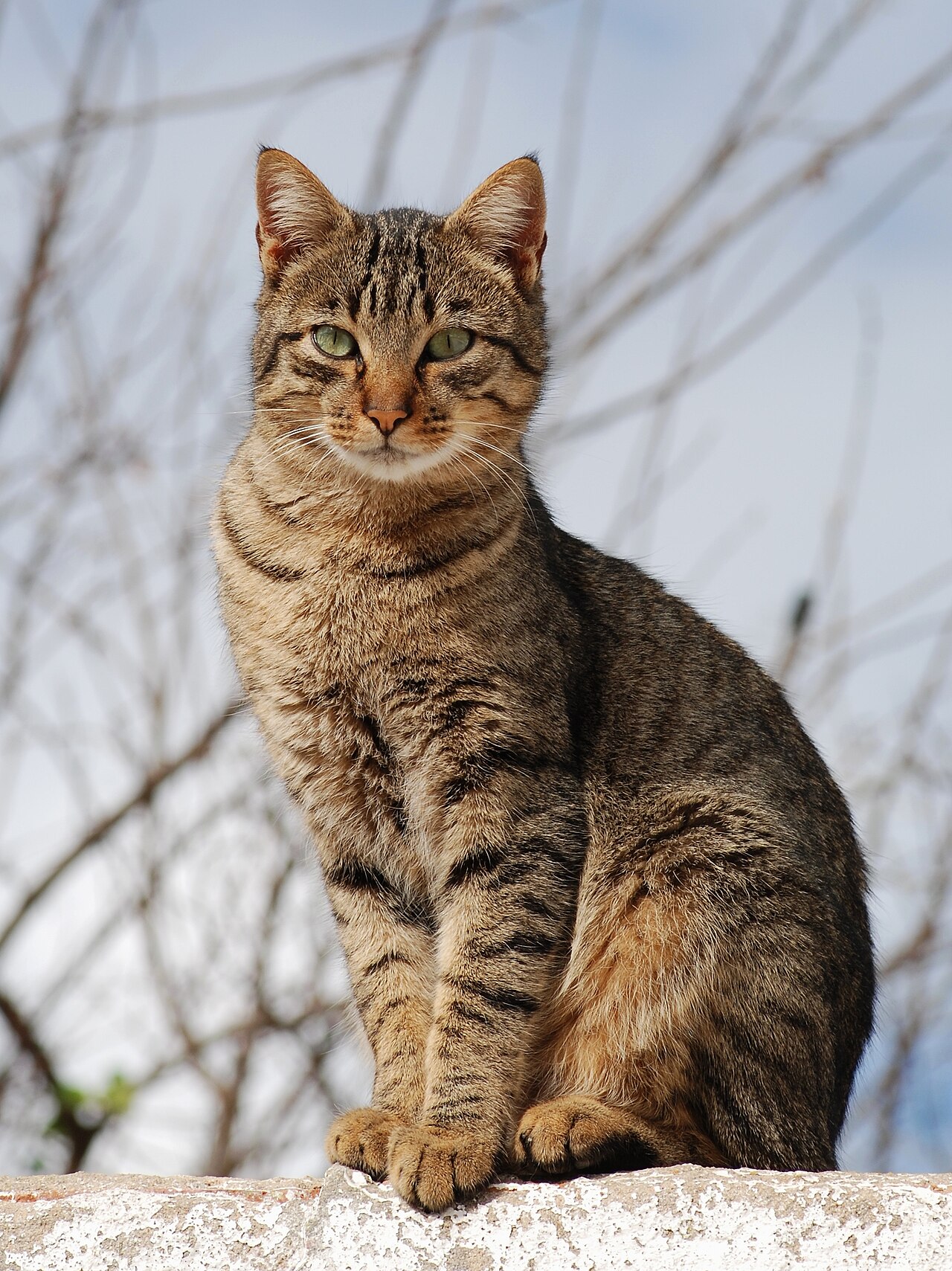
Latest in Pets
- Why do cats sleep in boxes even with a bed nearby?
- Why do parrots copy human speech?
- Why do we see stars only at night?
Sign up for our newsletter for one practical pet-care answer in your inbox each week.
Image Credits: Wikimedia Commons (free license)
Related stories
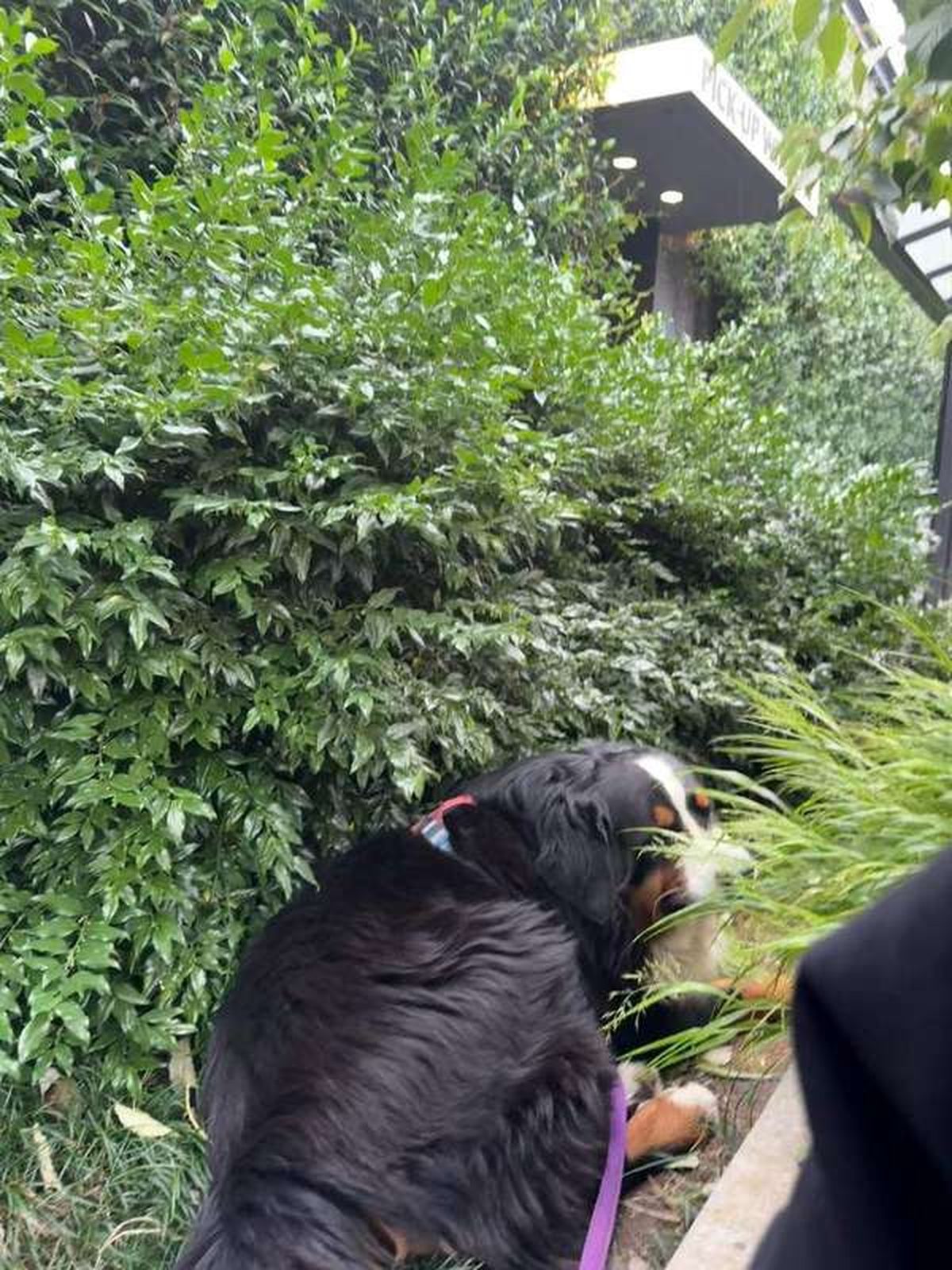
Why Does My Dog Eat Grass and Vomit?
A UC Davis study of 1,571 owners found grass eating is normal dog behavior, not self-medication: only 10% were ill first. What the science
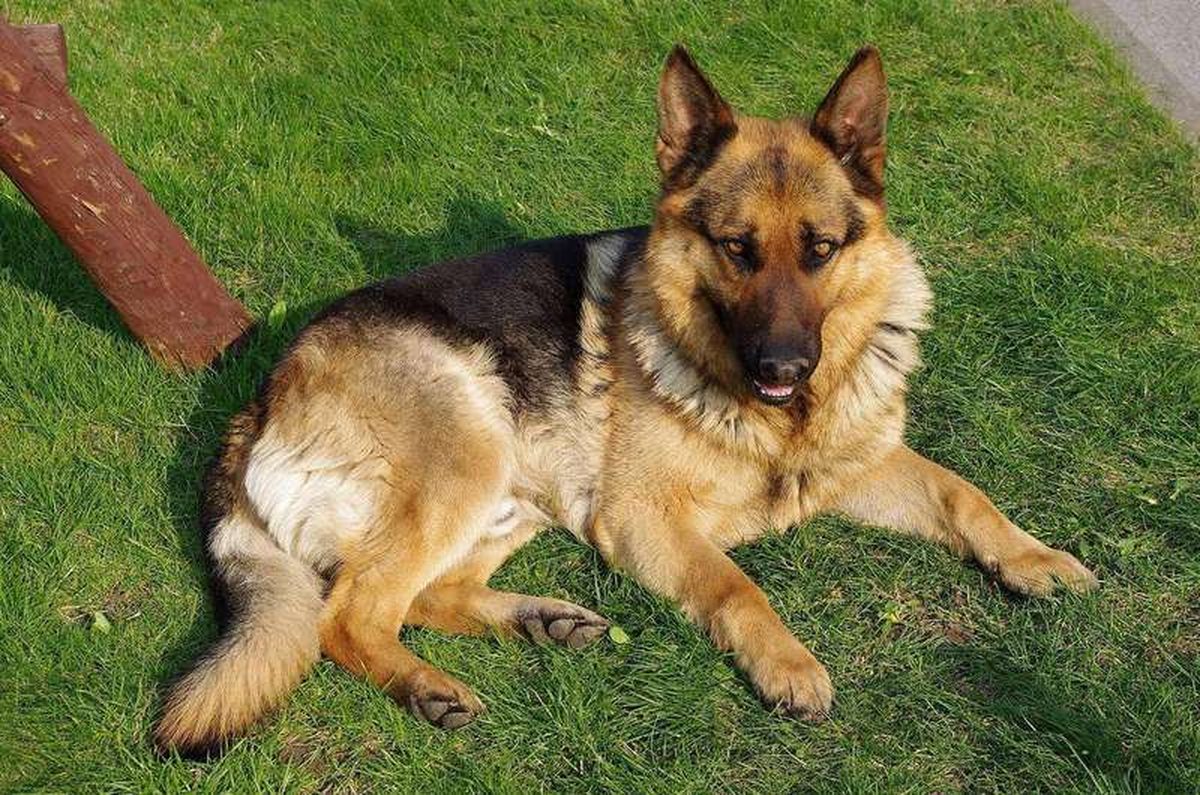
Why Does My Dog Stare at Me While I Eat?
Dogs stare at you while you eat because it has worked before, and mutual gaze raises bonding hormones. Learn the reinforcement science
Foods toxic to dogs: the list, with reasons
Chocolate, xylitol, grapes, onions: common foods can harm dogs. Learn what makes each one toxic, the warning signs, and what to do if your