
Why cats groom themselves right after being petted
By Rive News / Research desk | Rive News / Published October 29, 2026 at 9:00 AM PKT
Key takeaways
- Cats groom after petting to restore their own scent, smooth ruffled fur, and settle their nerves.
- Sudden, intense grooming can be displacement behaviour after overstimulation, not rejection.
- Calm grooming with purring or slow blinks usually means the cat enjoyed the attention.
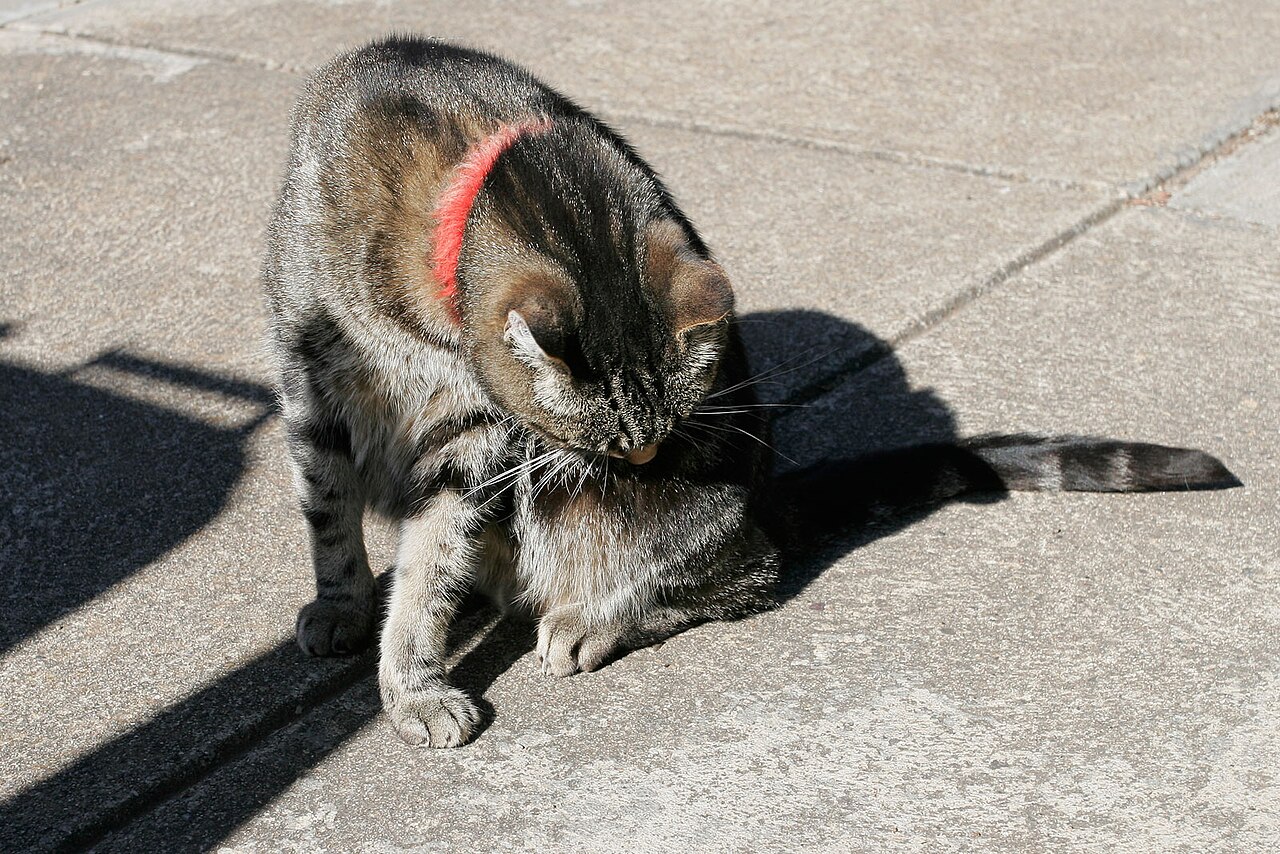
[A cat cleaning itself.] Photograph: Fir0002/Flagstaffotos
Image Credits: Wikimedia Commons
You stroke your cat, it purrs, and then the moment you stop it starts licking itself exactly where your hand was. It looks like it is washing you off.
In most cases it is not rejection at all. Grooming after petting serves several purposes at once: scent, fur care, and emotional reset.
This article explains the four reasons cats groom after being petted, including scent management, fur smoothing, displacement behaviour, and bonding ritual, and when the grooming is a sign to back off.
Grooming is a huge part of a cat's day
Cats are built to groom. According to VCA Hospitals, cited by Cuteness, cats spend as much as 30 to 50 percent of their waking time on some kind of grooming behaviour. Their tongues are covered in tiny spines called papillae that comb through fur, remove loose hair and debris, and spread natural oils across the coat.
That means a cat does not need a special reason to groom after you pet it. Petting may simply interrupt a scheduled grooming session, and the cat picks up where it left off. The simplest explanation is often the right one: the cat was going to groom anyway, and your hand just paused it.
Grooming also follows a set sequence in many cats. Cuteness describes the classic pattern: lick the lips, wash one side of the head with a saliva-dampened paw, repeat on the other side, then move to the front legs, shoulders, flanks, and tail. A cat that runs through this routine after petting is doing ordinary maintenance, not sending a message.
Scent: putting its own smell back
Cats live in a world of smell far more than humans do. Their coats carry their own scent, and grooming spreads saliva containing their pheromones across the fur. When you pet a cat, you transfer your scent onto its coat and disturb the fur in the process.
Grooming after petting restores the cat's own scent profile. It is less like washing off dirt and more like straightening a room after a guest leaves.
The cat is returning its coat to a familiar state. This matters most in multi-cat homes, where scent marks rank and territory.
Human scent products make the effect stronger. Strongly scented lotions, soaps, or perfumes leave a heavier trace on the coat, and some cats groom more after contact with them. Washing your hands before petting, or skipping heavy fragrance, can reduce the post-petting grooming if it bothers you.
The cat is not offended. It is recalibrating.
Fur smoothing: fixing what hands ruffled
Petting pushes fur in directions it does not normally lie. A cat that grooms the exact spot you touched may simply be smoothing ruffled fur back into place. The tongue's papillae work like a comb, and a few licks restore the coat's lie.
This is the most mechanical explanation, and it fits the pattern many owners notice. The cat grooms where the hand was, not all over. It grooms briefly, then settles.
There is no tension in the body, no flattened ears, and no tail flicking. When the grooming is short and targeted, fur care is the likely story.
Displacement grooming: the overstimulation reset
Sometimes the grooming is not about fur at all. Behaviourists call it displacement grooming: when a cat faces two conflicting drives, such as enjoying attention but feeling overstimulated, it performs an unrelated behaviour to resolve the tension. Grooming is the most common outlet.
The Garden Magazine describes the pattern clearly. A cat that suddenly stops mid-interaction and starts licking itself is hitting a reset button. Its nervous system has had enough input, and the rhythmic licking calms it down.
This is not a sign of a broken or aggressive cat. It is a normal, wired-in response to sensory overload.
Cats have sensitive nerve endings in their skin, especially along the back and near the base of the tail. Even gentle petting accumulates.
Signs that a cat is nearing its limit include tail flicking, ear twitching or flattening, skin rippling along the back, dilated pupils, and a sudden head turn toward your hand. If grooming follows those cues, it is likely a recovery behaviour after the session went slightly too long.
This is also where the "petting-induced aggression" pattern starts. A cat that bites or swats after seeming to enjoy attention has usually passed through the same overstimulation stages first.
Grooming can be the intermediate step, an attempt to de-escalate before reacting. Stopping the session when grooming starts, rather than pushing on, often prevents the bite.
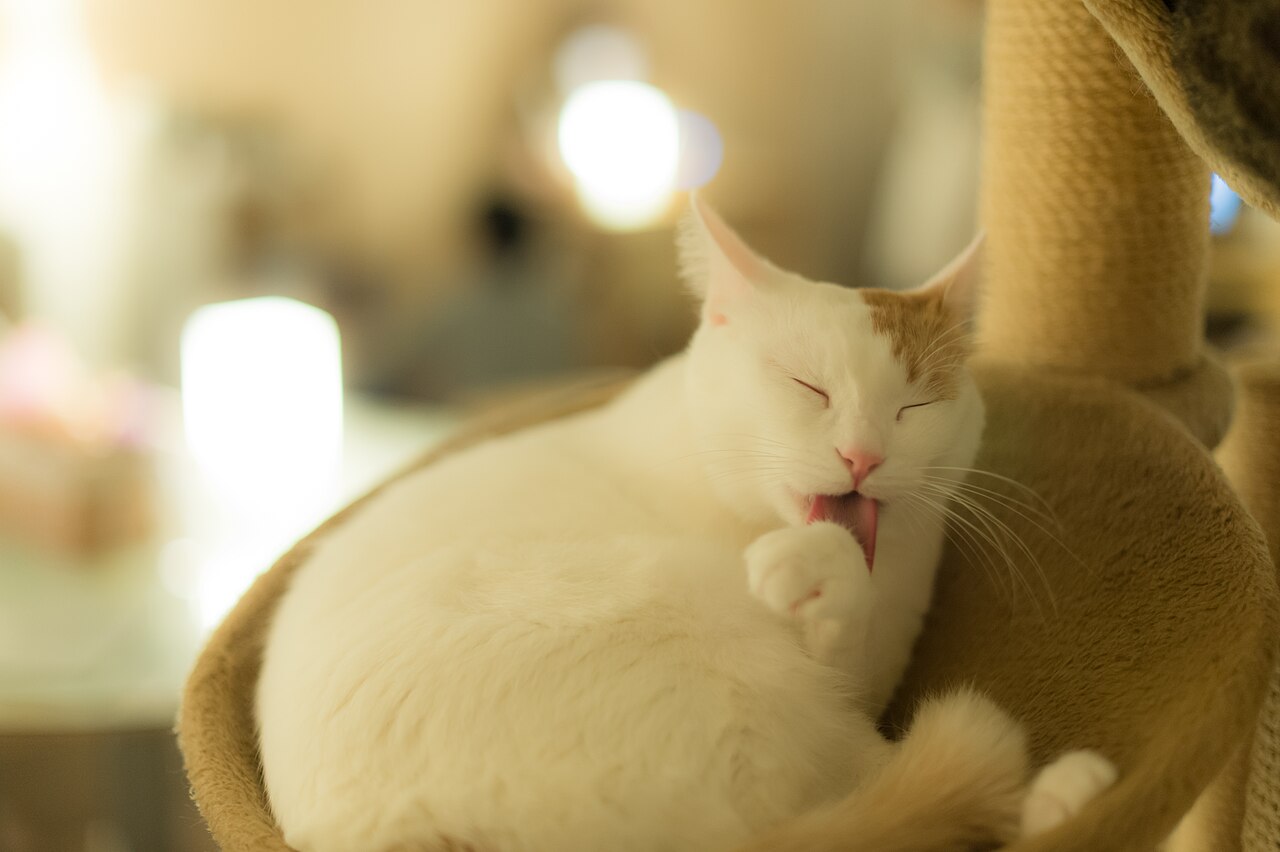
[A cat licking its paw while grooming.] Photograph: Takashi Hososhima
Image Credits: Wikimedia Commons
Bonding: finishing a social ritual together
There is a warmer reading too. In multi-cat households, mutual grooming, called allogrooming, strengthens bonds between cats that trust each other.
Petting from a human mimics that social grooming. When a cat grooms itself after being petted, it may be continuing the ritual rather than undoing it.
The clues are in the body language around the grooming. A cat that purrs during petting, slow-blinks, rubs its cheek against your hand, kneads with its paws, and then grooms calmly before returning for more attention is showing a positive cycle. The grooming closes one social moment and prepares the cat for the next.
This reading fits bonded cats best. Cats with strong relationships to their owners are more likely to groom after petting, not less. If your cat grooms after every cuddle and then comes back for another, it is treating you as part of its social group, not washing you away.
When grooming after petting is a concern
Occasional post-petting grooming is normal. It becomes a concern when it is excessive, frantic, or focused on one spot. Dial A Vet lists the warning signs: grooming that creates bald patches or sores, changes in grooming habits such as neglecting the coat, visible skin problems like redness or scabs, flinching when touched, and grooming fixed on a single area.
Those signs can point to allergies, parasites, pain, or stress that has nothing to do with petting. VCA Animal Hospitals notes that medical conditions such as allergies, parasites, or arthritis can sit behind changes in grooming habits.
If grooming is persistent, intense, or damaging, talk to a vet. This article is general information only, not a diagnosis, and a vet visit is the right step when symptoms persist.
Frequently asked questions
Does my cat hate me if it grooms after I pet it?
Almost certainly not. Grooming after petting is normal and usually means the cat is resetting scent, smoothing fur, or calming down.
Rejection looks different: walking away, hissing, swatting, or avoiding you afterwards. A cat that grooms and stays nearby is not rejecting you.
Should I stop my cat from grooming after petting?
No. Interrupting or punishing the behaviour removes a coping tool and can raise stress. Let the cat finish, give it space, and watch the body language.
If the grooming is calm, the session went well. If it was frantic, shorten the next session.
How long should a petting session last?
It depends on the cat. Some cats enjoy long sessions, while others reach their limit in a minute or two.
Watch for tail flicks, ear movement, and skin rippling, and stop before those signs appear. Short, positive sessions beat long ones that end in overstimulation.
Why does my cat groom one spot obsessively after petting?
Grooming fixed on one area can signal irritation, pain, or a skin problem in that spot, especially if it creates bald patches or sores. It can also be a habit formed around a sensitive area such as the base of the tail. If it persists or damages the coat, a vet should check it.
The bottom line
Cats groom after being petted for ordinary reasons: to restore their scent, smooth ruffled fur, calm an overstimulated nervous system, or close a social ritual. Short, calm grooming is a good sign. Sudden, intense grooming after warning signs such as tail flicking or skin rippling means the session ran long.
The practical lesson is to read the whole cat, not just the licking. Purring, slow blinks, and a return for more attention mean the grooming is part of a happy routine. Tension, flattened ears, and frantic licking mean it is time to stop.
Either way, the cat is not washing you off out of spite. It is doing what cats do best: taking care of itself, in its own way, on its own terms.
Tags: cats, cat behaviour, pet care
The Rive News research desk writes plain-language explainers from published veterinary and behaviour sources. If grooming is excessive or persistent, a vet visit is the right next step.
Related
- Why Do Cats Groom Themselves for Hours Each Day?
- How to groom a long-haired cat without stress
- Why Do Cats Purr? What the Science Says It Really Means
Subscribe for one plain-language pet explainer each morning.
Rive News standards: every factual claim in this article traces to a named public source listed above; corrections are published, never silently edited.
Related stories
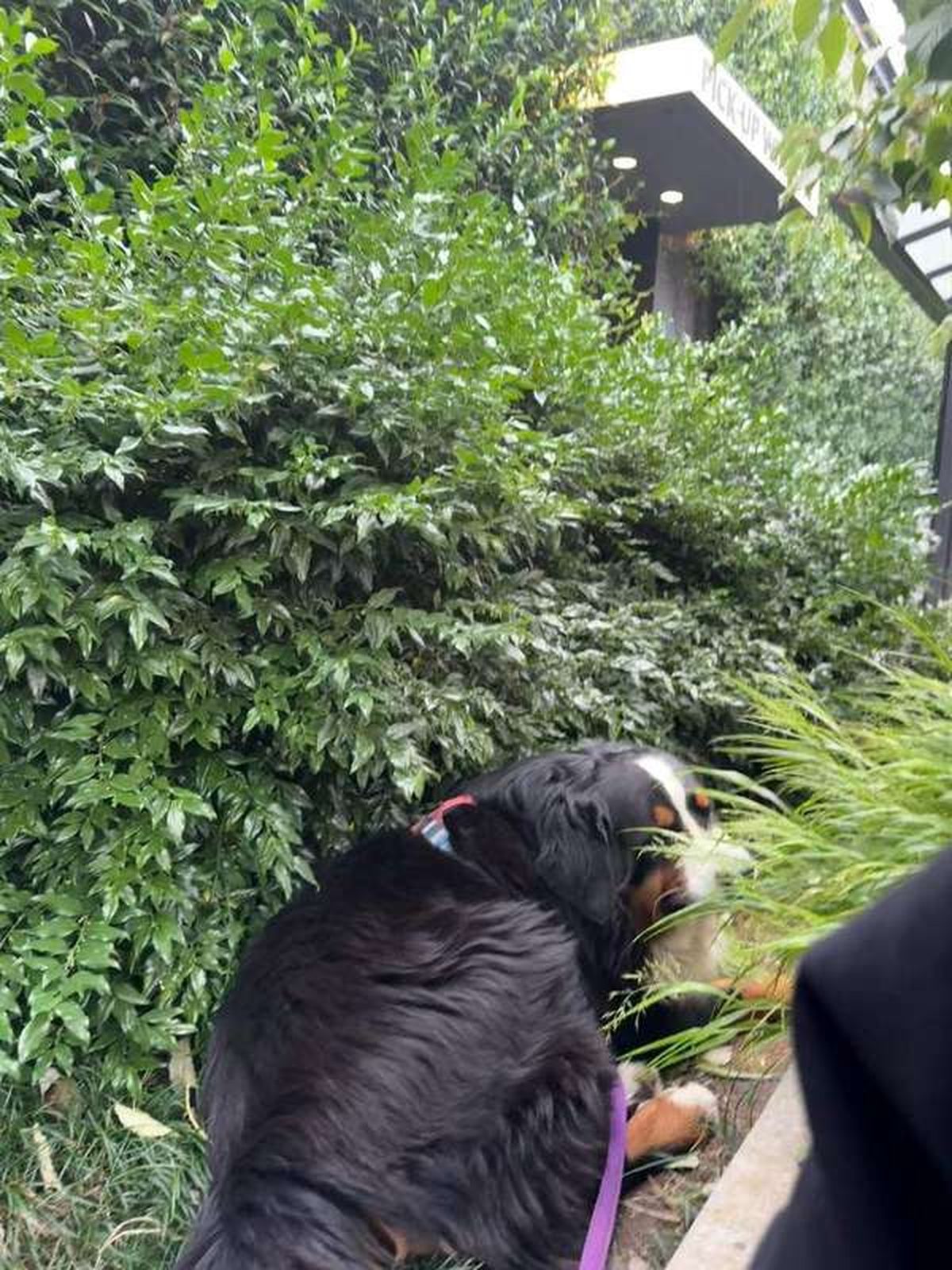
Why Does My Dog Eat Grass and Vomit?
A UC Davis study of 1,571 owners found grass eating is normal dog behavior, not self-medication: only 10% were ill first. What the science
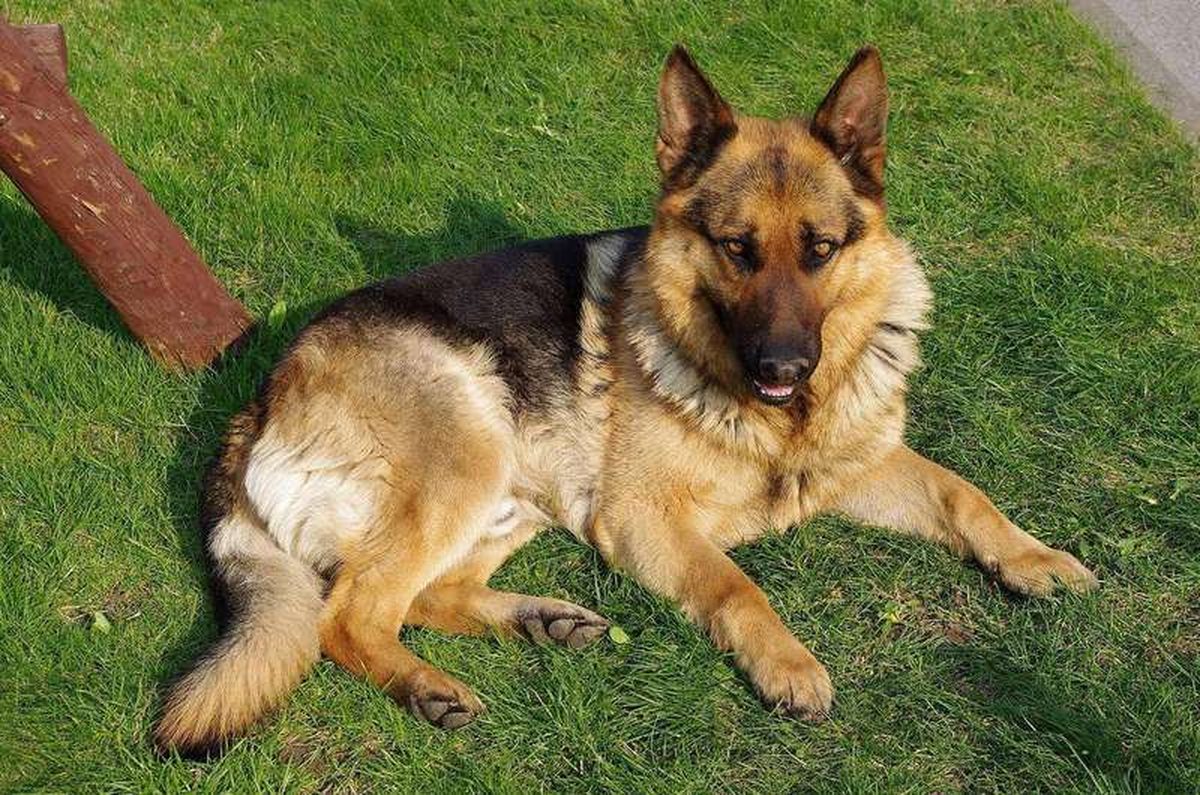
Why Does My Dog Stare at Me While I Eat?
Dogs stare at you while you eat because it has worked before, and mutual gaze raises bonding hormones. Learn the reinforcement science
Foods toxic to dogs: the list, with reasons
Chocolate, xylitol, grapes, onions: common foods can harm dogs. Learn what makes each one toxic, the warning signs, and what to do if your