
How to groom a long-haired cat without stress
Key takeaways
- Brush a long-haired cat every day, in short sessions, before tangles turn into mats.
- Never cut a mat out with scissors, since the skin sits close under the mat.
- Stop when the cat shows stress, and end every session with a treat and praise.
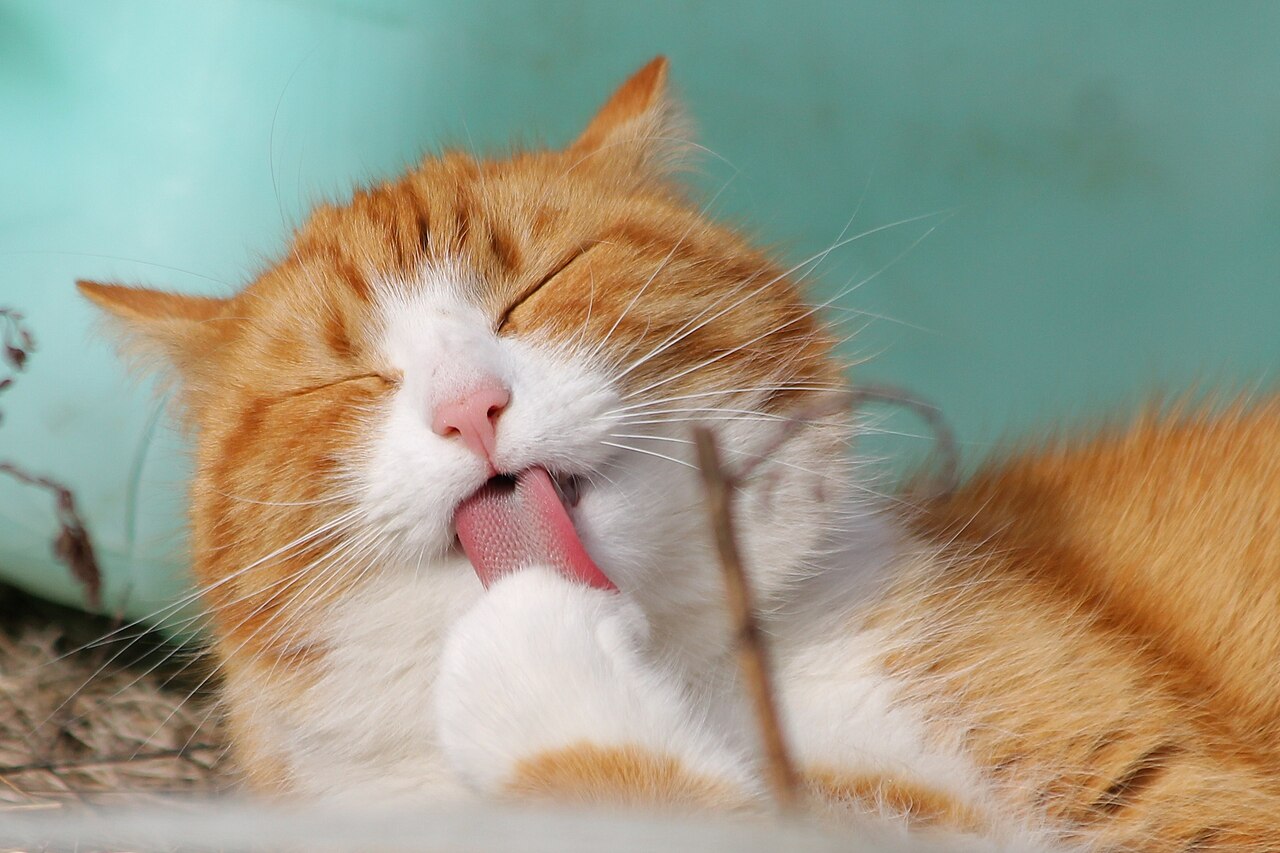
A long-haired cat carries a coat that tangles faster than the cat can keep up with it. Loose hair knots with growing hair, and a small tangle left alone becomes a mat that pulls on the skin.
Grooming works when it stays calm, short, and regular. The goal is not a perfect coat in one sitting, and it is never a battle with a frightened animal.
This article explains how to groom a long-haired cat without stress, including the tools to use, a calm session routine, how to handle mats safely, and when to hand the job to a groomer or a vet. This article is general information, not veterinary advice.
Why long hair mats so fast
Long coats tangle at friction points. VCA Hospitals lists the worst spots: under the legs, the back end, the chest, and around the collar. These areas move a lot, and the cat cannot reach some of them well when grooming itself.
Mats are clumps of dead hair, dead skin, dirt, and debris. Purina explains that when dead hair is not removed by the cat or by brushing, it packs into a mat. Shedding seasons in spring and autumn make the problem worse, since the undercoat sheds heavily then.
Mats hurt. They pull on the skin, restrict airflow, and can lead to infection when the skin underneath stays damp and thin. A sudden crop of mats in a cat that never had them is a reason to see a vet, according to Purina.
Some cats mat for medical reasons. VCA lists mouth pain, obesity, and arthritis as causes, since each one stops a cat from grooming some part of its body. A cat that stops grooming is telling you something, and the coat is often the first place it shows.
The tools that work
Three tools cover nearly all long-haired grooming. A wide-tooth metal comb finds and loosens tangles down near the skin. A slicker brush, with fine wire bristles on a flat head, removes loose hair and smooths the topcoat.
A mat breaker or dematting tool splits small mats without pulling.
Purina adds two more for special cases. A flea comb checks for fleas, eggs, and fine debris, and a silicone brush or grooming glove suits cats that try to bite a brush. A cat-safe detangling spray can soften a knot, but check that the product is safe for cats, since the cat will groom the area after you finish.
Skip the scissors entirely. VCA states the rule plainly: never use scissors to cut a mat off, since mats sit very close to the skin and it is easy to cut skin you cannot see. Purina gives the same warning and suggests clippers instead when a mat must be cut away.
Set the session up for calm
Pick a quiet time when the cat is already relaxed. After a meal or a nap works well. Choose a familiar spot, such as the cat's favourite cushion or bed, where the cat already feels secure.
Let the cat sniff the tools first. Exeter advises starting slowly, above all with kittens or cats new to brushing.
Use treats with intent. VCA recommends reinforcing grooming as a fun experience with treats, and notes that some cats come to enjoy daily grooming enough that the session itself becomes the reward.
Keep sessions short. Exeter advises short but frequent sessions to prevent stress while still keeping the coat clear. Two calm minutes beat ten forced minutes.
The calm brushing routine
Start where the cat likes to be touched. Most cats accept strokes between the ears, under the chin, and along the back near the front. Purina advises expanding to sensitive areas only once the cat is comfortable.
Brush in the direction of hair growth, using gentle short strokes. Work in sections from head to tail. Comb first to find tangles, then follow with the slicker brush.
Check the mat zones every session. Run the wide-tooth comb through the fur behind the ears, under the armpits, along the belly, near the tail, and around the collar. A comb that glides through means the coat is clear.
Hold the base of the fur when you meet a tangle. Pinching the hair near the skin stops the pull from reaching the skin. Work from the end of the tangle inward, a little at a time.
Watch the cat, not the clock. A swishing tail, flattened ears, skin twitching, or a sudden turn toward the brush all mean the session should end. Purina puts it simply: if the cat appears to be getting angry, stop brushing and let her calm down.
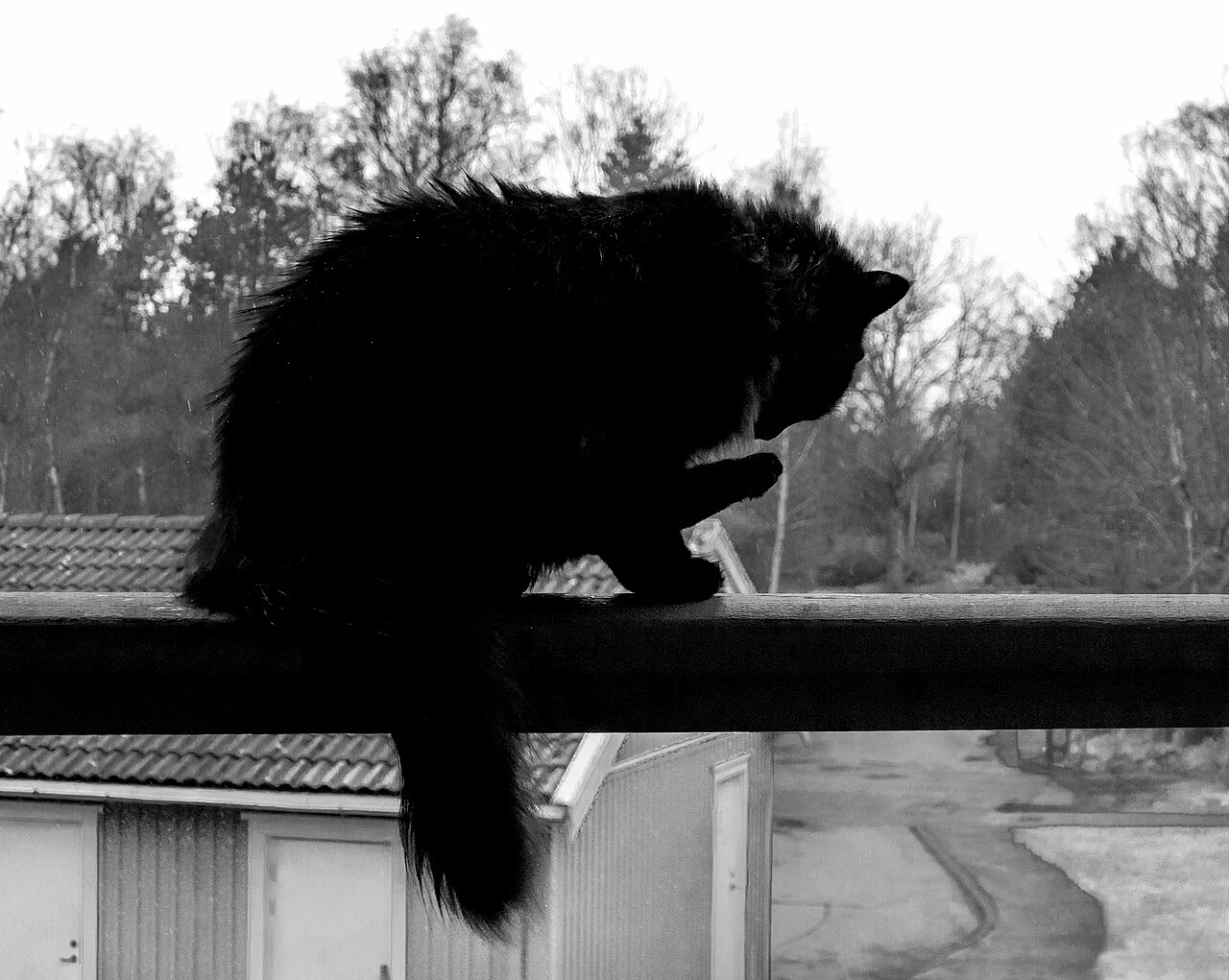
How to handle mats without stress
Small mats come out with patience. Purina sets out a clear sequence: separate the mat from the unmatted hair, rest your free hand on the cat to hold the skin steady, slip the comb teeth under the mat, and detangle gently. A pinch of cornstarch can help.
A cat-safe detangling spray can soften a stubborn knot. Spray it on the mat, let it sit briefly, then work from the ends inward. Give the cat a break between mats rather than clearing them all at once.
Never bathe a matted cat first. Wet fur makes mats tighter, so bathing turns a small problem into a hard one, as Purina warns. Remove the mats, then bathe later if the cat tolerates baths at all.
Stop and get help for large or widespread mats. VCA advises seeing a vet or groomer when the cat will not tolerate home care or when you worry about injuring the cat. A vet can sedate a cat for pain-free mat removal when needed.
How often to brush
VCA recommends combing or brushing a long-haired cat every day, with attention to the areas that develop mats. Exeter gives the same advice: daily brushing is best, though a few times a week may work for less mat-prone cats.
Purina adds a firm ceiling: do not extend the gap between brushings past one week, or mats may start to form. Long-haired cats may need daily brushing to stop mats forming, above all during shedding seasons.
Kittens need the same routine in miniature. VCA suggests building grooming into a kitten's normal daily routine from the start, with treats as reinforcement. A kitten that grows up with a daily comb will accept it as an adult without a fight.
Indoor cats still need regular grooming. A shy cat that hides from visitors still sheds and tangles, and a calm home routine helps, much like the slow approach in why cats hide when visitors come.
Bathing, trimming, and extras
Most long-haired cats do not need frequent baths. Exeter notes that bathing is fine with cat-safe shampoo when the cat tolerates it, but bathing too often can dry out the coat.
Trim the fur near the rear when it traps litter or waste. Keep the trim short and tidy, and use clippers rather than scissors near the skin. A small trim prevents the mess that mats love to form around.
Nails, ears, and teeth can share the routine. A short session is a good time to check ears for dirt and nails for length, but do not stack new tasks onto a cat that is already tense.
Food and water support the coat from inside. Exeter lists a balanced diet rich in omega-3 fatty acids, plus steady hydration, since dry skin makes tangles worse. A dull coat that keeps matting despite daily brushing is worth raising at a vet visit.
When to call a professional
Some cats need a groomer on a regular basis. Exeter lists dense coats prone to frequent matting, elderly cats that struggle with self-care, and cats where home brushing causes more stress than benefit.
A vet visit is the right call when mats come with sores, infection, or behaviour change. A cat that suddenly stops grooming, hides more, or eats less may have pain behind the coat problem.
A lion cut is a last resort, not a style choice. Purina notes that a groomer may shave a severely matted cat close, but the coat protects temperature control and sun protection. After a shave, daily brushing prevents a repeat.
Trust the cat's signals over any schedule. A cat that tolerates two minutes today may accept five next week. Calm grooming is a habit built over weeks, and every gentle session makes the next one easier.
Frequently asked questions
How often should I brush my long-haired cat?
Brush every day if you can, and never leave a gap longer than one week, or mats may start to form, according to Purina. VCA recommends daily combing or brushing with attention to mat-prone areas.
Can I cut a mat out with scissors?
No. VCA warns that mats sit very close to the skin, so scissors can cut skin you cannot see and cause severe injury. Work small mats out with fingers, a comb, or a dematting tool, and use clippers or a professional for mats that will not loosen.
Why does my cat still get mats even with brushing?
Skipped problem areas are the usual cause, along with dry skin or a health problem that stops the cat from self-grooming. Exeter notes that underlying issues such as parasites or allergies can affect coat quality. If mats keep forming despite daily brushing, a vet check is the next step.
My cat hates being brushed. What should I do?
Introduce the brush slowly, start in spots the cat enjoys, and keep sessions to a minute or two with treats. Purina advises waiting until the cat is relaxed, petting first, and stopping at the first sign of scratching or biting. If stress still outweighs progress, a professional groomer is the kinder option.
Should I bathe my long-haired cat?
Only when needed, with cat-safe shampoo, and never before removing mats, since wet fur tightens them. Exeter notes that bathing too often can dry the coat. Most long-haired cats stay clean with daily brushing alone, plus a bath after a sticky or messy mishap.
The bottom line
Calm grooming is a daily habit, not a rescue mission. A wide-tooth comb, a slicker brush, short sessions, treats, and a hard stop at the first stress signal keep a long-haired coat mat-free. Leave scissors out of it, and bring in a groomer or vet when mats outgrow what home care can handle safely.
Tags: pets, cats, cat grooming, long-haired cats
Latest in Pets
- Why do dogs lick people so much
- Why cats hide when visitors come
- How to stop a dog barking at every passerby
- What vaccinations do indoor cats need
Subscribe to the Rive News newsletter for one practical pet-care explainer each week.
Related stories

Why Does My Dog Eat Grass and Vomit?
A UC Davis study of 1,571 owners found grass eating is normal dog behavior, not self-medication: only 10% were ill first. What the science

Why Does My Dog Stare at Me While I Eat?
Dogs stare at you while you eat because it has worked before, and mutual gaze raises bonding hormones. Learn the reinforcement science

Foods toxic to dogs: the list, with reasons
Chocolate, xylitol, grapes, onions: common foods can harm dogs. Learn what makes each one toxic, the warning signs, and what to do if your