
Why does your dog eat grass on walks? What research says
By Rive News / Research desk | Rive News / Published October 20, 2026 at 9:00 AM PKT
Key takeaways
- Grass eating is normal behavior for most dogs, not a reliable sign of sickness.
- A UC Davis study found only 9 percent of dogs looked ill before grazing, and fewer than 25 percent vomited after.
- Instinct inherited from wild canids is the leading explanation, possibly to help expel intestinal parasites.
Almost every dog owner has watched their dog stop mid-walk to graze like a small cow. It looks strange, and the folk explanation is instant: the dog must have an upset stomach and is trying to vomit.
Research tells a different story. Large surveys of dog owners show that most grazing dogs are perfectly healthy, rarely vomit, and keep doing it for reasons written into their DNA.
This article explains the leading theories behind grass eating, what the UC Davis research actually found, why the sick-stomach myth persists, when grazing should worry you, and how to manage it on walks.
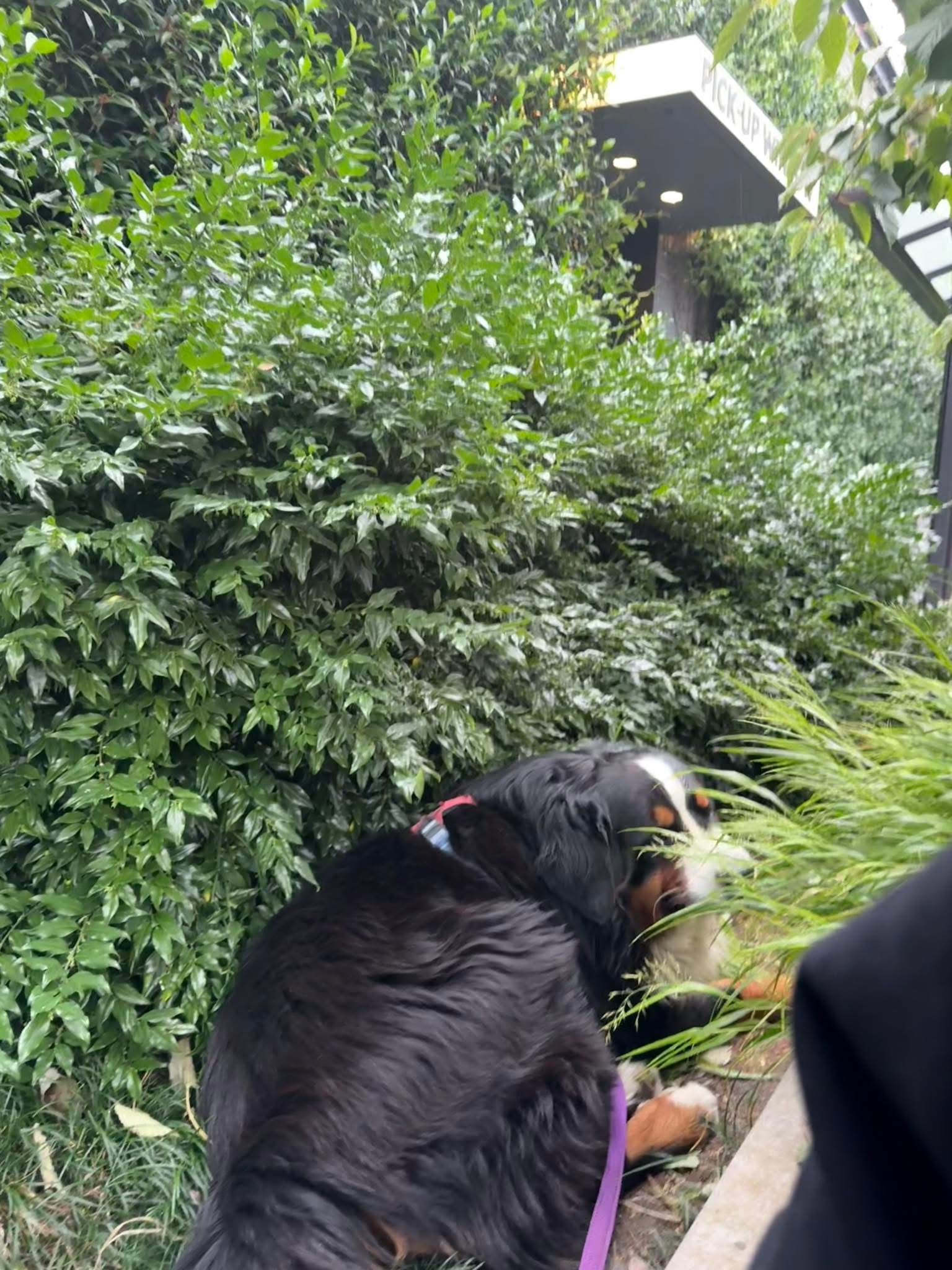
A Bernese Mountain Dog grazes on grass. Research shows most grazing dogs are healthy before and after.
Image Credits: Wikimedia Commons
The leading theories behind grass eating
The instinct theory has the strongest support. Dogs descend from wild canids such as wolves, which ate whole prey including stomach contents full of plant material. VCA Animal Hospitals notes that stool analysis shows between 11 and 47 percent of wolves regularly consume grass.
Veterinary behaviorist Dr. Benjamin Hart of UC Davis proposed that plant eating is an inherited behavior that once helped wild canids purge intestinal parasites. Grass can increase intestinal motility and wrap around worms, helping expel them.
Younger dogs graze more than older ones in Hart's data, which fits the parasite angle: younger animals are more vulnerable to parasites and would benefit most from the habit. The impulse appears to have survived domestication even though modern dogs rarely need it.
The fiber theory says dogs seek roughage their diet lacks. There is a famous case report of an 11-year-old Miniature Poodle with a seven-year history of eating plants and vomiting that stopped completely after switching to a high-fiber diet, cited by PetMD via Pawvanti.
The boredom and enjoyment theory is simpler: some dogs graze because they like the taste and texture, or because walks are long and grass is there. Not every behavior needs a medical explanation.
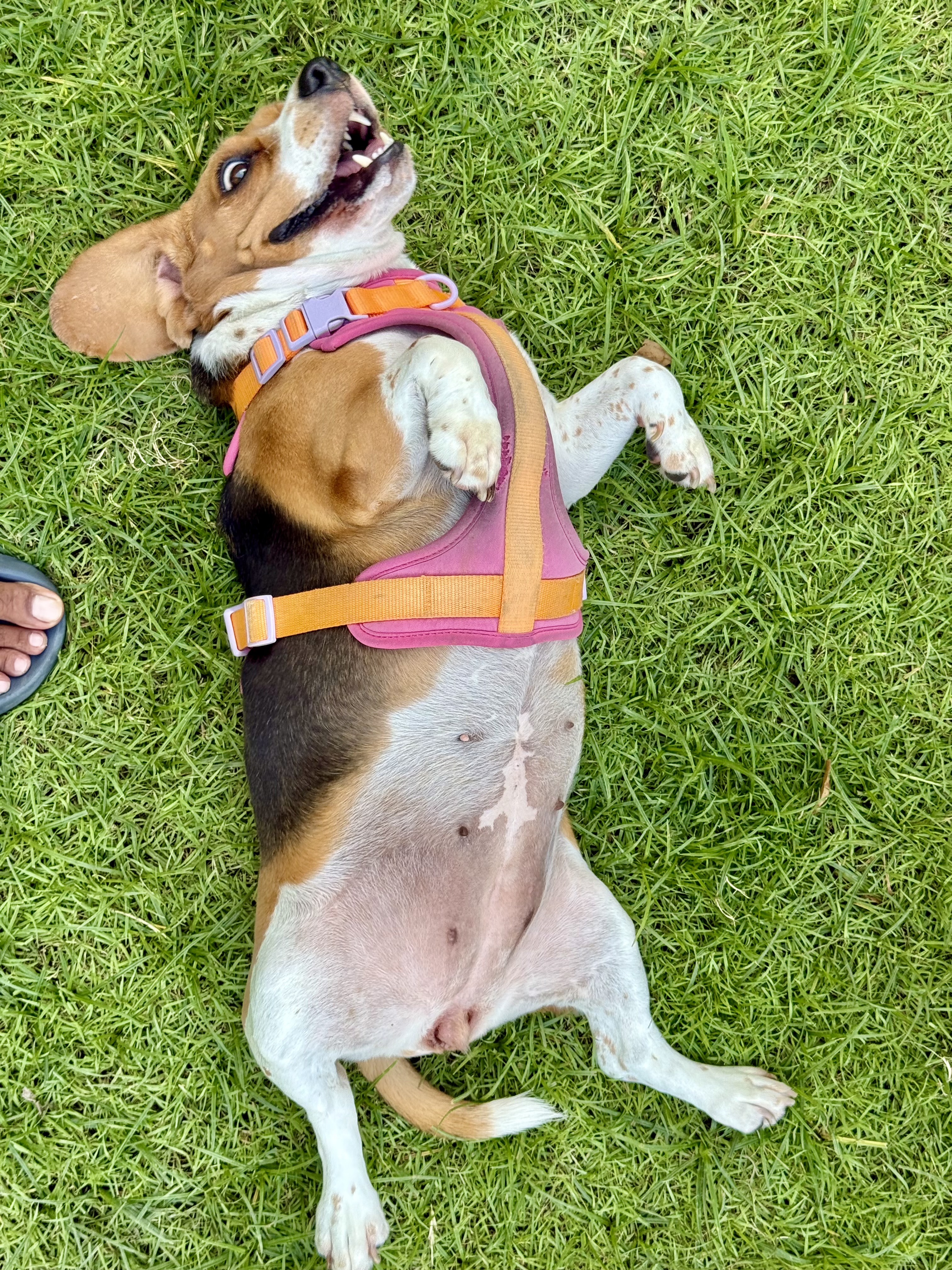
A Beagle relaxes on the grass. Many dogs graze simply because they enjoy the taste and texture.
Image Credits: Wikimedia Commons
What the UC Davis study actually found
The landmark research is a 2008 University of California, Davis study by Karen Sueda, Kelly Hart, and Benjamin Hart, published in Applied Animal Behaviour Science. They surveyed dog owners, including veterinary students, about grass eating and its aftermath.
The headline numbers dismantled the vomit myth. Only about 9 percent of dogs showed any signs of illness before eating grass, and fewer than 25 percent vomited regularly afterward. Roughly three out of four grazing dogs were perfectly fine before and after.
Diet showed no meaningful link. Dogs fed commercial food, table scraps, or raw diets grazed at similar rates, and dogs whose diets were supplemented with vegetables or fruit were no less likely to eat grass.
One nuance survived: dogs that did look sick beforehand were more likely to vomit afterward. The researchers read this as reversed causation, where a dog that already feels ill is more likely to vomit after grass, not proof that grass was the medicine.
A 2021 study by researchers at NC State confirmed the picture. Examining dogs' interactions with turfgrass, they found vomiting with grass ingestion was incidental and concluded that the popular explanations for grass eating remain largely unproven.
Why the "sick stomach" myth persists
The myth survives because the exceptions are memorable. A dog eats grass, then vomits, and the owner connects the two events into a clean story about self-medication.
Confirmation bias does the rest. Owners notice the dramatic grass-then-vomit episodes and forget the hundreds of uneventful grazing sessions in between. The UC Davis numbers show those quiet sessions are the norm.
Veterinary language sometimes feeds the confusion. Grass can irritate the stomach lining and trigger vomiting in some dogs, which is true but different from the claim that dogs eat grass in order to vomit.
The direction of cause and effect matters. Since sick-looking dogs vomit more after grazing, it is easy to conclude the grass was the treatment, when the data suggest the sickness came first.
When grass eating should worry you
Frantic, obsessive grass eating is different from casual grazing. A dog that urgently gulps large amounts of grass, especially with retching or distress, may be trying to soothe real nausea and deserves a vet visit.
Watch what the grass was treated with. Lawns sprayed with herbicides, pesticides, or fertilizers turn a harmless habit into a poisoning risk, so know what is on the ground before letting your dog graze.
Certain plants mixed into the grass are dangerous. If your dog eats unknown plants or mushrooms rather than plain grass, treat it as a possible poisoning and review what to do when your dog eats something it should not.
Repeated vomiting after grazing, appetite loss, diarrhea, or lethargy alongside the habit all point past normal behavior. These combinations warrant a veterinary check rather than a wait-and-see approach.
Puppies and young dogs graze the most, so heavy grazing in a young dog is usually just youth. As dogs move toward their senior years, the habit typically fades on its own.
How to manage grazing on walks
For most dogs, no intervention is needed. Casual grazing on clean, untreated grass is normal behavior, and trying to stamp it out usually creates more stress than it prevents.
A "leave it" cue gives you an off switch for questionable patches. Train it at home with treats first, then apply it on walks where the grass may be treated or mixed with unknown plants.
Check the diet if the grazing is constant and intense. While the research found no general diet link, the Miniature Poodle case shows that individual dogs can respond to more fiber, so it is worth discussing with your vet.
Keep walks interesting to cut boredom grazing. Sniff breaks, training games, and varied routes give the dog more to do than mow the verge, and a mentally busy dog grazes less.
Finally, learn your local lawns. Favor untreated parks and fields, avoid freshly sprayed areas, and watch for the warning signs that turn grazing from a quirk into a symptom.

A dog sits in tall grass. Favor untreated parks and fields when your dog likes to graze.
Image Credits: Wikimedia Commons
The bottom line
Dogs eat grass on walks mostly because instinct tells them to, not because they are sick. The UC Davis research is clear: only 9 percent looked ill beforehand and fewer than 25 percent vomited after. Let casual grazing be, manage it with a "leave it" cue on doubtful ground, and call the vet only when the grazing turns frantic or comes with other symptoms.
Is it normal for dogs to eat grass every day?
Yes, for many dogs. Daily grazing on clean grass with no vomiting or other symptoms is normal behavior, and the UC Davis surveys found most grazing dogs show no illness before or after.
Why does my dog eat grass and then vomit?
Grass can irritate the stomach lining and trigger vomiting, but the research suggests the sickness usually comes first: dogs that already felt ill were more likely to vomit after grazing. Occasional episodes in an otherwise healthy dog are not alarming.
Can eating grass hurt my dog?
Plain untreated grass is generally harmless. The risks come from lawn chemicals, fertilizers, and toxic plants mixed in with the grass, so graze location matters more than the grass itself.
Do dogs eat grass when they lack fiber?
Sometimes, for individual dogs. A documented case of a Miniature Poodle stopped grazing after switching to a high-fiber diet, but the UC Davis study found no general link between diet type and grass eating across dogs.
Should I stop my dog from eating grass on walks?
Not usually. Casual grazing is normal, but train a "leave it" cue so you can redirect your dog away from treated lawns, unknown plants, or areas where other dogs foul the ground.
Rive News is the research desk behind these explainers, covering everyday questions with sourced, checkable facts.
Latest in Pets
- What to do when your dog eats something it should not
- Why your dog barks at every visitor, and how to calm it
- Why your cat follows you to the bathroom
Get one useful explainer in your inbox each morning. Subscribe to the Rive News newsletter.
Copyright 2026 Rive News. All rights reserved.
Related stories
Why Does My Dog Eat Grass and Vomit?
A UC Davis study of 1,571 owners found grass eating is normal dog behavior, not self-medication: only 10% were ill first. What the science
Why Does My Dog Stare at Me While I Eat?
Dogs stare at you while you eat because it has worked before, and mutual gaze raises bonding hormones. Learn the reinforcement science
Foods toxic to dogs: the list, with reasons
Chocolate, xylitol, grapes, onions: common foods can harm dogs. Learn what makes each one toxic, the warning signs, and what to do if your