
Why Does My Dog Get the Zoomies After a Bath?
Key takeaways
- Post-bath zoomies are FRAPs, short bursts that release built-up energy, stress, or excitement.
- Baths stack several triggers at once: relief, adrenaline, wet fur, and a changed scent.
- The behavior is normal in most dogs, but fear, pain, or a sudden change needs a vet.
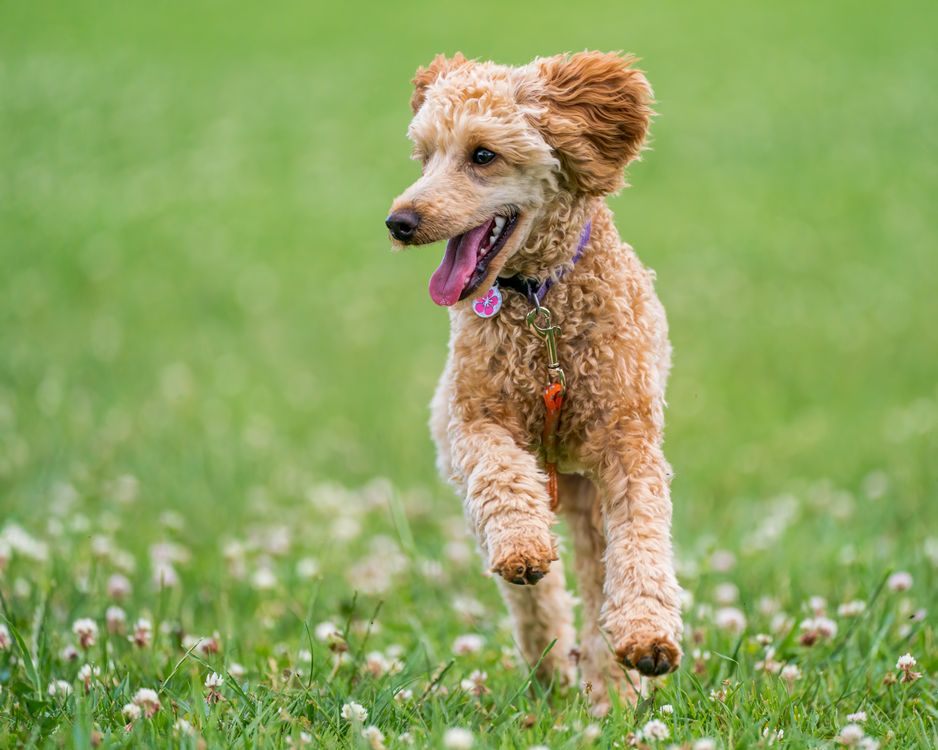
The towel comes off, and the dog explodes. One second it stands dripping in the bathroom. The next it is racing down the hall, sliding around corners, leaping over furniture, and doing laps with total delight.
Then it stops, collapses, and looks deeply satisfied.
That sprint has a name. Veterinarians and behaviorists call it a Frenetic Random Activity Period, or FRAP. Owners call it the zoomies.
The bath version is one of the most reliable triggers in dog life.
This article explains what FRAPs are, why baths trigger them so reliably, what the zoomies look like when they are healthy, and when the behavior deserves a vet visit.
What the zoomies actually are
A FRAP is a sudden, brief burst of intense movement. It can include running, spinning, sharp turns, play bows, and excited jumping. Episodes last for up to several minutes, according to Live Science, but they often feel longer when a dog is bulldozing through a crowded home.
The behavior is not random in any meaningful sense. It is a discharge of built-up arousal. The trigger can be excitement, relief, stress, or pent-up energy that had no outlet.
When the internal pressure reaches a threshold, the body releases it all at once through movement.
"They're just having fun," said Jose Arce, president-elect of the American Veterinary Medical Association, in Live Science. That line covers many zoomies, but the bath version usually has more going on. A bath is a stressful event for many dogs, even a gentle one.
The zoom that follows is part joy and part reset.
FRAPs show up across species, not just dogs. Cats, horses, ferrets, and other mammals have their own versions. The consistency across species suggests this is a deeply conserved mechanism rather than a quirk of domestication.
Your dog is not malfunctioning. It is running a program that many animals share.
Other dog behaviors follow the same pattern of a normal-looking quirk with a real mechanism. Dogs dream and twitch in their sleep, dogs howl at sirens, and dogs eat poop all look strange until the cause is clear.
Why baths trigger zoomies so reliably
A bath stacks several triggers at once. That is why the post-bath zoom is more reliable than most other zoomies. Each trigger below can set off a FRAP on its own.
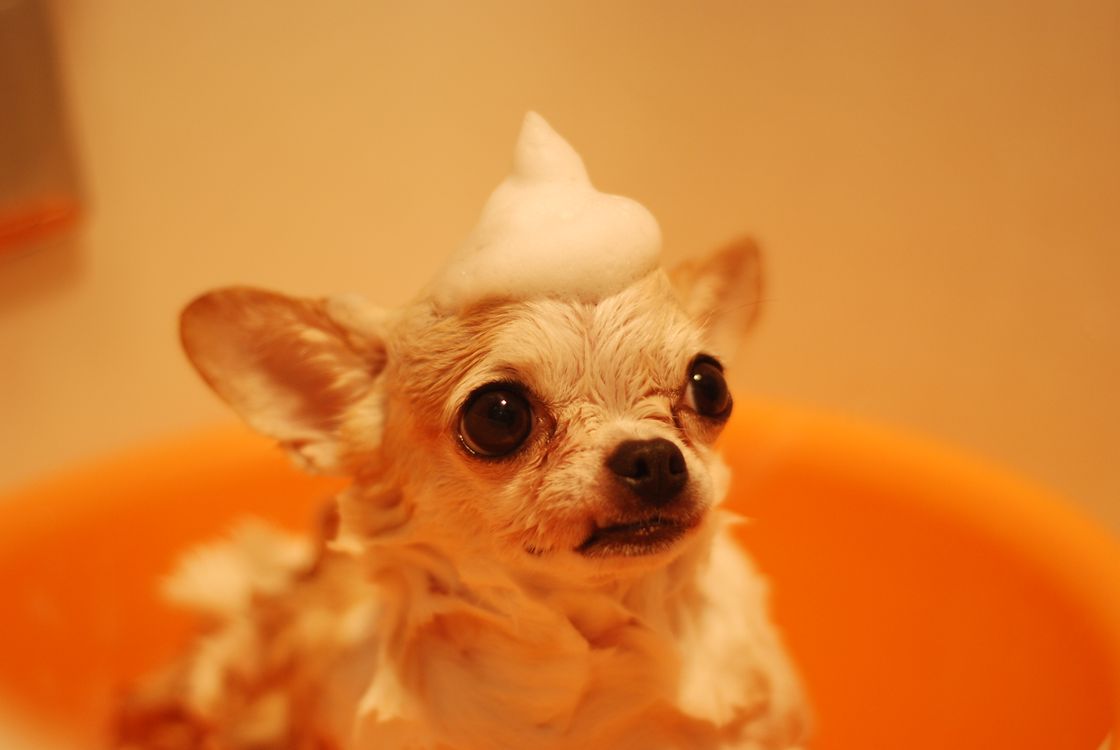
Relief is the first trigger. For many dogs, the bath itself is mildly stressful. It involves restraint, wet fur, unfamiliar smells, and loss of control.
When it ends, the adrenaline that built up during the experience gets discharged all at once as zoomies, according to Petful.
Nervous energy is closely related. Another frequent time for FRAPs is after a bath, possibly to release nervous energy or excitement from getting bathed, Arce told Live Science. The dog is not necessarily protesting the bath.
It is processing the arousal the bath created.
Wet fur adds a physical trigger. Dogs dislike the sensation of wet fur. Rolling, shaking, and running help move water off the coat and restore the feeling of dryness, according to Petful.
The zoom is partly practical, even if it looks like pure celebration.
Scent disruption is a subtler trigger. Dogs rely on their own scent as part of their identity and social signaling. Strong shampoo masks that natural scent, which can be disorienting.
Rolling on carpets and furniture after a bath is partly an attempt to restore a more familiar smell, according to Petful.
Sensory stimulation plays a role too. Air moving across wet fur creates a distinctive physical sensation that many dogs seem to find intensely stimulating. Moving faster intensifies it, according to Petful.
Then there is plain celebration. For dogs that have learned that surviving the bath means freedom and treats, the post-bath zoom is straightforwardly joyful.
Why the zoomies are not about drying off
It is tempting to think the dog is trying to dry itself. The evidence points elsewhere. Dogs' full-body shakes are highly effective, according to Arce in Live Science.
The post-bath zoomies likely are not for drying off.
A full-body shake removes a large share of water in seconds. A dog that wanted to dry off would shake and then settle.
It is discharging arousal, restoring its scent, and enjoying the release.
That distinction matters for owners. If the goal were drying, a longer towel session would fix it. Since the goal is discharge, the useful response is a safe space to run.
Which dogs zoom the most after baths
Any dog can get post-bath zoomies, but some dogs get them more often. Puppies and young dogs are the champions. Cornell University's veterinary experts report that FRAPs are most common among puppies and younger dogs, according to PetCover Group.
Young dogs have high energy and are still developing the ability to regulate excitement.
Breed matters too. More athletic and high-strung dog breeds, like Australian shepherds, may zoom more often than laid-back dogs, probably because they need to let their energy out more frequently, Arce said in Live Science.
What healthy post-bath zoomies look like
Healthy zoomies have a recognizable shape. The dog looks loose and wiggly, with a relaxed body and an open mouth. Play bows appear: front legs lowered, rear end up, then another sprint.
The episode ends on its own, and the dog settles calmly afterward.
Context helps separate joy from stress. A dog that zooms after play or after a bath and then flops down happily is expressing relief and pleasure. A dog that zooms after every single vet visit or grooming appointment is showing that those experiences are genuinely stressful.
Watch the body language. Cornell describes a happy zooming dog as loose and wiggly, potentially bouncing around, displaying play bows, or running with the tongue hanging out, according to PetCover Group. A fearful dog looks different: tense, tail tightly tucked, head lowered, ears pinned back.
The recovery matters as much as the run. A healthy FRAP ends with a calm dog. The dog may pant, drink water, and lie down.
If the dog stays wired or cannot settle long after the episode, the arousal may have another source.
How to handle the post-bath zoom safely
The best response is to let the zoom happen in a safe place. Do not chase the dog or try to grab it mid-sprint. Chasing adds arousal and raises the chance of a collision.
Clear the path before the bath ends. Move fragile objects out of the running lane. Block access to stairs, roads, and slippery floors.
Cornell recommends keeping dogs away from roads, stairs, slippery flooring, and other obstacles during FRAPs, according to PetCover Group.
Keep the bath itself calmer and the zoom may shrink. Use warm water, a non-slip mat, and a calm voice. Keep handling gentle and predictable.
Do not punish the zoom. The dog is not being disobedient. It is discharging arousal through the only fast outlet it has.
Punishment during a FRAP adds stress to an already aroused dog and can make the next bath worse.
If the zoom regularly ends in crashes, shorten the runway. Towel the dog in a small room, then open the door to a safe area when the first burst has passed. The goal is not to stop the FRAP.
The goal is to aim it somewhere safe.
When zoomies deserve a vet visit
Zoomies themselves are rarely a problem. A sudden change in the pattern is the real signal. Cornell recommends seeking veterinary advice if a dog running frantically appears frightened, anxious, or in pain, according to PetCover Group.
A dog that never zoomed before and suddenly starts frantic running in many contexts is different from a dog with a stable post-bath routine.
Watch for behavior that looks less like playful running and more like persistent or repetitive movement. Animal behavior researchers from the University of Adelaide note that prolonged spinning, repetitive behavior during confinement, difficulty interrupting the behavior, or resulting injuries are reasons to seek veterinary advice, according to PetCover Group. Repetition without joy is a different category from a FRAP.
Pain is another reason to check. A dog that yelps, limps, or guards a body part during or after zoomies may be hurting. A dog that zoomed into furniture and then changed how it moves needs a look.
The FRAP is not the problem in that case. The injury is.
Skin trouble can also hide behind bath zoomies. A dog that scratches, licks, or bites at its skin after every bath may be reacting to the shampoo or an existing skin condition. The zoom may be normal, but the itch is not.
Mention the pattern at the vet visit.
Video helps. If you are unsure whether your pet is engaging in zoomies or something else, Arce recommended recording a video of the behavior and showing it to your veterinarian, according to Live Science. Record the start, the run, and the settle.
Frequently asked questions
Are post-bath zoomies normal?
Yes, in most dogs. They are FRAPs, short bursts that release energy, stress, or excitement. The bath stacks several triggers at once: relief, adrenaline, wet fur, and a changed scent.
How long do post-bath zoomies last?
Most episodes last a few minutes at most. Live Science notes that zoomies last for up to several minutes. A burst that runs far longer is worth a closer look.
Should I stop my dog from zooming after a bath?
Do not try to stop the burst by chasing or grabbing the dog. Instead, clear the path and let it run somewhere safe. Keep the dog away from stairs, roads, and slippery floors.
Do all dogs get zoomies after baths?
No. Some dogs trot off calmly after a bath and never zoom. Others zoom every time.
Both are normal. Puppies and high-energy breeds tend to zoom more often.
When should I call the vet about zoomies?
Call the vet if the dog appears frightened, anxious, or in pain during the run, or if the behavior changes suddenly. Prolonged spinning, repetitive movement that is hard to interrupt, or injuries during episodes are also reasons to seek advice.
The bottom line
Post-bath zoomies are FRAPs, and baths are one of the most reliable triggers because they combine relief, adrenaline, wet fur, and a changed scent. The behavior is normal in most dogs, and the right response is a safe room, a clear path, and no chasing. Watch for fear, pain, or a sudden change in the pattern, and bring a video to the vet if anything looks off.
Otherwise, get out of the way and let the zoom run its course.
Tags: dogs, zoomies, dog behavior, pet care
Latest in Pets
- Why Do Dogs Dream and Twitch in Their Sleep?
- Why Do Dogs Howl at Sirens?
- Why Do Cats Sit in Boxes Even Tiny Ones?
- Why Do Dogs Eat Poop?
Subscribe for weekly pet behavior explainers in your inbox.
Related stories

Why Does My Dog Eat Grass and Vomit?
A UC Davis study of 1,571 owners found grass eating is normal dog behavior, not self-medication: only 10% were ill first. What the science

Why Does My Dog Stare at Me While I Eat?
Dogs stare at you while you eat because it has worked before, and mutual gaze raises bonding hormones. Learn the reinforcement science

Foods toxic to dogs: the list, with reasons
Chocolate, xylitol, grapes, onions: common foods can harm dogs. Learn what makes each one toxic, the warning signs, and what to do if your