
Why Do Dogs Eat Poop: Causes, Risks, and Fixes
Key takeaways
- Coprophagia, the technical name for eating stool, is common in dogs and has behavioral, dietary, and medical causes.
- A 2018 study found 16% of dogs were frequent stool eaters, while about 77% of owners never saw the behavior.
- Prompt cleanup, a vet check, and training beat punishment, since scolding can make the habit worse.
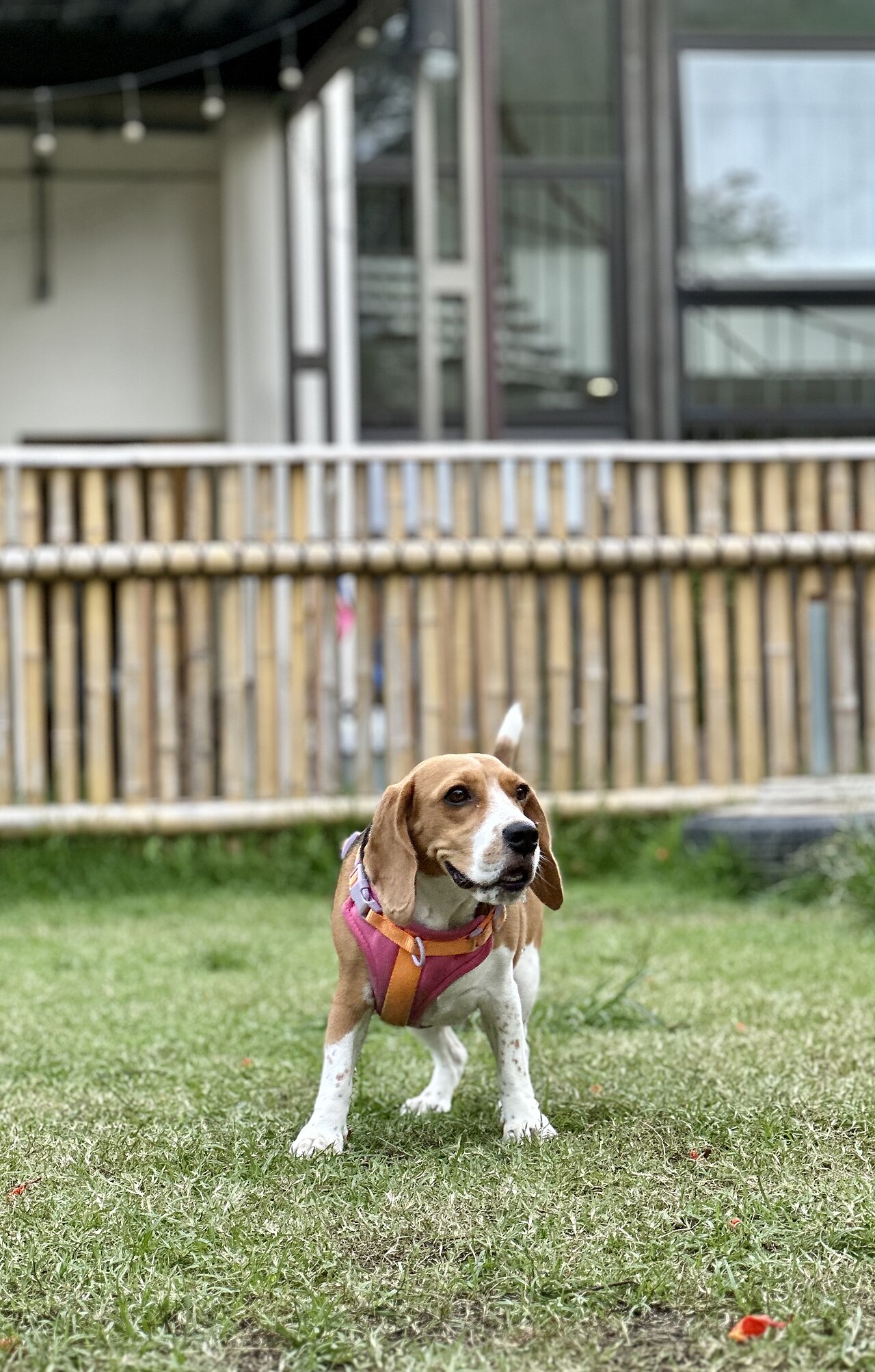
Coprophagia means eating feces. In dogs, it can mean eating their own stool, another dog's stool, or the stool of a different animal entirely.
This article explains why dogs eat poop, including normal cases, behavioral causes, medical causes, and health risks. It also covers the steps that stop the habit, and when a vet visit should come first.
What coprophagia is
Coprophagia is the act of eating feces. It sounds like a disorder, but in dogs it is often a normal behavior with a normal explanation.
Mother dogs eat their puppies' stool. They do this to keep the nesting area clean and odor-free, and to stimulate the puppies to pass stool. Puppies, in turn, often copy what their mother does.
Many puppies also explore the world with their mouths. Veterinarian Allyson Harris told Chewy that puppies discover the world through their mouths, and that everything has to be tasted. Most puppies outgrow the habit as they mature.
How common is it
Poop eating is not rare. A 2018 study in Veterinary Medicine and Science asked owners about the behavior, and 16% of respondents said their dogs were frequent stool eaters.
In the same study, nearly 77% of owners said they had never seen their dogs eat poop. The gap suggests the habit is common enough to be normal, but far from universal.
A survey study led by Benjamin Hart at UC Davis also found that many dogs eat stool at least sometimes. The behavior shows up across breeds, ages, and household types.
Behavioral causes
Behavior explains most cases in healthy adult dogs. The triggers below show up again and again in veterinary sources.
Boredom and lack of enrichment sit near the top of the list. Dogs that get too little exercise or mental stimulation may eat poop simply as something to do. Puzzle feeders, longer walks, and training sessions often cut the behavior.
Attention-seeking is another common driver. If an owner reacts with shock or shouting every time the dog nears stool, the dog may repeat the behavior to get a reaction. Veterinarian Sara Beth Ochoa told Chewy that a dramatic response can teach a dog to link coprophagia with the attention it wants.
Stress and anxiety can also push dogs toward stool eating. Moves, new pets, long hours alone, or changes in routine can all raise anxiety. Some dogs use the habit as a coping mechanism, much like pacing or licking.
Punishment can backfire in a specific way. Dogs punished harshly for indoor accidents may eat their stool to hide the evidence. That is one reason trainers stress reward-based housetraining over scolding.
Learned behavior rounds out the list. Puppies that watch their mother or another dog eat stool may copy the habit. Dogs kept in crowded kennels or tight spaces may also develop the habit, according to the American Kennel Club.
Dietary causes
Some dogs eat poop because their food leaves something missing. Poor-quality diets, too little food, or poor absorption can all play a role.
Stool can contain undigested food. Veterinarian Sara Beth Ochoa notes that another dog's stool may hold trace amounts of vitamin B, which can attract a dog with a gap in its diet. Dogs that are simply hungry may also turn to stool.
Malabsorption is the deeper version of this problem. If a dog cannot absorb nutrients properly, it may try to reclaim them from stool. A vet can check for this with fecal tests and bloodwork.
Feeding meals on a regular schedule helps. Chewy's veterinary sources suggest two to four meals per day, depending on age and breed. Owners should not cut food to reduce stool volume unless a vet recommends it, since hunger can make the habit worse.
Medical causes
Medical causes are less common, but they matter most when the behavior is new or sudden. A dog that starts eating poop out of nowhere deserves a vet check.
Intestinal parasites can steal nutrients and leave a dog hungrier than usual. Parasites also spread through stool, so eating feces can restart an infection the vet just treated.
Exocrine pancreatic insufficiency, known as EPI, affects the pancreas and its ability to make enzymes for digestion. Dogs with EPI may eat stool to recover nutrients their gut failed to absorb, according to Ochoa.
Conditions that raise appetite can also trigger the habit. Diabetes, thyroid disorders, and Cushing's disease all change appetite or metabolism. Steroids and some other medications can raise appetite too.
Cognitive decline in older dogs is another possible factor. A senior dog that seems confused may eat stool because of disorientation rather than hunger.
Why dogs eat cat poop
Cat poop deserves its own section, because many dogs target the litter box first. The reason is smell and protein.
Cat food runs high in protein and has a strong odor. Harris told Chewy that some dogs feel that if they cannot get the cat's food going in, they will get it coming out. The litter box is an easy target.
Blocking access is the practical fix. Pet gates, elevated litter boxes, or enclosed boxes keep the dog out. A vet visit still makes sense if the habit is frequent.
Is eating poop dangerous
Eating their own stool is often harmless, but it is never risk-free. The danger rises sharply when the stool comes from another animal.
Parasites top the risk list, since worms and protozoa spread through feces and a dog can reinfect itself or pick up a new infection. Bacteria such as Salmonella and E. coli can also travel this way.
Stool from other animals can carry medications or toxins. Human feces and cat feces may hold drug residues. Wildlife feces can carry pathogens a pet dog has never met.
Watch for warning signs after a dog eats stool. Vomiting, diarrhea, lethargy, and loss of appetite all warrant a vet call. Sudden weight loss paired with stool eating is another reason to book an exam.
What stops the habit
The fix depends on the cause. A vet check comes first when the behavior is new, frequent, or paired with other symptoms.
Prompt cleanup is the simplest step. The less stool sits in the yard, the fewer chances the dog gets. Owners should pick up after every outing, and supervise the dog on a leash in high-risk spots.
Training helps once access is managed. A strong "leave it" cue lets owners interrupt the dog and redirect it. Rewarding the dog for coming away from stool works better than shouting after the fact.
Enrichment addresses boredom at its root. Longer walks, puzzle feeders, rotating toys, and short training games give the dog better things to do. Ochoa told Chewy that enrichment items can address underlying problems like boredom, stress, and anxiety.
Diet review is worth doing with a vet. A high-quality, complete diet suited to the dog's life stage removes one common driver. Probiotics or digestive enzyme supplements may help in some cases, but they do not fix behavioral causes.
Deterrent products exist, and they change the taste of stool to discourage eating. They only work when the dog eats its own stool, and owners should ask a vet before using one. Like dogs that howl at sirens, a dog that eats stool is usually acting on instinct, not defiance.
When to see a vet
Book a vet visit when the behavior is new, sudden, or getting worse. The same applies when stool eating comes with vomiting, diarrhea, weight loss, or lethargy.
A vet will usually ask about diet, habits, and medications. Fecal testing checks for parasites, and bloodwork can screen for endocrine and metabolic problems. A dietary review may follow.
Owners should also mention which stool the dog targets. Eating cat feces, wildlife feces, or human feces carries different risks than eating its own. That detail helps the vet judge the risk.
This article is for general information, not veterinary advice. A licensed veterinarian should evaluate any dog with a new or worsening habit.
Frequently asked questions
Will my dog grow out of eating poop?
Many puppies do. They explore with their mouths and often drop the habit as they mature and learn household routines.
Adult dogs are less likely to stop on their own. Training, cleanup, and enrichment usually do the work, with a vet check to rule out medical causes.
Do supplements stop dogs from eating poop?
They can help in some cases. Probiotics or enzyme supplements may improve digestion and nutrient absorption, which can reduce stool eating tied to a dietary gap.
Behavioral causes need training and enrichment instead. Supplements do not fix boredom, anxiety, or attention-seeking.
Is coprophagia a sign of anxiety?
It can be. Dogs under stress, boredom, or separation anxiety may eat stool as a coping mechanism.
Other anxiety signs include pacing, whining, destructive behavior, and appetite changes. A vet or behavior professional can help when several signs appear together.
Are some breeds more likely to eat poop?
Coprophagia shows up in all breeds and mixed-breed dogs. Highly food-motivated or curious dogs may be more prone to it.
Environment, training, and personality matter more than breed. A bored dog of any breed is a candidate.
The bottom line
Dogs eat poop for reasons that range from normal puppy behavior to medical problems. Most cases trace to behavior or diet, and most respond to cleanup, training, and enrichment.
The exception is a new or sudden habit, which deserves a vet visit. Rule out parasites, diet gaps, and illness first, then manage the behavior with patience. Like cats that groom themselves for hours or dogs that get the zoomies after a bath, the habit usually makes sense once the animal's instincts are clear.
Tags: dogs, coprophagia, pet behavior, veterinary care
Latest in Pets
- Why Do Dogs Howl at Sirens: Instinct, Sound, and Training
- Why Do Dogs Dream and Twitch in Their Sleep
- Why Does My Dog Get the Zoomies After a Bath
- Why Do Cats Groom Themselves for Hours
Subscribe for weekly pet behavior explainers in plain English.
Related stories

Why Does My Dog Eat Grass and Vomit?
A UC Davis study of 1,571 owners found grass eating is normal dog behavior, not self-medication: only 10% were ill first. What the science

Why Does My Dog Stare at Me While I Eat?
Dogs stare at you while you eat because it has worked before, and mutual gaze raises bonding hormones. Learn the reinforcement science

Foods toxic to dogs: the list, with reasons
Chocolate, xylitol, grapes, onions: common foods can harm dogs. Learn what makes each one toxic, the warning signs, and what to do if your