
Why your dog sighs loudly when lying down
By Rive News / Research desk | Rive News / Published October 27, 2026 at 9:00 AM PKT
Key takeaways
- A loud sigh as a dog lies down most often signals contentment, tiredness, or a shift into rest.
- Half-closed eyes point to pleasure, while wide-open eyes can point to disappointment or frustration.
- A sigh paired with stiffness, labored breathing, or restlessness deserves a closer look and possibly a vet visit.
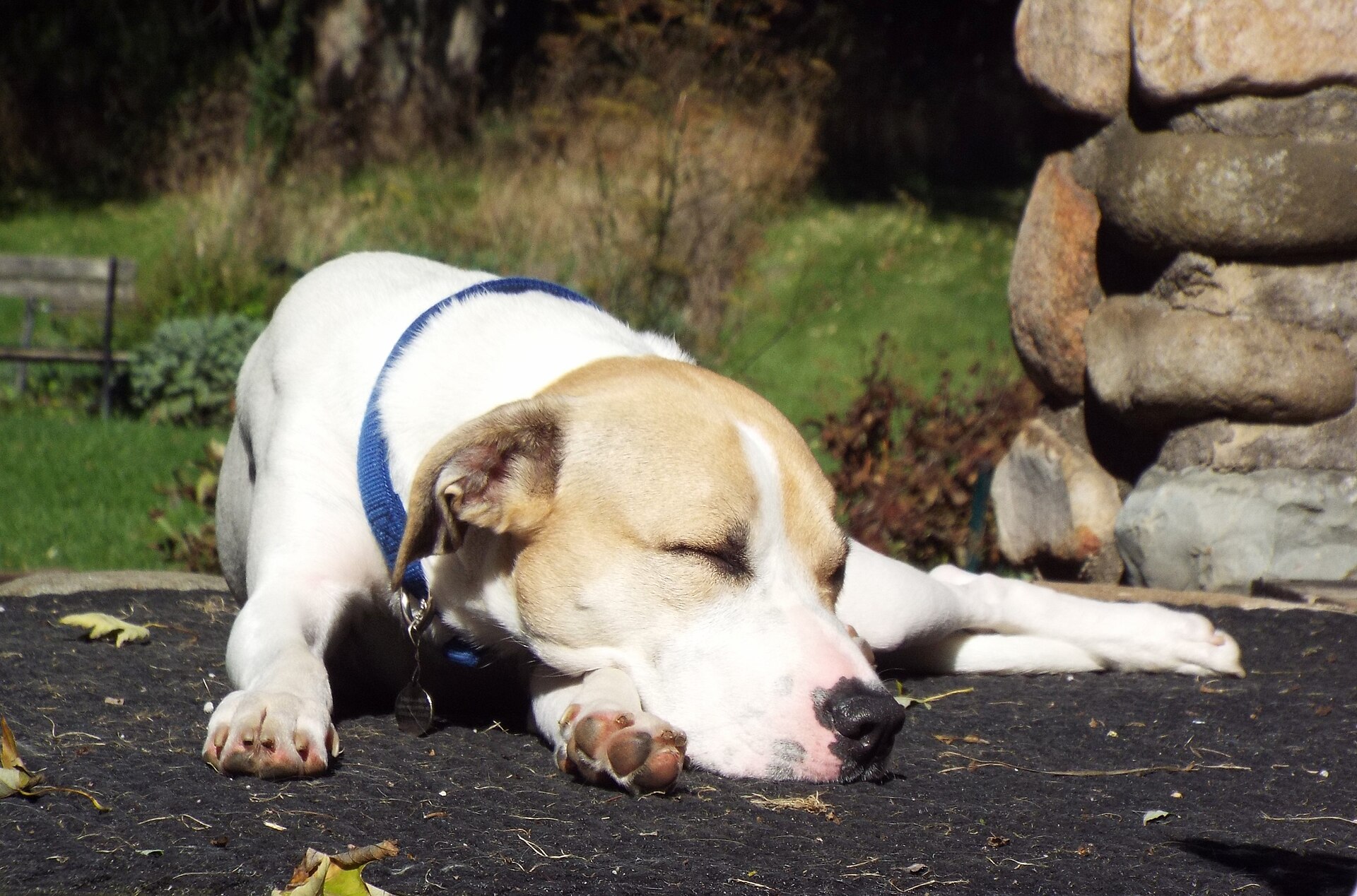
A dog sleeping in warm autumn sunlight, fully settled into rest. Photograph: the sleeping dog
Image Credits: Wikimedia Commons
A sigh is a long, audible breath out, deeper than an ordinary breath. In dogs it often arrives at the exact moment of settling, when the body shifts from activity to rest. That timing is the first clue to what the sound means.
The sound itself is not one message with one meaning. Dogs sigh when they are pleased, tired, frustrated, or uncomfortable, and the surrounding body language separates those cases. This article explains what a sigh is, why lying down triggers it, how to read the common meanings, and when to check with a vet.
What a sigh actually is
A sigh is a deep breath in followed by a long breath out, and it serves a physical purpose as well as an emotional one. Linda Simon, a member of the British Royal College of Veterinary Surgeons, explains that sighing is thought to reinflate alveoli, the tiny air sacs in the lungs, that have collapsed. Those sacs exchange oxygen and carbon dioxide in the blood, so a periodic deep breath helps keep breathing efficient.
Humans sigh for similar reasons, which is why the sound feels so familiar to owners. Research on human sighing has also linked the breath to resetting emotional states after stress or overstimulation. Dogs cannot describe their feelings, so owners must read the rest of the body to judge which kind of reset a sigh represents.
A single sigh at bedtime is ordinary in most healthy dogs. Repeated sighing through the day, especially with other changes, is a different pattern and deserves attention.
Why lying down triggers the sigh
Lying down is a transition, not just a position. The dog stops monitoring the room, stops moving, and lets muscle tension drop, and the sigh often marks that switch. Rover notes that dogs sigh when relaxing after a long day of play, and that the sound frequently arrives just as the dog gets into bed.
The moment of settling also changes how the body sits. Weight shifts onto the chest and sides, breathing slows, and a deep exhale can follow naturally. Older dogs may add a groan to the sigh as joints bend and weight settles, which can reflect stiffness rather than emotion.
Some dogs also sigh after the effort of finding the right spot. Circling, pawing, and repositioning all spend energy, and the final flop onto the bed can end with an audible release. The pattern matters more than any single sound: a sigh that comes once, followed by stillness and sleep, reads very differently from sighing that repeats every few minutes.
Contentment: the most common meaning
Contentment is the meaning owners hope for, and it is also the most common one. The American Kennel Club reports that a sigh combined with half-closed eyes communicates pleasure, while a sigh with fully open eyes can communicate disappointment. That eye clue is the simplest test an owner can use at home.
A contented dog usually shows a loose body, soft ears, and a relaxed mouth. The head may rest on the paws, the tail lies still or wags slowly, and the dog drifts toward sleep within minutes. The sigh in this picture is short, unforced, and followed by calm.
Context strengthens the reading. A sigh after a walk, a play session, or a belly rub fits a dog winding down from something enjoyable. Rover points out that dogs also sigh when they are tired after a full day, so fatigue and pleasure often arrive together in the same breath.
Frustration, boredom, and attention seeking
Not every sigh is happy. A sharp sigh after a denied treat, a cancelled walk, or an ended petting session can signal mild frustration. The American Kennel Club notes that a sigh with fully open eyes can communicate disappointment, as if the dog is saying that play is not going to happen after all.
Boredom produces a similar sound in some dogs, especially when the household quiets down and nothing interesting is on offer. The dog may sigh, look toward the owner, and wait for a reaction. Dogs also learn quickly: if sighing reliably earns petting, talking, or a treat, some dogs will repeat it on purpose.
The distinction lies in what follows the sigh. A frustrated dog may turn away, avoid eye contact, or stare at the door or the treat cupboard. An attention-seeking dog watches the owner for a response, while a contented dog simply closes its eyes and rests.
When a sigh may mean pain or illness
A sigh can also be a response to discomfort, and this is the meaning owners should not miss. Dogs with sore joints may sigh or groan as they lower themselves down, hesitate before lying, or shift position repeatedly. Stiffness after rest, limping, and slower movement are the companion signs to watch for.
Breathing problems change the picture further. Rapid breathing at rest, coughing, wheezing, or visible effort in the chest suggests something beyond a normal sigh. Bark and Whiskers reports that a healthy dog at rest breathes roughly 15 to 30 times per minute, and that faster or labored breathing at rest deserves a phone call to the vet.
Heart and lung conditions can make lying flat harder, because fluid or pressure changes how the lungs expand. A dog that sighs loudly every time it lies down, refuses to settle, or pants through the night should be seen promptly. Sudden changes carry more weight than long-standing habits: a new sighing pattern in an older dog is worth reporting even if the dog still eats and walks.
How to read your own dog
Start with the whole dog, not the sound alone. Note the eyes first, since half-closed lids suggest pleasure and wide-open eyes suggest disappointment or alertness. Then check the body: loose muscles and a soft mouth point to relaxation, while tense legs, pinned ears, or a tucked tail point to stress or pain.
Next, note the timing. A sigh after exercise or play leans toward tiredness and relief. A sigh after a refused request leans toward frustration.
A sigh that appears at the same point in every settling routine, with stiffness or hesitation, leans toward physical discomfort.
Keep a short mental log if the pattern is new. Record when the sighing happens, what came before it, and whether movement, appetite, or sleep changed at the same time. That record gives a vet something concrete to work with, instead of a vague worry about a sound.
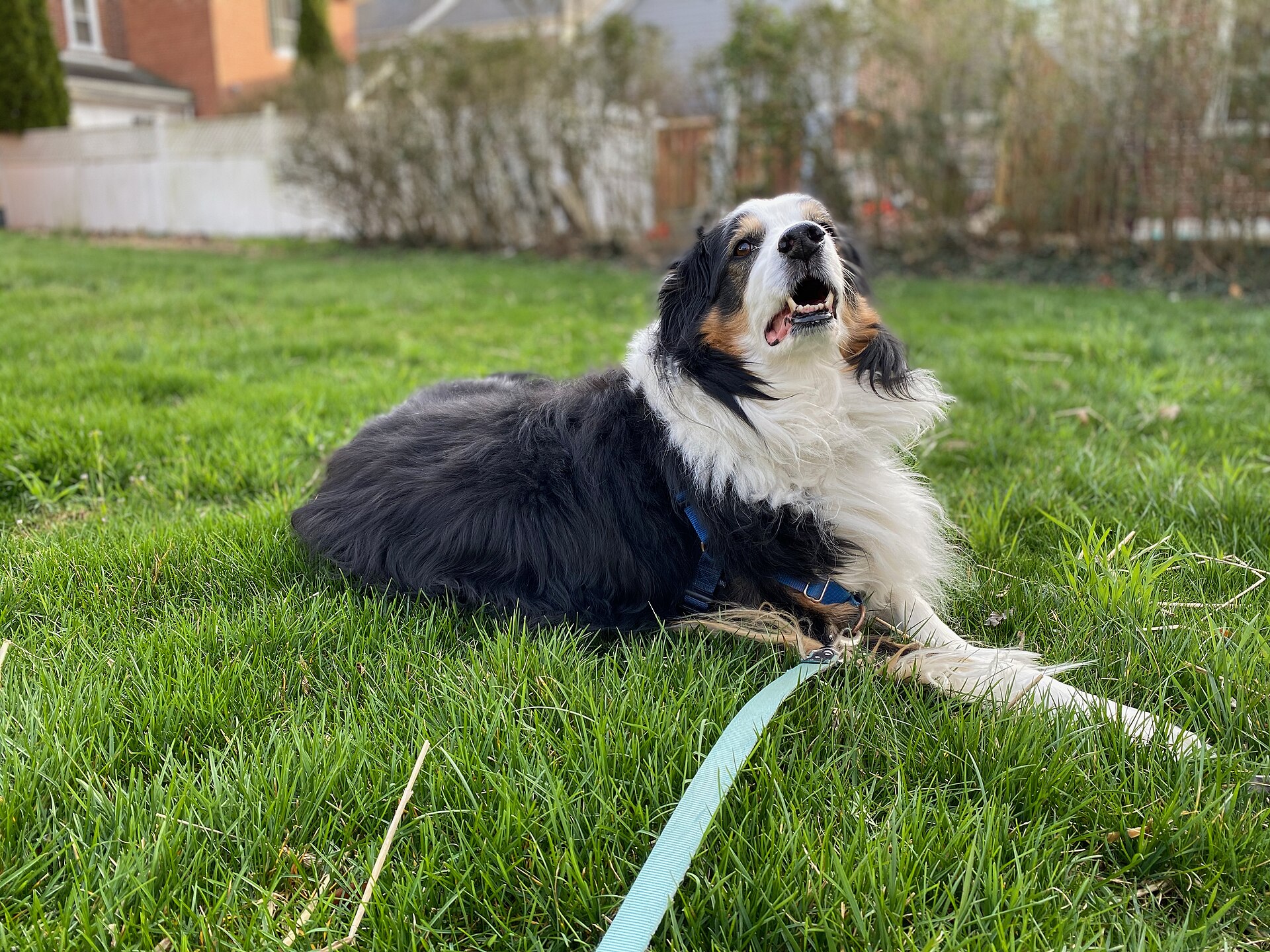
An English Shepherd resting in long grass with a relaxed posture. Photograph: the resting shepherd dog
Image Credits: Wikimedia Commons
Frequently asked questions
Is it normal for a dog to sigh every time it lies down?
Yes, in many dogs it is normal, especially if the sigh comes once and the dog then rests quietly. A regular sigh at bedtime usually reflects the shift from activity to rest. The habit becomes a concern only when it starts suddenly, grows frequent, or arrives with stiffness, coughing, or restlessness.
Do puppies sigh more than older dogs?
Puppies sigh often because they cycle quickly between wild play and deep sleep, and the sigh marks the crash between those states. Older dogs sigh for a different reason, since stiff joints and tired muscles make settling a bigger event. Age alone does not explain a new pattern, so any sudden change still deserves a note for the vet.
Can a dog sigh because it wants attention?
Yes, dogs can learn that sighing earns a reaction, just as they learn that barking or pawing earns one. If the sigh is followed by eye contact with the owner and a wait for petting, attention may be part of the motive. Ignoring the performance calmly, while still meeting the dog's real needs for play and rest, usually reduces the habit.
Should I comfort my dog when it sighs?
A calm word or a gentle pat does no harm when the dog is clearly relaxed. If the sigh sounds frustrated, comfort is still fine, but avoid immediately giving the denied treat or walk, since that teaches the sigh as a bargaining tool. If the sigh comes with signs of pain or breathing trouble, comfort matters less than a vet visit.
The bottom line
A loud sigh when your dog lies down is usually a small piece of everyday communication, not a warning. Read the eyes, the body, and the timing, and most sighs resolve into contentment, tiredness, or mild frustration. When the sound changes suddenly or travels with stiffness, labored breathing, or restlessness, treat it as information worth passing to a vet.
Tags: dog behavior, dog sighing, pet health
Rive News is a research desk that writes plain-language explainers from public sources, with no invented experts or first-hand claims.
Related
- Why dogs circle before lying down
- Why your dog follows you everywhere
- How to tell if your pet is in pain
- Why do dogs dream and twitch in their sleep?
Subscribe for one plain-language animal behavior explainer each week.
Rive News publishes explainers from cited public sources; corrections are welcome and noted on the article.
Related stories
Why Does My Dog Eat Grass and Vomit?
A UC Davis study of 1,571 owners found grass eating is normal dog behavior, not self-medication: only 10% were ill first. What the science
Why Does My Dog Stare at Me While I Eat?
Dogs stare at you while you eat because it has worked before, and mutual gaze raises bonding hormones. Learn the reinforcement science
Foods toxic to dogs: the list, with reasons
Chocolate, xylitol, grapes, onions: common foods can harm dogs. Learn what makes each one toxic, the warning signs, and what to do if your