
Why dogs circle before lying down: instinct and warning signs
By Rive News | Research desk | Rive News | Published October 11, 2026 at 09:00 AM PKT
Key takeaways
- Circling before lying down is a normal instinct dogs inherited from wild ancestors who flattened grass and leaves into safe nests.
- Dogs also circle to scan for threats, claim their sleeping spot, and regulate body temperature by digging toward cooler or warmer ground.
- See your vet if circling is prolonged or frantic, paired with limping or stiffness, or your dog circles many spots without ever settling.
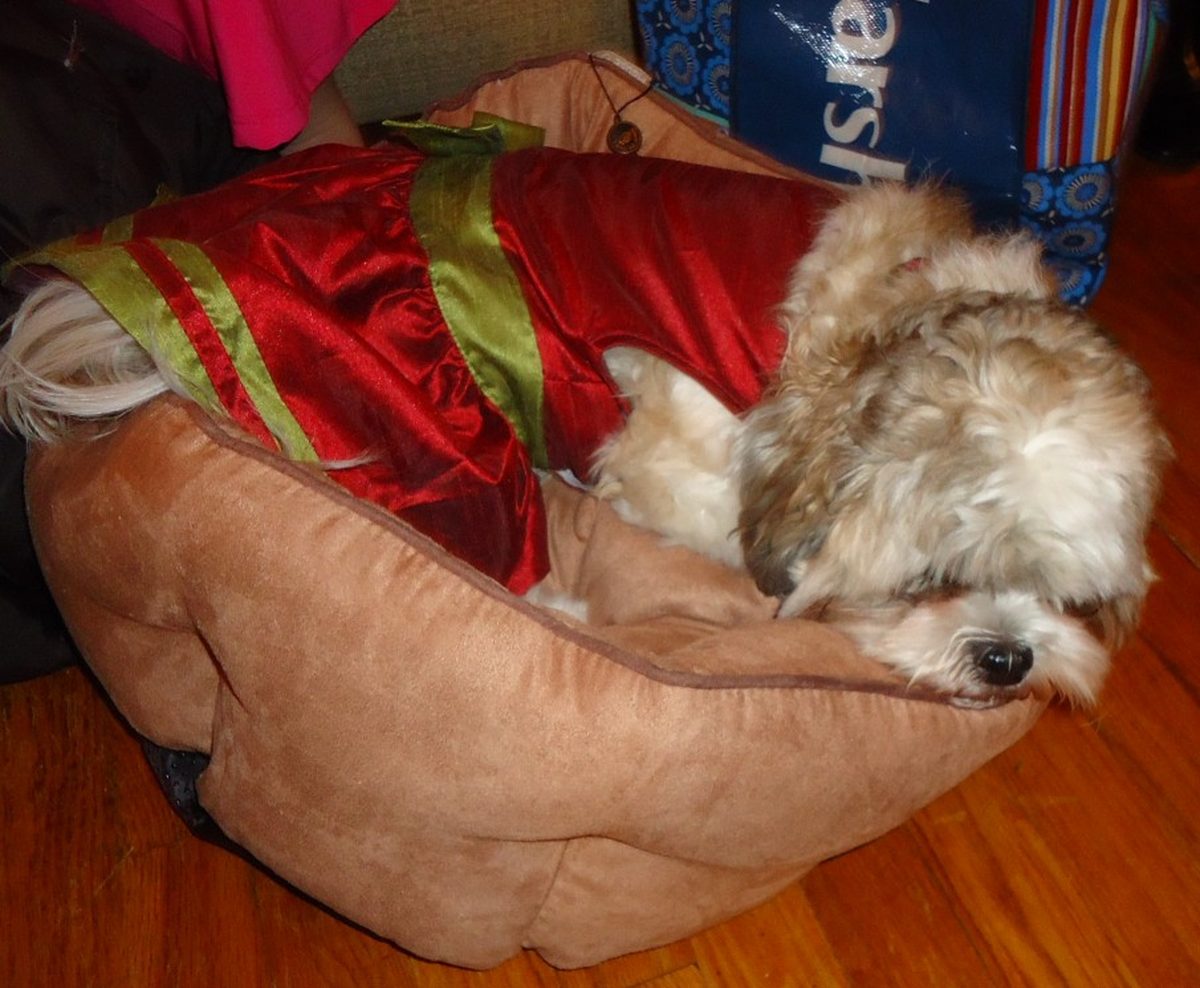
A dog rests curled in its bed after finishing the circling ritual many dogs perform before sleep.
Image Credits: Wikimedia Commons
If your dog spins in circles before flopping onto its bed, you are watching one of the oldest behaviors in the canine playbook. The dog paces a few tight turns around the sleeping spot, then drops. It looks like a quirk, but the routine has deep evolutionary roots.
This article explains why dogs circle before lying down. It covers the survival instinct behind the turns, how circling manages comfort and body temperature, when the habit signals a health problem, and how to help your dog settle.
The survival instinct behind the turns
Wild dogs and wolves never had store-bought beds. They slept on open ground and had to build a resting spot from whatever was around.
"This behavior was hard-wired into the dog's ancestors as a way to build a safe 'nest,'" said Leslie Irvine, author of "If You Tame Me: Understanding Our Connection With Animals," in a report by Live Science. Irvine, a sociologist at the University of Colorado at Boulder, told the outlet that circling would flatten grasses or snow and drive out snakes or large insects. She added that the flattened patch also left a visible sign to other dogs that the territory was claimed.
Stanley Coren, a psychologist at the University of British Columbia, described the same idea to AAAS Science Update. Turning around tramples down grass and makes the area where the dog wants to lie down smoother and more comfortable. An unusual study cited in that report found that dogs spin around more on shaggy carpets than on smooth ones before lying down, which supports the nest-building hypothesis.
The behavior also served as a final safety check. Dr. Elizabeth Stelow, DVM, DACVB and chief of the behavior service at the UC Davis School of Veterinary Medicine, told Chewy that dogs may scan for predators and hidden dangers such as snakes and insects during their turns. Some behaviorists suggest dogs also position themselves with their nose to the wind, so a shift in the breeze would carry the scent of an approaching threat.
Even the act of circling marks the spot. Dogs have scent glands in their paws, so each lap leaves a trace of their scent on the sleeping area.
That is why your dog repeats the routine on the same bed it used hours ago. As Dr. Stelow told Chewy, the behavior "appears to be instinct rather than learned, since they will circle on a bed that they may have vacated mere hours ago."
If your dog pairs circling with other classic canine quirks, such as the way dogs tilt their heads when you talk, both behaviors trace back to the same well of instinct: noticing the world carefully before reacting to it.
Comfort and body temperature control
Circling is not only about safety. It is also the dog's way of fluffing pillows it never bought.
Dr. Wailani Sung, DVM, DACVB, a board-certified veterinary behaviorist and owner of Bay Area Vet Behavior in Walnut Creek, California, told Chewy that circling helps dogs warm up or cool down. By walking in circles, the dog tramples whatever is underfoot, such as grass, leaves, or flowers. That trampled layer then acts as insulation between the dog and the cold or hot ground.
The wild versions of this trick are clever. According to a vet-reviewed article in The Spruce Pets, cited by Green Matters, wolves and coyotes circle a snowy spot for a double purpose: they clear snow from the resting area and build up a wall of snow that provides heat insulation.
In summer, the same instinct works in reverse. Circling and scratching at a patch of soil pushes aside the warm topsoil and exposes the cooler ground beneath.
How circling keeps dogs warm or cool
Dogs that feel cold may circle and wind themselves into a tight ball. The tighter they tuck, the more body heat they conserve. Dogs that feel hot do the opposite: they push bedding aside and stretch out to release heat.
If your pup has been out in the grass, circling also shakes out twigs and debris, much as dogs eat grass for reasons that are equally rooted in instinct rather than logic.
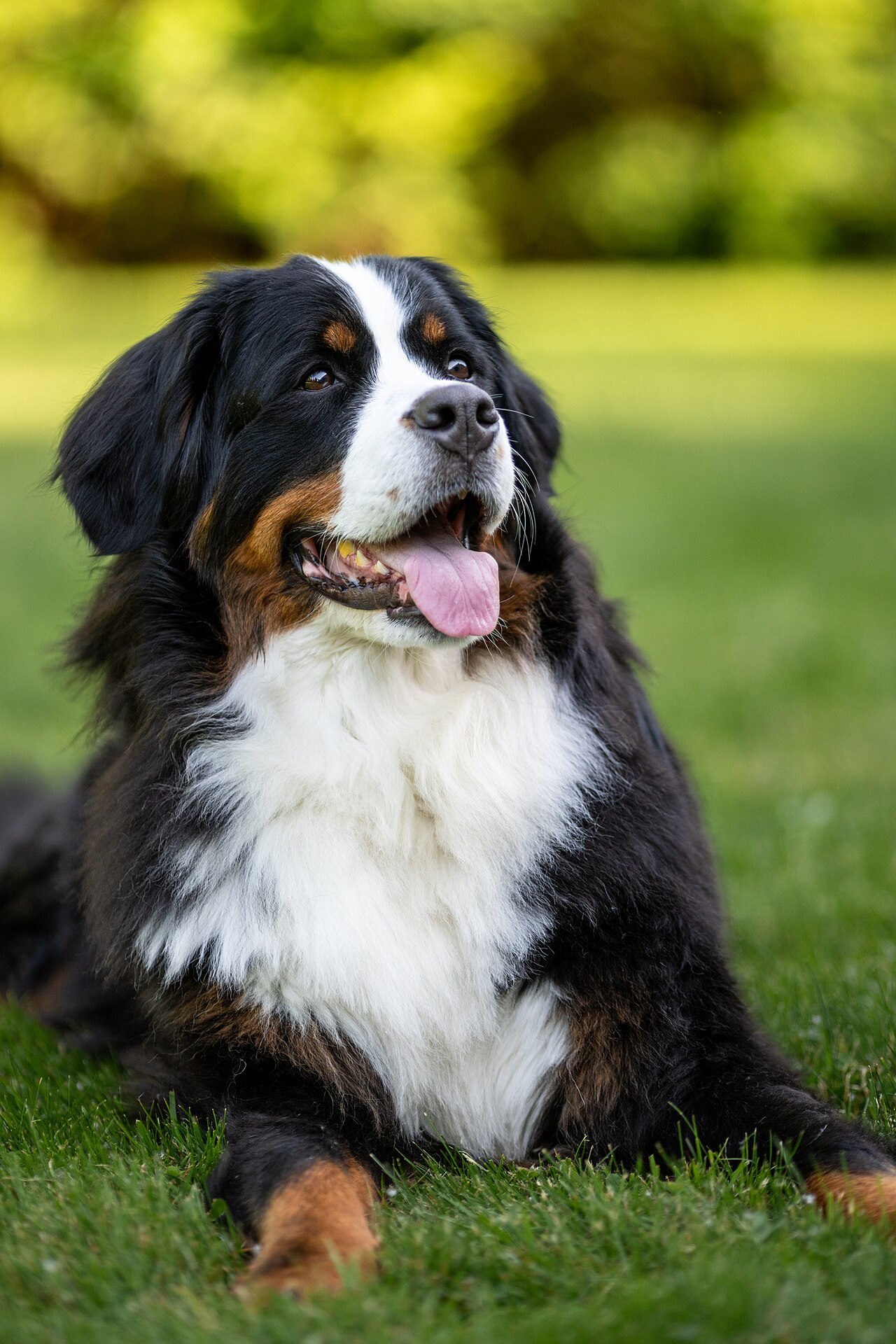
A Bernese Mountain Dog settles into the grass. Outdoors, circling flattens vegetation into a nest and helps the dog find the most comfortable resting spot.
Image Credits: Wikimedia Commons
When circling before lying down becomes a problem
For most dogs, the bedtime spin is harmless. The moment to pay attention is when the pattern changes or escalates.
Dr. Sung told Chewy that excessive spinning may point to anxiety, arthritis, cognitive decline, or a compulsive disorder. She recommended a vet visit if your dog shows any of these signs: the dog circles in multiple spots but cannot settle, makes frustration or pain-related vocalizations while circling, lies down briefly and then gets up to circle again, circles for a prolonged period, shows physical changes like limping or stiffness, or cannot be interrupted or redirected from the circling.
Dr. Stelow pointed to a practical aid for senior dogs: orthopedic beds, which can make a real difference for dogs that struggle to get comfortable because of arthritis and joint issues.
Green Matters, citing the same vet-reviewed Spruce Pets article, drew the same line from a different angle. On the physical side, prolonged bed circling may signal osteoarthritis. On the neurological side, it may indicate obsessive-compulsive disorder.
Neither diagnosis can be made from watching alone, which is why a vet exam matters.
Note that this article is general information, not medical advice. If your dog's circling has changed suddenly, become frantic, or comes with whining, limping, or confusion, call your veterinarian rather than waiting to see if it passes.
How to help your dog settle
Most dogs need nothing more than their usual bed and routine. If your dog circles normally and sleeps soundly, the behavior needs no fixing.
For older dogs that circle longer than they used to, comfort comes first. An orthopedic or memory-foam bed gives arthritic joints more support than a thin mat. Washable bedding matters too, since dogs that circle more tend to stir up dust and dander.
Our guide on how often you should really bathe a dog can help you set a routine that matches your dog's coat.
If the circling looks driven by nerves rather than pain, Dr. Sung told Chewy that an extra walk or a slightly longer play session can help. Short training sessions that teach new tricks can also reduce anxiety and build confidence. Keep bedtime calm and predictable: same spot, same routine, no late-night ruckus.
Watch for red flags and keep notes. If your dog suddenly starts circling in every room, whines while turning, or cannot settle anywhere, write down when it started and what changed. That log will help your vet separate a quirk from a symptom faster than a guess made in the exam room.
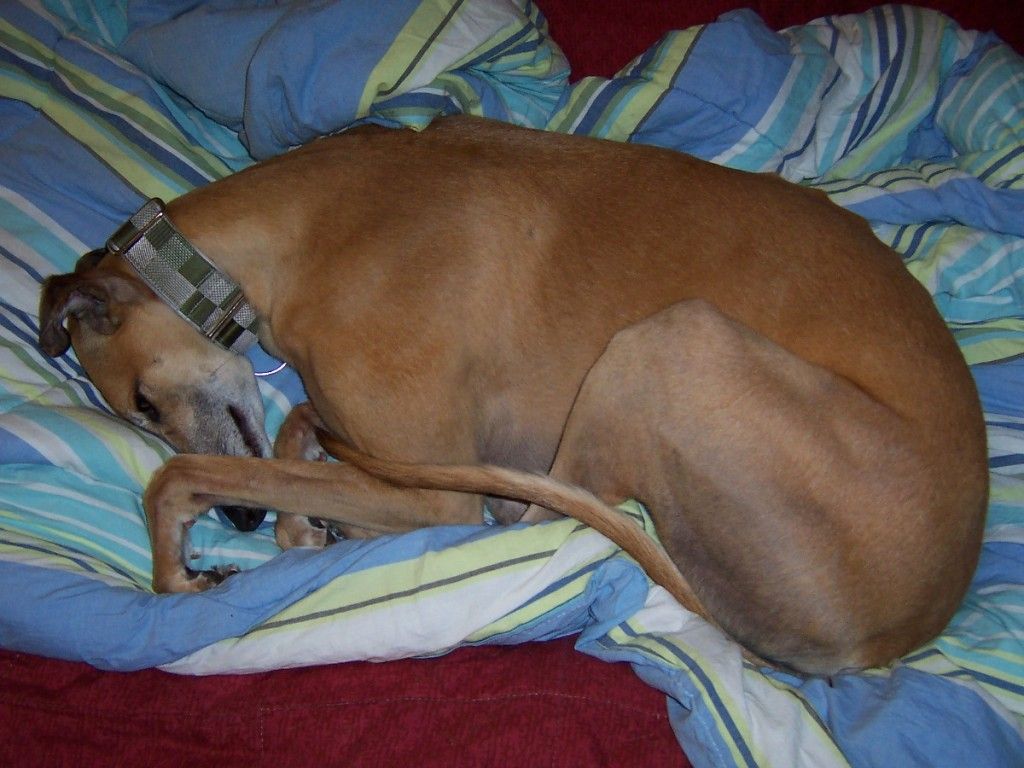
A greyhound curls into a tight ball to sleep. Circling into this position helps dogs conserve body heat, a habit carried over from wild ancestors.
Image Credits: Wikimedia Commons
Why does my dog circle three times before lying down?
There is no set number of turns. Chewy reports that some dogs circle once, others several times, and some do not circle at all. The number depends on the individual dog and whether it has found a comfortable sleeping spot.
Is it normal for dogs to circle before they sleep?
Yes. Board-certified veterinary behaviorists interviewed by Chewy call it a totally normal, instinctive behavior passed down from dogs' wolf ancestors. It becomes worth a vet visit only when it is excessive, frantic, or paired with signs like limping or stiffness.
Why does my dog dig at his bed before lying down?
Digging is part of the same nesting instinct. In the wild, dogs dug to shape their sleeping spot, and the motion helps regulate temperature: exposing cooler soil in summer or hollowing out an insulated pocket in winter. Indoors, most dogs are simply arranging their bedding to taste.
Why do dogs circle before they poop, too?
Some dogs circle before pooping to find a comfortable spot and confirm the coast is clear, since squatting leaves them vulnerable. Chewy's behaviorists note the same logic behind the bedtime spin: check that the spot is safe before committing.
What should I do if my dog keeps circling and cannot get comfortable?
Book a vet visit. Note when the change started, how long the circling lasts, and any accompanying signs such as whining, stiffness, or disorientation. Avoid giving pain medication without veterinary guidance, since many human painkillers are unsafe for dogs.
The bottom line: watch the ritual, act on the changes
Circling before lying down is one of your dog's oldest instincts: a nest-building, safety-checking, temperature-tweaking routine inherited from wild ancestors. A few calm turns before sleep are completely normal and need no intervention.
The practical next step is simple. Enjoy the ritual, but treat any sudden change as information. If the circling gets longer, frantic, or painful, call your vet and bring your notes.
And if your dog's pre-bedtime routine includes following you from room to room first, you may also want to read why your dog follows you everywhere to understand the full bedtime package.
Rive News is a research desk covering pet behavior, health, and care, with every factual claim traced to a named public source.
Latest in Pets
- Why Your Dog Follows You Everywhere: 5 Reasons Explained
- How Often Should You Bathe a Dog? Vet Guidance by Coat Type
- Why dogs bark at some strangers but not others: triggers
- Why Do Dogs Tilt Their Heads When You Talk?
Get the weekly pet behavior briefing in your inbox. Subscribe for one practical dog tip every Sunday.
(c) 2026 Rive News. All rights reserved.
Related stories

Why Does My Dog Eat Grass and Vomit?
A UC Davis study of 1,571 owners found grass eating is normal dog behavior, not self-medication: only 10% were ill first. What the science r

Why Does My Dog Stare at Me While I Eat?
Dogs stare at you while you eat because it has worked before, and mutual gaze raises bonding hormones. Learn the reinforcement science and w

Foods toxic to dogs: the list, with reasons
Chocolate, xylitol, grapes, onions: common foods can harm dogs. Learn what makes each one toxic, the warning signs, and what to do if your d