
Why dogs sneeze when they get excited during play
By Rive News / Research desk | Rive News / Published October 27, 2026 at 9:00 AM PKT
Key takeaways
- A short, dry sneeze during play is often a social signal that the game is friendly, not a fight.
- Fast breathing, dust, and nose-to-nose play can also trigger sneezing, so context matters more than the sound alone.
- Frequent sneezing, discharge, or breathing trouble is different, and a veterinarian should check it.
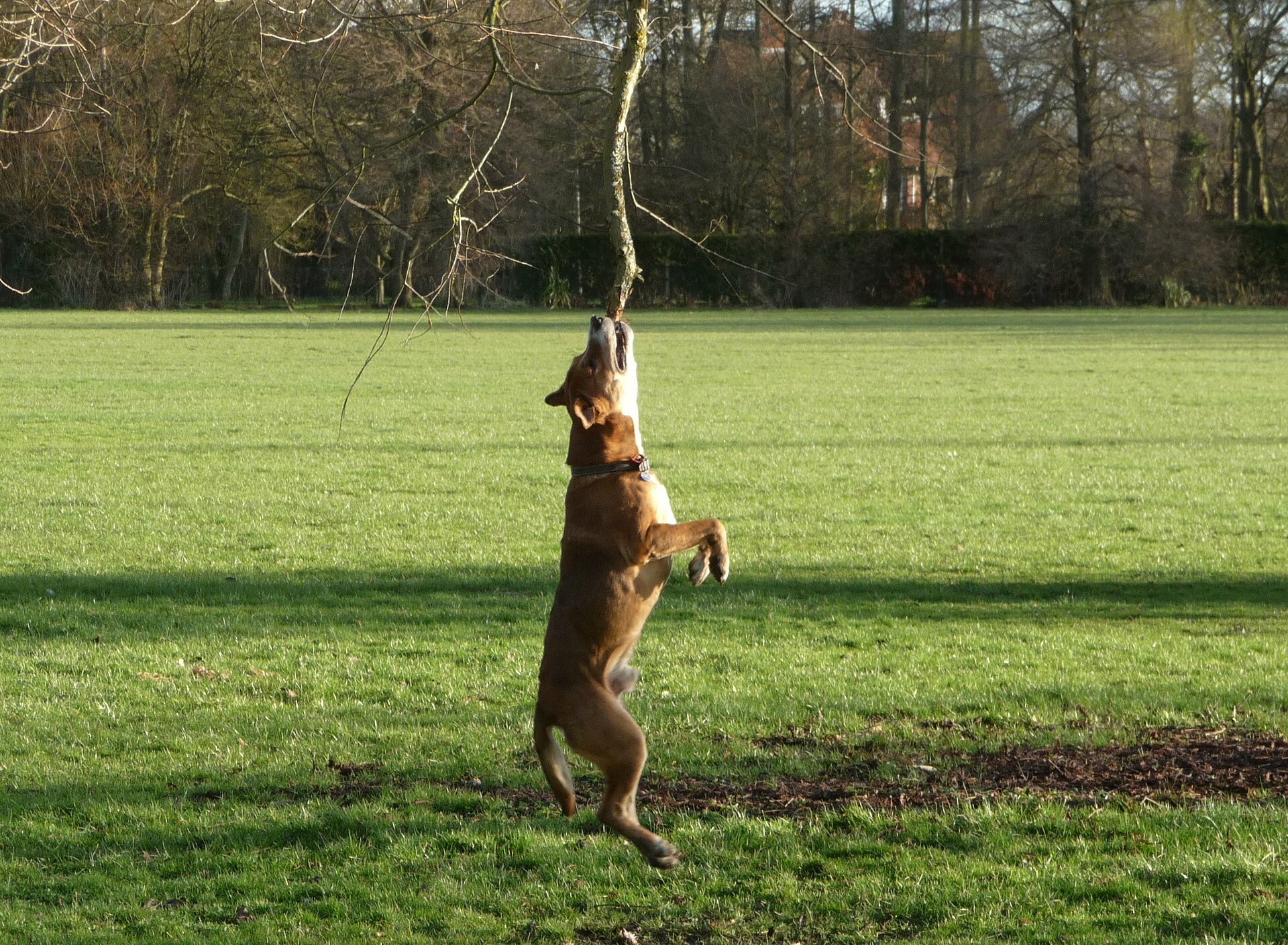
[A dog playing in a meadow.] Photograph: a dog at play
Image Credits: Wikimedia Commons
A play sneeze is a short, dry sneeze that appears in the middle of a game and does not stop the game. It differs from the forceful sneeze that clears dust or mucus from the nose, because the dog usually returns to play at once and shows no sign of discomfort.
This article explains why dogs sneeze when they get excited, including play signals, reverse sneezing, irritants in the nose, and warning signs that need a veterinarian.
What a play sneeze looks like
A play sneeze is usually small and delicate, with little head movement and no nasal discharge. Rover describes it as a common behaviour in all dogs, and notes that it is more frequent in active and toy breeds.
The dog often sneezes once or twice, then keeps its body loose and returns to the game. A loose body, a wagging tail, and a willingness to keep playing all point toward a social sneeze rather than distress.
By contrast, an irritant sneeze tends to be forceful and may come with head shaking, pawing at the nose, or sniffing the ground afterward. That pattern suggests something is bothering the nose, even if the dog was playing a moment earlier.
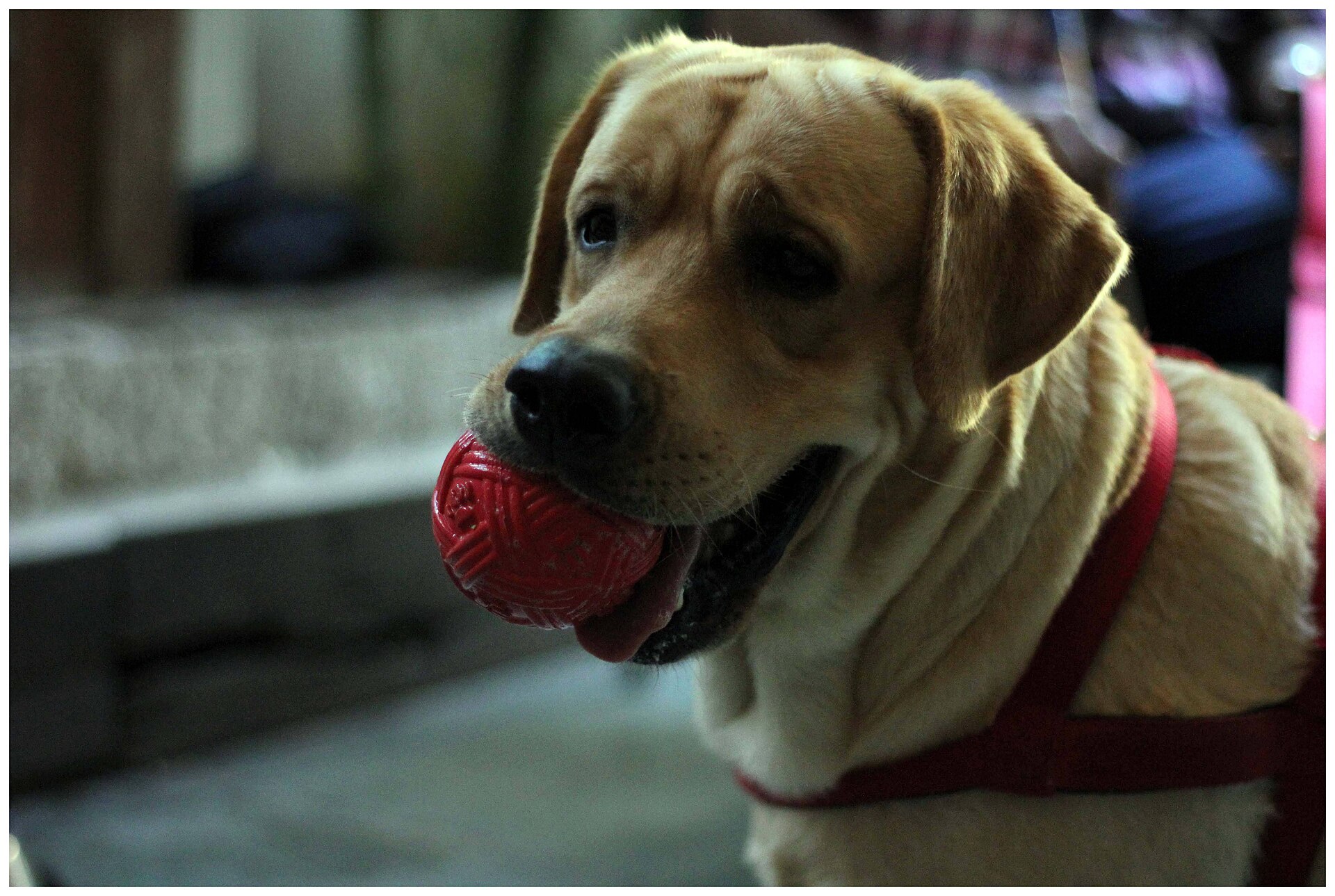
[A dog playing with a ball.] Photograph: a dog at play
Image Credits: Wikimedia Commons
Why excitement itself can trigger a sneeze
Excitement changes how a dog breathes. Breathing gets faster and less regular during rough play, and that faster airflow can irritate the nasal passages and set off a sneeze.
Play also puts noses close together. Dogs bump noses, wrestle, and run through grass and dust, so small particles can reach the nose at the same time as excitement peaks.
Some dogs appear to use the sneeze as a signal to the other dog. Chinonyerem Ukweni, a veterinarian, told Rover that a play sneeze can tell another dog that the interaction means no harm, saying, "This signal keeps playtime friendly and safe."
That idea fits a wider pattern in dog communication. Dogs use play bows, pauses, and changes in posture to keep a game from turning tense, and a sneeze can work as one more small reset in that sequence.
The calming signal idea
Trainers who study dog communication describe calming signals as small behaviours dogs use to lower the emotional temperature of an interaction. Turid Rugaas, a Norwegian dog trainer, documented sneezing among the signals dogs use during social encounters, according to reporting on play sneezing.
In this reading, the sneeze says something like this: the game is intense, but it is still friendly. It does not mean the dog wants to stop, and it does not mean the dog is angry.
Owners sometimes notice the same sneeze when a dog wants attention. A dog may look at its owner, tilt its head, and give a soft sneeze before barking or pawing, which suggests the sound can also work as a request.
The honest limit here is that one sneeze cannot be translated on its own. The same sound can mean different things in different scenes, so the body language around it carries more weight than the sneeze itself.
Reverse sneezing is a different sound
Reverse sneezing sounds alarming, but it is a different reflex from an ordinary sneeze. Instead of forcing air out through the nose, the dog draws air in rapidly, producing a snorting or honking sound.
Trupanion explains that reverse sneezing happens when the area behind the nasal cavities, called the nasopharynx, becomes irritated. Triggers listed by veterinary sources include dust, pollen, perfume, excitement, eating or drinking too quickly, and pulling hard on a leash.
During an episode, the dog may stretch its neck forward, flare its nostrils, and close its mouth. Episodes usually last a few seconds to under 2 minutes, according to Trupanion, and the dog then returns to normal as if nothing happened.
Small and flat-faced breeds, such as pugs, French bulldogs, and boxers, are more prone to reverse sneezing because of the shape of their nasal passages and soft palates, according to Whitney Vet. That breed pattern helps explain why some dogs reverse sneeze often while others rarely do.
How to read the whole scene
Start with what happened just before the sneeze. A sneeze that follows a play bow, a chase, or a sudden burst of energy fits the play pattern, especially if both dogs stay loose and keep taking turns.
Next, watch what happens after the sneeze. A dog that pauses for a beat and then re-engages is sending a very different message from a dog that freezes, turns away, or tries to leave the game.
Also check the nose and breathing. A dry, single sneeze with normal breathing afterward is less worrying than repeated sneezing with discharge, coughing, or noisy breathing that does not settle.
Finally, consider the setting. A dusty field, a freshly cleaned room, or a strong air freshener can all irritate a nose, and removing the dog from that setting may stop the sneezing.
When sneezing needs a veterinarian
Most play sneezes need no treatment at all. The dog is communicating, clearing a minor irritation, or both, and the episode passes without help.
Book a veterinary visit if sneezing becomes frequent, lasts for days, or comes with discharge, blood, swelling, coughing, or trouble breathing. Those signs can point to infection, allergies, a foreign object in the nose, or, rarely, a growth.
A video of the episode can help a veterinarian tell a play sneeze from reverse sneezing or a medical problem. Film the dog from the side if it is safe to do so, and note what the dog was doing just before the sound started.
Do not try to force a sneezing dog to keep playing, and do not punish the sound. If the dog wants a break, give it one, and let the game restart only when the dog chooses to re-engage.
The bottom line
A sneeze during play is usually a normal part of how dogs talk to each other and manage excitement. It can be a social signal, a response to fast breathing, or a reaction to dust and grass, and often it is a mix of all three.
Read the body, not just the noise. A loose dog that sneezes and keeps playing is almost certainly fine, while a dog that sneezes again and again, or shows other symptoms, deserves a veterinary check.
Tags: dogs, dog behaviour, play
Rive News is a research desk that explains everyday animal behaviour from veterinary and behaviour sources, without claiming first-hand clinical experience.
Related
- Why Do Dogs Tilt Their Heads When You Talk?
- Why Does Your Dog Follow You Everywhere?
- Why Does My Dog Get the Zoomies After a Bath?
- How to Tell If Your Pet Is in Pain
Subscribe to Rive News for one plain-English explainer each day.
Rive News publishes research-based explainers; facts are attributed to named sources, and corrections are welcomed.
Related stories
Why Does My Dog Eat Grass and Vomit?
A UC Davis study of 1,571 owners found grass eating is normal dog behavior, not self-medication: only 10% were ill first. What the science
Why Does My Dog Stare at Me While I Eat?
Dogs stare at you while you eat because it has worked before, and mutual gaze raises bonding hormones. Learn the reinforcement science
Foods toxic to dogs: the list, with reasons
Chocolate, xylitol, grapes, onions: common foods can harm dogs. Learn what makes each one toxic, the warning signs, and what to do if your