
What to feed a stray cat that shows up at your door
By Rive News / Research desk | Rive News / Published October 25, 2026 at 9:00 AM PKT
Key takeaways
- Put down fresh water first, then a small bowl of plain wet or dry cat food.
- Skip cow's milk, because most adult cats cannot digest lactose well.
- If the cat looks sick, injured, or very young, contact a local shelter or vet.
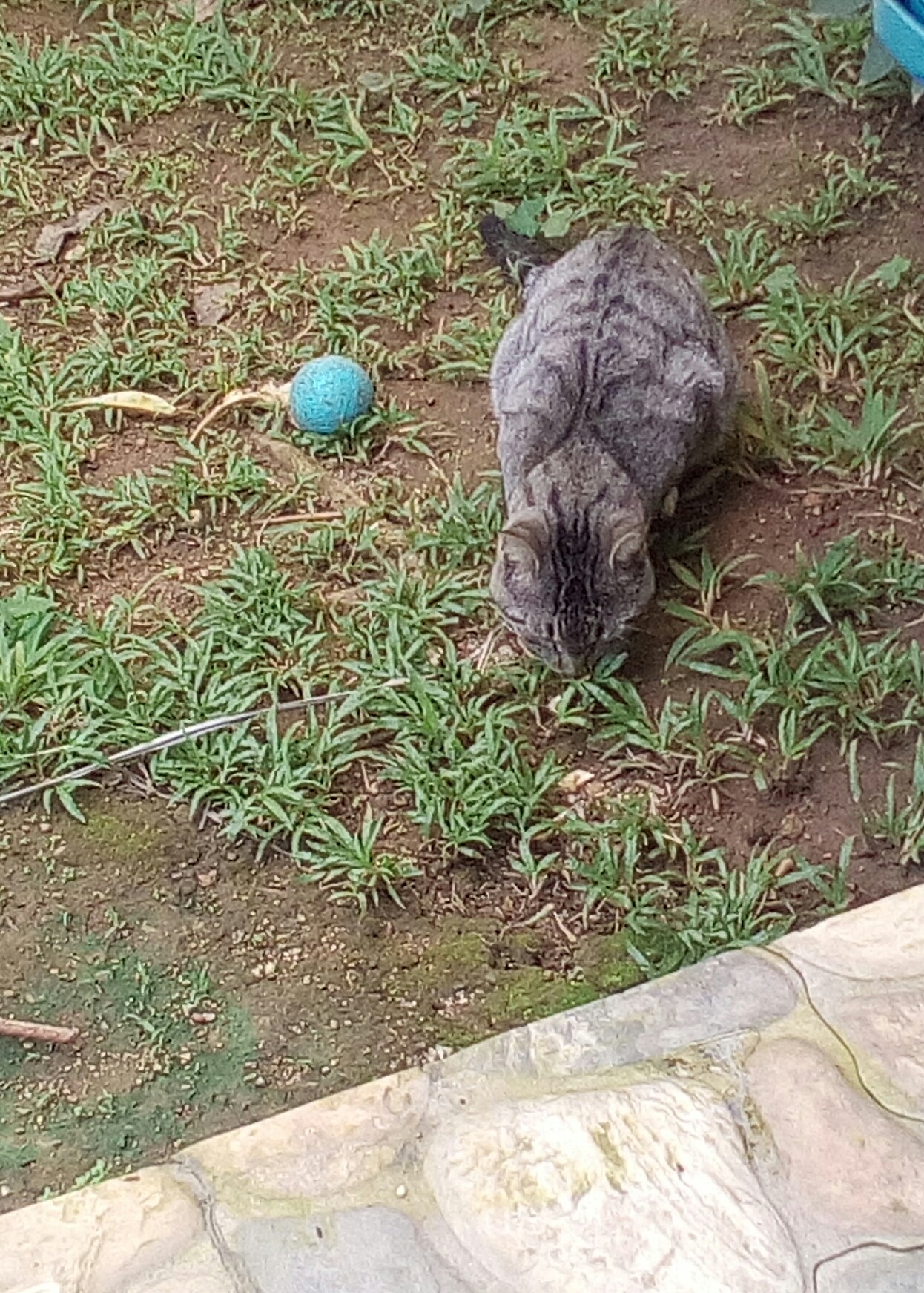
[A stray cat eating outdoors, head down over its food.] Photograph: Stray cat eating
Image Credits: Wikimedia Commons
A stray cat is a cat living without a regular home or owner. It may be lost, abandoned, or born outdoors and used to fending for itself. This article explains what to feed a stray cat that shows up at your door, including the first bowl to offer, the foods to avoid, and what to do next.
Start with water, not food
Water comes before anything else. A cat that has been outdoors may be thirsty, and dehydration is a bigger short-term risk than one missed meal. Put a clean bowl of fresh water in a quiet spot near where the cat appeared, away from busy paths.
Change the water daily. A dirty bowl can carry bacteria, and stale water puts cats off drinking. In cold weather, check the bowl more often, since a frozen bowl helps no one.
Milk is not a substitute for water. The familiar image of a cat lapping a saucer of milk is misleading, and it is the single most common mistake people make here.
Why milk is a bad first move
Most adult cats are lactose intolerant. After weaning, a cat's body produces less lactase, the enzyme that breaks down lactose, the sugar in milk. The American Society for the Prevention of Cruelty to Animals (ASPCA) advises against feeding milk to cats as a treat or as a substitute for water, because cats do not possess significant amounts of lactase.
The result is usually digestive upset rather than disaster. Diarrhoea, gas, and stomach discomfort are the typical effects, and a stray cat that is already run down can ill afford fluid loss from diarrhoea. Cat Behavior Associates notes that milk should never replace water, and that offering milk instead of water can leave a cat dehydrated.
Special "cat milk" sold in pet shops is a different product. It is formulated with reduced lactose, and it is sold as an occasional treat, not as hydration. For a stray at your door, plain water is still the better and cheaper choice.
The safest first meal
If you have cat food, that is the best first meal. A small portion of wet cat food is ideal, because it also adds moisture to the cat's diet. Dry kibble works well too, and it keeps longer outdoors if the cat is shy and eats only after you leave.
Start small. A hungry stray may bolt food and then vomit, so a modest first portion is kinder than a heaped bowl. You can offer more once the cat has eaten calmly and kept it down.
Put the food in a shallow, clean bowl. Place it in a sheltered spot where the cat can eat without feeling cornered, and step back so the cat approaches on its own terms. A frightened cat will not eat while a stranger stands over the bowl.
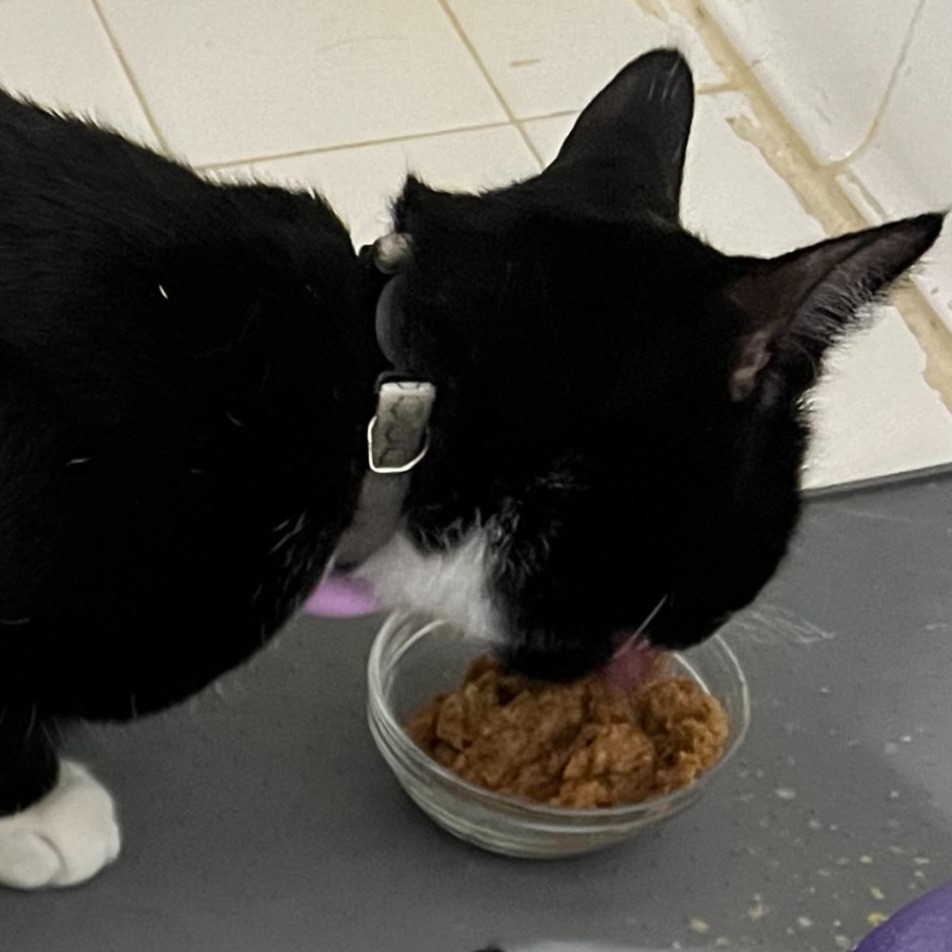
[A cat eating wet food, a good first meal for a stray.] Photograph: Cat eating wet cat food
Image Credits: Wikimedia Commons
If you have no cat food in the house
Plain cooked meat is the best stand-in. Cooked chicken, turkey, or beef with no seasoning, no bones, and no skin will suit a cat's meat-based diet. Cats are obligate carnivores, which means they need nutrients found in animal tissue to stay healthy.
Canned tuna in water, drained, is another acceptable emergency option. Keep the portion small and do not make it a daily habit, since tuna alone is not a complete diet for cats. Avoid tuna packed in oil or brine, and avoid anything seasoned.
Plain cooked rice or sweet potato can bulk out a meal for a very hungry cat, but these are fillers, not the main event. A cat cannot live on rice and vegetables, and a meat-free bowl is not a kindness.
Foods to avoid
Some everyday foods are toxic or harmful to cats. The RSPCA South Australia guide lists avocado, chocolate, cooked bones, grapes, and onions as foods a cat should never eat, warning that these can make cats very sick and could be deadly.
Onions and garlic belong on the same banned list. Both can damage a cat's red blood cells, and they hide in many seasoned leftovers, sauces, and processed meats. Spicy food, salty snacks, and rich curries are also out.
Do not feed dog food as a regular solution. Dog food lacks nutrients cats need, including enough of the amino acid taurine, and a cat fed only dog food over time can develop serious deficiencies. One emergency mouthful will not cause harm, but it is not a plan.
Cooked bones are dangerous because they can splinter. Raw meaty bones are sometimes recommended by vets for owned cats, but a stray you cannot examine is not the right candidate for experimenting, so keep bones out of the bowl entirely.
How much and how often
A typical adult cat eats roughly two meals a day when fed at home. For a stray, one measured meal a day is a reasonable starting point, with water always available. Watch whether the cat finishes the food, and adjust the portion so little is left sitting out.
Do not leave food out overnight. Uneaten food attracts rats, insects, and other animals, and it spoils fast in warm weather. Feed during daylight, then pick up the bowl and wash it.
A regular feeding time helps in another way. If the cat learns when food appears, it becomes easier to observe, and easier to catch humanely later if it needs vet care or a shelter place.
Kittens need different handling
A tiny kitten on its own is a different situation from an adult stray. Very young kittens cannot regulate their own temperature and need frequent feeding, and cow's milk is especially risky for them because it can cause diarrhoea and dehydration.
If the kitten's eyes are still closed or it cannot walk steadily, it likely needs its mother or specialist care. Kitten milk replacer, sold at pet shops, is the correct substitute, not cow's milk. Contact a shelter or vet promptly rather than trying to raise a newborn on kitchen ingredients.
Watch first before picking up kittens. A mother cat often leaves her kittens briefly to hunt, and well-meaning rescue can separate a family that was doing fine. If the kittens are in a safe spot and look clean and warm, observe from a distance for a few hours before intervening.
When the cat may be someone's pet
Not every cat outdoors is a stray. A clean, well-fed cat wearing a collar may be a neighbour's pet out on a wander, and feeding it regularly can lure it away from home. Before settling into a feeding routine, ask around the neighbourhood and check local lost-pet notices.
Look for signs of ownership or distress. A collar, a friendly and relaxed manner, and a healthy coat point toward an owned cat. Matted fur, visible ribs, wounds, or a cat that is weak and unsteady point toward a cat that genuinely needs help.
If you can do so safely, a vet or shelter can scan for a microchip. That scan is free in many places and is the fastest way to reunite a lost cat with its owner.
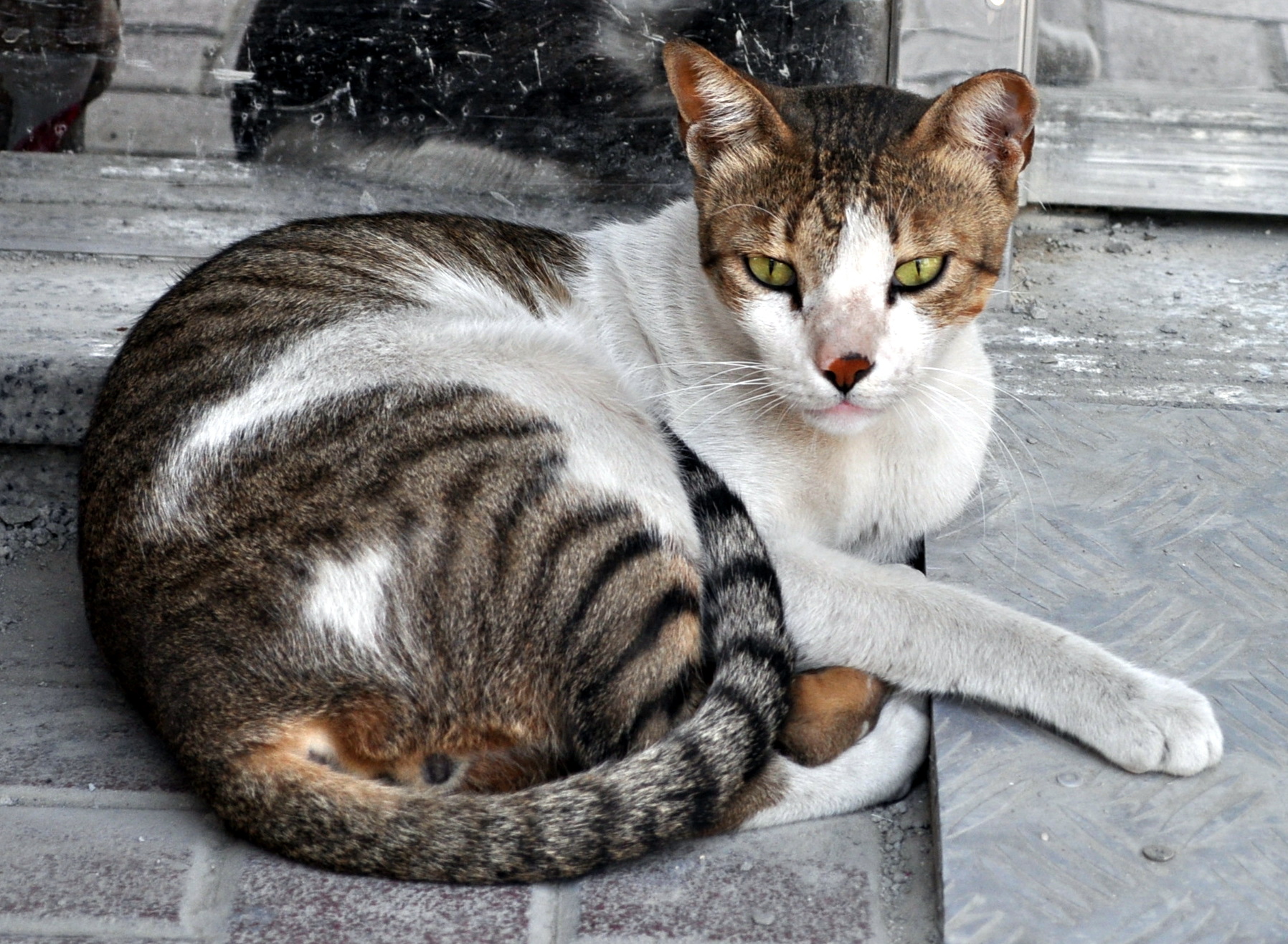
[A stray cat outdoors in a city street, the kind of visitor this guide covers.] Photograph: Stray cat
Image Credits: Wikimedia Commons
What to do after the first meal
Feeding is the start, not the whole job. Once the cat is eating, think about its longer-term situation. A stray that stays around will need shelter from rain and cold, and a simple dry box with straw bedding in a quiet corner is a practical start.
Contact a local shelter or rescue group about neutering and rehoming options. Many areas have trap-neuter-return programmes for cats that cannot be homed, which stop the local stray population growing while letting the cat keep its territory.
Wash your hands after handling bowls or touching the cat. Stray cats can carry fleas, worms, and other parasites, and basic hygiene protects both you and any pets you already own. Keep a new stray away from your own cats until a vet has checked it.
Frequently asked questions
Can I give a stray cat milk just once?
It is best not to. Most adult cats lack enough lactase to digest cow's milk, so even a small saucer can cause diarrhoea. Water and a little cat food are safer and just as easy to offer.
What if the stray cat will not eat?
A frightened cat may refuse food while people are nearby. Leave the bowl, step away, and check later. If the cat still will not eat after a day, or looks injured or very weak, contact a shelter or vet for advice.
Should I feed a stray cat every day?
Daily feeding at a set time is fine and helps you monitor the cat. Pair it with a plan, though, such as contacting a shelter about neutering or adoption, so feeding does not become the only help the cat ever gets.
Is it safe to bring a stray cat inside?
Only if the cat approaches willingly and you can keep it separate from other pets. A scared stray may scratch or bite, and an unexamined cat can bring parasites indoors. A vet check first is the sensible order.
The bottom line
Water first, then a small bowl of plain cat food. Skip the milk, skip seasoned leftovers, and skip toxic foods like onions, chocolate, and grapes. If the cat is a kitten, sick, or injured, a shelter or vet is the next call, not a bigger bowl.
A regular feeding spot, clean bowls, and a call to a local rescue turn a one-off kindness into something that actually improves the cat's life. That is the whole job, and it starts with water.
Tags: stray cats, cat feeding, cat care
Rive News is a research desk covering everyday questions with sourced, practical explainers.
Related
- Why your cat meows loudly at night
- What human foods are dangerous for dogs and cats
- How to introduce a new cat to your resident cat
- Why cats sleep so much and when it is too much
Subscribe for one practical explainer a day in your inbox.
Rive News publishes sourced explainers and corrects errors promptly when readers flag them.
Related stories
Why Does My Dog Eat Grass and Vomit?
A UC Davis study of 1,571 owners found grass eating is normal dog behavior, not self-medication: only 10% were ill first. What the science

Why Does My Dog Stare at Me While I Eat?
Dogs stare at you while you eat because it has worked before, and mutual gaze raises bonding hormones. Learn the reinforcement science

Foods toxic to dogs: the list, with reasons
Chocolate, xylitol, grapes, onions: common foods can harm dogs. Learn what makes each one toxic, the warning signs, and what to do if your