
Why Do Cats Sleep So Much and When Is It Too Much? Vets Explain
Key takeaways
- Healthy adult cats sleep 12 to 18 hours a day; kittens and seniors reach 18 to 20.
- Cats are stalk-and-rush hunters wired to rest between short bursts of intense activity.
- Sleeping more than 20 hours, or a sudden change in pattern, warrants a vet visit.
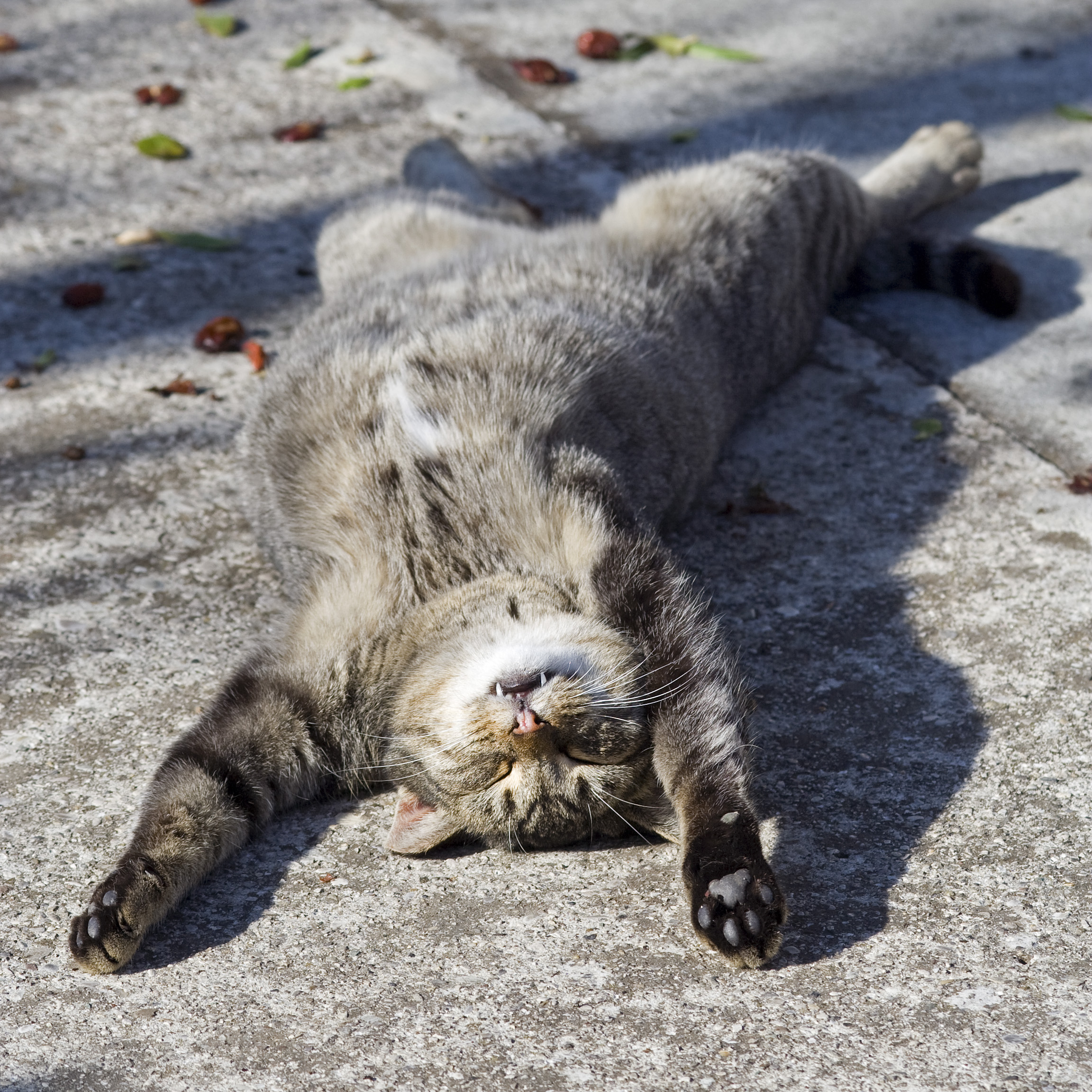
No animal has a better publicist for napping than the cat. While you drink your morning coffee, the cat is already on nap number two. By dinner, it has logged more sleep than you will get all week.
New owners often wonder if something is wrong. Usually, nothing is.
The feline sleep marathon has solid biological reasons behind it, from hunting strategy to an unusual sleep architecture that keeps cats half-alert even while dozing. But there is a line where normal becomes concerning, and knowing where it sits matters.
This article takes a closer look at feline sleep, including how much cats actually sleep, the hunter's energy budget, the light-sleep trick, the crepuscular schedule, and when extra sleep means a vet visit. This article is for general information, not veterinary advice.
How much cats actually sleep
The numbers surprise first-time owners. Most adult cats sleep between 12 and 18 hours a day, according to Trupanion veterinarian Sarah Nold. Veterinarian Marty Becker, DVM, an adjunct professor at Washington State University College of Veterinary Medicine, puts the typical range at 12 to 15 hours in Reader's Digest.
Kittens and senior cats sleep even more, averaging 18 to 20 hours. Kittens need it: as Dr. Becker explains, their bodies and brains are growing, developing, and absorbing new experiences all day, so they play hard and sleep hard.
Feline behavior consultant Jennifer Van de Kieft offers a lower frame, telling Adopt a Pet that cats spend 40 to 50 percent of their day sleeping and that an adult cat sleeps roughly nine to twelve hours. The spread reflects real variation: breed, size, age, and individual temperament all move the number. What matters most is your own cat's baseline, not the species average.
Cats also sleep in installments. Their sleep is polyphasic, meaning many short sessions across the day rather than one long block. One animal sleep study cited by Trupanion found the average cat naps in sessions of 50 to 113 minutes.
The hunter's energy budget
The deep reason for all that sleep is the hunt. Cats are stalk-and-rush predators: short, explosive bursts of stalking, pouncing, and killing, followed by a meal and a long recovery. A wild cat might repeat that cycle for eight to ten mice a day, and each cycle costs serious energy.
"Cats sleep a lot, and that is in part because they're wired as stalk-and-rush hunters," Becker told Reader's Digest. Your house cat never has to catch dinner, but the wiring never got the memo. It still budgets energy the way its ancestors did: spend it in bursts, then recharge.
Dr. Nold puts it more simply: most cat owners would agree cats spend their time sleeping or grooming, and her guess is that the sleeping exists so they can conserve energy for hunting. The instinct also keeps cats physiologically ready to hunt at any moment, so they grab sleep whenever they can rather than on a schedule.
Van de Kieft adds a neat detail: a cat is designed to hunt an average of ten mice per day and needs rest between hunts. Even the feeding rhythm follows the old program, which is why many cats prefer several small meals to one big bowl.
The light-sleep trick
Here is the part owners miss: much of that impressive total is not deep sleep at all. Roughly three quarters of a cat's sleep is light dozing, with only about a quarter spent in true deep sleep.
Jodi Ziskin, a healthy pet coach and director of communications for Treatibles, told Reader's Digest that even when a cat looks deeply asleep, it stays remarkably alert to its surroundings and can spring into action at an interesting sound or smell. Deep sleep comes in short stints of five to 15 minutes before the cat returns to dozing.
That split schedule is a predator's compromise and a prey animal's insurance policy in one. The cat rests enough to recover, but never drops its guard for long. It also explains why cats can look fully unconscious on the rug and still intercept a fly mid-nap.
Dreaming happens in the mix too. Cats cycle through REM sleep like humans do, and the twitching paws, flicking ears, and faint chirps of deep sleep are widely read as signs of dreaming. While they sleep, their brains appear to replay the day's hunting practice.
The crepuscular schedule
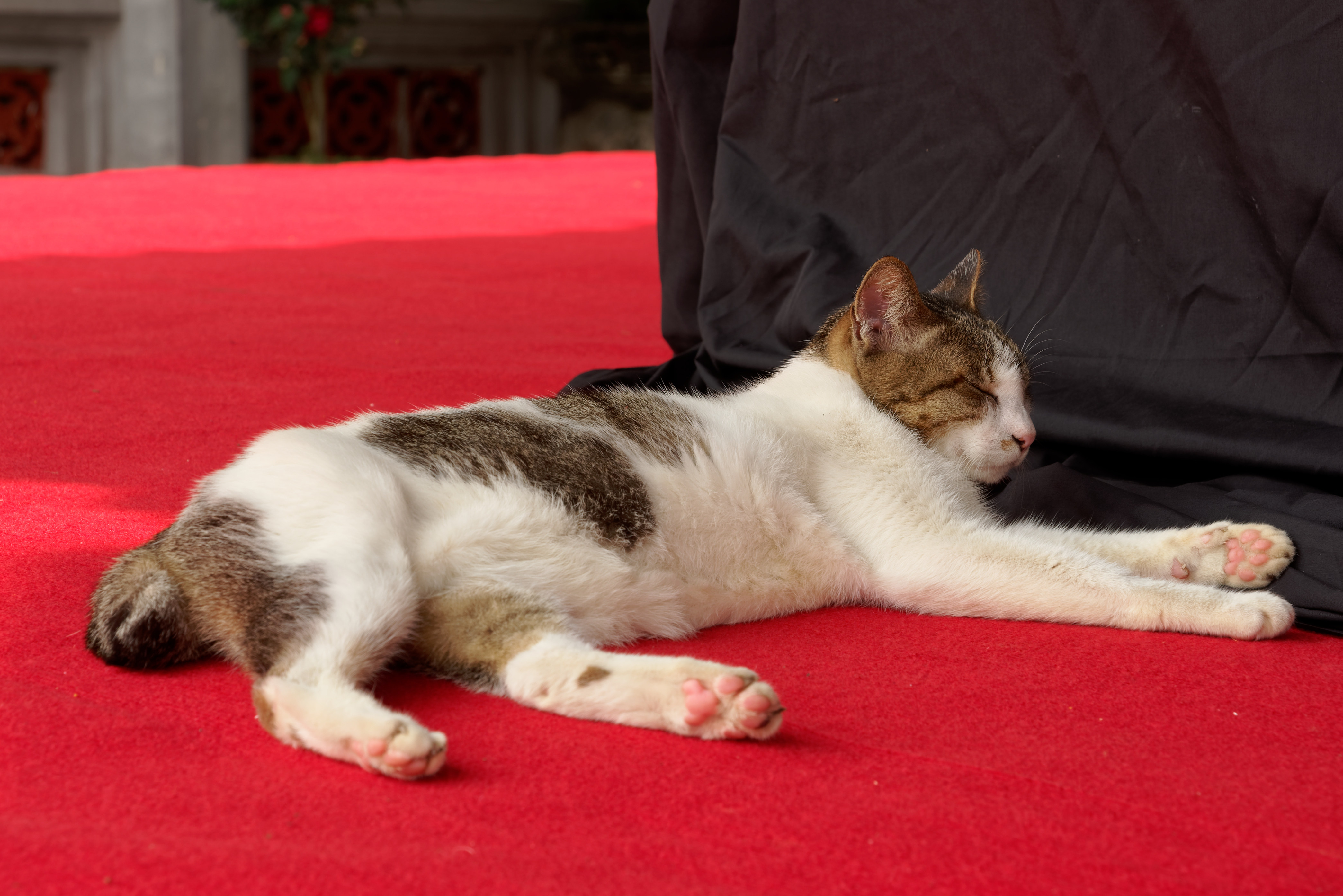
Cats are not nocturnal, whatever the 3 AM hallway sprints suggest. They are crepuscular: most active around dawn and dusk, resting through the middle of the day and much of the night.
That rhythm is a hunting schedule. Wild cats hunted in the low light of early morning and twilight, when prey was active and larger predators were less of a threat.
"Cats tend to exert a whole lot of energy during these hours," Ziskin explained. "When they sleep, they're 'recharging' so they can be more active during the dusk and dawn hours."
Indoors, the schedule survives as the dawn zoomies and the evening wrestling match with a toy mouse. The long midday nap and the long night doze are the other side of the same coin.
The mismatch with human schedules causes most of the friction. Nold notes that cats are evolutionarily nocturnal in the loose sense, and asking them to live on a human daytime schedule pushes some of their active hours into our sleeping hours. An evening play session and a late meal can shift the cat's clock closer to yours, though no one fully retrains a crepuscular animal.
When extra sleep means a vet visit
Long sleep is normal. Changed sleep is the signal. Nold's rule of thumb: if a cat is dozing more than 20 hours a day, book a vet appointment to rule out health trouble.
Just as telling is any sudden shift in the pattern, more or less sleep than the cat's own usual.
Boredom and low mood are the benign end of the spectrum. "Cats can sleep too much if they are bored or depressed," Becker said, urging owners to make sure the cat is emotionally and physically engaged. Wand toys, cat trees, window perches, and puzzle feeders all fight boredom sleep.
Stress sits nearby. Adopt a Pet notes that a stressed cat may sleep more while also eating more or less than usual, avoiding the litter box, or turning aggressive. Moves, new family members, and schedule changes are classic triggers.
Illness is the serious end. Extra sleep plus appetite loss, vomiting, diarrhea, coughing, sneezing, fever, weight loss, or withdrawal can point to conditions including hyperthyroidism, diabetes, kidney disease, heart disease, liver disease, or cancer. Unusual noises during sleep, new snoring, or labored breathing deserve attention too, since sleep is when the body drops its guard and problems show.
Snoring alone is not always alarming. Dr. Nold notes it can be normal in flat-faced brachycephalic breeds and is more common in obese cats, but new snoring in other cats, especially with sneezing or nasal discharge, should be checked.
Frequently asked questions
Do cats sleep more in winter?
Often yes. Shorter days and colder weather push cats toward longer rest, and some will seek out the warmest spot in the house for marathon naps. A seasonal uptick within the normal range is not a concern on its own.
Why does my cat sleep on me instead of its bed?
Warmth, scent, and safety. You are a heated, familiar-smelling surface that rises and falls reassuringly. Cats that sleep on their owners are choosing the safest-feeling spot in the territory.
Is my cat actually asleep or just resting?
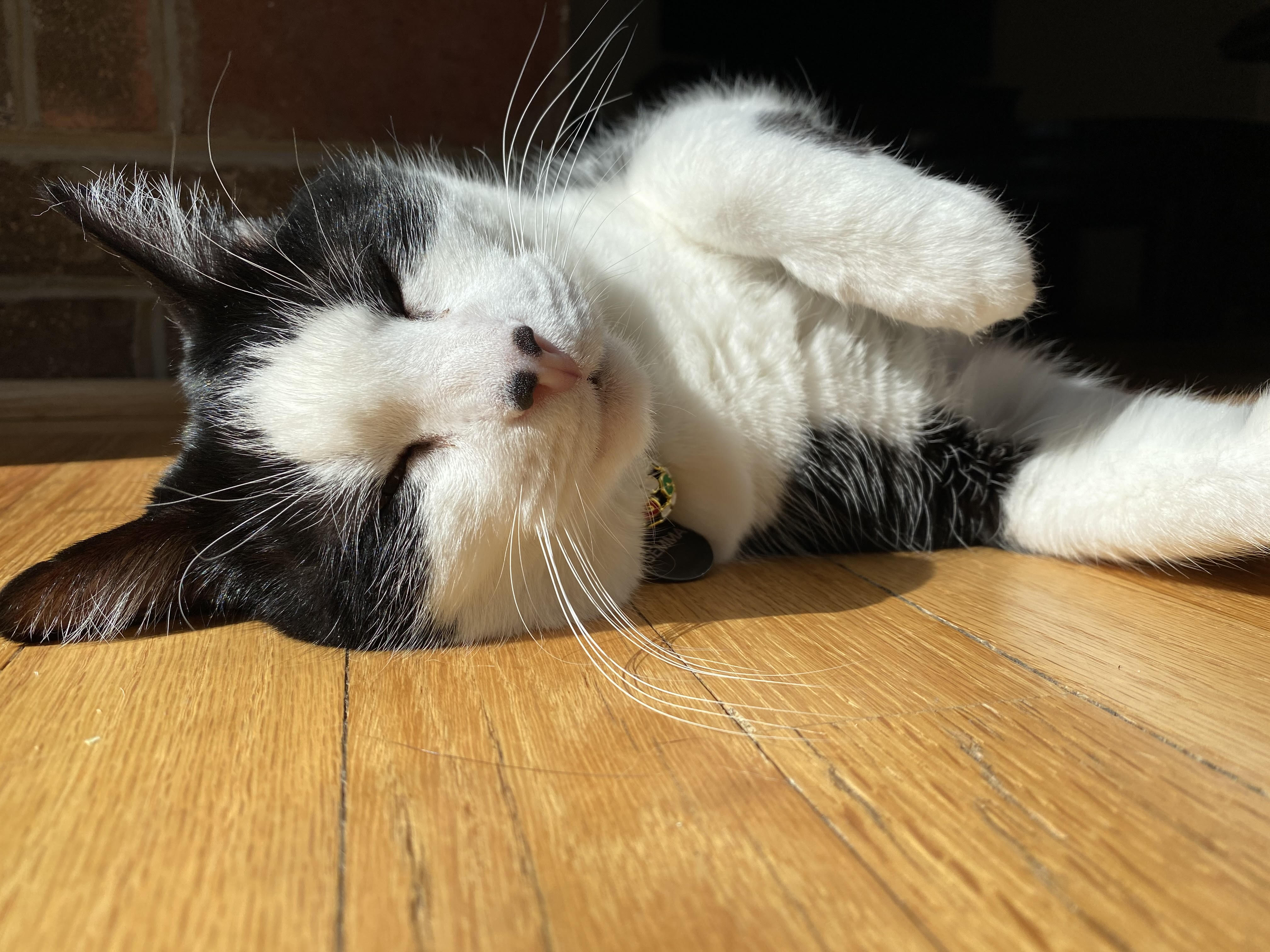
Often just resting. Cats spend long stretches curled up with eyes closed while remaining quite alert, which makes their sleep totals look even bigger than they are. True deep sleep is the limp, twitchy kind.
Can I change my cat's sleep schedule?
Partly. A vigorous play session before bed plus a late evening meal can shift activity toward your hours, and an automatic feeder can defuse dawn demands. You will not turn a crepuscular hunter into a nine-to-five sleeper, so aim for overlap, not conversion.
Do cats dream?
They almost certainly do. Cats show REM sleep with paw twitches, ear flicks, and vocalizations, the same markers linked to dreaming in humans and dogs. What they dream about is unknowable, but hunting practice is the popular guess.
Outlook
A cat asleep on the rug is usually a cat doing exactly what millions of years of hunting designed it to do. Learn your cat's normal total and normal pattern, keep the days interesting with play, and let the naps happen.
If the total creeps past 20 hours, or the pattern changes suddenly alongside appetite or behavior shifts, call the veterinarian. The cat will forgive the carrier. Probably.
Tags: cats, cat behavior, pet health, cat care
Latest in Pets
- Why cats hate water but some breeds swim
- Why your cat brings you dead animals as gifts
- Why your cat chatters at birds through windows
- Why your dog sighs when it lies down
Get one practical pet behavior explainer in your inbox every morning. Subscribe to the Rive News newsletter.
Related stories

Why Does My Dog Eat Grass and Vomit?
A UC Davis study of 1,571 owners found grass eating is normal dog behavior, not self-medication: only 10% were ill first. What the science

Why Does My Dog Stare at Me While I Eat?
Dogs stare at you while you eat because it has worked before, and mutual gaze raises bonding hormones. Learn the reinforcement science

Foods toxic to dogs: the list, with reasons
Chocolate, xylitol, grapes, onions: common foods can harm dogs. Learn what makes each one toxic, the warning signs, and what to do if your