
Why Do Cats Hate Water but Some Breeds Swim? The Coat Science
Key takeaways
- Cat coats are fluffy and less waterproof than dog coats, so wet fur gets heavy and cold fast.
- Many cats are partly trained to fear water by spray bottles and surprise baths.
- The Turkish Van and Bengal swim thanks to water-resistant coats and the right history.
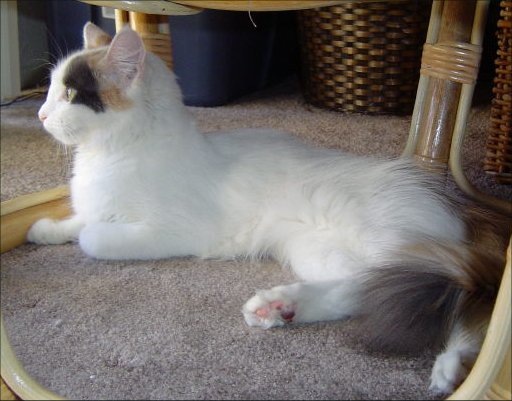
The stereotype is so strong it feels like biology: cats hate water, full stop. One splash and the average house cat teleports across the room, leaving a trail of wet paw prints and betrayal.
Dog people cite it as proof of feline unreasonableness. Cat people just buy lids for the toilet.
But the stereotype has holes. Some cats paddle happily in bathtubs, chase dripping faucets, and swim after their owners. One breed is literally nicknamed the swimming cat.
The real story mixes coat physics, desert ancestry, and something most owners never suspect: we teach cats to hate water.
This article takes a closer look at cats and water, including the desert ancestry problem, what a wet coat actually does, how owners accidentally teach the fear, the swimming breeds that break the rule, and wild cats that hunt in water.
The desert ancestry problem
Start with where the cat came from. The domestic cat's closest wild ancestor is the African wildcat, a creature of the arid zones of North Africa and the Middle East.
Deep water was rare in its world, and when it appeared, it was dangerous. There was no evolutionary payoff for swimming ability, so none developed.
The body plan still shows it. Compared with water-friendly animals, cats have relatively short legs, no webbed feet, and no instinctive swimming stroke refined by generations. Thrown into water, a cat dog-paddles out of panic, not practice, and loses the agility that is its main survival tool on land.
Behavioral researcher John Bradshaw, foundation director of the Anthrozoology Institute at the University of Bristol, has noted that because domestic cats were never developed around water, they become sluggish in it, and a careful animal does not volunteer to lose its mobility. For a creature whose safety depends on speed and balance, helplessness feels like an emergency.
What a wet coat actually does
The coat is the deeper problem. Cats groom themselves with constant, meticulous licking, and that grooming strips the skin oils that would otherwise waterproof the fur. BBC Science Focus explains the result: a cat's coat ends up fluffier and less waterproof than a dog's, so a soaked cat gets colder and its fur feels heavier.
That heaviness is not trivial. A wet cat must spend hours putting its fur back in order, licking every strand dry and restoring the insulation the water destroyed.
Until then, it loses body heat fast, and in cold conditions a soaked cat risks hypothermia. The fur that looks so luxurious dry becomes a cold, matted burden wet.
There is a sensory cost too. Cats live through smell, with around 200 million scent receptors, and a bath washes away the scent profile the cat spent days grooming into place.
To the owner the cat smells clean. To the cat, it smells like nothing, which for a territorial animal is deeply wrong.
How owners accidentally teach the fear
Here is the twist most owners miss. According to Sandi Sawchuk, a clinical instructor at the University of Wisconsin School of Veterinary Medicine, part of the answer to why cats hate water is: because we teach them to hate it.
The logic is straightforward. Dogs get introduced to water early and often: baths, lakes, sprinklers, all paired with play.
Cats, being self-cleaning, rarely get the introduction at all. Then water appears in exactly two contexts: punishment and ambush.
The spray bottle is the classic offender. A squirt between the eyes for jumping on the counter teaches the cat one clean lesson: water is what happens when you are bad.
"What's the cat going to think about water then, when it's only used for punishment?" Sawchuk asked in a 2009 university interview. The surprise bath, sprung on an adult cat that has never been wet, completes the education.
The proof that the fear is learned, not hardwired, sits in show-cat households. Cats bathed regularly since kittenhood tolerate water with no fight at all, Sawchuk noted.
And plenty of ordinary cats reveal the truth on their own terms: owners describe them perched on the bathtub edge, batting at the faucet stream or joining a shower voluntarily. "When they have the ability to control how much they can get near the water and how much exposure they have, they don't seem to mind at all," she said.
The swimming breeds that break the rule
Some cats never got the memo, and the most famous is the Turkish Van. Hailing from the Lake Van region of eastern Turkey, the Van is nicknamed the swimming cat, and its coat explains why: where most cats carry a dense undercoat that soaks up water, the Van's fur is cashmere-textured and water-resistant, so it can paddle and emerge relatively dry.
The breed's history may explain the adaptation. The Lake Van region endures scorching summers, with temperatures climbing past 100°F (37.8°C), and local lore holds that the cats took to the lake to cool off and survive. Native ornaments from the area depict Van-like cats as far back as 5000 BCE, suggesting one of the oldest continuous cat populations anywhere.
The Bengal is the other celebrated swimmer. Bred from crosses with the Asian leopard cat, a wild species comfortable around water, many Bengals seek out running taps, showers, and even full immersion. Maine Coons, with their shaggy water-shedding coats built for harsh winters, also take to water more readily than the average house cat.
Genetics loads the dice, but early exposure still matters. Kittens introduced to water gently and gradually, on their own terms, usually keep a neutral or positive association for life. Almost nothing in cat behavior is permanently fixed.
Wild cats that hunt in water
Zoom out to the whole cat family and the water story flips again. Plenty of wild cats swim happily.
Lions, tigers, and jaguars, all species of hot climates, take to water to cool off. Snow leopards and lynx avoid it, because in cold environments a wet coat stops insulating, which proves the rule is about physics, not feline pride.
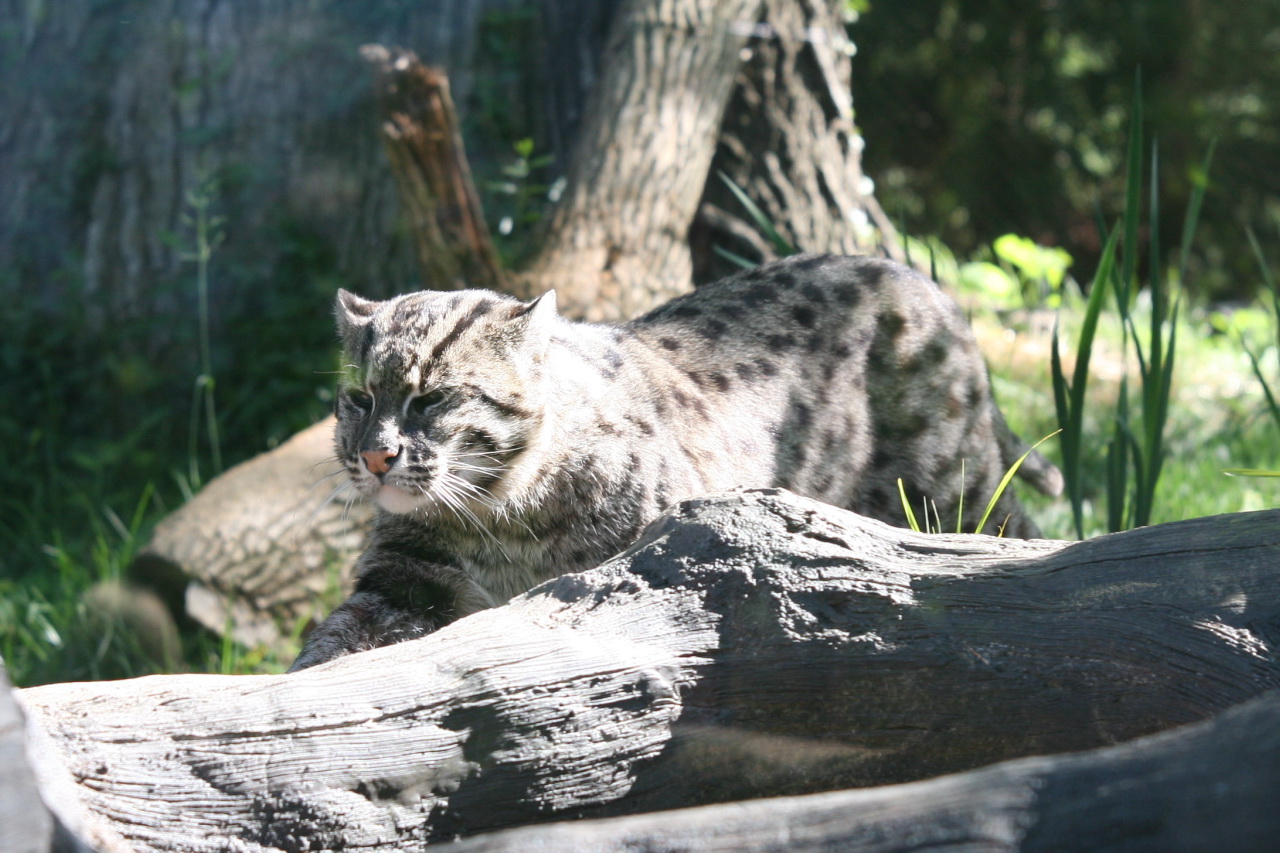
The specialist is the fishing cat of South and Southeast Asia. This wild species uses partially webbed paws to dive for fish, frogs, and crayfish, and has been observed attacking ducks from underwater. It is living proof that the cat blueprint can absolutely handle water when evolution bothers to add the equipment.
The fishing cat reframes the house cat's fear nicely. The aversion is not some deep feline law. It is what you get when you take a desert animal, give it a coat optimized for dry grooming, never introduce it to water except as punishment, and then act surprised at the reaction.
Frequently asked questions
Is it true that all cats hate water?
No. Most dislike being soaked, but many enjoy water on their own terms: dripping faucets, shallow puddles, shower steam. The hatred is for forced, full immersion, not for water itself.
Can I teach my cat to like water?
Often yes, with patience. Start young if possible, keep water shallow and warm, let the cat control the approach, and pair every step with treats. Never force a frightened cat deeper; one traumatic dunk can undo months of progress.
Why does my cat sit by the bathtub but run from the bath?
Control. Watching, batting at streams, and choosing the distance are all safe. Being grabbed, lowered into water, and held there is not. The same cat can love the faucet and hate the bath without any contradiction.
Do Turkish Vans really swim?
Many do, or at least tolerate and seek out water far more than typical cats. The water-resistant coat is the key adaptation. Individual Vans vary, and no breed guarantee overrides a cat's personal history with water.
Should I bathe my cat regularly?
Usually no. Healthy cats groom themselves effectively, and frequent baths strip coat oils and cause stress. Bathe only when the cat gets into something sticky, toxic, or truly filthy, using lukewarm water and cat-specific shampoo.
The bottom line
Cats do not hate water because they are dramatic. They avoid it because their coats were engineered for desert grooming, not swimming, because helplessness in water offends every survival instinct they own, and because many of us accidentally trained the fear with spray bottles and surprise baths.
The Turkish Van, the Bengal, and the fishing cat prove the rule has exceptions wherever evolution or patient owners intervened. Respect the coat physics, skip the spray bottle, and let the cat negotiate with water on its own terms.
Tags: cats, cat behavior, cat breeds, pet care
Latest in Pets
- How much sleep cats really need
- Why your cat chatters at birds through windows
- Why your cat brings you dead animals as gifts
- Why your dog spins in circles before pooping
Get one practical pet behavior explainer in your inbox every morning. Subscribe to the Rive News newsletter.
Related stories

Why Does My Dog Eat Grass and Vomit?
A UC Davis study of 1,571 owners found grass eating is normal dog behavior, not self-medication: only 10% were ill first. What the science

Why Does My Dog Stare at Me While I Eat?
Dogs stare at you while you eat because it has worked before, and mutual gaze raises bonding hormones. Learn the reinforcement science

Foods toxic to dogs: the list, with reasons
Chocolate, xylitol, grapes, onions: common foods can harm dogs. Learn what makes each one toxic, the warning signs, and what to do if your