
Why Does My Dog Spin in Circles Before Pooping? Science Has Theories
Key takeaways
- Dogs spin before pooping for a mix of reasons: safety checks, scent marking, comfort, and possibly alignment with Earth's magnetic field.
- A 2013 study found dogs prefer to face north or south while eliminating when the magnetic field is calm.
- The spinning itself is normal; a sudden change in the routine, like circling without pooping, is worth a vet visit.
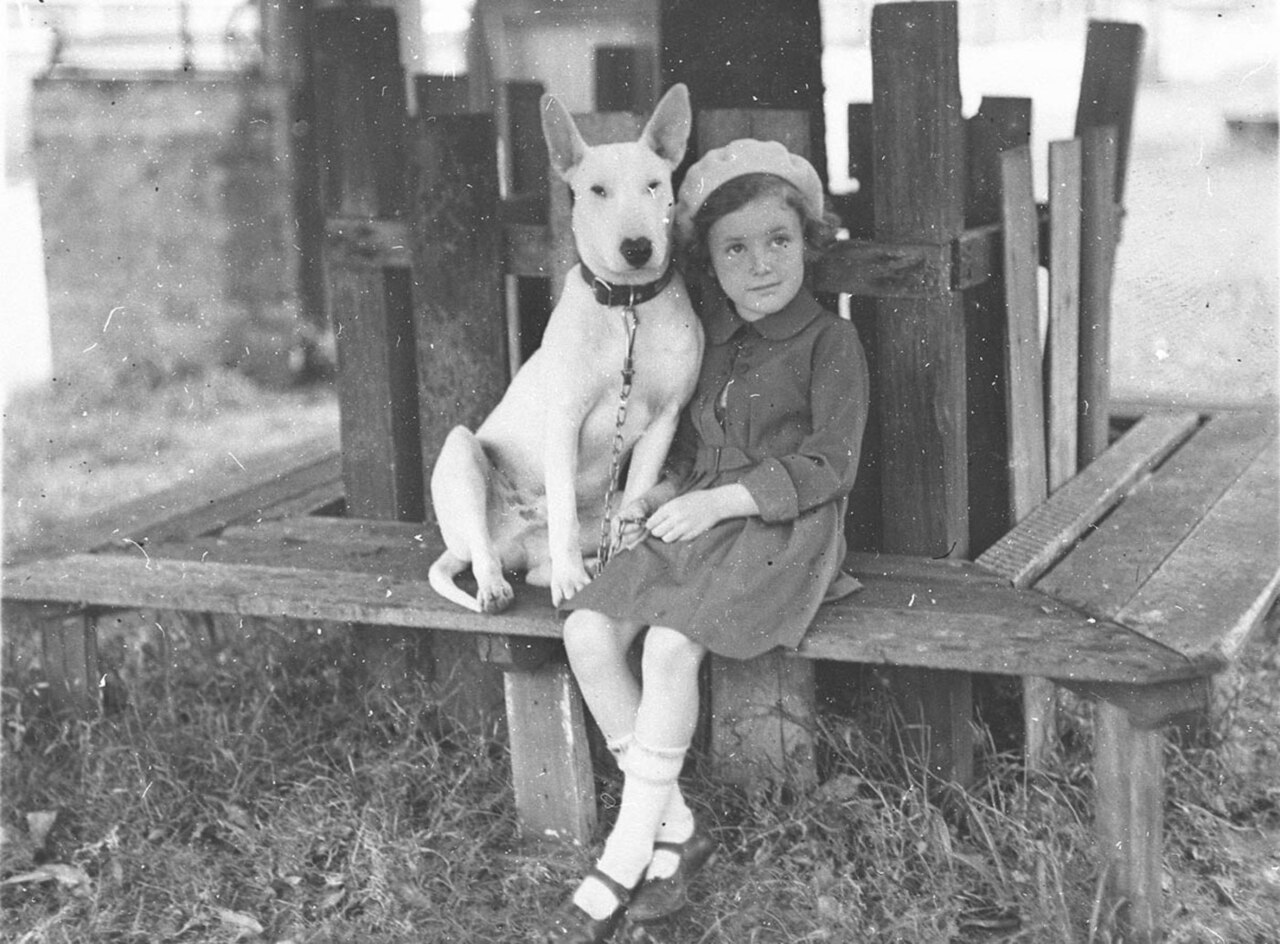
Every dog owner knows the ritual. The sniffing starts, then the circling: one loop, two loops, a pause, another loop. Only after a full inspection of the chosen patch of grass does the dog finally commit.
It looks comical, but the spin is one of the oldest behaviors dogs carry, and scientists have spent real effort figuring out why it happens.
There is no single proven answer, which is worth saying up front. As animal behaviorist Holly Molinaro, PhD, told Reader's Digest, there has not been much scientific research into the question, so the field works with hypotheses rather than conclusions. This article explains why dogs spin in circles before pooping, including the leading theories, what the magnetic field study found, and when the circling means something is wrong.
What circling accomplishes: the leading theories
Safety checks. The most cited explanation is vulnerability. Squatting to defecate leaves a dog exposed, so circling lets the animal scan in every direction for threats before committing to the pose.
"Most likely this is a holdover from when wolves or early dog ancestors were forced to monitor for predators before getting into the potentially vulnerable position of pooping," veterinarian Gary Richter, DVM, author of The Ultimate Pet Health Guide, told Reader's Digest. Small dogs may feel the need more acutely than large ones. Molinaro notes that a toy poodle might scan carefully while a big German shepherd barely bothers, which matches what owners observe on walks.
Scent marking. Dogs have scent glands in their paws, and circling spreads that scent across the chosen spot. Molinaro calls scent her number one theory: dogs use their many smell receptors to find the perfect place to leave their trace.
The University of California's UCSB Science Line explains the broader logic: leaving urine or feces is like leaving a business card that tells other dogs who passed, when, and how they were doing. Trampling the grass first makes the signal easier to spot, and dogs often scratch the ground afterward to add still more scent from their paw glands and the glands near the anus.
Comfort and surface checks. Circling flattens grass and reveals what is underfoot: rocks, sticks, thorns, wet patches. Richter notes that dogs may circle to make sure nothing impedes their comfort, creating an ideal surface before they go.
The behavior also mirrors pre-sleep circling, when dogs trample a resting spot. As Richter puts it, the dog is "making their bed," and the poop spin may be the same comfort ritual applied to a different task.
Getting things moving. Walking helps waste travel down the gut, according to the UCSB Science Line. Some behaviorists suggest the turning motion gently shifts the intestines and helps the bowel muscles engage, similar to how a short walk after a big meal aids human digestion.
What the magnetic field study found
The strangest theory has actual data behind it. In 2013, researchers published a study in Frontiers in Zoology reporting that dogs prefer to align their bodies along the north-south axis of Earth's magnetic field when defecating, but only when the magnetic field is calm. The researchers documented the alignment across many observations, and while they could offer no explanation for why it would benefit the dog, the pattern was statistically clear.
Richter called it intriguing evidence that dogs may have an innate sense of magnetic alignment.
The finding held up. Reader's Digest reports that a 2025 study found hunting dog breeds are most likely to align on the north-south magnetic axis to poop, and that the habit decreases with age. Nobody knows what the alignment is for.
It may be a sensory side effect rather than a deliberate choice: the dog's body responding to magnetic cues while the circling serves the more practical purposes above. Either way, it suggests the spin is not random. The dog may be calibrating more than we can see.
Not every dog spins, and that is normal too. Richter told Reader's Digest that the habit is not breed-specific but individual: some dogs learned it from an older dog in the household, some were inadvertently rewarded by delighted owners, and some simply never developed the routine.
Why dogs sniff so much first
The circling usually starts with intense sniffing, and that is part of the same decision process. Dogs navigate the world primarily by nose, and what looks like dithering is actually reading. Molinaro explains that the dog may be following its nose to the perfect spot: checking who marked the area before, deciding whether to add its own message or cover another dog's, and assessing the ground.
For a species that experiences the world as a landscape of smells, choosing a bathroom spot deserves the same care a human gives to choosing a restaurant. The sniffing is research. The spinning is the conclusion.
When circling means a vet visit
Normal spinning ends in a normal poop. The warning sign is a change in the pattern. If a dog circles repeatedly on a walk but does not defecate, constipation may be the cause.
Molinaro advises owners to watch for deviations: a dog that always spins three times and poops, but suddenly spins without producing anything, should see a veterinarian. Straining, crying, or blood are more urgent signals. As with cats and their window chatter, the behavior itself is a healthy instinct; it is the change in the behavior that carries information.
One more practical note: because the ritual is partly about feeling safe, a dog that freezes mid-spin when a stranger approaches is not being stubborn. The safety check failed, and the dog is waiting for the coast to clear. Giving the animal a quieter spot usually restarts the routine.
Frequently asked questions
Do all dogs spin before they poop?
No. Many do, but plenty do not, and the habit varies by individual rather than breed. Some dogs picked it up from another dog in the house; some never developed it.
Neither pattern is a problem.
Why does my dog spin more on some walks than others?
Unfamiliar or busy environments trigger longer safety checks. A new park with strange smells and passing dogs demands more scanning and sniffing than the quiet backyard the dog has used for years.
Is it true dogs face north when they poop?
A 2013 study found a north-south alignment preference under calm magnetic field conditions, and a 2025 study confirmed it most strongly in hunting breeds. It is a real observed pattern, though nobody knows why it happens.
Should I stop my dog from circling so much?
No, unless a vet advises otherwise. The circling serves the dog's comfort and safety instincts. Rushing the ritual can stress the animal and make walks less pleasant for both of you.
The bottom line
Dogs spin in circles before pooping because the behavior bundles several ancient instincts: checking for danger, marking territory with scent, finding a comfortable surface, and possibly aligning with Earth's magnetic field. Scientists have hypotheses, not a final answer, and the honest ones say so. The ritual itself is healthy.
Watch for changes in the pattern rather than the pattern itself, and give your dog the unhurried minute the instinct asks for.
Filed under: dogs, dog behavior, pet science, animal instincts
Latest in Pets
- Why do cats chatter their teeth at birds through windows?
- Why does my cat bring me dead animals as gifts?
- Why do dogs sigh deeply when lying down?
- Why does my dog lick my face constantly?
Subscribe for one research-backed pet explainer every morning.
Related stories

Why Does My Dog Eat Grass and Vomit?
A UC Davis study of 1,571 owners found grass eating is normal dog behavior, not self-medication: only 10% were ill first. What the science

Why Does My Dog Stare at Me While I Eat?
Dogs stare at you while you eat because it has worked before, and mutual gaze raises bonding hormones. Learn the reinforcement science

Foods toxic to dogs: the list, with reasons
Chocolate, xylitol, grapes, onions: common foods can harm dogs. Learn what makes each one toxic, the warning signs, and what to do if your