
Why Does My Dog Lick My Face Constantly? Vets Explain the Habit
Key takeaways
- Face licking began as a wolf-puppy feeding signal and survives as a social greeting.
- The five motives are affection, attention, submission, exploration, and habit reinforcement.
- Constant licking that causes sores, targets one spot, or resists distraction needs a vet.
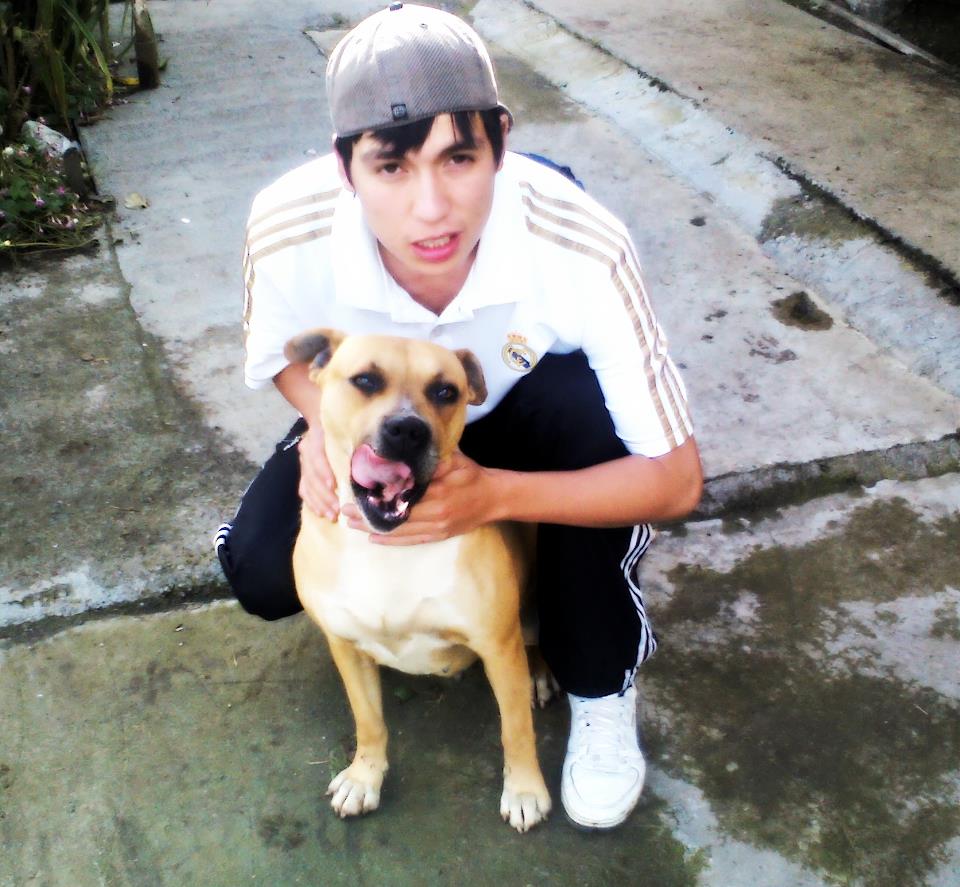
The tongue arrives before the greeting does. You bend down, the dog surges up, and suddenly your chin, nose, and glasses are getting a thorough wash.
Some owners adore it. Others endure it. Everyone wonders what the dog is trying to say.
The answer starts tens of thousands of years ago, in a wolf den, and runs through the strange fact that your adult dog is, behaviorally speaking, a permanent puppy. Once you see the chain, the face-licking makes complete sense.
This article takes a closer look at face licking, including its wolf-puppy origins, the five reasons dogs do it, why it targets your face, when constant licking is a warning sign, and how to redirect it.
Its wolf-puppy origins
Blame evolution. Long before dogs, wolf puppies licked the mouths of adult wolves to trigger regurgitation of partially digested food. It was part of weaning: the step between nursing and solid food, delivered mouth to mouth.
That puppy behavior never fully switched off in domestic dogs. Licking another dog's face, or a human's face, remains normal social behavior, according to EberVet's veterinary team. The original feeding function is gone, but the wiring stayed.
Dr. Emily Blackwell, a lecturer in companion animal behaviour and welfare at the University of Bristol, told BBC Science Focus that puppies first learned to lick their mothers both as a greeting and to encourage feeding. In adult dogs, she said, the behavior is primarily social: a greeting aimed at the creature that matters most.
Here is the twist. Blackwell notes that adult dogs rarely lick the faces of other adult dogs. Face licking is a puppy behavior that dogs perform almost exclusively for humans.
The reason is us: by acting as a dog's lifelong caregiver, we keep it in a state of extended puppyhood, and the puppy behaviors come along for the ride.
The five reasons dogs lick your face
Veterinarians converge on a short list of motives. Dr. Vinod Sharma, Head Veterinarian at DCC Animal Hospital in Gurugram, told the Indian Express that licking is "absolutely a form of communication in dogs," one of the earliest behaviors puppies learn and a social signal that continues into adulthood.
First is affection. According to Sharma, "Licking can be a bonding behaviour" that "releases feel-good hormones in dogs and is often their version of a kiss."
A calm, brief lick is usually a sign of attachment and comfort.
Second is attention. Dogs are ruthless experimentalists. Sharma noted that any response, a laugh, a word, or a scratch, teaches the dog that licking gets attention.
Every giggle is a data point, and the behavior gets reinforced into a habit.
Third is submission or appeasement. In canine social structure, licking can signal respect and deference. A dog may lick to show it recognizes you as the leader, or to defuse tension.
Dogs that lick strangers' faces are often running this program: please do not be a threat.
Fourth is exploration. Dogs read the world through taste and smell.
"Your skin may taste salty, or you may smell like food," Sharma added. "Sometimes, they are simply investigating." Your face is a fascinating, salty, expressive surface, and the tongue is the research instrument.
Fifth is the one experts find most interesting: neoteny, the retention of juvenile traits into adulthood. Blackwell explained that domesticated adult dogs show far more puppy-like vocalization and behavior than their wild counterparts, and face licking belongs on that list. Your dog licks your face partly because, in its social brain, it is still a puppy greeting its mother.
Why it targets your face
Of all the surfaces available, the dog chooses the face with suspicious consistency. There are practical reasons. The face is at tongue height when you bend to greet the dog, it moves expressively, and it carries the strongest scent and taste signals: sweat, food residue, skin salt.
There is also a social reason. Blackwell told BBC Science Focus that licking is "essentially a social behaviour that comes from their evolutionary history," and in her reading it functions as a greeting and "can be taken as a compliment."
The face is where greetings happen. The dog is shaking your hand the only way it knows how.
Children get special attention from the tongue, and the motives stack: affection, appeasement, and the practical matter of cleaning food residue off small faces, according to both EberVet and veterinary behaviorist Dr. Wailani Sung. Supervise the interaction, since small children and big tongues are an unpredictable mix.
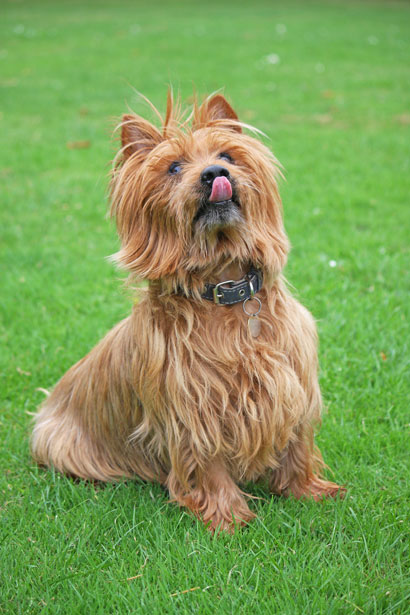
When constant licking is a warning sign
Most face licking is harmless social noise. The word "constantly" in the question is doing real work, though, because licking has a volume knob, and at the top end it signals trouble.
Sharma's red-flag list is specific. Excessive licking becomes concerning when it causes physical damage: bald spots, redness, sores, or open wounds. Watch for licking that interferes with eating or sleeping, licking that continues despite distraction, and licking fixated on one specific area.
A dog that keeps licking one spot on itself, or one spot on you, may be flagging pain, allergies, or a skin infection underneath. In some cases, excessive licking links to anxiety or stress rather than anything dermatological. "Early intervention helps prevent secondary infections and identifies whether the cause is behavioural or medical," Sharma said.
There is also a hygiene dimension worth knowing. For healthy people, dog saliva on intact skin is low risk. But zoonotic pathogens including Clostridium, Salmonella, and Campylobacter can travel through the eyes, mouth, and nose, according to veterinarian Leni Kaplan of Cornell University.
Keep the tongue away from open wounds, and wash up after a big greeting session.
How to redirect it
If you love the kisses, no action needed. If you do not, the fix is redirection, not punishment, and the science of how dogs learn decides the method.
Blackwell's warning is blunt: scolding a dog for licking is like slapping away an outstretched handshake. "The licking is a greeting to them," she told BBC Science Focus. Punishment teaches the dog that greetings are dangerous, which is the opposite of the lesson you want.
The working method is positive reinforcement of an alternative. Cover your face with your hand so the dog licks the hand instead, then reward that choice with praise or a treat. Repeat consistently, and the dog retargets the greeting to the approved surface.
EberVet's trainers suggest a parallel approach for persistent cases: when the tongue deploys, turn away and withdraw attention completely, then reward calm greetings with treats and cuddles.
Consistency across the household matters more than technique. If one family member melts for the face wash while another dodges it, the dog gets mixed data and keeps testing. Pick the house rule together.
Frequently asked questions
Does my dog licking my face mean it loves me?
Often yes, in the dog's own vocabulary. Calm, brief licking paired with a loose body and soft eyes is an affiliative signal, the closest thing dogs have to a kiss. It can also mean the dog wants attention, so read the context.
Is it true dogs' mouths are cleaner than humans'?
No, that is a myth. Dog and human mouths simply host different bacteria. Dog saliva can carry pathogens that are harmless to dogs but unpleasant for people, which is why wound-licking and face-licking around the eyes and mouth deserve caution.
Why does my dog lick strangers' faces?
Usually appeasement. The dog is signaling friendliness to defuse a potential threat, the same program behind submissive licking at home. Some dogs are simply enthusiastic greeters with no off switch.
Should I let my dog lick my baby's face?
Pediatric and veterinary guidance leans cautious. Babies have developing immune systems and put everything near their mouths. Let the dog sniff and be near the baby, but keep the tongue away from the baby's face and hands, and always supervise.
Can I train an older dog to stop face licking?
Yes. Older dogs learn the hand-target redirect just as well as puppies, sometimes faster, because they already understand the reward game. The key is that every human in the house enforces the same rule.
The bottom line
Your dog licks your face because it is greeting you the way a wolf puppy greeted its mother, and because you have kept it, lovingly, in a state of permanent puppyhood. The habit bundles affection, attention-seeking, deference, curiosity, and old evolutionary wiring into one wet package.
Enjoy it, redirect it with rewards if you prefer drier greetings, and call the vet if the licking turns obsessive, damages skin, or fixates on one spot. The tongue is a communication device. Learn to read it and the dog becomes a much clearer conversationalist.
Tags: dogs, dog behavior, pet care, puppy training
Latest in Pets
- Why your dog sighs when it lies down
- Why your dog spins in circles before pooping
- Why your cat brings you dead animals as gifts
- How much sleep cats really need
Get one practical pet behavior explainer in your inbox every morning. Subscribe to the Rive News newsletter.
Related stories

Why Does My Dog Eat Grass and Vomit?
A UC Davis study of 1,571 owners found grass eating is normal dog behavior, not self-medication: only 10% were ill first. What the science

Why Does My Dog Stare at Me While I Eat?
Dogs stare at you while you eat because it has worked before, and mutual gaze raises bonding hormones. Learn the reinforcement science

Foods toxic to dogs: the list, with reasons
Chocolate, xylitol, grapes, onions: common foods can harm dogs. Learn what makes each one toxic, the warning signs, and what to do if your