
Why Do Dogs Sigh Deeply When Lying Down? What the Sound Means
Key takeaways
- A sigh with soft eyes and loose muscles almost always means contentment, not sadness.
- Lying down squeezes the abdomen and pushes air out of the lungs, so some sighs are pure physics.
- Repeated sighing with stiffness, appetite loss, or restlessness deserves a vet check.
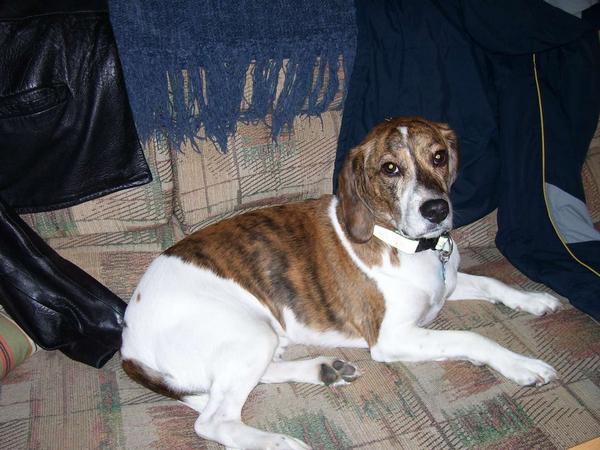
Every dog owner knows the sound. The dog circles, flops onto the bed, and lets out a long, theatrical exhale: haaah.
It sounds so human that we cannot help reading emotion into it. Sadness, boredom, exhaustion, drama.
The truth is both simpler and more interesting. A dog's sigh is a small event with several possible meanings, and the body around it tells you which one applies. Researchers who study canine emotion have mapped the main readings, and most of them are good news.
This article takes a closer look at the deep dog sigh, including the contentment theory, the pure physiology behind it, boredom and attention-seeking, anxiety and stress, pain as a possible cause, and when to call the vet.
The contentment theory
The most common reason for the settling sigh is the happiest one. After a walk, a game of fetch, or a good meal, the dog finds its spot, arranges itself, and exhales as its body shifts from alert mode to rest mode. Muscles loosen, breathing slows, and the sigh marks the transition.
Mary R. Burch, an applied animal behaviorist and the family dog director for the American Kennel Club, told Discover Magazine that sighing is sometimes "related to being relaxed, happy, or finally content." Her example is familiar to every owner: the dog circles its bed, maybe digs at the cushion, plops down, and sighs.
Read the body around the sound and the meaning sharpens. Soft or half-closed eyes, loose ears, and slack muscles point to comfort.
A dog that sighs while pressed against you on the couch is not filing a complaint. It is announcing that this spot, right here, is exactly right.
Some trainers even use the sigh as a two-way signal. A dog settling into a new or uncertain place can take comfort from a calm human sighing nearby, since the sound reads as "all is well" in dog language.
The pure physiology behind it
Some sighs have nothing to do with feelings at all. Dogs have lean torsos, and their lungs take up a good share of that space.
When a dog lies down, its weight presses on the abdomen, shifts things around, and pushes a lungful of air out through the mouth. Haaah.
This is involuntary plumbing, and it happens in essentially every animal with lungs, humans included. The deep breath and the following sigh help keep the lungs working properly by reinflating tiny air sacs. Some dogs are simply louder about it than others: lung capacity, size, and breed all change the volume.
That is why puppies often seem quieter. They were probably sighing all along, just without the lung power to make it dramatic. And it explains why a dog that jumps on the couch, lies down, and sighs in one motion is usually doing nothing more meaningful than exhaling.
Boredom and attention-seeking
Context flips the meaning. A sigh delivered while the family eats dinner at the table, the dog parked just outside the room, is a different message from the bedtime sigh. This one says: I am bored, I am left out, and I would like that to change.
Burch notes that sighing can also signal boredom or frustration, and that some dogs sigh specifically to get attention. Dogs are quick studies. If a dramatic exhale once earned a laugh, a scratch, or a treat, the dog files that result away and replays the sound.
The tell is in the staging. The attention sigh usually comes with eye contact, a lifted head, or a position chosen for maximum visibility.
The contentment sigh comes with the eyes drifting shut. Same instrument, different song.
Anxiety and stress
A tense dog sighs for a different reason. Anxious dogs run hot: their bodies burn more energy and more blood oxygen than usual, so they breathe harder, and some of those big breaths come out as sighs.
This version rarely travels alone. Look for the supporting cast: panting, trembling, lip licking, excess yawning, a tucked tail, or a hunched posture.
A dog sighing in a veterinary waiting room or a stranger's house is probably not relaxed. It is coping.
A 2024 systematic review in the Journal of Veterinary Behavior, which surveyed observational studies of dog emotions, found that sighing shows up under more than one emotional theme, from relaxation to stress-related behavior. That is exactly why the surrounding body language matters more than the sound itself.
Pain as a possible cause
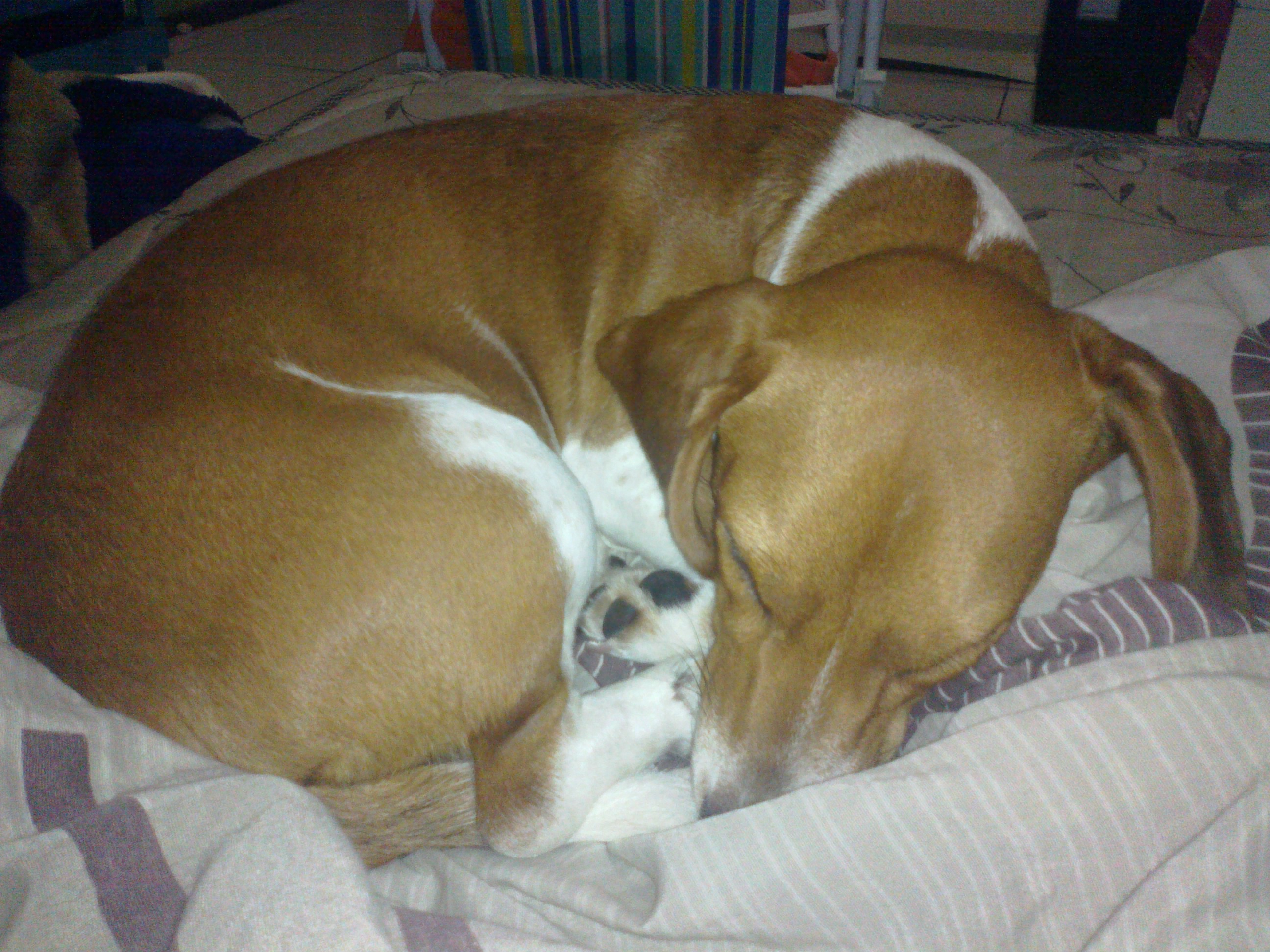
Sometimes the groan-sigh is the sound of an aging body negotiating with gravity. Older dogs with arthritis, aching muscles, or joint problems often vocalize when they lower themselves down, the way people do. Larger breeds feel their age this way most openly.
There are sharper medical causes too. Hip dysplasia can make lying down painful. Pulled muscles and torn ligaments change how a dog settles.
Internal fluid buildup in the abdomen, a condition called ascites, can press on the lungs and produce sighing and groaning when the dog lies down.
Note the direction of relief: a dog that sighs while lowering itself may be hurting, while a dog that sighs once settled may be expressing relief at finding a comfortable position. Either way, a new pattern of noisy settling in a senior dog is worth mentioning at the next checkup.
When to call the vet
Most sighing is behavioral, not medical. Burch told Discover that a one-off sigh is nothing to worry about. The line into concern is drawn by repetition and company.
Call the veterinarian if the sighing is new, frequent, and paired with other changes: stiffness when moving, loss of appetite, disrupted sleep, excessive licking of one spot, new aggression, toilet accidents, or wincing when touched. Repeated sighs that sound like the dog is struggling to fill its lungs may actually be gasps, which can point to a breathing problem or acute anxiety.
A useful baseline: dogs breathe roughly 15 to 30 times per minute at rest, according to PetMD figures cited by Toe Beans. Breathing that is forced, much faster without a clear cause, wheezy, or labored is a warning sign on its own, sigh or no sigh.
Frequently asked questions
Why does my dog sigh when I cuddle it?
Usually comfort. A single sigh as the dog melts against you means it is relaxing. If the sighs come every few minutes and the dog seems restless or squirmy, it may be too warm or uncomfortably squished, so try shifting position.
My dog never used to sigh. Should I worry?
A new behavior is worth watching but not worth panic. Dogs change with age, and the shift from adult to senior brings the most changes. Track whether the sighing comes with stiffness, appetite changes, or other new signs, and mention it to your vet if it persists.
Why does my dog sigh in its sleep?
Mostly the same reasons as waking sighs: relaxation, the pressure of the body on the lungs, and the nervous-system shifts of sleep cycles. Some sleep sighs may accompany dreaming. As long as the dog is not struggling to breathe, it is normal.
Can sighing mean my dog is disappointed in me?
Burch says dogs do sometimes sigh when they do not get something they want, and people often read that as disappointment. It is closer to mild frustration or a bid for attention than a moral judgment. A better treat topper usually fixes the kibble-dish sigh.
Do all dogs sigh, or only some breeds?
All dogs sigh, but volume varies wildly. Size, lung capacity, and how vocal the individual dog is decide whether you hear a whisper or a theatrical groan. Quiet dogs are not broken; they are just quiet.
The bottom line
The deep sigh your dog lets out when lying down is, most of the time, the sound of a creature arriving at comfort. Check the body around it: soft eyes and loose muscles mean contentment, staging and eye contact mean boredom, tension means stress, and new noisy settling in an older dog means a vet visit is due.
Learn to read the sigh in context and you gain a small, daily window into how your dog feels about its life. Most days, the report is good.
Tags: dogs, dog behavior, pet care, body language
Latest in Pets
- Why your dog licks your face constantly
- Why your cat brings you dead animals as gifts
- Why your dog spins in circles before pooping
- Why your cat chatters at birds through windows
Get one practical pet behavior explainer in your inbox every morning. Subscribe to the Rive News newsletter.
Related stories

Why Does My Dog Eat Grass and Vomit?
A UC Davis study of 1,571 owners found grass eating is normal dog behavior, not self-medication: only 10% were ill first. What the science

Why Does My Dog Stare at Me While I Eat?
Dogs stare at you while you eat because it has worked before, and mutual gaze raises bonding hormones. Learn the reinforcement science

Foods toxic to dogs: the list, with reasons
Chocolate, xylitol, grapes, onions: common foods can harm dogs. Learn what makes each one toxic, the warning signs, and what to do if your