
Why Does My Cat Bring Me Dead Animals as Gifts? Vets Explain
Key takeaways
- Cats deliver dead prey from instinct, not hunger: researchers call it maternal teaching behavior.
- A 2023 study found dominant, active cats bring home far more kills than shy ones.
- Indoor time, bell collars, and daily play cut the deliveries without punishing the cat.
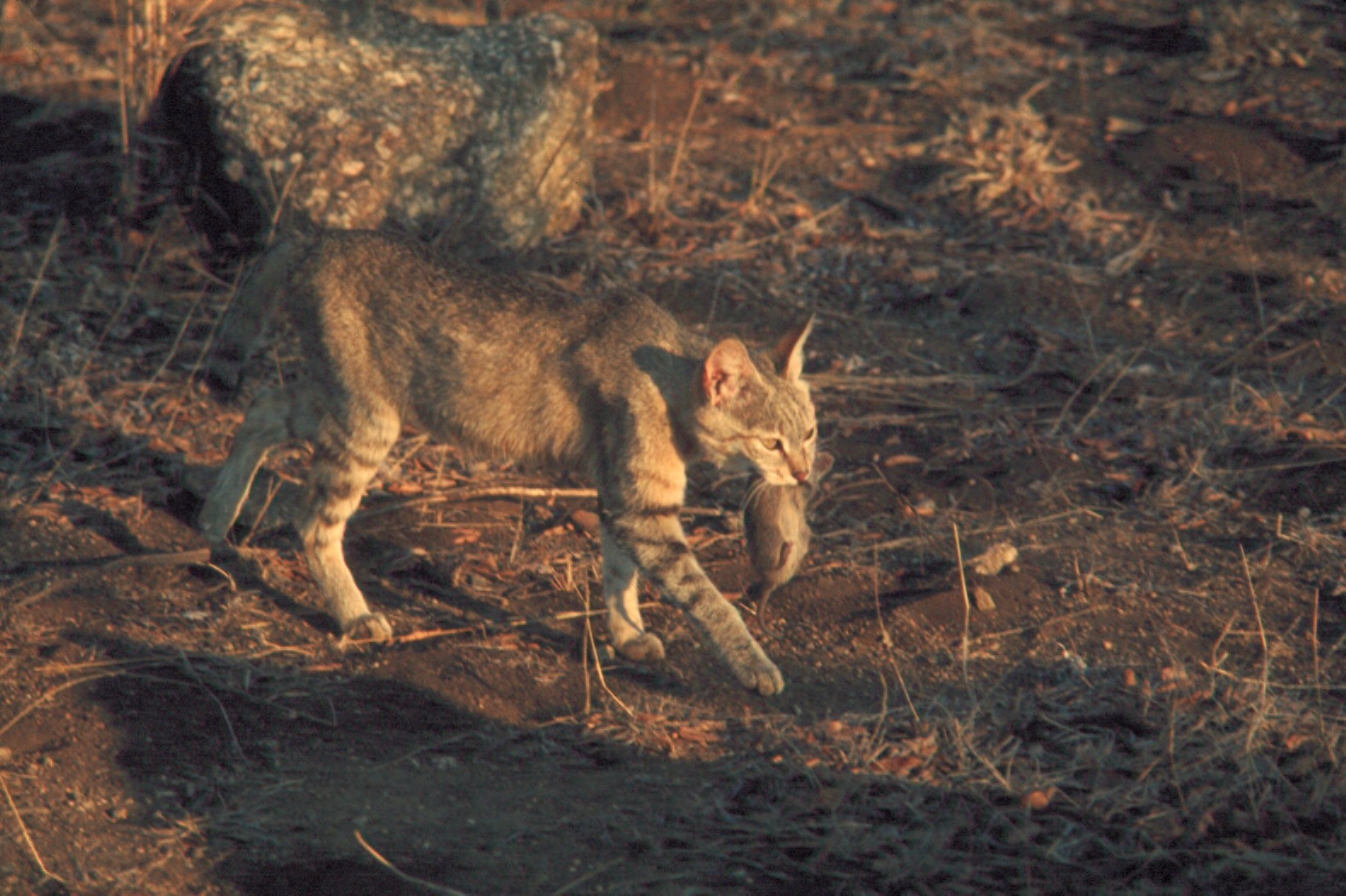
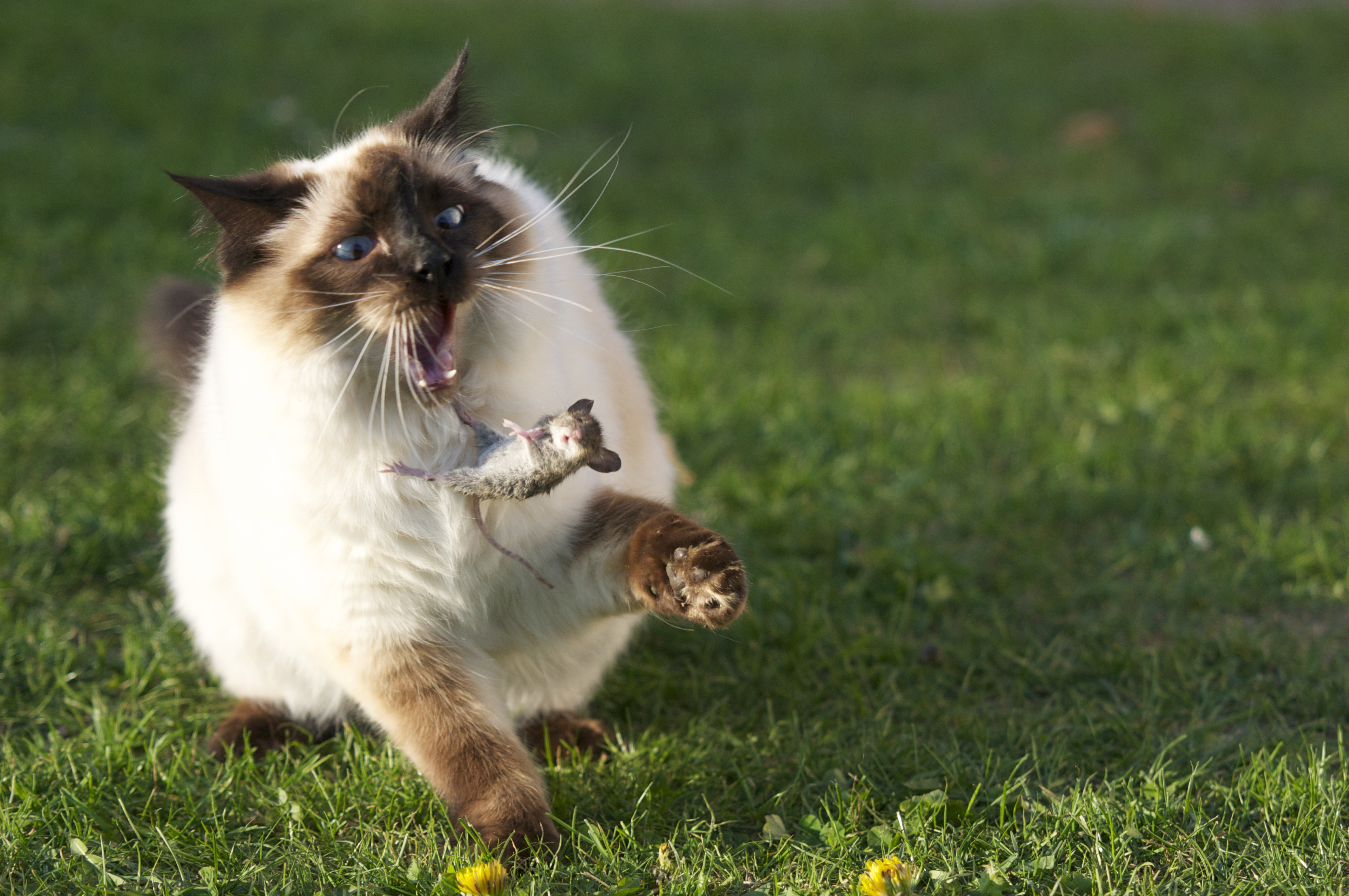
A dead mouse on the doormat is one of the strangest honors a pet owner can receive. The cat sits beside it, proud and expectant, while you stare at the small body and wonder what you did to deserve it.
Researchers call this behavior prey delivery. It happens when a cat hunts, kills, and then carries the catch back to a chosen person instead of eating it where it fell. Outdoor cats do it most, but strictly indoor cats run the same program with toys, socks, or hair ties.
This article takes a closer look at why cats bring dead animals home, including the gift theory, the maternal teaching theory, why some cats hunt more than others, what the deliveries mean for local wildlife, and how to reduce them.
The gift theory
The simplest reading is the one most owners reach first: the cat is giving you a present. In this view, the mouse or bird is a token of affection, a way of sharing a successful hunt with someone the cat counts as family.
There is real support for this framing. Dr. Stephanie Liff, a veterinarian and medical director of Pure Paws Veterinary Clinic in New York City, told Live Science that the behavior is "kind of a compliment," adding that cats who do it feel comfortable in their home and see their owners as part of the family.
But the gift reading is probably too human. Michael W. Fox, a veterinarian and animal behavior expert, argues in his book Understanding Your Cat that bringing prey home is "less a tribute or token offering to you than an instinct," according to Petful.
The cat is not wrapping a present. It is running a program.
That program can still feel affectionate in practice. A cat that drags prey to your pillow chose you, specifically, as the recipient. Whether that choice comes from love or from hardwiring, the practical result is the same: you are in the cat's inner circle.
The teaching theory
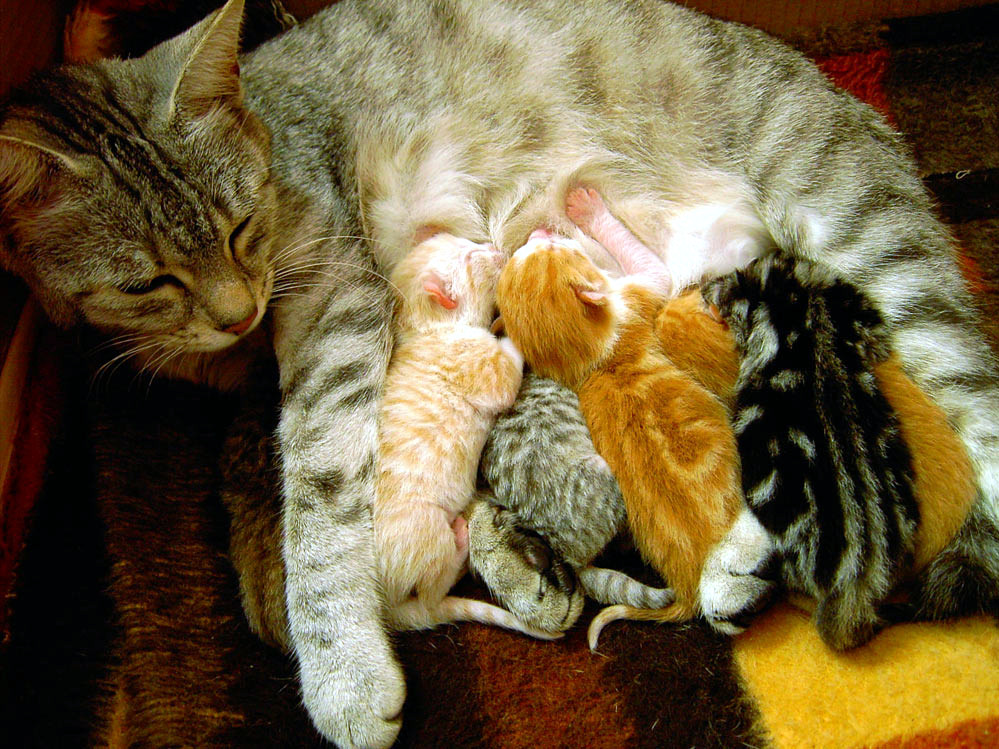
The leading scientific explanation is less flattering to our egos and more interesting. In the wild, mother cats run a hunting school. They start by bringing dead prey to the nest, then graduate to injured prey the kittens can practice on, and finally lead the young out to hunt beside them.
Emmanuelle Baudry, an urban ecologist at the University of Paris-Saclay, told Live Science that this maternal behavior is the leading hypothesis for why pet cats deliver prey to people. The awkward implication, in her words, is that your cat may see you as "not very effective kittens."
That is not an insult in feline terms. It is inclusion. A mother cat only invests teaching effort in her own young, so treating you as a hopeless hunter in need of lessons means the cat has folded you into its family structure.
The teaching theory also explains a detail the gift theory cannot: why cats so often deliver prey they never finished killing, or toys instead of real animals. A half-dead mouse is exactly the teaching material a mother cat would choose. A toy mouse dropped at your feet with an expectant stare is the indoor version of the same curriculum.
Why some cats hunt more than others
Not every cat is a delivery driver. Researchers have long noticed that some cats hunt constantly while others barely bother, and a 2023 study in the journal Ecology and Evolution put numbers to the difference.
Baudry and her colleagues found that cats rated by their owners as dominant, aggressive, and active brought home more dead animals. Cats described as shy and friendly toward their owners brought home fewer. Personality, in other words, predicts the body count.
Environment matters just as much. A rural cat with room to roam meets more targets than a city cat with a small territory, so it hunts more. The amount of time a cat spends outdoors is the other big lever: more hours outside means more chances to catch something.
Breed tilts the odds too. According to Catster's veterinary-reviewed guide, breeds with a stronger prey drive include the Siamese, Maine Coon, Bengal, Abyssinian, and Burmese, while Himalayans and Ragdolls tend to be more relaxed hunters. None of this is destiny, but it stacks the deck.
What the deliveries mean for local wildlife
The dead mouse on the mat is a household nuisance. Multiplied across millions of cats, it is an ecological event. Domestic cats kill billions of birds and small mammals every year, and researchers count them among the main drivers of wildlife population declines, pushing some island species toward extinction.
A 2013 study by UC Santa Cruz researchers, cited by Catster, described cats as invasive superpredators that cause considerable ecological damage, especially in confined regions like islands. Your cat's gifts are data points in that larger pattern.
Hunting is also risky for the hunter. Wild prey can carry parasites, bacteria, and contaminants, and outdoor cats can meet venomous snakes, larger predators, or traffic. Redirecting the hunting instinct indoors protects both the wildlife and the cat.
How to reduce the deliveries
Punishing the cat does not work and misses the point. The behavior is instinct, not disobedience, and scolding a cat for following its nature only damages trust.
The most effective step is also the simplest: limit what the cat can catch. Dr. Liff recommends keeping cats indoors or removing bird feeders from around the home, since fewer targets means fewer deliveries.
Timing helps for cats that do go outside. Cats hunt most at dawn and dusk, so keeping the cat in during those peak hours cuts hunting success sharply, according to Catster. A breakaway collar with a bell also warns prey and lowers the catch rate.
Finally, meet the instinct halfway. Wand toys, feather teasers, and puzzle feeders give the cat something to chase, catch, and "kill" that does not bleed. A cat with a full play schedule has fewer reasons to shop outdoors.
Whatever you do, accept the compliment gracefully when a delivery arrives. Scoop it up discreetly, dispose of it with gloves or a bag, and wash your hands. The cat will never understand why you threw away such a fine mouse, but the bond survives the misunderstanding.
Frequently asked questions
Do cats bring dead animals because they are hungry?
No. Cats with full food bowls hunt just as readily as hungry ones. The behavior is driven by instinct, not appetite, which is why feeding more never stops it.
Why does my cat bring me toys instead of real animals?
Indoor cats run the same program with substitute materials. A toy carried to your feet and dropped with an expectant look is the indoor version of prey delivery, and it often means the cat wants playtime or attention.
Should I let my cat eat what it catches?
No. Wild prey can carry parasites, bacteria, and contaminants. Dispose of dead animals with gloves or a bag, wash your hands, and keep the cat's regular diet as its food source.
Are female cats more likely to bring home prey?
Female cats are the most frequent deliverers in many observations, which fits the maternal teaching theory, since mother cats run the hunting school in the wild. Individual personality and outdoor access matter more than sex alone.
Will a bell collar stop my cat from hunting?
A bell reduces hunting success by warning prey, and researchers have tested collars as one treatment to cut domestic cat predation. It will not erase the instinct, but combined with daily indoor play it meaningfully lowers the kill count.
The bottom line
Your cat is not being cruel, and it is not malfunctioning. Prey delivery is an ancient maternal program running on modern hardware, aimed at a family member the cat considers a hopeless hunter.
You cannot train it out, but you can redirect it with play, limit it with indoor time and bell collars, and protect local wildlife in the process. Take the dead mouse as the compliment researchers say it is, dispose of it quietly, and go back to being the world's worst kitten.
Tags: cats, cat behavior, pet care, hunting instinct
Latest in Pets
- Why your dog sighs when it lies down
- How much sleep cats really need
- Why cats hate water but some breeds swim
- Why your cat chatters at birds through windows
Get one practical pet behavior explainer in your inbox every morning. Subscribe to the Rive News newsletter.
Related stories

Why Does My Dog Eat Grass and Vomit?
A UC Davis study of 1,571 owners found grass eating is normal dog behavior, not self-medication: only 10% were ill first. What the science

Why Does My Dog Stare at Me While I Eat?
Dogs stare at you while you eat because it has worked before, and mutual gaze raises bonding hormones. Learn the reinforcement science

Foods toxic to dogs: the list, with reasons
Chocolate, xylitol, grapes, onions: common foods can harm dogs. Learn what makes each one toxic, the warning signs, and what to do if your