
Why Do Cats Chatter Their Teeth at Birds? The Hunting Instinct
Key takeaways
- Cats chatter when their hunting instinct fully engages but a window blocks the hunt, creating a burst of excitement and arousal.
- One leading theory says the jaw movement rehearses the killing bite cats use on prey; another points to vocal mimicry seen in wild cats.
- Chattering is normal and healthy; it only warrants attention if it comes with appetite loss, lethargy, or breathing changes.
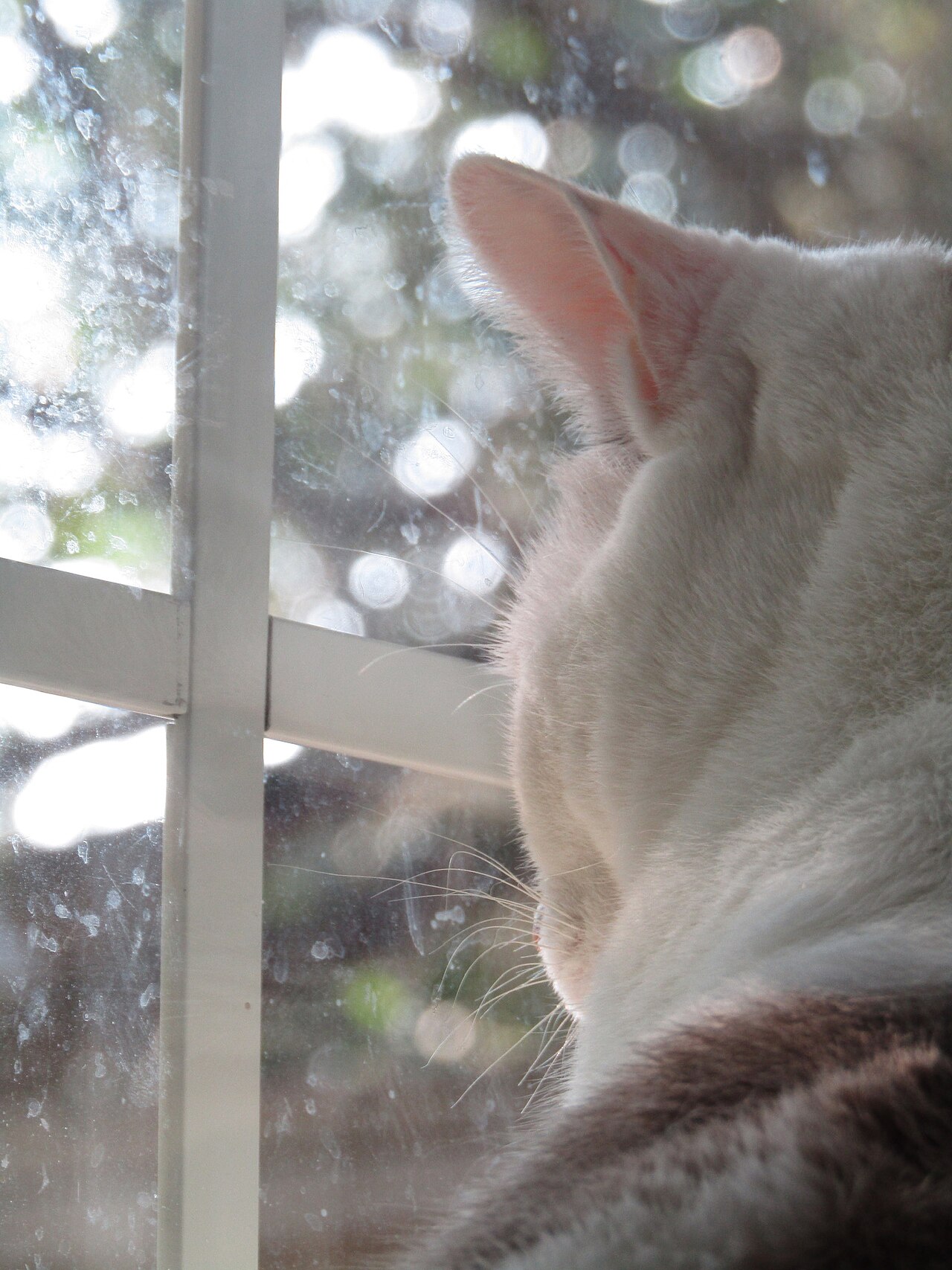
The sequence is familiar to every cat owner. The cat freezes at the window, eyes locked on a sparrow. The tail starts twitching.
Then comes the sound: a rapid, stuttering teeth-clacking, the jaw vibrating, a noise somewhere between a chirp and a shiver. Owners call it chattering, chirping, or the "ek-ek-ek. "
It looks like frustration, and partly it is. But the chatter is also one of the clearest windows into how a domestic cat's brain still runs ancient hunting software. This article explains why cats chatter their teeth at birds through windows, including the three leading scientific theories, how the sound differs from other cat vocalizations, and when it is worth a closer look.
What the chatter actually is
First, a useful distinction. Cat owners use chirp, chatter, and trill almost interchangeably, but they are slightly different sounds. Petful's behavior guide lays them out: a chirp is a short, high, birdlike peep that usually signals excitement or a friendly greeting; a chatter is the rapid, stuttering teeth-clacking with a vibrating jaw, aimed at prey the cat cannot reach; a trill is a soft rolling sound made with the mouth closed, usually affectionate.
A cat watching a fly might chirp, then slide into a hard chatter as focus sharpens.
The chatter happens at one very specific moment: when the cat is alert, visually locked onto something it wants, and physically unable to reach it. Animal behaviorists agree on that much. The disagreement is about what the jaw movement means, and three theories dominate.
Theory 1: excitement and frustration
The most widely accepted explanation is predatory arousal with nowhere to go. When a cat spots prey, the full hunting sequence switches on: stare, stalk, pounce. Adrenaline floods the system, pupils dilate, muscles tense.
But the glass stops the sequence cold. The built-up energy escapes as sound and jaw movement.
FelineLogic describes it vividly: the cat is revving the engine while the parking brake is on. The Times of India's science coverage notes that cats are biologically programmed to respond strongly to bird sounds in particular, with meaning carried in the timing and pitch of the chirp. The bird is not background noise to a cat's brain.
It is the highest-priority signal in the environment, and being unable to act on it creates genuine arousal.
One caveat from behaviorists: the "frustration" label is debated. Petful notes that some researchers argue there is little solid evidence cats feel true frustration in these moments, and that the sound may simply be high arousal and anticipation. Either way, the chatter marks a cat fully engaged with its predatory nature, not a cat in distress.
Theory 2: rehearsing the killing bite
The second theory is more specific and more startling. When a cat catches prey, holding it is not enough: the animal struggles, and the cat must deliver a fast, precise bite to the back of the neck to disable it. Veterinary behaviorists cited by FelineLogic describe the technique in detail: the cat targets the gap between the cervical vertebrae just behind the skull, using a rapid vibrating jaw motion to force the canine teeth between the bones and sever the spinal cord.
The theory holds that window chattering is an involuntary rehearsal of that killing bite. The sight of the bird triggers an automatic muscle-memory response, and the jaw runs the program even though the prey is out of reach. On this view, the chatter is not just excitement leaking out.
It is the body practicing the exact movement it would use if the glass disappeared. It is a striking reminder that the animal on the windowsill is, neurologically, a small predator running combat drills.
Theory 3: vocal mimicry
The most colorful theory involves deception. Certified cat behaviorist Mieshelle Nagelschneider has pointed to bird mimicry as a possible driver of chattering, and Petful notes the wild-cat evidence behind it: the margay, a small wild cat of Central and South America, has been documented mimicking the calls of its prey to lure monkeys closer, a behavior recorded by Wildlife Conservation Society researchers in the Brazilian Amazon. Ocelots have been observed doing the same with bird-like sounds.
The idea is that the domestic cat chattering at a pigeon may be attempting a faint echo of that strategy: producing birdlike sounds to lower the prey's guard. A house cat is not that calculating, but the instinct may share the same roots. Of the three theories, this one has the least direct evidence in domestic cats, and most experts treat it as intriguing rather than proven.
What the research on cat sounds adds
The chatter sits inside a surprisingly rich vocal system. Dr. Susanne Schotz, a phonetician at Lund University in Sweden, leads the Meowsic research project on cat vocalizations.
She has catalogued chirps, trills, and chatters as part of a feline sound repertoire far beyond the basic meow. Her work underscores that these are not random noises but structured vocalizations with consistent contexts.
Context also separates the chatter from lookalike sounds. A chirp aimed at a human is usually a greeting, a habit tracing back to kittenhood, when mother cats chirp and trill to call their kittens. International Cat Care describes those chirrups as friendly, greeting-style sounds.
So the same sound aimed at you means affection, while aimed at the window it means hunting mode. Direction and context tell you which.
Is chattering normal, and when should you worry?
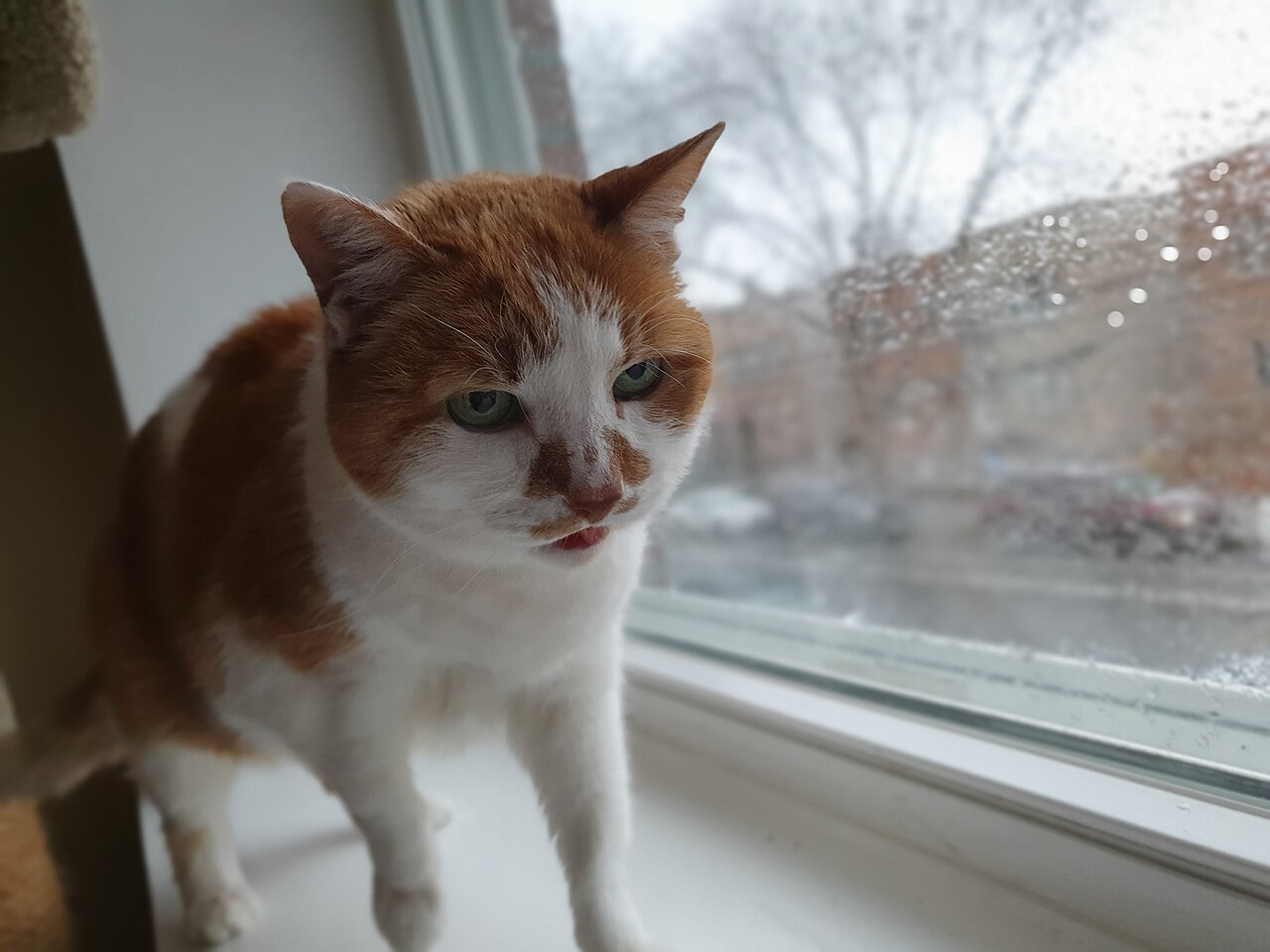
For the vast majority of cats, chattering is completely normal and a sign of a healthy, engaged animal with strong instincts. Indoor cats are often the most enthusiastic chatterers, because the window becomes their personal hunting ground. There is nothing to fix.
The exception is company the chatter keeps. Petful advises a vet visit if chattering appears alongside appetite loss, low energy, coughing or wheezing, breathing changes, or new restlessness and pacing. In those cases the sound is not the problem; the accompanying symptom is what the vet needs to evaluate.
Teeth chattering can occasionally relate to dental pain, but the window-watching context, with the cat alert and focused on prey, points to hunting arousal rather than a medical issue.
One behavior worth watching is redirected frustration. A cat that gets extremely worked up at unreachable prey will occasionally turn and swat a nearby pet or person. If that happens, it signals the cat has more hunting energy than outlets, which is a cue to add interactive play, not a sign of a bad cat.
How to give the instinct a healthy outlet
Window watching is genuine enrichment, but a hunt that never concludes can leave a cat overstimulated. The fix is to complete the hunting cycle artificially. Feather wands and small prey-like toys invite the full stalk-and-pounce sequence, and puzzle feeders engage the same problem-solving the hunt requires.
FelineLogic recommends a specific routine: when the bird flies away, grab the feather wand, let the cat chase and catch it, and let the cat sink its teeth into the toy. Letting the cat "win" delivers the payoff the window never provides.
A window perch also helps, giving the cat a comfortable front-row seat rather than a cramped sill. And some owners report that gently chirping back at a chattering cat sparks interactive play, pulling the human into the hunt as a partner. Like a dog's pre-poop spin, the chatter is ancient instinct expressing itself in a modern living room.
The kindest response is to meet the instinct halfway.
Frequently asked questions
Why do cats chatter their teeth at birds but not at people?
The chatter is a hunting-driven sound aimed at prey, while sounds aimed at people, like meows and trills, are social. A cat chirping at you is usually greeting you, a habit from kittenhood when mother cats chirped to call their kittens.
Do all cats chatter at birds?
No. Some cats chatter constantly, others almost never, and both are normal. It depends on the individual cat's prey drive and how much wildlife they can see.
Is my cat frustrated or happy when chattering?
Mostly aroused and engaged rather than unhappy. The behavior indicates excitement and focus. True distress looks different: hiding, hissing, or flattened ears, not an alert chatter at the window.
Can chattering mean my cat is in pain?
Chattering at birds through a window is almost always hunting behavior. Teeth chattering in other contexts, especially with drooling, pawing at the mouth, or appetite loss, can indicate dental issues and deserves a vet check.
The bottom line
Cats chatter their teeth at birds because the sight of prey switches on a complete hunting sequence that the window will not let them finish. Whether the jaw movement is leaked excitement, a rehearsal of the killing bite, or an echo of wild-cat mimicry, it is the sound of a predator's brain doing exactly what it evolved to do. Give the instinct a healthy outlet with interactive play, enjoy the dolphin noises, and only worry if the chatter ever arrives with signs that something else is wrong.
Filed under: cats, cat behavior, pet science, hunting instinct
Latest in Pets
- Why does my dog spin in circles before pooping?
- Why does my cat bring me dead animals as gifts?
- Why do cats sleep so much and when is it too much?
- Why do cats hate water but some breeds swim?
Subscribe for one research-backed pet explainer every morning.
Related stories

Why Does My Dog Eat Grass and Vomit?
A UC Davis study of 1,571 owners found grass eating is normal dog behavior, not self-medication: only 10% were ill first. What the science

Why Does My Dog Stare at Me While I Eat?
Dogs stare at you while you eat because it has worked before, and mutual gaze raises bonding hormones. Learn the reinforcement science

Foods toxic to dogs: the list, with reasons
Chocolate, xylitol, grapes, onions: common foods can harm dogs. Learn what makes each one toxic, the warning signs, and what to do if your