
Former GP banned from keeping pets after home found in squalor
Web StoryWatch this story in 15 seconds →Key takeaways
- Nicola Stirk, 63, was banned from keeping cats and dogs for two years.
- A court also gave her a 15-month community order, plus £900 in costs and a £114 fee.
- All four pets were signed over to the RSPCA and now have safe new homes.

A former GP cannot keep cats or dogs for two years. A court gave Nicola Stirk, 63, the ban on October 20, 2026. RSPCA inspectors found her four pets living in filth in County Durham.
Stirk is from Hutton Henry, near Hartlepool. She worked as a GP, a local family doctor.
She admitted she failed to meet her animals' needs. She also admitted she failed to give them a fit place to live.
What happened
Teesside Magistrates' Court heard the case on October 20. Magistrates are local judges who hear less serious cases. The court gave Stirk a 15-month community order.
A community order is a punishment served in the community, not in prison. It can include unpaid work and set rules to follow. The court also banned her from keeping cats and dogs for two years.
Stirk must also pay £900 in costs. She must pay a £114 victim surcharge as well. A victim surcharge is an extra fee that goes to a fund for victims.
What inspectors found
RSPCA Inspector Rowena Proctor visited the home on February 3, 2026. The charity went after people raised concerns about the animals. Her written account to the court described a home full of rubbish and waste.
The passageway had faeces and rubbish on the floor. A sofa had been chewed by the dogs until it could not be used. Floors through the house were covered in rubbish, faeces, and urine.
The kitchen was in the same state. Faeces were in almost every place she looked.
The dogs lived downstairs, behind a baby gate. The cats lived upstairs.
One spare bedroom had rubbish piled a couple of feet high. The bathroom was filthy and could not be used in a normal way. A litter tray sat in a built-up carpet of faeces.
The bath looked unused and was black and brown with dirt. The toilet most likely did not flush. The house had a dreadful smell, the court heard.
A vet looked at the animals and at photos and video from the home. The vet agreed the animals were suffering, or would soon suffer, if nothing changed. That view was key to the case.
A warning came first
This was not the first time the RSPCA had raised concerns. The court heard Stirk had been warned before, when conditions first got worse. A later visit showed things had improved.
Stirk said at that time that she was hiring cleaners. But the charity was called again later, after conditions got worse once more. The February 2026 visit followed that new concern.
In mitigation, the court heard Stirk had mental health problems. Mitigation means reasons put forward to explain a person's side. She wanted help, the court was told.
The magistrates said their aim was to get her support. They wanted her to be pointed to services that could help her. They said they wanted her to have a better quality of life.
What happened to the four pets
Stirk signed all four animals over to the RSPCA. That means she gave up ownership of them. The four pets were two cats and two dogs.
The cats, Charlie and Maddy, recovered well. They were rehomed by the RSPCA's Coventry and District Branch. Rehomed means they were placed with new families.
The dogs went to the RSPCA's Felledge Animal Centre near Chester-le-Street. Mabel is a Doberman. Anya is a Borzoi, a tall, long-coated breed.
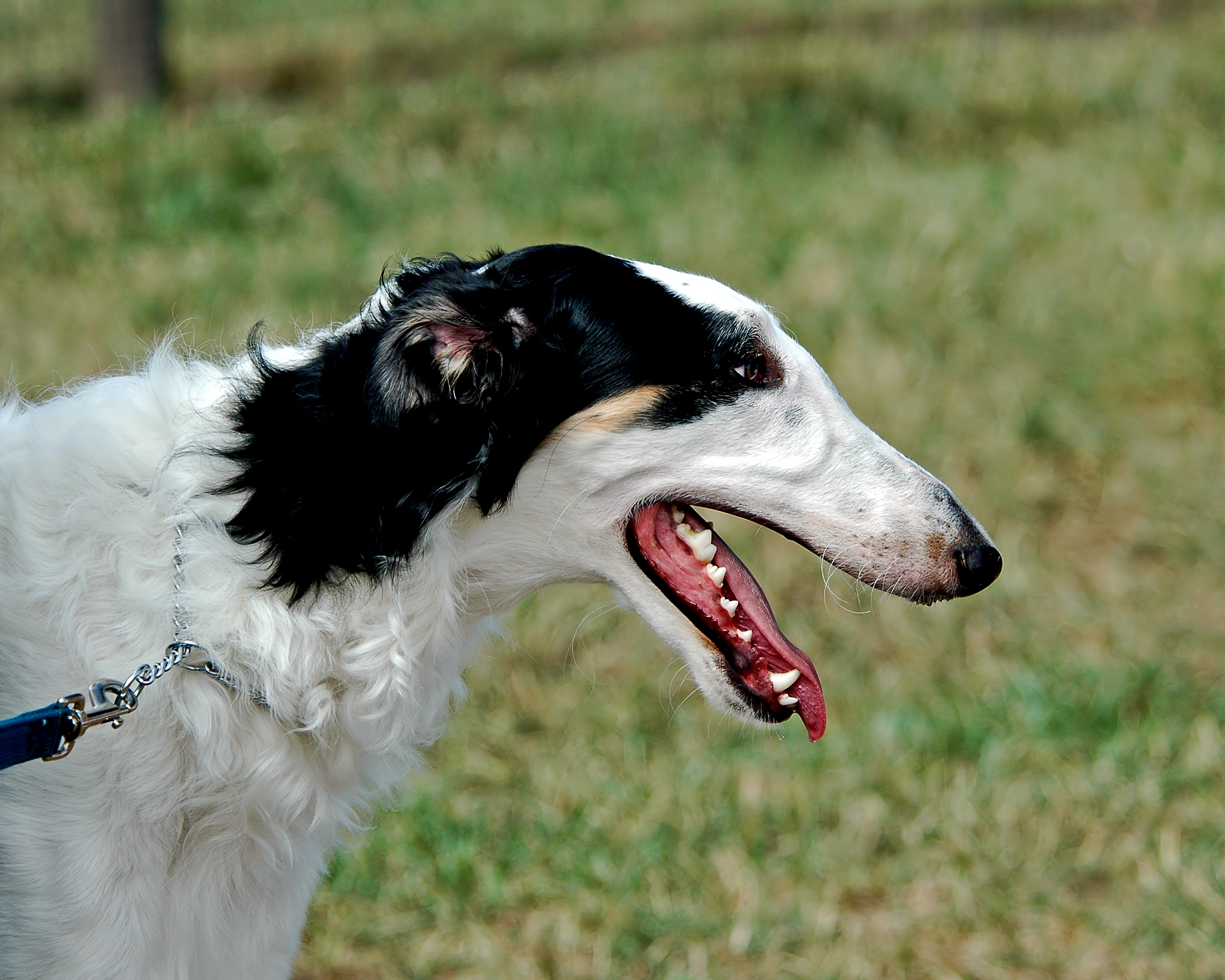
Mabel settled fast with her new family. Deputy Centre Manager Luka Atkinson called her a very easy-going dog. She needed only a little basic training.
Anya needed far more help. She arrived very shut down and found daily life hard. Staff spent months building her confidence with handling, walks, and meeting other dogs.
Clinical behaviour experts helped with her care. She also got specialist medication. She now has a new home lined up with a male Borzoi she has met.
Why it matters
Pet owners have a legal duty to meet their pets' needs. That duty covers food, water, and a clean place to live. It also covers care when a pet is sick or in pain.
Cats can be picky about where they drink. That is one reason cats may prefer a tap to a bowl. Fresh water and clean bowls are part of basic daily care.
Dogs also tell owners how they feel through small habits. One common habit is explained in why dogs lick their paws so much. Owners who spot a change early can ask a vet for help sooner.
When care slips, pets cannot fix it on their own. They depend on the people who keep them. This case shows what can happen when that care breaks down over time.
It also shows that help can come in time. All four pets survived and found safety. Three have new homes, and the fourth has one lined up.
What happens next
Stirk's two-year ban is now in force. She cannot keep cats or dogs during that time. Breaking the ban could bring her back to court.
Her community order runs for 15 months. She must follow its rules for that full period. The court also wants her to get support for her health.
The pets' new chapter is the brighter part of the story. Charlie and Maddy are with new families. Mabel has settled with hers.
Anya's new home is lined up and waiting. Her long road back shows how much work rescue teams do. Pets also copy their owners in small ways, as explained in why pets yawn when you yawn.
Anyone worried about a pet can contact the RSPCA. Early help can stop a bad home from getting worse. It can also spare pets months of harm.
Related stories
Why Does My Dog Eat Grass and Vomit?
A UC Davis study of 1,571 owners found grass eating is normal dog behavior, not self-medication: only 10% were ill first. What the science
Why Does My Dog Stare at Me While I Eat?
Dogs stare at you while you eat because it has worked before, and mutual gaze raises bonding hormones. Learn the reinforcement science
Foods toxic to dogs: the list, with reasons
Chocolate, xylitol, grapes, onions: common foods can harm dogs. Learn what makes each one toxic, the warning signs, and what to do if your