
Why Do Hamsters Stuff Their Cheeks So Full?
Key takeaways
- Hamsters stuff their cheeks to carry food to a safe place, not to eat it where they found it.
- A full pouch can hold up to 20% of a hamster's body weight in food.
- A cheek that empties again after a stash trip is normal, while a cheek that stays full needs a vet.
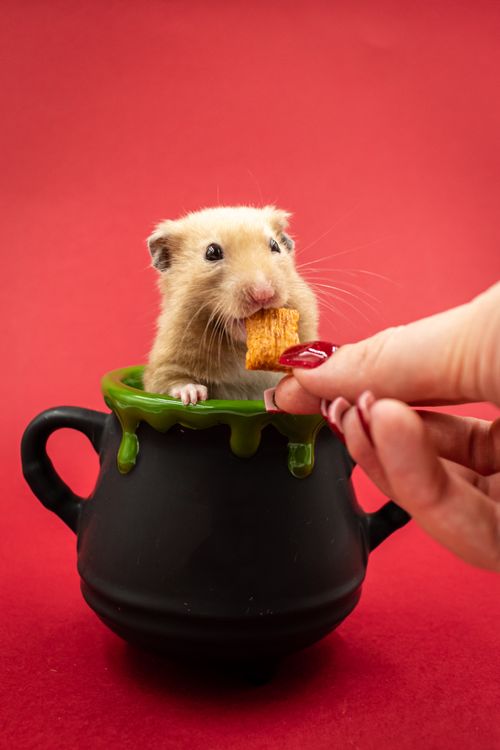
A hamster with stuffed cheeks looks like it swallowed two marbles. The face goes round, the head looks wider, and the animal keeps gathering food as if dinner were a race. The sight is funny, but it is also serious equipment at work.
Those bulging cheeks are not fat and not swollen tissue. They are expandable pouches that open inside the lips. A hamster fills them, carries the load somewhere private, and unloads it.
This article explains what cheek pouches are, why hamsters stuff them so full, what happens after the cheeks fill, what owners should and should not do, and when a full cheek needs a vet.
What cheek pouches are
A cheek pouch is a stretchy pocket on each side of a hamster's face. It opens inside the mouth, behind the lips, and it can stretch far back when it fills. The pouches are built to hold cargo, not to chew it.
Food sits inside until the hamster decides to unload it.
The scale of the stretch surprises most owners. The MSD Veterinary Manual notes that a full pouch can extend behind the shoulder area and make the head and shoulders look more than twice as wide. That figure comes from veterinary guidance cited by CloudyAww.
A hamster that looks twice as wide as usual may simply be carrying a full load.
Pouch size varies by species. There are 24 species of hamsters, according to the Universities Federation for Animal Welfare, cited by Live Science. Pet hamsters range from dwarf types only a few inches long to Syrian hamsters about 6 inches long.
Pouches also do more than carry seeds. Pet hamsters sometimes tuck light nesting material inside them. Wild hamsters use the same trick to move bedding and food in one trip.
The pouch is a transport tool, not a stomach.
Why hamsters stuff them so full
The short answer is survival. Hamsters evolved in dry grasslands and steppes where food was patchy and predators were a constant threat. An animal that eats in the open is exposed.
An animal that grabs food fast and eats it in a burrow is safer.
Stuffing the pouches lets a hamster collect a large meal in seconds. It can then sprint for cover and sort out the food in private. The behavior is hard-wired, and it does not switch off in captivity.
A pet hamster with a full food bowl will still pouch, carry, and stash.
The word hamster itself points to the same habit. The name comes from the German word "hamstern," which means "hoard," according to the journal Aging and Biological Rhythms, cited by Live Science. Hoarding is not a quirk on top of hamster life.
It is the core of how these animals handle food.
Capacity explains why the cheeks look so extreme. Some hamsters can fit up to 20% of their own body mass in their cheek pouches, according to Live Science. A 100 gram hamster could therefore carry about 20 grams of food in its cheeks.
The exact amount varies by species and by the size and shape of the food, but the order of magnitude is real. The face is supposed to look absurd at full load.
The behavior also follows a clear pattern: gather, carry, unload, and reset. Watch one ordinary feeding session and the cycle is easy to see.
Other pets hoard in their own ways. Cats sit in boxes even when the box looks far too small, dogs eat poop for reasons that mix instinct and opportunity, and rabbits thump their back feet to warn of danger. Hamsters are simply the most dramatic hoarders of the group, because their storage sits right on their faces.
What happens after the cheeks fill
After the cheeks fill, the hamster usually heads for a nest, a hide, or a quiet corner. The RSPCA explains that hamsters may carry food to a nest or hiding area, then eat it there or save it for later. That destination matters more than the size of the cheeks.
A hamster walking a familiar route to a familiar stash spot is doing normal work.
The stash itself is part of the plan. Pet hamsters often store food under cage bedding, and owners may find a neat pile of seeds in the same spot every week. That pile is the hamster's larder, and it shows the behavior is intact.
Food may stay pouched for hours while the hamster finishes its rounds, according to Animal Researcher. The storage time depends on the food and on how active the hamster is. A hamster with steady access to food may store less over time, while a hamster that feels rushed may pouch more.
Owners should leave dry-food stashes alone when they can. Blue Cross advises that removing an entire larder can be stressful, and it suggests leaving a small amount of clean, familiar food behind when a full clean-out is needed. A hamster that wakes up to an empty pantry may pouch harder at the next meal.
Fresh food needs different handling. A hamster may carry a soft piece of vegetable into a hidden store, where damp food can spoil out of sight. Remove old fresh food promptly and check warm, humid hiding places.
What owners should and should not do
The most useful response to stuffed cheeks is usually no response at all. Give the hamster privacy and time to finish the unload.
Never squeeze a full cheek, massage it, or pull visible material from the mouth. Cheek-pouch tissue is delicate, and a struggling hamster can be injured by well-meant handling. Something that looks like a loose seed may be lodged farther back, stuck to sticky material, or sitting beside irritated tissue.
Home extraction can turn uncertainty into damage.
Food choice matters more than handling. Dry foods such as pellets, seeds, and oats suit pouches. Sharp fragments can pierce cheek-pouch tissue, and lodged food can sometimes cause an impacted pouch, according to Blue Cross guidance cited by CloudyAww.
Skip sharp or gluey items and keep pieces small.
Dental health plays a role too. Hamsters chew the food they store, which helps keep their continuously growing teeth in check, according to Animal Researcher. A hamster with dental trouble may pouch differently or struggle to unload.
Routine observation beats nightly inspections. Notice what the face looks like before food. Watch one ordinary collection trip.
Check whether the cheeks reduce after time in the hide. Track appetite, water, droppings, grooming, and activity. Patterns are easier for a vet to assess than a single odd moment.
When a full cheek needs a vet
A cheek that stays enlarged after the usual stash routine is the main warning sign. One uneven trip is not automatically an emergency. If one side remains enlarged, or the hamster keeps returning to normal activities without the cheek resetting, the situation deserves a closer check.
Contact a vet who treats hamsters or other small mammals if a cheek stays full, especially with drooling, a wet chin, a bad smell, discharge, pawing at the mouth, reduced appetite, difficulty eating, or lower energy. The MSD Veterinary Manual also notes that swelling around the neck can accompany a cheek-pouch infection, according to CloudyAww.
Impaction is one possible cause. Impaction occurs when food debris, bedding, or other material blocks the pouch and prevents proper clearing, according to Animal Researcher. Signs include swelling or bulging in the cheek area and difficulty closing the mouth.
The hamster may also show discomfort or stop eating. Treatment often involves clearing the impaction, but Animal Researcher notes this should be done by a veterinarian to avoid injury.
Infection is another possibility. Symptoms of an abscess include swelling, redness, and discharge from the cheek area, according to Animal Researcher. Untreated infections can lead to wider problems.
Lumps or abnormal growths deserve a vet check too, since tumors can develop within cheek pouches.
Hamsters are small and can lose condition quickly when they are unwell. Waiting several days to see if a persistent change resolves on its own is risky. A vet can examine the mouth and pouch safely and decide what treatment is needed.
A clear photo of the cheek before and after the usual stash trip can help the vet without forcing extra handling.
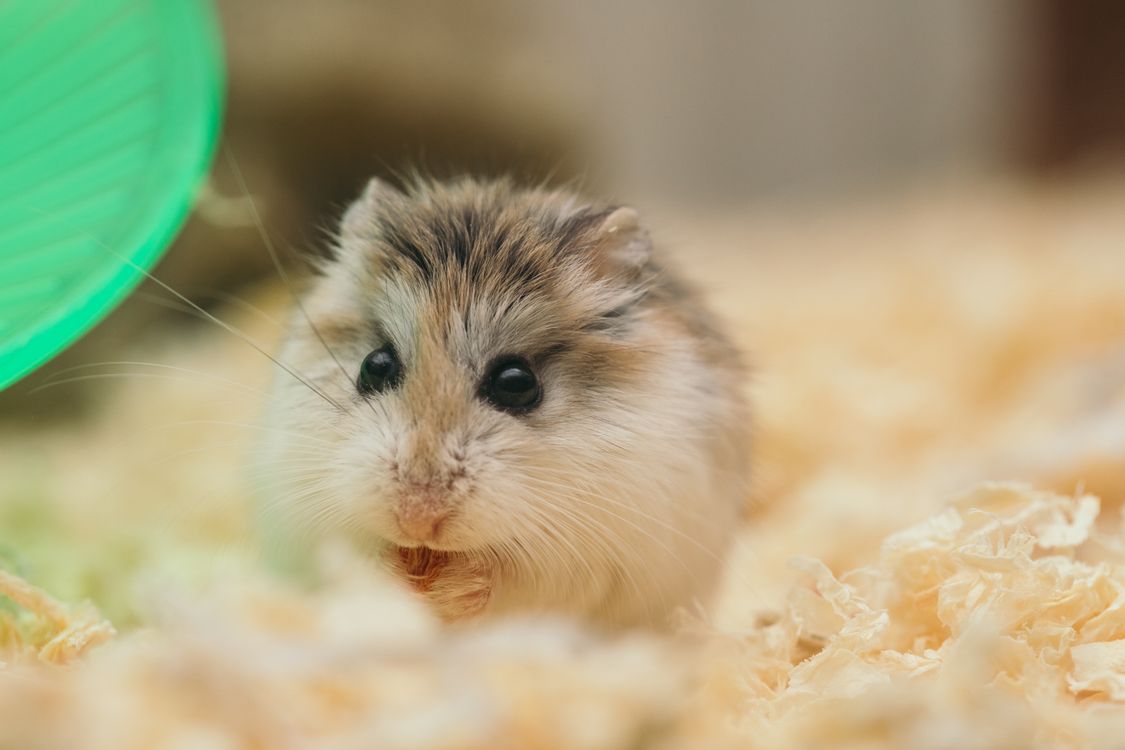
How stuffed cheeks fit normal hamster life
Stuffed cheeks sit inside a wider set of hoarding and burrowing instincts. Wild hamsters dig burrows, which are series of tunnels used to live and breed in, according to Live Science. They store food in those burrows, and living underground keeps them cool in hot climates and keeps the larder out of sight.
Hamsters reached the United States in 1936 from Syria, according to the Louisiana Veterinary Medical Association, cited by Live Science.
Frequently asked questions
Do hamsters eat the food in their cheeks right away?
No. Food in the pouches is cargo, not a meal in progress. The hamster carries it to a nest or hiding area, then eats it there or saves it for later.
How much food can hamster cheek pouches hold?
Some hamsters can fit up to 20% of their own body mass in their cheek pouches, according to Live Science. The exact amount varies by species and by food size and shape.
Is it normal for only one cheek to look full?
Yes, for a short time. A hamster may load one side more heavily during gathering. If that side empties after the stash trip, the pattern is normal.
If it stays enlarged, it deserves a vet check.
Should I empty my hamster's food stash when I clean the cage?
Leave dry-food stashes alone when you can. Blue Cross advises that removing an entire larder can be stressful. When a full clean-out is needed, leave a small amount of clean, familiar food behind.
Can hamsters get sick from stuffing their cheeks?
Stuffing itself is normal, but impaction, infection, and dental trouble can all show up as a cheek that stays full. Watch for drooling, bad smell, discharge, pawing at the mouth, or reduced appetite, and contact a vet if those signs appear.
The bottom line
Hamsters stuff their cheeks so full because the pouches are a delivery system. The animal grabs food fast, carries it to a safe place, and unloads it. A full cheek that empties again is normal hoarding at work.
A cheek that stays full, or comes with drooling, smell, or appetite loss, is a reason to call a vet. Enjoy the absurd silhouette, protect the normal hoard, and let the hamster unload without help.
Tags: hamsters, cheek pouches, pet care, animal behavior
Latest in Pets
- Why Do Cats Sit in Boxes Even Tiny Ones?
- Why Do Dogs Dream and Twitch in Their Sleep?
- Why Does My Rabbit Thump Its Back Feet?
- Why Do Dogs Eat Poop?
Subscribe for weekly pet behavior explainers in your inbox.
Related stories

Why Does My Dog Eat Grass and Vomit?
A UC Davis study of 1,571 owners found grass eating is normal dog behavior, not self-medication: only 10% were ill first. What the science

Why Does My Dog Stare at Me While I Eat?
Dogs stare at you while you eat because it has worked before, and mutual gaze raises bonding hormones. Learn the reinforcement science

Foods toxic to dogs: the list, with reasons
Chocolate, xylitol, grapes, onions: common foods can harm dogs. Learn what makes each one toxic, the warning signs, and what to do if your