
How to keep a cat entertained when you are at work
By Rive News / Research desk | Rive News / Published October 20, 2026 at 9:00 AM PKT
Key takeaways
- A bored cat may over-groom, chew furniture, spray, or yowl; these behaviors signal a need for more stimulation, though illness can look similar, so check with a vet first.
- Set up climbing spots, hiding places, and a window perch so your cat can climb, hide, and watch the world while you are at work.
- Food puzzles, toy rotation, and a short play session before and after work turn idle hours into hunting, pouncing, and napping.
Cats are hunters by nature. Even a pampered indoor cat carries the instincts of a small predator: stalk, chase, pounce, and rest.
Leave that hunter alone in a quiet flat for eight or nine hours and boredom sets in. The result is rarely a cat that simply sleeps all day. It is often a cat that invents its own entertainment, and you may not like its choices.
This article explains how to keep a cat entertained when you are at work, including how to spot boredom, setting up your home for solo play, food-based enrichment, and simple daily routines.
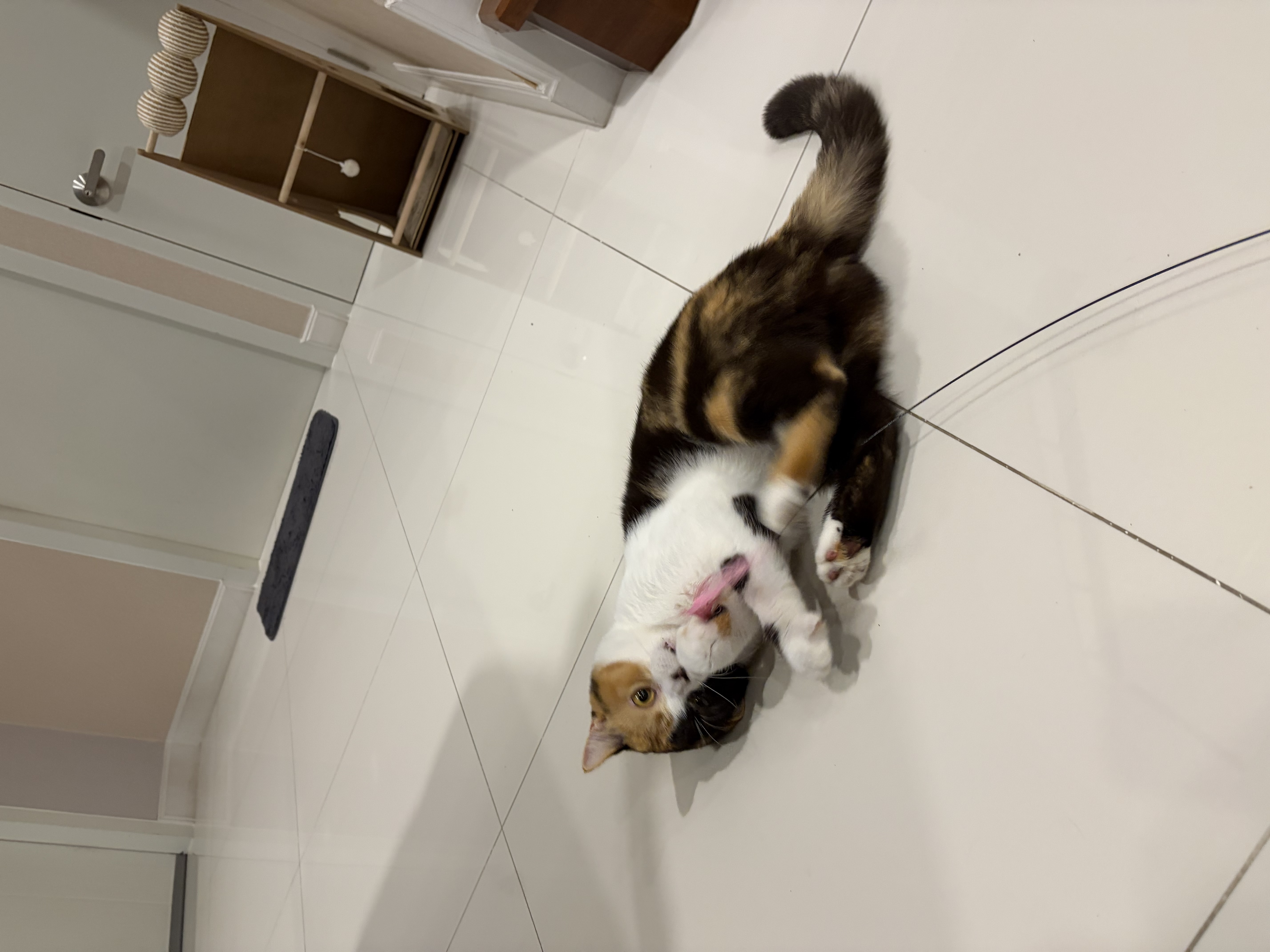
A cat bats at a toy during a play session, the kind of hunting-style activity that keeps indoor cats mentally engaged.
Image Credits: Wikimedia Commons
Signs your cat is bored while you are away
You cannot ask your cat how its day went. You have to read the evidence it leaves behind.
Veterinary teams at Star Vet Clinic list the classic signs of an under-stimulated cat: over-grooming, chewing inappropriate items, picking on other pets, retreating into isolation, overeating, compulsive behavior, loss of appetite, spraying, and yowling. A cat that has grown reclusive or suddenly clingy may also be telling you something.
Scratched-up sofa arms belong on that list too. Scratching is normal cat behavior, but a sudden increase often means the cat is redirecting energy it has nowhere else to put.
One important caution comes with the list. Many of these behaviors can also point to illness or pain, according to the same veterinary team.
If the behavior is new, sudden, or paired with changes in eating or litter box habits, book a check-up before assuming boredom is the cause. This matters because cats that follow you to the bathroom can be showing affection or anxiety, and context decides which.
Once medical causes are ruled out, enrichment is the fix. The goal is simple: give the cat things to do that scratch the hunting itch.
Set up your home for solo play
Think of your home as your cat's territory during the hours you are gone. A good territory has high places, hiding places, and things to watch.
Cats feel safer up high. PetHealthMD recommends building a vertical playground with cat trees, wall-mounted shelves, and window perches so the cat can climb, jump, and survey its surroundings. Higher vantage points help cats feel secure while giving them exercise.
A window perch deserves special attention. Peterborough Vets suggests a comfortable window seat overlooking birds or squirrels, which keeps feline curiosity engaged for long stretches. It is the closest thing to television a cat gets.
Hiding places matter just as much. Star Vet Clinic notes that curling up in a small space calms cats, and suggests boxes, drawers, and laundry baskets as safe options. Cardboard boxes cost nothing and most cats prefer them to expensive beds.
One safety note: keep washing machines closed and block gaps behind electrical appliances. Curious cats explore dangerous spaces too.
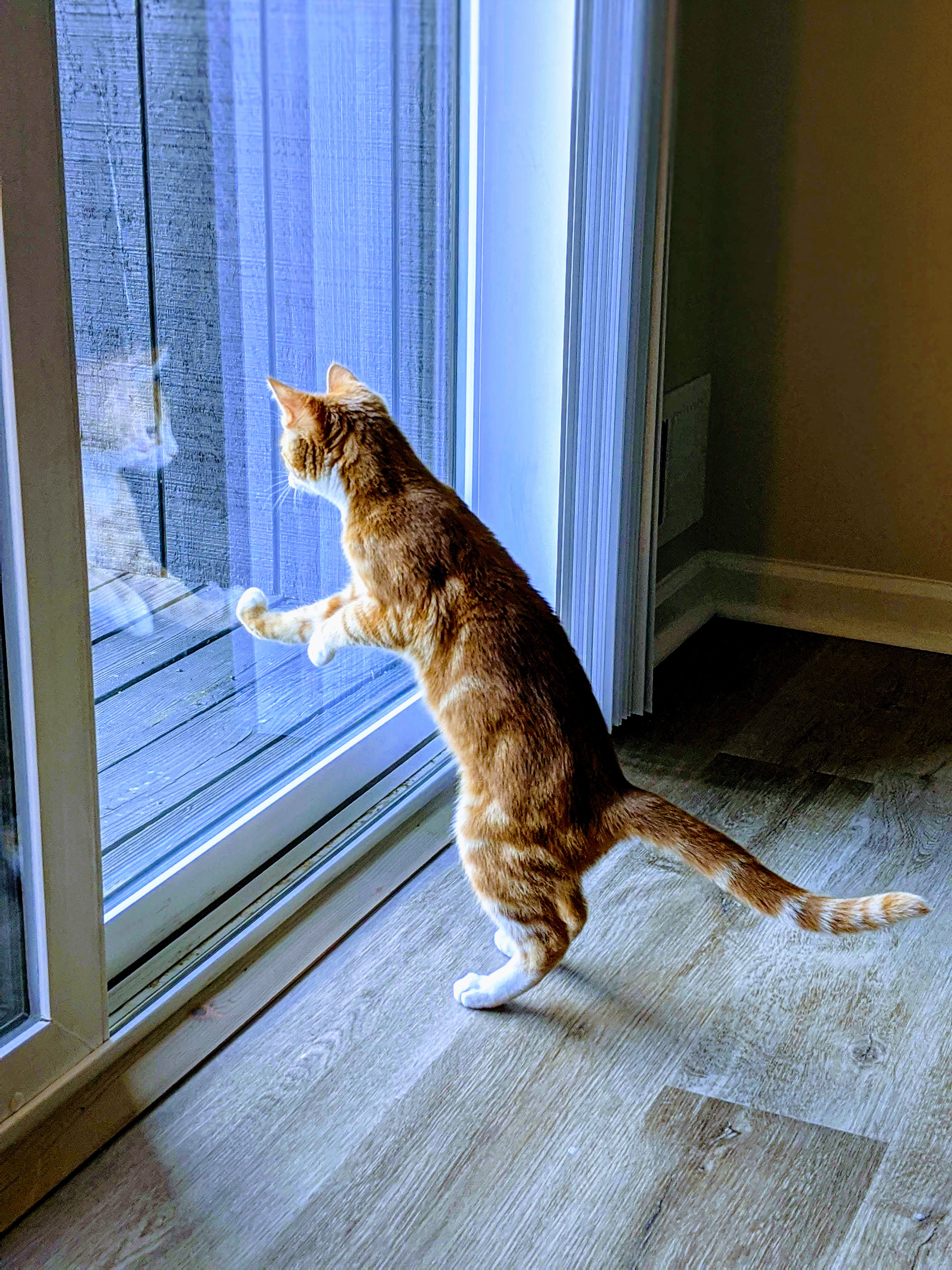
A cat watches birds from a window perch, a low-effort form of enrichment that works all day while you are out.
Image Credits: Wikimedia Commons
Rotate the setup to keep it fresh. PetHealthMD advises keeping a few different toy collections and swapping them weekly, storing unused toys out of sight so they feel new when reintroduced. A toy that sat in a drawer for two weeks is practically a new toy.
Scratching zones belong near windows and resting spots, where cats naturally stretch and mark. Place them deliberately and your furniture takes less damage.
Make food work as entertainment
In the wild, a cat works for every meal. In your kitchen, the food appears in a bowl in seconds. Food puzzles close that gap.
The idea is straightforward: instead of a bowl, the cat's dry food goes into a device or container it must manipulate. Globalvet lists commercial options like the Kong Wobbler and Pipolino, plus DIY versions such as a muffin pan with treats hidden under playing cards, an egg carton with kibble in each compartment, or a ball with a hole cut for kibble to fall through.
Peterborough Vets explains why this works: food puzzles provide mental stimulation, encourage the cat to move, satisfy hunting instincts, and help prevent overeating. Cats that work for food stay interested, burn energy, and hold a healthier weight.
Start easy. A puzzle that is too hard at first will frustrate the cat and it will walk away. Supervise new puzzle toys until you know the cat handles them safely, then leave them out during work hours.
Scatter feeding is the zero-cost version. Hide small portions of kibble around different rooms before you leave. The cat then spends part of the day hunting its breakfast, which is exactly what its brain was built to do.
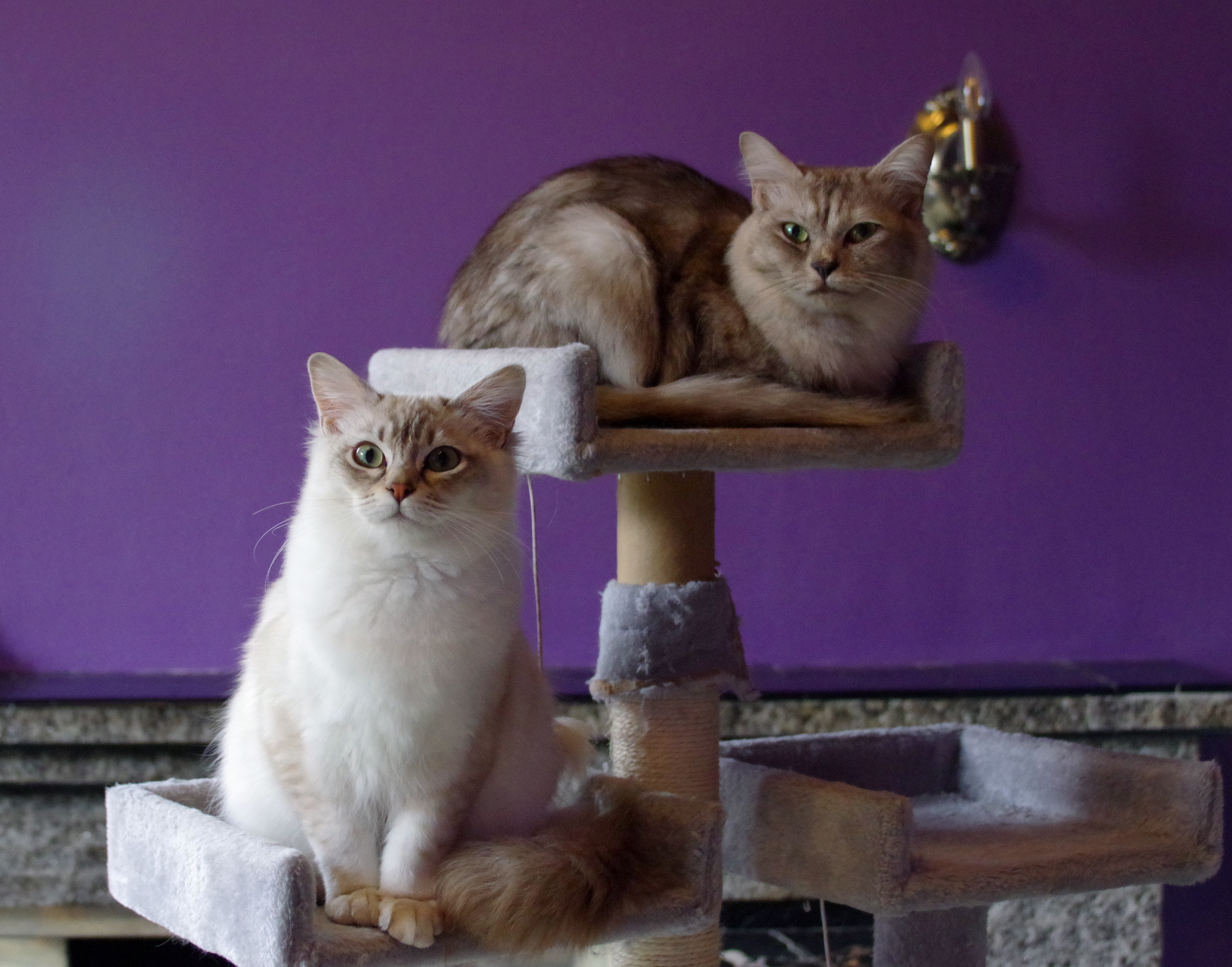
Cats share a tall cat tree, which gives them climbing exercise and a high vantage point for the hours you are away.
Image Credits: Wikimedia Commons
Background sound helps too. Peterborough Vets suggests leaving gentle music or soft radio chatter playing for solo cats, which provides soothing background noise and reduces the sense of isolation. Keep the volume low.
Build a daily routine around your work hours
Enrichment works best as a routine, not a random event. Cats are creatures of habit and they learn schedules fast.
Play with your cat before you leave. A focused 10 to 15 minute session with a wand toy in the morning burns off the night's stored energy.
Let the cat catch the toy at the end. Ending on a successful catch matters more than a long session.
Feed after the morning play. This mirrors the natural hunt, catch, eat, groom, sleep cycle. A cat that has hunted and eaten is a cat ready for a long nap, which conveniently covers your work hours.
When you get home, play again. Even a short evening session tells the cat that the fun part of the day involves you. PetHealthMD frames this as channeling predatory behavior into appropriate play, which reduces ankle attacks and keyboard ambushes.
Consider companionship honestly. Star Vet Clinic notes that some cats are more social than others, and a lonely cat may benefit from a feline friend.
But a second cat is a 15-year commitment, not a toy. It suits some cats and stresses others, so treat it as a serious decision rather than a quick fix.
Finally, check in if you can. A pet camera lets you watch what the cat actually does all day. Many owners are surprised: the cat that shredded the curtains in the evening slept peacefully from 9 to 5.
Frequently asked questions
Is it cruel to leave a cat alone while I work?
No, as long as the cat's needs are met. Cats sleep 12 to 16 hours a day and most adapt well to an owner's work schedule. Cruelty would be leaving a cat with no food, water, stimulation, or veterinary care, not leaving it alone in a safe, enriched home.
How much playtime does a cat need each day?
Two focused sessions of 10 to 15 minutes usually cover it for an adult cat. Kittens and young cats often want more. Watch your cat's behavior: a cat that still races around at midnight probably needs a longer evening session.
Do cats get lonely without another cat?
Some do, some do not. Cats are territorial rather than pack animals, and many prefer being the only cat.
Signs of loneliness include excessive vocalizing and clinginess when you return. If those persist despite enrichment, discuss a companion with your vet.
Are puzzle feeders safe to leave out all day?
Generally yes, once the cat knows how to use them. Introduce any new feeder while you are home to watch for frustration or chewing on plastic parts. Avoid feeders with small detachable pieces for unsupervised use.
The bottom line
A cat left alone all day does not need constant entertainment. It needs the right setup: places to climb and hide, a window to watch, food that takes effort, and play sessions that bookend your workday.
Start with one change, like a food puzzle or a window perch, and add more over the coming weeks. If boredom behaviors persist despite enrichment, talk to your vet, since behavior changes can have medical causes.
Tags: cats, pet care, cat enrichment, indoor cats, pet behavior
Rive News is the research desk behind this publication, covering everyday science and practical explainers with sourced, verifiable facts.
Latest in Pets
- Why your cat follows you to the bathroom
- At what age a dog is considered senior
- Why dogs eat grass on walks
- Why dogs bark at visitors
Get one practical explainer in your inbox every morning. Subscribe to the Rive News newsletter.
Published by Rive News. Information is for general purposes only.
Related stories
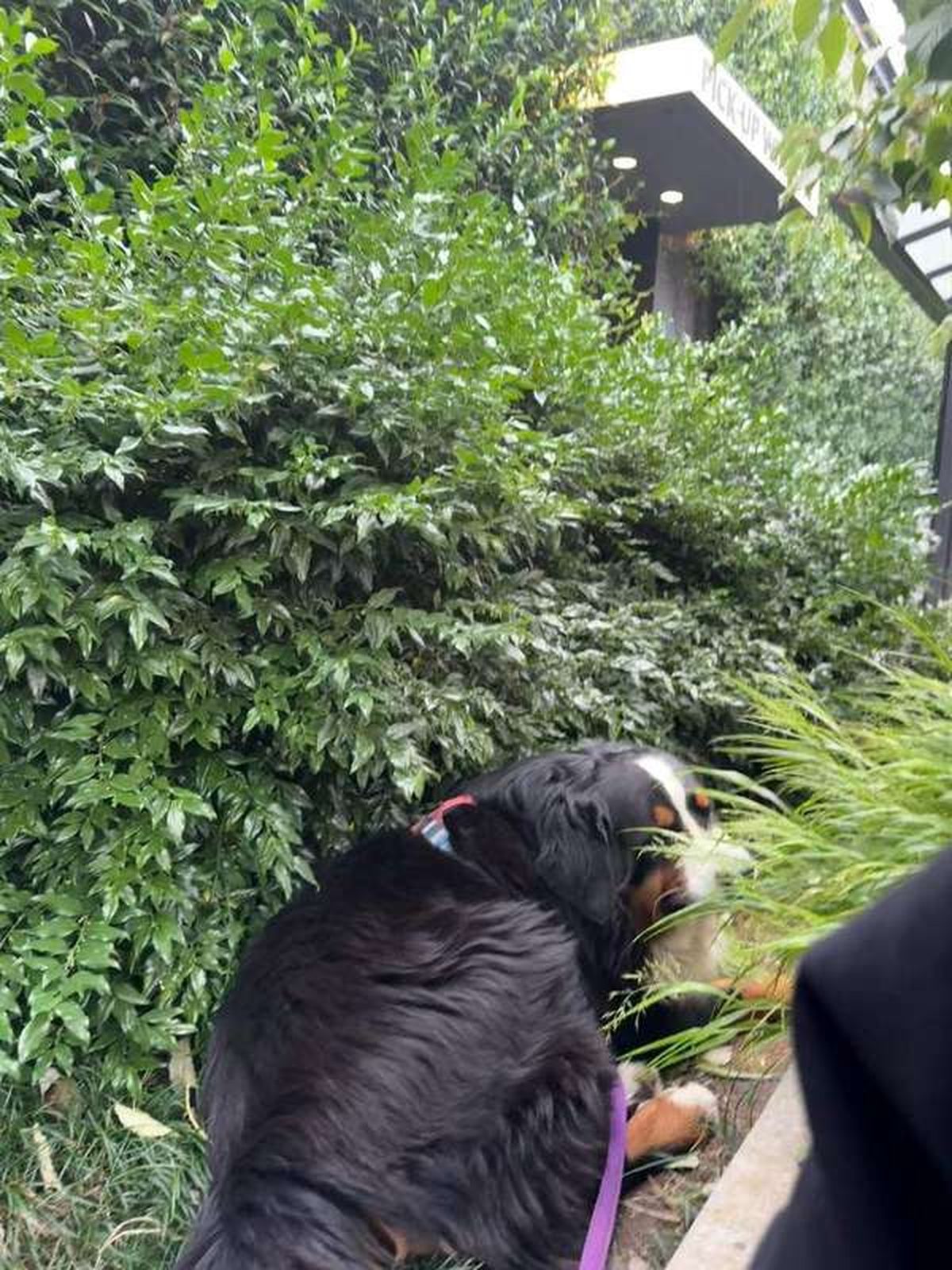
Why Does My Dog Eat Grass and Vomit?
A UC Davis study of 1,571 owners found grass eating is normal dog behavior, not self-medication: only 10% were ill first. What the science

Why Does My Dog Stare at Me While I Eat?
Dogs stare at you while you eat because it has worked before, and mutual gaze raises bonding hormones. Learn the reinforcement science
Foods toxic to dogs: the list, with reasons
Chocolate, xylitol, grapes, onions: common foods can harm dogs. Learn what makes each one toxic, the warning signs, and what to do if your