
What Is the Best Way to Travel With a Pet in a Car
Key takeaways
- Restrain every pet on every drive, with a harness or a secured, ventilated crate.
- Stop every 1 to 2 hours for water, a toilet break, and a stretch.
- Never leave a pet alone in a parked car, even for a few minutes.
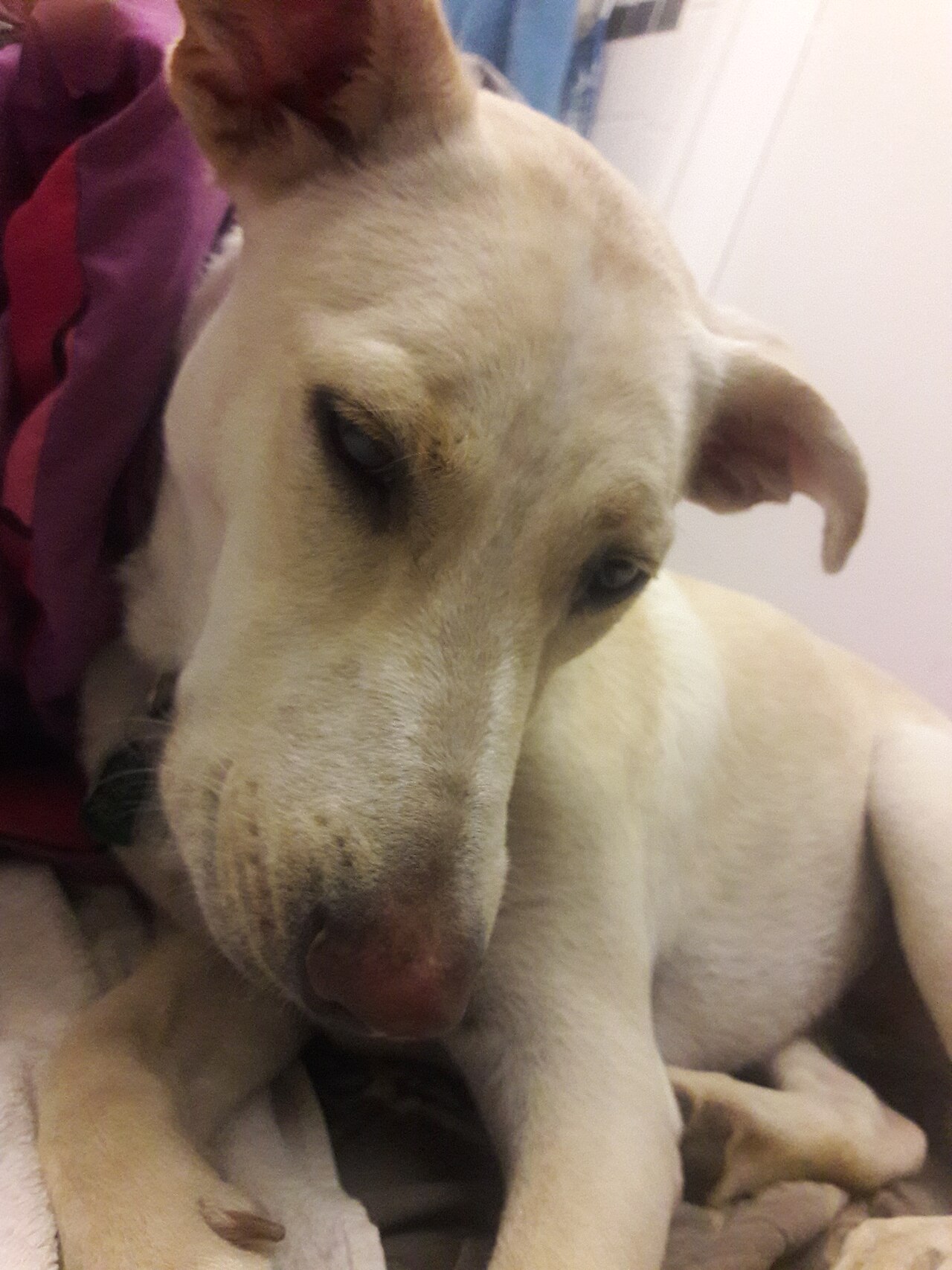
The best way to travel with a pet in a car is simple: restrain the animal, keep the ride calm, and stop often. A loose pet can distract the driver, fly forward in a sudden stop, or bolt when a door opens. A restrained pet is safer, and so is everyone else in the car.
This article explains how to choose between a harness and a crate, how to train a pet for car rides, what to pack, when to stop, and which mistakes to avoid, including feeding too close to departure and leaving an animal in a parked car.
Restrain your pet on every trip
A pet needs a seat belt of its own. Newswise, reporting advice from Kit Darling of the Texas A and M University College of Veterinary Medicine and Biomedical Sciences, puts it plainly: pets can be secured with a harness that attaches to the seat belt, or they can travel in a well-ventilated crate.
A harness that clips to the seat belt suits most dogs that ride on a seat. Use a harness, not a collar, for the car. A collar can injure the neck in a sudden stop, while a harness spreads force across the chest.
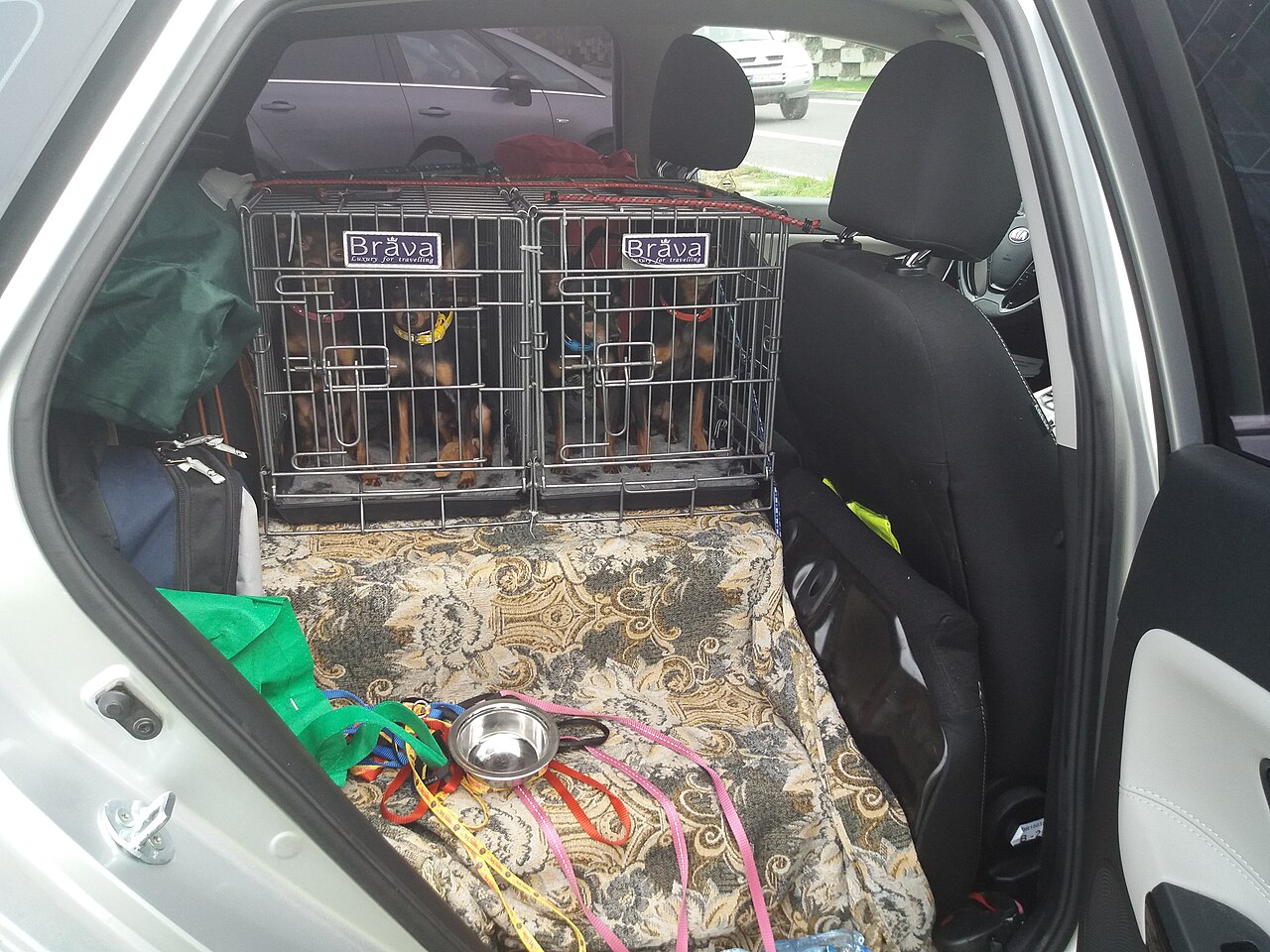
A crate suits small dogs, cats, and nervous animals. The crate must be large enough for the animal to stand, sit, lie down, and turn around. The Knox County Veterinary Clinic gives that exact test in its car safety guide.
A crate that is too small adds stress instead of safety.
Secure the crate so it cannot slide. A loose crate becomes a heavy object in a crash. Wedge it on the floor behind a seat, or strap it down, and check that it still has airflow.
Keep pets in the back seat. The front seat puts an animal near the airbag and near the driver. A barrier between the cargo area and the cabin can help in larger vehicles, but a barrier alone does not replace a harness or a crate.
Train before the big trip
Do not let a long road trip be the pet's first car ride. Darling advises owners to acclimate the pet to the harness or crate before attempting a car ride. Her method starts with short rides and then builds up the time in the car.
Start at home. Let the pet sniff the harness or crate, then wear or sit in it for short spells with treats and praise. Feed a meal or offer a favourite toy inside the crate so the crate feels like a safe den, not a trap.
Move to the parked car next. Sit with the pet in the parked car for a few minutes, engine off, then engine on. Short drives around the block come after that.
End each early ride somewhere pleasant, such as a park, so the car predicts good things.
Feed at the right time
Feed your pet 3 to 4 hours before leaving on your trip. That timing comes from the Knox County Veterinary Clinic, and it aims to prevent car sickness and vomiting. A full stomach plus a moving car is a poor mix.
Offer water before departure and at every stop. Carry a spill-proof bowl and a bottle of fresh water. Do not let the pet drink from puddles or roadside bowls at rest stops, since those can carry germs.
Skip treats during the drive if the pet gets queasy. A small, bland treat at a rest stop is fine for most dogs, but a stream of treats in a moving car invites nausea. Save the main meal for arrival, once the pet has settled.
Plan breaks every 1 to 2 hours
Long drives need regular stops. MonVet advises a break every 1 to 2 hours on long journeys, so the dog can stretch, drink water, and relieve itself. Darling gives a similar range of every 2 to 3 hours, so a stop every couple of hours is a safe rule for most trips.
Use each stop well. Walk the dog on a leash, offer water, and let the animal sniff and settle. A five-minute walk beats a quick door-open-and-shut.
Cats may prefer to stay in the car with the windows cracked and the crate door closed, so judge by the animal.
Never let a dog ride with its head fully out of the window. Darling warns that dirt and debris can enter the eyes, nose, and ears, causing injury or infection. A small crack for fresh air is fine.
A head out at speed is not.
Pack a pet travel bag
Pack a separate bag for the pet, so nothing gets forgotten. Darling recommends packing food, bowls, medications, toys, proof of rabies vaccination, veterinarian contact information, and other supplies. The Knox County clinic adds a leash, waste bags, grooming supplies, a first-aid kit, and travel documents.
A short packing list covers most trips:
- Food for the trip plus one extra day, in a sealed bag
- Water bottle and a bowl
- Leash, spare leash, and waste bags
- Medications and a small first-aid kit
- Vaccination records and vet contact details
- A familiar blanket or toy
- Paper towels and cleaning wipes for accidents
Bring a familiar blanket or towel. Darling notes that a blanket with the pet's or the owner's scent can help the animal feel relaxed in a strange place. A known smell in a new hotel room or a relative's house makes settling faster.
Make sure the pet can be identified. Darling advises microchipping or a collar with current contact details on the tag. Label the crate with contact details too, which matters most if the pet flies or stays in a kennel.
Handle heat, cold, and parked cars
Never leave your pet alone in a parked vehicle. The Knox County clinic states the rule without exception: on hot days, temperatures can rise quickly within minutes and can cause death, and in cold weather, animals left in cars can freeze to death. Darling gives the same warning, noting that heat builds very quickly in a parked vehicle.
Cracking a window does not make a parked car safe. Shade and a cracked window still leave a car heating fast on a warm day. If the pet cannot come inside with you, leave the pet at home or change the plan.
On the road, keep the car at a comfortable temperature. Dogs and cats overheat faster than people, especially flat-faced breeds, older animals, and overweight pets. Watch for heavy panting, drooling, or restlessness, and stop in shade with water if you see them.
What to do about motion sickness and anxiety
Some pets get sick in cars, and some get anxious. The two often travel together, and both respond to slow training. MonVet advises owners to consult a veterinarian for advice, especially if the dog feels anxious or suffers from motion sickness.
Signs of motion sickness include drooling, lip licking, yawning, whining, vomiting, and restlessness. Puppies often outgrow it as their balance system matures. Older dogs with sudden sickness deserve a vet check, since the cause may be something else.
For anxiety, keep the car calm. Talk in a low, steady voice. Avoid loud music.
Let the pet see out of a window if that helps, or cover the crate lightly if darkness calms the animal. Short, pleasant rides build confidence better than one long forced trip.
Do not give human medicine to a pet without veterinary advice. Doses that are safe for people can harm animals. If the vet prescribes medicine for travel, test it at home first, so you know how the pet reacts before you rely on it on the road.
Crossing borders and state lines
Check the rules before travelling across state lines or borders. The Knox County clinic advises owners to check the requirements for bringing pets along before travelling across state lines. Rules differ, and a missed vaccine certificate can stall a trip.
If you stay in a hotel, confirm that pets are welcome before arrival. Darling advises double-checking that pets are welcome at the destination, even with friends or family. Good manners, such as leashing and cleaning up, keep the pet welcome for the next visit.
A simple trip-day checklist
A short routine on travel day keeps the plan on track. Run through it before the engine starts, and the rest of the drive gets easier.
- Feed 3 to 4 hours before departure, then offer water.
- Walk the dog and let the pet relieve itself before loading.
- Fit the harness or secure the crate, and check airflow.
- Load the travel bag, water, leash, and papers.
- Set a timer for the first stop in about 2 hours.
- At each stop, walk, water, and check the pet.
A guide on older dogs with stiff joints may help if your passenger is a senior: How to help an older dog with stiff joints.
Frequently asked questions
How often should I stop on a long drive?
Stop every 1 to 2 hours. MonVet gives that range for long journeys. Offer water, a toilet break, and a short walk at each stop.
Can my dog ride with its head out of the window?
It is best avoided. Darling warns that dirt and debris can enter the eyes, nose, and ears and cause injury or infection. A small window crack gives fresh air without the risk.
Should I feed my pet right before driving?
No. The Knox County clinic advises feeding 3 to 4 hours before leaving to reduce car sickness and vomiting. Offer water at stops instead.
Is it ever safe to leave a pet in a parked car?
No. Both Darling and the Knox County clinic warn that a parked car can heat to deadly levels within minutes in warm weather, and can freeze an animal in cold weather. Take the pet with you or leave it at home.
The bottom line
Safe pet car travel comes down to restraint, preparation, and breaks. Fit the harness or secure the crate, train with short rides, feed a few hours before departure, and stop every couple of hours. Pack the travel bag, keep the car at a comfortable temperature, and never leave the pet alone in a parked car.
Before your next trip, run one short practice ride in the exact setup you plan to use. If the pet settles, the long drive will go far better. If not, you have time to adjust the plan or ask the vet.
Tags: pet travel, dog car safety, pet care, road trip
Latest in Pets
- How to help an older dog with stiff joints
- Why do cats knead with their paws?
- How to trim your dog's nails without hurting
Subscribe for one practical pet care idea each week, written in plain language.
Related stories

Why Does My Dog Eat Grass and Vomit?
A UC Davis study of 1,571 owners found grass eating is normal dog behavior, not self-medication: only 10% were ill first. What the science

Why Does My Dog Stare at Me While I Eat?
Dogs stare at you while you eat because it has worked before, and mutual gaze raises bonding hormones. Learn the reinforcement science

Foods toxic to dogs: the list, with reasons
Chocolate, xylitol, grapes, onions: common foods can harm dogs. Learn what makes each one toxic, the warning signs, and what to do if your